
Plot Summary
Winter's Unquiet Shadows Stir
In the remote town of West Hall, Vermont, the past is never truly buried. The story opens with Sara Harrison Shea's chilling diary, recounting her first encounter with a "sleeper"—a dead girl returned to life. Sara's world is one of loss, superstition, and the ever-present threat of the supernatural. Her family's land, shadowed by the Devil's Hand rock formation, is a place where grief and longing blur the boundaries between the living and the dead. Sara's daughter, Gertie, is the center of her world, and the family's fragile happiness is threatened by poverty, isolation, and the weight of old tragedies. The winter's cold is both literal and metaphorical, setting the stage for a tale where memory, love, and death are inextricably entwined.
The Secret Diary Unearthed
Decades later, Sara's secret diary is discovered, its pages scattered and concealed in the old farmhouse. The diary, compiled by her niece Amelia, is believed to hold the truth about Sara's mysterious death and the legend of the sleepers—those who return from the dead. The diary's fragmented entries reveal Sara's descent into grief after Gertie's death, her obsession with the possibility of resurrection, and the dangerous knowledge passed down from her enigmatic Auntie. The diary becomes a key plot device, connecting past and present, and drawing new generations into the web of secrets, loss, and longing that haunts West Hall.
Gertie's Vanishing and Grief
Sara's world collapses when Gertie disappears during a snowstorm, her small body later found at the bottom of an old well. The loss devastates Sara and her husband Martin, exposing the cracks in their marriage and Sara's fragile psyche. Sara's grief is raw and consuming, leading her to question the nature of death and the possibility of bringing Gertie back. The community's well-meaning support only deepens her isolation, and Sara's obsession with the supernatural grows. The diary entries from this period are filled with longing, despair, and the first hints of the forbidden ritual that will change everything.
The Devil's Hand Beckons
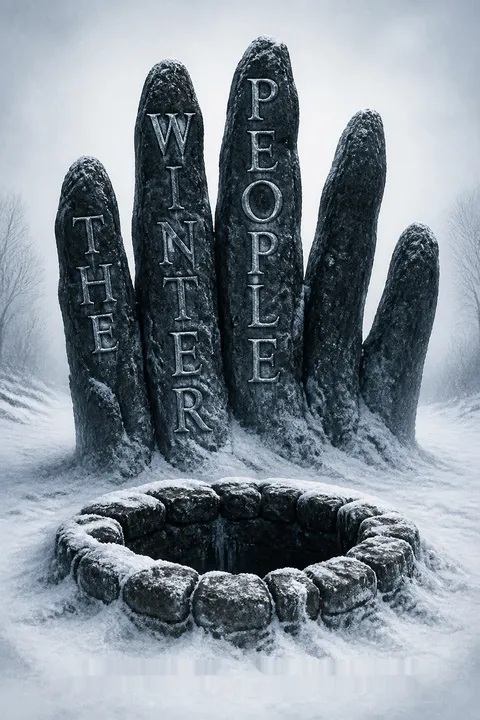
The Devil's Hand, a formation of five stone "fingers" jutting from the earth, is both a physical and symbolic center of the story. It is a place of old magic, whispered legends, and hidden dangers. Sara's memories and Auntie's teachings converge here, as she recalls the secret of the sleepers—a ritual to bring the dead back for seven days. The land itself seems to conspire with grief, drawing the desperate to its shadow. The Devil's Hand is a portal, a threshold between worlds, and the site of both hope and horror.
Ruthie's Search Begins
In the present, Ruthie Washburne wakes to find her mother, Alice, gone without a trace. Ruthie, responsible for her younger sister Fawn, is thrust into a frantic search that uncovers more questions than answers. The farmhouse, once a place of routine and safety, becomes a labyrinth of secrets—hidden compartments, old wallets, and a gun. Ruthie's investigation is both literal and psychological, as she confronts the possibility that her family's history is far stranger and darker than she ever imagined.
The Egg Lady's Disappearance
Alice, known as the "egg lady" at the local farmers' market, is more than she seems. Her disappearance unsettles the town and exposes the Washburne family's isolation and eccentricity. As Ruthie and Fawn search for clues, they discover connections to the O'Rourkes, a family who vanished years before. The community's folklore—stories of missing people, strange lights, and offerings left for the dead—echoes the old legends of Sara and the sleepers, suggesting that the past is not as distant as it appears.
Ghosts in the Family Closet
Ruthie and Fawn's search leads them to a secret compartment in their mother's room, where they find the gun, the O'Rourkes' wallets, and Sara's diary. The discovery forces Ruthie to confront the possibility that her mother is involved in something criminal or supernatural. The family's history is revealed to be a tapestry of secrets, lies, and hidden pain. The closet, both literal and metaphorical, is a place where the past is buried but never truly dead, and where the boundaries between memory and reality blur.
Katherine's Haunted Arrival
Katherine, grieving the loss of her husband Gary and son Austin, arrives in West Hall seeking answers. Gary's mysterious final trip to the town, his lunch with the egg lady, and the disappearance of his camera bag draw Katherine into the Washburne family's orbit. Her artistic sensibility and emotional vulnerability make her both an outsider and a mirror for the other characters' grief. Katherine's search for meaning and closure becomes entwined with the town's haunted history and the legend of the sleepers.
The O'Rourke Mystery
Ruthie's investigation leads her to Connecticut, where she learns that she is not Alice's biological daughter but the orphaned child of Tom and Bridget O'Rourke, who vanished in West Hall years before. The revelation of Ruthie's true parentage, and the connection to the O'Rourkes' search for Sara's missing diary pages, deepens the sense of generational trauma and the inescapability of the past. The Washburne family's role as guardians of the hill and keepers of the secret is revealed, and Ruthie must confront her own place in the cycle of loss and longing.
Hide-and-Seek in the Dark
Hide-and-seek recurs as a motif, symbolizing both innocence and peril. Fawn's games echo Gertie's, and the act of hiding becomes a metaphor for the secrets that haunt the family. The children's exploration of the house and the woods mirrors Sara's own childhood, and the discovery of hidden places—trapdoors, secret panels, and the cave beneath the Devil's Hand—blurs the line between play and survival. The darkness is both a hiding place and a threat, and the search for the missing becomes a journey into the heart of the unknown.
The Portal Beneath the Hill
The search for Alice leads Ruthie, Fawn, Katherine, and the unstable Candace O'Rourke to the cave beneath the Devil's Hand. The cave is a labyrinth of tunnels, chambers, and hidden dangers—a physical manifestation of the story's psychological complexity. Here, the missing diary pages, the instructions for awakening sleepers, and the truth about Gertie's fate converge. The cave is both a place of refuge and a trap, a site of ancient power and modern horror. The ritual to awaken the dead is revealed in full, and its consequences become terrifyingly clear.
Sleeper Awakened, Sleeper Lost
Sara's ritual brings Gertie back, but only for seven days. The sleeper is not the child she was, but a shadow—hungry, dangerous, and unable to return to life or death. The legend of the sleeper is revealed to be both a blessing and a curse, a gift that destroys those who accept it. In the present, the cave's guardian is revealed to be Gertie, still walking, still hungry, after more than a century. The cost of resurrection is eternal unrest, and the cycle of loss is unbroken.
Blood, Betrayal, and Truth
The climax of the story is a maelstrom of violence, betrayal, and revelation. Sara confronts Auntie, the true architect of her family's suffering, and the past's wounds are laid bare. Martin, wrongly accused, is mortally wounded. In the present, Candace's greed and obsession lead to her death at the hands of the sleeper. The truth about the Washburne family's role as guardians, the origins of the sleeper, and the cost of forbidden knowledge is finally revealed. The cycle of violence and loss is both ended and perpetuated.
The Keeper of Secrets
With the truth revealed, Ruthie and her mother accept their role as keepers of the hill and guardians of the secret. The responsibility of containing the sleeper and preventing the spread of the ritual is both a burden and a calling. The family's isolation is recast as a form of protection, and the cycle of secrecy continues. The past cannot be undone, but its lessons shape the future. The story's survivors are marked by trauma but also by resilience and love.
The Past Devours the Present
The story's final chapters reflect on the persistence of the past and the impossibility of escape. Sara's later diary entries reveal her life in hiding with Gertie, the endless hunger of the sleeper, and the guilt that haunts her. The town's legends, the offerings left for the dead, and the recurring disappearances all testify to the enduring power of memory and loss. The present is shaped by the past, and the cycle of grief and longing continues.
The Final Pages Revealed
The missing diary pages, the instructions for awakening sleepers, and the map to the portal are finally destroyed, cast into the well where Gertie died. Ruthie and Fawn, now united by blood and choice, take responsibility for ending the cycle. The act of destruction is both an ending and a beginning, a gesture of hope in the face of despair. The story's mysteries are resolved, but the scars remain.
The Price of Resurrection
The story's central lesson is the cost of refusing to let go. Sara's love for Gertie, Gary's longing for Austin, and the Washburne family's desire to protect are all tested by the lure of resurrection. The sleepers are not truly returned, but shadows—hungry, lost, and dangerous. The price of resurrection is eternal unrest, and the living must learn to accept loss or be consumed by it. The story ends with a sense of uneasy peace, as the survivors accept their roles and the dead are finally laid to rest.
The Circle Remains Unbroken
The novel closes with a meditation on the unbroken circle of life, death, and memory. The secrets of the hill remain, the sleeper still walks, and the guardianship passes to a new generation. The story's final image is one of hope and acceptance—a family united by love and loss, determined to protect the living and honor the dead. The winter people endure, their stories woven into the fabric of West Hall, waiting to be discovered by those who dare to look.
Analysis
A meditation on grief, memory, and the dangers of refusing to let goThe Winter People is a haunting exploration of the ways in which loss shapes individuals, families, and communities. Through its dual timelines and interwoven narratives, the novel examines the seductive power of forbidden knowledge and the cost of resurrection. The sleepers—those returned from the dead—are both miracles and monsters, symbols of the human desire to undo loss and the impossibility of truly reclaiming the past. The story's women, from Sara to Ruthie to Alice, are both victims and guardians, struggling to protect their loved ones while grappling with the weight of secrets and trauma. The novel's use of folklore, ritual, and the haunted landscape of Vermont creates a sense of timelessness and inevitability. Ultimately, The Winter People warns that the refusal to accept loss, the temptation to bring back the dead, and the burden of secrets can only lead to further suffering. Yet, in its final pages, the novel offers a glimmer of hope: the possibility of healing, the strength of family, and the enduring power of love to transform even the darkest legacy.
Review Summary
The Winter People receives an overall 3.82 rating, with readers praising its atmospheric, creepy tone and dual timeline structure alternating between 1908 and present day. Most enjoyed the historical storyline following Sara Harrison Shea's grief-driven attempts to resurrect her deceased daughter more than the contemporary plot. Common comparisons to Stephen King's Pet Sematary emerge throughout reviews. While the spooky Vermont setting and supernatural "sleepers" concept impressed readers, many felt disappointed by the ending and found some character decisions unrealistic. The book works best as an atmospheric ghost story.
People Also Read


Characters
Sara Harrison Shea
Sara is the emotional and narrative heart of the novel, a woman whose life is defined by tragedy and longing. Her love for her daughter Gertie is fierce and consuming, and her grief after Gertie's death drives her to the edge of madness. Sara's relationship with her enigmatic Auntie introduces her to forbidden knowledge—the ritual to awaken sleepers. Her diary, both confession and warning, reveals a mind unraveling under the weight of loss, guilt, and supernatural horror. Sara's journey is one of love turned to obsession, and her ultimate fate is both tragic and redemptive. She is a symbol of the dangers of refusing to let go, and her legacy shapes the lives of all who come after.
Gertie Shea
Gertie is both a victim and a monster, a beloved daughter lost and a supernatural being returned. Her death is the catalyst for the novel's events, and her resurrection as a sleeper is both a miracle and a curse. Gertie's presence haunts the narrative—sometimes as a memory, sometimes as a physical threat. Her inability to return fully to life or death makes her a symbol of unresolved grief and the dangers of forbidden magic. Gertie's hunger and loneliness are deeply affecting, and her fate is a warning about the cost of refusing to accept loss.
Martin Shea
Martin is Sara's husband, a man marked by physical and emotional wounds. His love for Sara and Gertie is steadfast, but he is powerless to save them from the forces that destroy their family. Martin's struggle to protect his loved ones, his suspicion and eventual victimization, and his tragic end make him a figure of pathos and quiet heroism. His relationship with Sara is complex—marked by love, misunderstanding, and the corrosive effects of grief. Martin's fate is a testament to the destructive power of secrets and the impossibility of controlling the supernatural.
Auntie
Auntie is a figure of mystery and power, a healer and a keeper of forbidden knowledge. Her teachings shape Sara's understanding of life, death, and magic, and her own tragic fate is a source of guilt and fear. Auntie's return as a vengeful force reveals the dangers of old wounds left unhealed. She is both a victim and a perpetrator, a symbol of the cycle of violence and retribution that haunts the story. Auntie's legacy is the knowledge of the sleepers—a gift that is also a curse.
Ruthie Washburne
Ruthie is the modern protagonist, a young woman thrust into crisis by her mother's disappearance. Her journey is one of self-discovery, as she uncovers the truth about her family, her own origins, and the supernatural legacy she inherits. Ruthie's relationship with her sister Fawn is both a burden and a source of strength, and her determination to protect her family drives the narrative forward. Ruthie's evolution from skeptic to guardian mirrors the novel's themes of acceptance, responsibility, and the cost of knowledge.
Fawn Washburne
Fawn is Ruthie's younger sister, a sensitive and intuitive child who is attuned to the supernatural. Her games of hide-and-seek, her conversations with her doll Mimi, and her uncanny insights make her both vulnerable and wise. Fawn's innocence is contrasted with the darkness that surrounds her, and her role as a bridge between the living and the dead is central to the story's resolution. Fawn embodies the hope that the cycle of loss can be transformed into healing.
Alice Washburne (The Egg Lady)
Alice is Ruthie and Fawn's mother, a woman whose eccentricity and isolation mask a deep sense of responsibility and guilt. Her disappearance sets the plot in motion, and her role as the guardian of the hill and the sleeper is gradually revealed. Alice's choices are shaped by love, fear, and a desire to protect her children and the community. Her relationship with Ruthie is tested by secrets and revelations, but ultimately strengthened by acceptance and shared purpose.
Katherine
Katherine is a newcomer to West Hall, drawn by the mystery of her husband Gary's death and the town's haunted history. Her artistic sensibility and emotional vulnerability make her both a seeker and a catalyst for change. Katherine's journey is one of mourning, discovery, and acceptance. Her interactions with the Washburne family and her own confrontation with the supernatural force her to confront the limits of love and the necessity of letting go.
Candace O'Rourke
Candace is a woman driven by loss, greed, and a desire for control. Her pursuit of the missing diary pages and her willingness to threaten and harm others make her a dangerous antagonist. Candace's own history of loss and betrayal mirrors the novel's central themes, and her fate is a cautionary tale about the dangers of obsession and the refusal to accept the past.
Gertie the Sleeper (Present)
The present-day Gertie is a supernatural being, neither fully alive nor dead. Her existence is a testament to the dangers of forbidden knowledge and the cost of resurrection. Gertie's hunger, loneliness, and violence are both terrifying and pitiable. She is a symbol of the past's power to consume the present, and her fate is a warning about the consequences of refusing to let go.
Plot Devices
Dual Timelines and Interwoven Narratives
The novel's structure alternates between Sara's early 20th-century diary and the present-day experiences of Ruthie, Fawn, and Katherine. This dual timeline allows for a gradual revelation of secrets, the mirroring of events across generations, and the exploration of how trauma and longing are inherited. The interwoven narratives create suspense, deepen character development, and highlight the cyclical nature of grief and the supernatural.
The Secret Diary and Missing Pages
Sara's diary is both a literal and symbolic key to the story's mysteries. Its missing pages, hidden in secret compartments, drive the plot and connect characters across time. The diary's confessional tone, fragmented structure, and revelations about the ritual to awaken sleepers create a sense of authenticity and immediacy. The search for the missing pages becomes a quest for truth, identity, and closure.
The Ritual and the Portal
The ritual to awaken sleepers is central to the novel's supernatural horror. Its detailed instructions, the requirement of a portal (the Devil's Hand), and the strict limitations (seven days, the risk of eternal unrest) create a sense of both possibility and dread. The ritual is a metaphor for the dangers of refusing to accept loss, and its consequences drive the story's climactic events. The portal beneath the hill is both a physical location and a symbol of the threshold between life and death.
Hide-and-Seek and Childhood Games
The motif of hide-and-seek recurs throughout the novel, symbolizing both the innocence of childhood and the dangers of the unknown. The act of hiding and seeking becomes a metaphor for the search for truth, the concealment of secrets, and the longing for lost loved ones. The games played by Gertie, Fawn, and Ruthie echo across generations, blurring the line between play and survival.
Foreshadowing and Unreliable Narration
The novel employs foreshadowing through dreams, diary entries, and local legends. The unreliable narration—particularly in Sara's diary and the fragmented memories of the present-day characters—creates suspense and ambiguity. The gradual revelation of the truth about Gertie's death, the nature of the sleeper, and the family's role as guardians keeps the reader off-balance and engaged.
Download PDF
Download EPUB
.epub digital book format is ideal for reading ebooks on phones, tablets, and e-readers.








































