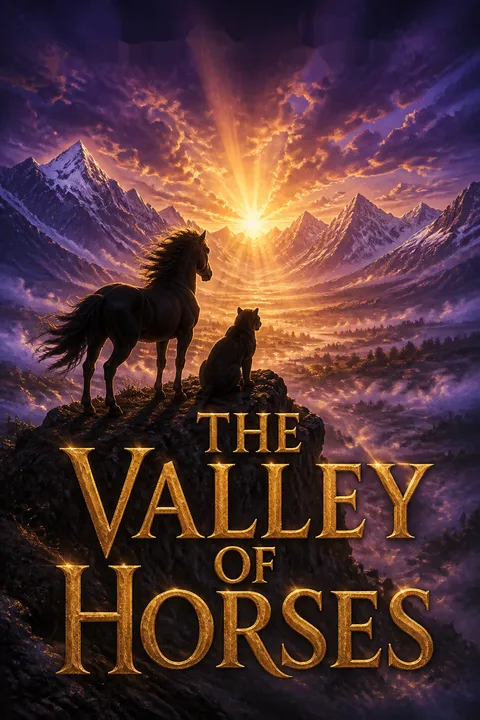

Plot Summary
Exile on the Steppes
Ayla, cast out from the Clan with a death curse, braves the harsh, wind-scoured steppes alone. She is driven by Iza's dying wish to find her own kind, the Others, but is haunted by the loss of her son, Durc, and the only family she has ever known. The landscape is both beautiful and unforgiving, and Ayla's survival depends on her ingenuity and the skills she learned from the Clan. She faces hunger, cold, and predators, but her determination to live and find belonging keeps her moving forward. The emotional weight of exile is heavy, but Ayla's resilience and resourcefulness shine as she adapts to a world that seems intent on her destruction.
Brothers on a Journey
Jondalar, a skilled flint knapper, and his adventurous younger brother Thonolan set out from their home among the Zelandonii to follow the Great Mother River. Their journey is as much about escape as it is about discovery—Jondalar from a stifling relationship, Thonolan from restlessness. The brothers' bond is deep, filled with teasing, rivalry, and affection. As they travel, they encounter new landscapes, people, and dangers, including a tense standoff with a group of Neanderthals ("flatheads"), which challenges their assumptions about humanity. Their journey is a test of endurance, spirit, and the meaning of home.
Valley of Solitude
After months of wandering, Ayla discovers a hidden valley—a lush oasis protected from the relentless wind. She claims a cave once inhabited by cave lions and sets about making it her home. The valley offers everything she needs: water, shelter, game, and wild horses. Yet, the abundance cannot fill the ache of loneliness. Ayla's grief for her lost son and Clan is raw, and she is tormented by dreams and memories. Her only companions are the animals she observes, and her longing for human connection is palpable. The valley becomes both her refuge and her prison.
Parallel Paths
As Ayla learns to thrive in her valley—hunting, gathering, and inventing new ways to survive—Jondalar and Thonolan continue their journey, meeting new peoples and experiencing the diversity of Ice Age Europe. Their paths are marked by both joy and sorrow, love and loss. Jondalar's skill and Thonolan's charm open doors, but tragedy is never far. Meanwhile, Ayla's growing bond with the valley's wild horses, especially a filly she saves and names Whinney, marks the beginning of a new kind of companionship, one that will change her life and the world.
Claiming the Valley
As winter approaches, Ayla realizes she must prepare or perish. She invents new tools, including a travois and a way to carry fire, and decides to hunt a large animal for the first time. Her ingenuity leads her to build a pit trap and, after a harrowing night, she succeeds in killing a horse. The act is both triumph and tragedy, as she is forced to kill the dam of the filly she has befriended. Ayla's compassion leads her to adopt the orphaned foal, Whinney, forging a bond that will become central to her survival and emotional healing.
Survival and Invention
Through trial and error, Ayla invents new ways to make life easier and safer: carrying fire in a horn, making baskets, and eventually discovering how to create fire with flint and iron pyrite. Her relationship with Whinney deepens, and she begins to teach herself to ride. The valley becomes a place of invention and adaptation, but also of profound loneliness. Ayla's longing for human contact grows, and her dreams are haunted by memories of the Clan and the hope of finding Others.
The Horse and the Lion
After a successful hunt, Ayla rescues a cave lion cub, Baby, from certain death. Against all odds, she raises him alongside Whinney, creating an unlikely family. The three hunt together, and Ayla's understanding of animal behavior deepens. Her bond with Baby and Whinney fills some of the emptiness inside her, but also sets her further apart from the world of humans. The valley is now alive with laughter and companionship, but Ayla's heart still aches for her lost people and the child she left behind.
The Sharamudoi
The brothers' journey brings them to the Sharamudoi, a unique people who live by both land and river. Thonolan finds love with Jetamio, and Jondalar is drawn into the rhythms of a new community. The Sharamudoi's customs, including their reverence for the Mother and their complex kinship ties, challenge and enrich the brothers. Jondalar's skills as a flint knapper are valued, and he learns new techniques. The time with the Sharamudoi is a period of growth, love, and belonging, but also sets the stage for heartbreak.
The Gift of Fire
In a moment of serendipity, Ayla discovers how to make fire by striking flint and iron pyrite. The revelation is transformative, giving her unprecedented control over her environment and a sense of mastery. The firestone becomes a symbol of her ingenuity and the blessings of her totem, the Cave Lion. Yet, the discovery also deepens her sense of isolation—she has no one to share it with. The fire she creates is both warmth and a reminder of her solitude.
The Meeting of Worlds
Tragedy strikes when Thonolan is killed by a cave lion, and Jondalar is gravely wounded. Ayla, drawn by the sounds of struggle, finds the injured man and brings him back to her cave. Their meeting is fraught with fear, misunderstanding, and the weight of their separate pasts. Ayla's skills as a healer are tested as she fights to save Jondalar's life. The collision of their worlds is both miraculous and fraught with tension, as each must confront their deepest wounds and prejudices.
The Deepest Loss
As Jondalar recovers, both he and Ayla are haunted by loss—his brother, her son and Clan. Their attempts to communicate are hampered by language and the scars of their pasts. Ayla's struggle to relearn speech is mirrored by Jondalar's struggle to accept her history with the Clan. Their growing attraction is complicated by misunderstanding, shame, and the fear of rejection. Yet, through patience and vulnerability, they begin to bridge the gulf between them.
The Healing of Ayla
With time, Ayla and Jondalar learn to speak to each other, sharing stories, skills, and dreams. Ayla's capacity for learning and Jondalar's gentle encouragement foster a deepening trust. They teach each other—Ayla learns new tools and weapons, Jondalar learns the truth about the Clan and the depth of Ayla's spirit. Their friendship blossoms into love, but both are still haunted by doubts and the fear of being unworthy or unlovable.
The Lion's Gift
Inspired by Ayla's skill with the sling, Jondalar invents the spear-thrower (atlatl), a revolutionary weapon that will change the future of hunting. Together, they practice and perfect its use, finding joy in shared discovery and mutual respect. The invention is a testament to the power of collaboration and the blending of different worlds. It also marks a turning point in their relationship, as they begin to see themselves as partners and equals.
The Return of Whinney
After a harrowing journey, Whinney returns to Ayla, pregnant and changed by her time with a wild herd. Ayla falls gravely ill, and Jondalar's care and devotion help her recover. The return of Whinney and the birth of her foal, Racer, symbolize renewal and the possibility of new beginnings. The small family—Ayla, Jondalar, Whinney, and Racer—finds a fragile happiness, but the question of the future looms.
The New Weapon
With the spear-thrower, Ayla and Jondalar become an unparalleled hunting team. Their success brings abundance and security, and their partnership deepens. They share skills, laughter, and the pleasures of daily life. Yet, the specter of Jondalar's eventual departure hangs over them, and both must confront what they truly want and fear.
The First Rites
Jondalar offers Ayla the ceremony of First Rites, a ritual of love and pleasure that she was denied by the Clan. Their union is tender, passionate, and transformative, healing the scars left by Broud and teaching Ayla the true meaning of love and desire. The experience is a revelation for both, binding them together in body and spirit. The joy of their union is shadowed by the knowledge that choices must be made about the future.
The Choice to Love
As winter approaches, Ayla and Jondalar must decide whether to stay in the valley or journey west to Jondalar's people. Both are afraid—of rejection, of the unknown, of losing each other. Through honesty, vulnerability, and the courage to love, they choose to face the future together. The valley, once a place of exile and loneliness, becomes a place of hope and belonging. Their journey is not over, but they face it as partners, united by love, invention, and the promise of a new life.
Analysis
Jean M. Auel's The Valley of Horses is a sweeping tale of survival, innovation, and the search for belonging set against the vast, untamed landscapes of Ice Age Europe. At its heart, the novel is a meditation on what it means to be human—our capacity for adaptation, our longing for connection, and our ability to bridge worlds through empathy and invention. Ayla's journey from exile to self-reliance, and ultimately to love, is both deeply personal and universally resonant. Her relationships with animals are not mere plot devices but profound explorations of trust, communication, and the breaking of boundaries. The parallel narrative of Jondalar and Thonolan offers a counterpoint, highlighting the diversity and complexity of prehistoric societies and the enduring power of brotherhood and loss. The novel's greatest strength lies in its celebration of curiosity, courage, and the transformative power of love—romantic, platonic, and communal. Auel's meticulous research and imaginative reconstruction of prehistoric life invite readers to reflect on the roots of our own humanity, the costs and rewards of difference, and the eternal quest for home. The lessons of the book—about resilience, acceptance, and the necessity of embracing both tradition and change—remain as relevant today as they were in the imagined world of Ayla and Jondalar.
Review Summary
The Valley of Horses receives mixed reviews, with ratings ranging from 1-5 stars averaging around 3-4. Many readers appreciate Ayla's survival story and animal companionship but criticize the introduction of Jondalar, whose character dominates the narrative. Common complaints include excessive, repetitive sex scenes described as "caveman porn," Ayla's implausibly numerous inventions, and slower pacing compared to the first book. Some find Jondalar annoying and overly idealized. Positive reviews praise the worldbuilding, Ice Age details, and Ayla's resilience. The book follows two parallel storylines that eventually converge, though many felt Jondalar's sections detracted from Ayla's more compelling journey.
People Also Read
Characters
Ayla
Ayla is a young woman cast out from the Clan (Neanderthals) for her differences and forbidden skills. Raised by the Clan but born to the Others (Cro-Magnons), she is a bridge between worlds—intelligent, resourceful, and fiercely independent. Her psychological landscape is shaped by loss, loneliness, and the longing for acceptance. Ayla's compassion extends to animals, leading her to domesticate Whinney the horse and Baby the cave lion, forging bonds that fill the void of human companionship. Her trauma from Broud's abuse and the loss of her son, Durc, haunt her, but her resilience and capacity for love allow her to heal and grow. Ayla's journey is one of self-discovery, invention, and the courage to love again.
Jondalar
Jondalar is a tall, skilled flint knapper from the Zelandonii, driven by restlessness and a sense of not belonging. His journey with his brother Thonolan is both an escape and a quest for meaning. Jondalar is introspective, sensitive, and burdened by the expectations of others. The loss of his brother devastates him, and his encounter with Ayla is both a salvation and a challenge. He is open-minded but struggles with prejudice, especially regarding the Clan. Through Ayla, he learns empathy, humility, and the true meaning of partnership. Jondalar's arc is one of healing, invention, and the discovery of love that transcends boundaries.
Thonolan
Thonolan is Jondalar's younger brother, full of life, humor, and a thirst for adventure. His charm and openness win him friends and lovers, but his restlessness masks a deeper longing for connection. Thonolan's love for Jetamio among the Sharamudoi brings him happiness, but her death plunges him into despair. His reckless pursuit of meaning leads to his death, leaving Jondalar bereft and haunted. Thonolan embodies the joy and pain of seeking more from life, and his loss is a catalyst for Jondalar's transformation.
Whinney
Whinney is the wild filly Ayla rescues and raises, becoming the first domesticated horse. Her bond with Ayla is profound, based on mutual respect and affection. Whinney represents the possibility of connection across species and the power of patience and empathy. Her presence is both comfort and inspiration, leading to the invention of horseback riding and the transformation of human-animal relationships.
Baby (Cave Lion)
Baby is the cave lion cub Ayla saves and raises alongside Whinney. His growth from helpless cub to powerful predator mirrors Ayla's own journey from vulnerability to strength. Baby's loyalty and hunting partnership with Ayla challenge the boundaries between human and animal, and his eventual departure is both a loss and a rite of passage for Ayla.
Jetamio
Jetamio is Thonolan's Sharamudoi mate, gentle and nurturing. Her love brings Thonolan happiness and a sense of belonging, but her tragic death in childbirth is a devastating blow. Jetamio's presence in the story highlights the fragility of happiness and the enduring pain of loss.
Talut
Talut is the headman of the Lion Camp of the Mamutoi, a people Ayla and Jondalar encounter. He is large, jovial, and open-minded, welcoming strangers and celebrating difference. Talut's acceptance of Ayla and her animals is a turning point, offering her a glimpse of belonging and the possibility of a new kind of family.
Nezzie
Nezzie is Talut's mate and a nurturing presence in the Lion Camp. She befriends Ayla, offering support, understanding, and a model of maternal care. Nezzie's warmth helps Ayla heal from her loneliness and trust in the goodness of others.
Creb
Creb, the Mog-ur of the Clan, is Ayla's adoptive father and mentor. Scarred and disabled, he is nonetheless a figure of immense power and wisdom. Creb's love and guidance shape Ayla's values and resilience, and his loss is a wound that never fully heals.
Broud
Broud is the Clan's new leader, whose hatred and abuse of Ayla lead to her exile. He represents the dangers of fear, intolerance, and the abuse of power. Broud's actions haunt Ayla, but her survival and growth are a testament to her strength and refusal to be defined by his cruelty.
Plot Devices
Dual Narrative Structure
The novel alternates between Ayla's solitary struggle for survival and Jondalar and Thonolan's journey, creating parallel arcs that converge at a pivotal moment. This structure builds tension, contrasts experiences, and deepens the emotional impact of their eventual meeting.
Animal Companionship as Metaphor
Ayla's relationships with Whinney and Baby are more than survival strategies—they symbolize her capacity for empathy, her outsider status, and her longing for connection. The domestication of the horse and the raising of a cave lion challenge the boundaries between human and animal, foreshadowing the transformative power of innovation and love.
Invention and Adaptation
Ayla's inventions—carrying fire, making baskets, discovering firestones, inventing the travois, and learning to ride—are not just practical solutions but expressions of her unique mind. Jondalar's invention of the spear-thrower, inspired by Ayla's sling, is a narrative device that unites their skills and symbolizes the blending of cultures.
Language and Communication
The struggle to communicate—Ayla's relearning of speech, the misunderstandings about the Clan, and the eventual sharing of stories—serves as both obstacle and catalyst for intimacy. Language is both a literal and metaphorical bridge between worlds.
Foreshadowing and Symbolism
Ayla's dreams, her totemic relationship with the Cave Lion, and the recurring motifs of fire and invention foreshadow key events and emotional turning points. The valley itself is a symbol of both isolation and sanctuary, a place of exile that becomes a home.
Thematic Juxtaposition
The novel explores the tension between the safety of tradition and the risks of change, the pain of loneliness and the joy of connection, the fear of the unknown and the courage to love. These themes are embodied in the characters' choices and the evolution of their relationships.
Earth's Children Series
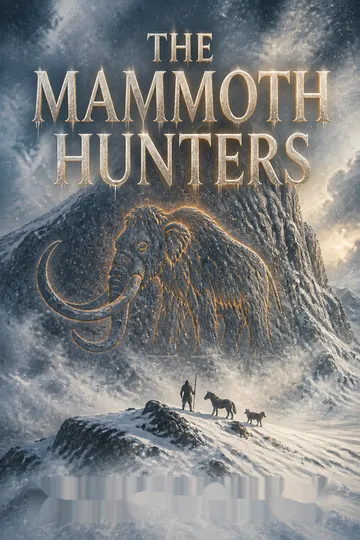
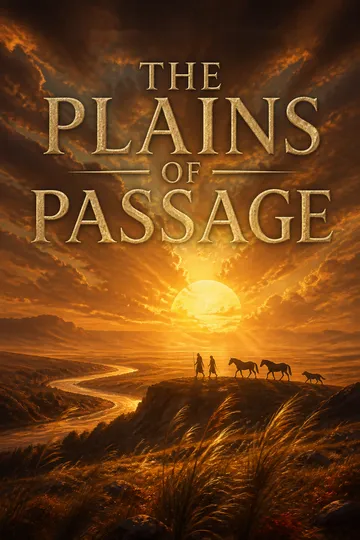
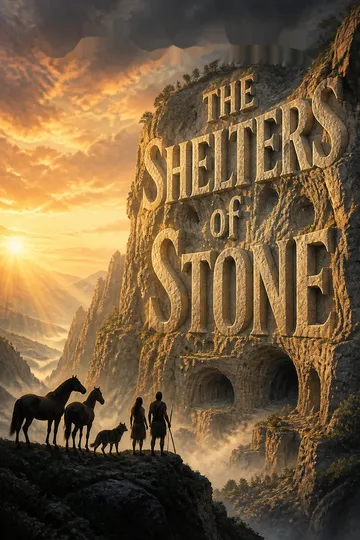
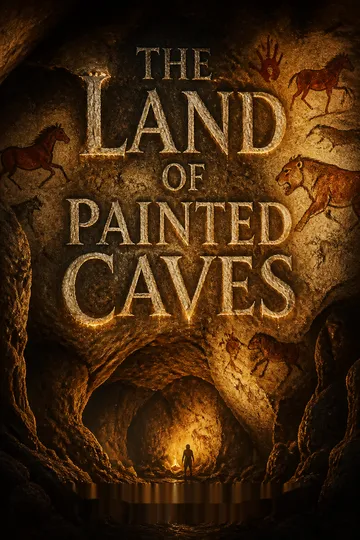
About the Author
Other books by Jean M. Auel
Download PDF
Download EPUB
.epub digital book format is ideal for reading ebooks on phones, tablets, and e-readers.








































