
Plot Summary
Arrival at Lion Camp
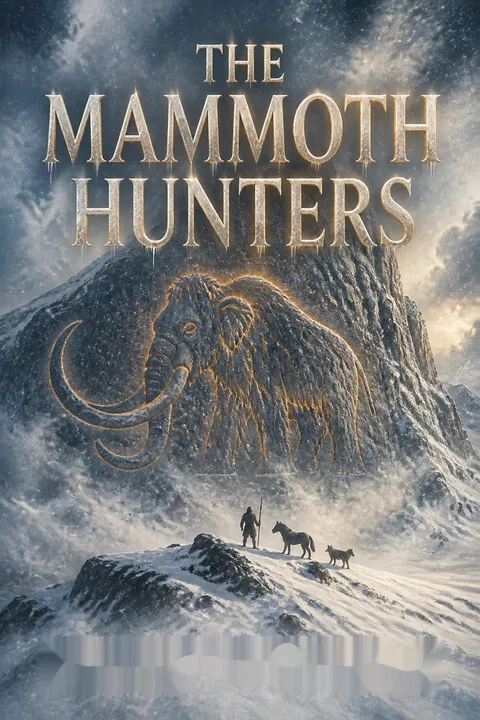
Ayla and Jondalar, traveling with their horses and wolf, encounter the Lion Camp of the Mamutoi. The camp is led by Talut, a massive, red-haired headman, and his sister Tulie, the formidable headwoman. The Mamutoi are at first astonished and wary of Ayla's ability to control animals, especially when she rides her horse, Whinney, and introduces her wolf companion. Jondalar, eager to find a place among his own kind, encourages Ayla to stay, but Ayla is anxious, fearing rejection due to her past with the Clan. The camp's curiosity and Talut's open-mindedness lead to an invitation to stay, setting the stage for Ayla's journey of acceptance and belonging.
Ayla's Uncertain Welcome
Ayla's arrival stirs both fascination and unease among the Mamutoi. Her accent, her strange skills, and her lack of a people make her an enigma. The children, especially Rydag, a mixed-blood child, are drawn to her, while adults debate her origins. Ayla's healing skills and her gentle way with animals begin to win over some, but others, like Frebec, remain openly hostile, seeing her as a threat to tradition. Ayla's own fears of rejection are heightened by memories of her expulsion from the Clan, and she clings to Jondalar and her animals for comfort, uncertain if she will ever truly belong.
First Night Among Mammoth Hunters
The Lion Camp welcomes Ayla and Jondalar with a communal meal and storytelling. Ayla is overwhelmed by the noise and the warmth of the gathering, so different from the silent, ritualistic Clan. She is introduced to the structure of the earthlodge, the seven hearths, and the customs of the Mamutoi. The shaman, Mamut, recognizes something special in Ayla and offers her a place at the Mammoth Hearth. Ayla's healing knowledge and her ability to communicate with Rydag through sign language begin to bridge the gap between her and the camp, planting the seeds of acceptance.
Stories and Secrets Shared
During a night of storytelling, Ayla and Jondalar share their journeys and Ayla's upbringing among the Clan. The camp is shocked to learn she lived with "flatheads" and bore a mixed child. Frebec's open disgust sparks a heated debate, but Ayla's honesty and her demonstration of Clan sign language with Rydag move many. Mamut, recognizing her spiritual gifts, invites her to learn more of the Mamutoi mysteries. Ayla's connection with Rydag deepens, and she finds a sense of kinship with Nezzie, Talut's mate, and the children, but the camp remains divided over her presence.
Rydag: The Mixed Child
Ayla's relationship with Rydag, the sickly, intelligent child of mixed Clan and Mamutoi heritage, becomes central. She teaches him Clan signs, giving him a voice for the first time, and wins Nezzie's gratitude. The camp's children embrace the new "hand game," but adults struggle with their prejudices. Ayla's compassion for Rydag is rooted in her longing for her own lost son, Durc. The camp's acceptance of Rydag becomes a test of their willingness to accept Ayla, and her healing skills are called upon when Rydag falls ill, further proving her worth.
Ayla's Healing and Acceptance
Ayla's reputation as a healer grows when she saves Nuvie, a choking child, and later treats Rydag's heart condition. Her knowledge, learned from Iza, the Clan medicine woman, and her own experience, impresses even the skeptical. The camp begins to see her as a valuable asset, and Mamut encourages her to consider joining the Mammoth Hearth. Ayla's healing brings her closer to Nezzie and the children, but Frebec's hostility lingers. The camp's growing respect for Ayla is tempered by lingering fears about her past and her connection to the Clan.
The Mammoth Hearth Ceremony
Mamut invites Ayla to participate in a sacred ceremony at the Mammoth Hearth. She is awed by the rituals, the music, and the spiritual power of the Mamutoi. Mamut recognizes Ayla's natural gifts as a healer and a searcher, and offers to train her in the ways of the Mammoth Hearth. Ayla is both honored and frightened by the responsibility, but she feels a sense of belonging she has never known. The ceremony marks a turning point in her acceptance by the camp and her own self-acceptance as Ayla of the Mamutoi.
New Bonds and Old Fears
Ayla's friendships with Deegie, Nezzie, and the children deepen, and she becomes an integral part of the Lion Camp. She learns Mamutoi crafts, participates in hunts, and shares her knowledge of animals and healing. Ranec, the charismatic, dark-skinned carver, is drawn to her, sparking jealousy in Jondalar. Ayla is confused by her feelings for both men, and her fear of rejection resurfaces as she senses the camp's divided opinion. The tension between tradition and change, acceptance and fear, simmers beneath the surface.
The Contest of Talents
Ayla's prowess with the sling and the spear-thrower astonishes the camp. She wins contests, teaches others, and helps develop new tools. Her ability to communicate with animals, especially the horses and the wolf pup, is seen as magical. The camp's admiration grows, but so does the sense that Ayla is different, perhaps even dangerous. Ranec's open admiration and Jondalar's brooding jealousy come to a head, and Ayla is forced to confront her own desires and fears. The contest of talents becomes a contest of hearts.
Ranec's Growing Interest
Ranec's charm and warmth draw Ayla, offering her the promise of acceptance and a place among the Mamutoi. He carves her a beautiful ivory horse, a symbol of his affection. Jondalar, tormented by jealousy and shame over Ayla's past, withdraws, leaving Ayla feeling abandoned. The camp encourages the match with Ranec, seeing it as a way to secure Ayla's gifts for the Lion Camp. Ayla is torn between her love for Jondalar and the safety Ranec offers, and the tension between the three intensifies.
The Shadow of Jealousy
Jondalar's jealousy and Ayla's confusion reach a breaking point. Misunderstandings and unspoken fears drive them apart, and Ayla seeks comfort with Ranec. The camp is divided, with some supporting Ranec and others hoping for a reconciliation. Ayla's sense of isolation deepens, and she questions her place among the Mamutoi. The shadow of her Clan past and the pain of lost love haunt her, even as she tries to move forward. The love triangle threatens to tear apart not only Ayla's heart but the harmony of the camp.
The Wolf Pup and the Horses
Ayla's raising of the wolf pup and her training of the horses become a source of wonder and controversy. The animals are both a bridge and a barrier between Ayla and the Mamutoi. Children and some adults are enchanted, but others fear the power she seems to wield. The wolf's loyalty and the horses' intelligence challenge the camp's understanding of the natural world. Ayla's bond with the animals is a reflection of her own struggle to find a place between worlds, and her success in taming them becomes a symbol of hope and change.
The Backbreaking Celebration
The camp celebrates the end of winter with the Backbreaking Celebration, a festival of work, music, and laughter. Ayla's contributions are recognized, and she is honored as a full member of the Lion Camp. The celebration brings moments of joy and unity, but also highlights the underlying tensions. Ayla's healing, her animals, and her relationships with Ranec and Jondalar are the talk of the camp. The festival is both a high point of acceptance and a prelude to the conflicts that will follow at the Summer Meeting.
The Summer Meeting Begins
The Lion Camp travels to the Summer Meeting, a gathering of all the Mamutoi Camps. Ayla is both excited and anxious, knowing her past and her gifts will be scrutinized by many. The arrival of the horses and the wolf causes a sensation, and Ayla's reputation spreads quickly. She is courted by other Camps, and her value as a healer and a woman grows. The Summer Meeting is a time of new friendships, old rivalries, and the testing of alliances. Ayla's place among the Mamutoi is both secured and threatened by the attention she receives.
The Promise and the Rift
Under pressure from the camp and her own loneliness, Ayla agrees to Promise herself to Ranec. The announcement is met with celebration by some and heartbreak by others, especially Jondalar, who decides to leave. Ayla is torn by guilt and longing, realizing too late that her heart still belongs to Jondalar. The rift between them is mirrored by divisions within the camp and the wider Mamutoi, as old prejudices and new possibilities collide. The promise becomes a crucible for Ayla's identity and her future.
The Mammoth Hunt
Ayla joins the Mamutoi in the great mammoth hunt, using her skills and courage to help secure a successful kill. The hunt is both a rite of passage and a test of belonging. Ayla's leadership, her partnership with Jondalar, and her bond with the animals are on full display. The danger and excitement of the hunt bring Ayla and Jondalar closer, rekindling their love. The triumph is tempered by the realization that choices must be made, and that the future is uncertain.
The Return and Rydag's Death
The return from the hunt is marked by both celebration and sorrow. Rydag, Ayla's beloved friend and the camp's mixed child, falls gravely ill and dies. His death is a profound loss for Ayla, Nezzie, and the entire Lion Camp. Ayla insists on giving him a Clan burial, honoring his heritage and her own. The ceremony is both a personal act of love and a public statement of acceptance. The camp is united in grief, and Ayla's place among them is both affirmed and transformed by her courage and compassion.
The Clan Burial
Ayla conducts a Clan burial for Rydag, using the rituals and signs she learned from Creb and Iza. The ceremony is moving and powerful, bridging the gap between the Clan and the Mamutoi. Ayla's grief for Rydag is intertwined with her longing for her own lost son, Durc. The burial becomes a moment of healing and reconciliation, as the camp witnesses the depth of Ayla's love and the humanity of the Clan. The experience changes Ayla and the camp, opening the way for new understanding.
The Choice of the Heart
As the time for her joining with Ranec approaches, Ayla is tormented by doubt and longing for Jondalar. Encouraged by Nezzie and her own heart, she rides after Jondalar, who is leaving the camp. In a moment of vulnerability and truth, they confess their love and decide to leave together. Ayla breaks her promise to Ranec, causing pain but also freeing them both to find their true paths. The choice is both a personal and a symbolic act, affirming Ayla's right to choose her own destiny.
Farewell to Lion Camp
Ayla and Jondalar prepare to leave the Lion Camp and the Mamutoi, saying emotional farewells to the friends and family they have found. The camp gathers to honor them, and Ayla is given gifts and blessings for her journey. Ranec, heartbroken but dignified, lets her go. The camp's acceptance and love are bittersweet, as Ayla and Jondalar set out on a new journey together, carrying with them the lessons, memories, and hopes of their time among the Mammoth Hunters.
Journey's End, Journey's Beginning
Ayla and Jondalar leave the Mamutoi, heading into the unknown, united by love and the promise of a new life. Their journey is both an ending and a beginning, as they carry with them the wisdom, pain, and joy of their experiences. The story closes with hope and anticipation, as Ayla and Jondalar face the future together, ready to create their own hearth and family, and to bridge the worlds they have known.
Analysis
Jean M. Auel's The Mammoth Hunters is a sweeping exploration of identity, belonging, and the transformative power of love and compassion. Through Ayla's journey from outsider to valued member of the Lion Camp, the novel interrogates the boundaries between cultures, the nature of prejudice, and the possibility of reconciliation. Ayla's unique gifts—her healing, her bond with animals, her knowledge of the Clan—challenge the Mamutoi to expand their understanding of humanity, even as they struggle with fear and tradition. The love triangle between Ayla, Jondalar, and Ranec is not merely romantic but emblematic of the choices we make between safety and authenticity, acceptance and self-realization. The novel's depiction of communal life, ritual, and the negotiation of difference resonates with contemporary questions of inclusion and diversity. Ultimately, The Mammoth Hunters suggests that true belonging is not given but chosen, forged through courage, empathy, and the willingness to embrace both the pain and the joy of connection. The story's emotional arc, from fear and loss to hope and new beginnings, affirms the resilience of the human spirit and the enduring quest for home.
Review Summary
The Mammoth Hunters receives mixed reviews, averaging 3.96/5 stars. Readers praise Auel's detailed research and worldbuilding depicting prehistoric life, particularly the Mamutoi culture. However, the book faces heavy criticism for its central plot device: a prolonged, frustrating miscommunication between Ayla and Jondalar lasting hundreds of pages. Many find the love triangle with Ranec unnecessary and the characters' emotional immaturity unbelievable. Reviewers criticize repetitive, poorly-written sex scenes, excessive detail, and Ayla's unrealistic perfection at everything. Some appreciate the cultural descriptions and secondary characters like Rydag, but most agree the conflict could have been resolved quickly through simple conversation.
People Also Read
Characters
Ayla
Ayla is a young woman marked by her extraordinary journey from orphaned child of the "Others" to adopted member of the Clan, and now to the Mamutoi. Her deep compassion, intelligence, and adaptability set her apart, as does her uncanny ability to communicate with animals and heal the sick. Ayla's relationships are shaped by loss—her expulsion from the Clan, separation from her son Durc, and the constant struggle for acceptance. She is both deeply vulnerable and fiercely independent, torn between her longing for belonging and her fear of rejection. Her love for Jondalar is passionate and fraught with misunderstanding, while her bond with Ranec offers comfort but not fulfillment. Ayla's journey is one of self-discovery, as she learns to claim her own identity, embrace her gifts, and choose her own destiny.
Jondalar
Jondalar is a tall, handsome man from the Zelandonii, skilled in flint knapping and deeply sensitive. His journey with Ayla is both physical and emotional, as he grapples with jealousy, shame, and the fear of social rejection due to Ayla's Clan past. Jondalar's love for Ayla is profound but complicated by his own insecurities and the expectations of his people. He is both supportive and withdrawn, struggling to reconcile his desire for Ayla with his fear of losing his place among his own kind. Jondalar's development is marked by his eventual acceptance of Ayla's past and his willingness to choose love over tradition, making him a bridge between cultures and a partner worthy of Ayla's heart.
Ranec
Ranec is a dark-skinned, talented ivory carver, adopted into the Lion Camp. His warmth, humor, and artistry make him beloved by many, and his open admiration for Ayla is both genuine and generous. Ranec represents the possibility of acceptance and belonging for Ayla within the Mamutoi. His love is steadfast, but ultimately unrequited, as Ayla's heart remains with Jondalar. Ranec's journey is one of hope, heartbreak, and dignity, as he learns to let go and wish Ayla happiness, embodying the camp's capacity for growth and change.
Mamut
Mamut is the ancient, tattooed shaman of the Lion Camp, a man of deep wisdom and spiritual power. He recognizes Ayla's gifts and becomes her mentor, guiding her through rituals and the mysteries of the Mammoth Hearth. Mamut's acceptance of Ayla is crucial to her integration into the camp, and his belief in her destiny shapes her journey. He is both a father figure and a bridge to the spiritual world, helping Ayla embrace her role as healer and searcher. Mamut's own past, including time spent with the Clan, gives him unique insight and empathy.
Nezzie
Nezzie is Talut's mate, a warm, generous woman who becomes a surrogate mother to Ayla and the camp's children. Her adoption of Rydag, the mixed child, is an act of compassion and courage, and her support of Ayla is unwavering. Nezzie's wisdom, humor, and strength make her a pillar of the Lion Camp, and her grief at Rydag's death is deeply felt. She embodies the camp's best qualities: acceptance, resilience, and love.
Talut
Talut is the massive, red-haired headman of the Lion Camp, known for his booming laughter, strength, and open-mindedness. He welcomes Ayla and Jondalar, encourages innovation, and fosters unity. Talut's leadership is marked by compassion and a willingness to embrace change, even as he navigates the camp's fears and prejudices. His bond with Ayla is one of mutual respect and affection, and his role as protector and unifier is central to the camp's survival.
Rydag
Rydag is the frail, intelligent child of mixed Clan and Mamutoi heritage, adopted by Nezzie. His inability to speak and his physical weakness make him an outsider, but his bond with Ayla and the children is profound. Rydag's learning of Clan sign language gives him a voice, and his acceptance by the camp becomes a test of their humanity. His death is a moment of collective grief and transformation, forcing the camp to confront their prejudices and embrace compassion.
Tulie
Tulie is Talut's sister, the powerful headwoman of the Lion Camp. She is both a guardian of tradition and an agent of change, negotiating alliances, managing conflicts, and guiding the camp through crises. Tulie's relationship with Ayla evolves from suspicion to respect, and her role in the camp's acceptance of Ayla is pivotal. She is a shrewd negotiator, a loving mother, and a symbol of female authority.
Frebec
Frebec is initially the camp's most vocal critic of Ayla, embodying the fears and prejudices of the Mamutoi. His hostility toward Ayla and Rydag is rooted in insecurity and tradition, but over time, he is transformed by Ayla's healing, Rydag's humanity, and the camp's changing values. Frebec's journey from antagonist to ally is a testament to the possibility of personal growth and the power of compassion.
Deegie
Deegie is Tulie's daughter, a skilled craftswoman and Ayla's closest friend among the Mamutoi. Their bond is one of mutual support, learning, and laughter. Deegie's own journey toward marriage and adulthood parallels Ayla's, and their friendship is a source of strength for both. Deegie represents the possibilities of female friendship, shared knowledge, and the forging of new identities.
Plot Devices
Duality and Belonging
The central plot device is Ayla's dual identity as both Clan and "Other," and her struggle to belong. Her unique skills—healing, animal communication, sign language—are both a bridge and a barrier, making her indispensable yet suspect. The narrative structure alternates between Ayla's internal conflicts and the external challenges of camp life, using foreshadowing (her fear of rejection, the recurring motif of the lost son) and parallelism (her relationships with Rydag, Ranec, and Jondalar) to explore themes of acceptance, love, and transformation. The use of ceremonies, contests, and communal events as narrative anchors allows for the gradual integration of Ayla into the Mamutoi, while the love triangle and the threat of social ostracism create tension and drive character development. The motif of animals as both literal and symbolic companions underscores Ayla's liminal status and her role as a catalyst for change.
Earth's Children Series
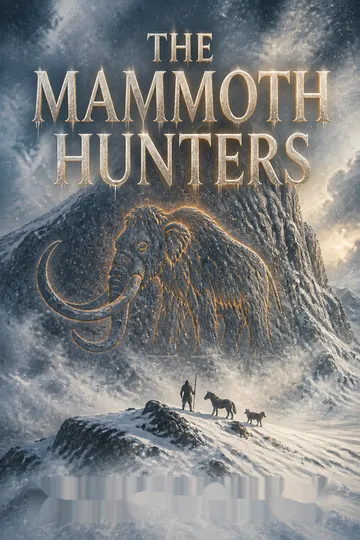
About the Author
Other books by Jean M. Auel
Download PDF
Download EPUB
.epub digital book format is ideal for reading ebooks on phones, tablets, and e-readers.








































