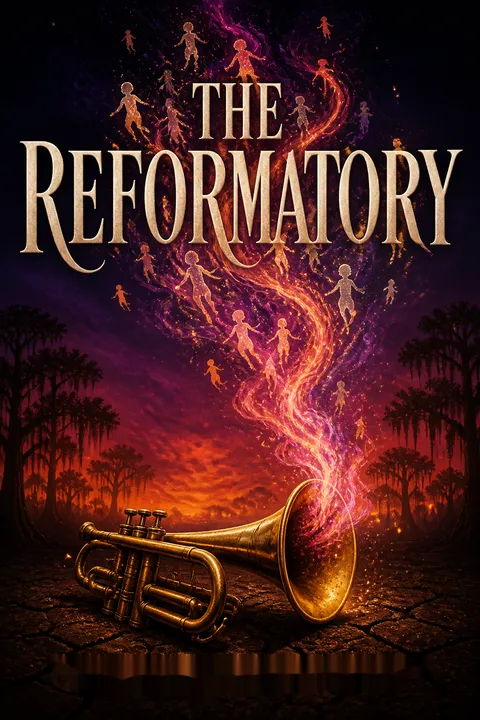

Plot Summary
Shadows on McCormack Road
Robert Stephens, a twelve-year-old Black boy in 1950s Florida, wakes each day longing for his dead mother and absent father. He and his older sister Gloria live in poverty, their lives shaped by the legacy of slavery and the ever-present threat of white violence. The scent of frying ham from the nearby McCormack turpentine camp taunts his hunger, while the memory of his mother's gentle presence lingers as a shadow. Robert's world is one of deprivation, but also of hope—he dreams of joining his father in Chicago, escaping the suffocating grip of Gracetown's racial hierarchy. Yet, even in these early moments, the specter of loss and injustice hovers, foreshadowing the ordeal to come.
Hunger and the Kick
Driven by hunger and humiliation over ill-fitting boots, Robert's simmering frustration boils over when he and Gloria encounter Lyle McCormack, the privileged white neighbor. Lyle's unwanted attention toward Gloria and casual aggression ignite Robert's protective instincts. In a flash, Robert kicks Lyle in the knee—a forbidden act for a Black child in the Jim Crow South. The violence is witnessed by Lyle's father, Red McCormack, who responds with a brutal blow to Robert's head. This single act, born of desperation and love, sets in motion a chain of events that will tear Robert from his family and thrust him into the machinery of racialized punishment.
Arrested at Dawn
The next morning, a deputy arrives to arrest Robert. Gloria's pleas and explanations fall on deaf ears; the law is not interested in justice, only in upholding white supremacy. Robert is handcuffed and taken to the courthouse, bewildered and terrified. Gloria, powerless but determined, follows, hoping to advocate for her brother. The siblings are swept into a world where Black children are disposable, and the machinery of the state grinds on with impersonal cruelty. The community's long memory of violence and retribution hangs over them, and Gloria's sense of helplessness deepens as she realizes how little protection her family name or good behavior can offer.
Judge's Sentence, Family's Grief
In a courtroom where Black voices are silenced, Robert stands before Judge Morris. The proceedings are swift and one-sided; Robert's confession is extracted without context, and Gloria's attempts to explain are dismissed. The judge sentences Robert to six months at the Gracetown School for Boys—the Reformatory—warning that worse awaits if he ever returns. The sentence is a death knell for Gloria's hopes, and Robert's tears echo the grief of a family already fractured by loss and exile. Gloria's resolve hardens: she will do whatever it takes to bring her brother home, even as the system conspires to keep them apart.
The Reformatory Gates
Robert is transported to the Reformatory by a white social worker, Mr. Loehmann, whose brief kindness cannot shield him from what awaits. The institution's redbrick façade and manicured lawns mask a place of cruelty and exploitation. Gloria and Miz Lottie, Robert's godmother, arrive too late to intervene, forced to watch as he is processed into a world ruled by Superintendent Haddock. The Reformatory is a microcosm of Jim Crow Florida: segregated, brutal, and haunted by the ghosts of past atrocities. Robert's fear is palpable as he is stripped, inspected, and threatened, his childhood slipping away with each indignity.
Haddock's Domain
Superintendent Haddock, a man shaped by his own traumas and a legacy of violence, establishes his absolute authority. He wields the Bible and the strap with equal fervor, warning Robert that disobedience will be met with blood. The institution's motto—"He that spareth his rod hateth his son"—is a justification for relentless punishment. Haddock's office reeks of smoke and secrets, and his fixation on discipline is tinged with something darker. Robert's terror is so great that he wets himself, a humiliation that marks his entry into a world where pain is routine and mercy is absent.
Ghosts and New Friends
Robert is introduced to Boone, a Black dorm master whose cruelty rivals that of the white staff. Boone's warnings are laced with threats, and Robert quickly learns that survival depends on obedience and invisibility. In the classroom and kitchen, he meets Redbone and Blue, boys who become his first friends in this hostile environment. Yet, even friendship is fraught—violence and betrayal lurk everywhere, and the Reformatory is haunted not only by the living but by the restless spirits of boys who died in its care. Robert's sensitivity to these haints becomes both a curse and a strange source of power.
Gloria's Desperation
Gloria, left behind, navigates a world of white indifference and Black vulnerability. She seeks help from Miss Anne, her white employer, and from the NAACP, but finds doors closed and sympathies limited. The McCormacks' influence is insurmountable, and even well-meaning allies are constrained by fear and self-interest. Gloria's anger at her father's absence and her own powerlessness simmers, but she refuses to give up. She writes letters, seeks legal aid, and endures humiliation, all while haunted by the knowledge that time is running out for Robert.
Haints in the Kitchen
In the kitchen, Robert's encounters with the supernatural intensify. He sees the ghost of a white boy with a knife in his back, a victim of the Reformatory's long history of violence. Redbone and Blue, his companions, reveal their own scars and secrets. The boys share stories of haints, of children who died in fires or were buried in unmarked graves. The line between the living and the dead blurs, and Robert's ability to see and sense these spirits marks him as different. Yet, the greatest danger comes from the living—older boys, guards, and the ever-present threat of the Funhouse, the institution's torture chamber.
Letters, Fires, and Fears
Gloria's efforts to free Robert are met with escalating hostility. The family's cabin is burned, a warning to those who challenge the status quo. The Black community is besieged, and memories of past massacres and lynchings resurface. Gloria finds temporary refuge with Mrs. Hamilton, a music teacher at the Reformatory, who becomes an unexpected ally. The supernatural is ever-present—stories of curses, restless spirits, and blood-soaked soil reinforce the sense that Gracetown is a place where evil lingers. Gloria's determination is undiminished, but the cost of resistance grows heavier.
The Funhouse Whipping
Robert is accused of plotting escape and is taken to the Funhouse for punishment. The beating is brutal, administered by Haddock and his men with sadistic relish. Robert's back is torn open, and he is left in the infirmary, where he bonds with Redbone and Mrs. Hamilton. The experience is transformative—Robert's innocence is shattered, but his resolve to survive hardens. The Funhouse is a place of both physical and spiritual torment, and the ghosts of past victims linger, their suffering echoing in Robert's own pain. The institution's cruelty is laid bare, and the line between discipline and torture is obliterated.
Band, Betrayal, and Escape Plans
Mrs. Hamilton recruits Robert for the Reformatory's band, recognizing his talent and offering a rare respite from suffering. Music becomes a lifeline, a way to reclaim a piece of his humanity. Yet, even in this sanctuary, danger lurks—Haddock's interest in Robert is predatory, and Boone's manipulation grows more insidious. Blue, revealed to be a ghost from the 1920 fire, enlists Robert's help in freeing the trapped spirits. Redbone and Robert plot escape, drawing on Gloria's coded messages and the support of allies inside and outside the institution. The possibility of freedom glimmers, but betrayal and violence threaten at every turn.
The Failed Rescue
Gloria's attempts to secure Robert's release through legal means are thwarted by Judge Morris and the entrenched power of the McCormacks. The NAACP lawyer's intervention is rebuffed, and the community's fear of white retribution stifles collective action. The burning of the family's home and the arrest of Uncle June and Waymon underscore the peril of resistance. Gloria and Miz Lottie are left to plan Robert's escape alone, their hopes pinned on a desperate, dangerous plan. The sense of isolation and impending doom is palpable, as the forces arrayed against them seem insurmountable.
Redbone's Fate
As Robert and Redbone's escape plan unfolds, tragedy strikes. Redbone is killed in the Box, a punishment cell, after being set up by Boone and Cleo. The loss devastates Robert, who is forced to bury his friend in Boot Hill, the Reformatory's graveyard for forgotten boys. The burial is a moment of collective mourning, but also of resolve—Robert plays taps on his trumpet, honoring Redbone's memory and vowing to carry on. The ghosts of the past demand justice, and Robert's sense of purpose crystallizes. The cost of survival is steep, and the line between victim and survivor blurs.
The Great Escape
With the help of Blue and Gloria's coded map, Robert breaks into Haddock's office, stealing incriminating photographs and the jar containing the ashes of trapped haints. He escapes through a hole in the fence, running through the cornfields and into the woods, pursued by Haddock, Boone, and the bloodhounds. The chase is harrowing—Robert is guided by the spirits of Redbone and Blue, as well as the memory of his mother. The supernatural and the real converge as Robert navigates the treacherous landscape, every step a gamble between life and death.
The Hunt in the Woods
Haddock and his men, armed and furious, unleash the dogs and the full force of the institution to hunt Robert down. The woods become a battleground, haunted by the ghosts of past victims and the violence of the present. Gloria, waiting at the railroad trestle with Miz Lottie, is wracked with fear and determination. The community's complicity and silence are laid bare, as the machinery of white supremacy grinds on. Robert's flight is both physical and spiritual—a test of endurance, faith, and the power of memory.
Blood at the Creek
The chase culminates at the creek, where Robert is cornered by Haddock. Gloria intervenes, armed and resolute, but it is the intervention of the haints—led by Blue and the spirits freed from the jar—that turns the tide. Haddock is killed by his own dog, a moment of supernatural justice that echoes the violence he inflicted on so many. Crutcher, wounded but alive, helps cover their escape. The cost of freedom is paid in blood, but the cycle of violence is broken, if only for a moment. The dead are honored, and the living seize their chance to flee.
Freedom's Train
Gloria, Robert, and Miz Lottie escape to Tallahassee, boarding a train to Chicago and the promise of reunion with Papa. The journey is fraught with fear and uncertainty, but also with hope and relief. The scars of their ordeal linger, but the bonds of family and the memory of those lost sustain them. In Chicago, they are greeted by their father, and the possibility of a new life beckons. The ghosts of Gracetown remain, but the cycle of suffering is interrupted. The story ends with a vision of freedom hard-won, and the enduring power of love, memory, and resistance.
Analysis
A haunting indictment of systemic violence and the resilience of Black familiesThe Reformatory is a powerful reimagining of the American coming-of-age story, set against the backdrop of Jim Crow Florida and the real-life horrors of the Dozier School for Boys. Tananarive Due weaves together historical realism and supernatural elements to expose the enduring trauma of racial violence and the complicity of institutions in perpetuating suffering. The novel's dual narrative structure allows for a nuanced exploration of both individual and collective resistance, highlighting the ingenuity and courage required to survive and challenge oppression. The presence of ghosts—haints—serves as a potent metaphor for the persistence of memory and the demand for justice, reminding readers that the past is never truly past. At its core, The Reformatory is a story of love, sacrifice, and the unbreakable bonds of family. It confronts the reader with uncomfortable truths about America's history while offering a vision of hope rooted in solidarity, remembrance, and the refusal to be broken. The lessons are urgent and enduring: justice requires both the reckoning with history and the courage to act, even when the odds seem insurmountable.
Review Summary
The Reformatory is a powerful, heartbreaking novel blending historical fiction and horror. Set in 1950s Jim Crow Florida, it follows 12-year-old Robbie, unjustly sent to a brutal reformatory school, and his sister Gloria's efforts to free him. Readers praise Due's masterful storytelling, vivid characters, and seamless incorporation of supernatural elements. The book's unflinching portrayal of racism and systemic injustice deeply affected many, though some found it overly long. Most consider it a must-read, highlighting its importance in confronting difficult historical truths.
People Also Read



Characters
Robert Stephens
Robert is a twelve-year-old Black boy whose life is shaped by loss, poverty, and the ever-present threat of racial violence. Orphaned by his mother's death and his father's exile, Robert is thrust into the Reformatory after a moment of defiance. He is sensitive to the supernatural, able to see and feel the presence of haints—ghosts of children who died in the institution. Robert's journey is one of survival, adaptation, and the gradual hardening of innocence. He forms fragile friendships with Redbone and Blue, navigates betrayal and brutality, and ultimately becomes both a witness and an agent of justice. His psychological arc is marked by trauma, guilt, and the struggle to retain hope in a world designed to crush him.
Gloria Stephens
Gloria, Robert's older sister, is both mother and advocate in the absence of their parents. She is intelligent, articulate, and unyielding in her quest to free her brother. Gloria's relationships—with Miz Lottie, Miss Anne, and the broader Black community—are shaped by the intersecting pressures of race, gender, and class. She is haunted by guilt over her perceived failures and by the weight of family history. Gloria's psychological journey is one of growing agency: she moves from helplessness to action, risking everything to orchestrate Robert's escape. Her love for her brother is the emotional core of the novel, and her willingness to confront danger and injustice is both her strength and her burden.
Superintendent Fenton J. Haddock
Haddock is the superintendent of the Reformatory, a man whose authority is absolute and whose cruelty is both personal and institutional. He is shaped by his own childhood traumas and a legacy of violence, justifying his actions through twisted interpretations of scripture and duty. Haddock is both a product and a perpetuator of white supremacy, using the institution to enact his own sadistic impulses. He is haunted—literally and figuratively—by the ghosts of his victims, and his psychological unraveling mirrors the collapse of the system he represents. Haddock's eventual downfall is both supernatural retribution and a reckoning with the evil he has wrought.
Boone
Boone is a Black dorm master whose role is to enforce discipline and maintain order among the boys. He is both victim and perpetrator, navigating the impossible position of authority within a racist institution. Boone's relationship with Robert is marked by threats, manipulation, and occasional moments of reluctant care. He is a practitioner of hoodoo, using "haint dust" to trap spirits, and becomes obsessed with Robert's supernatural abilities. Boone's psychological complexity lies in his internalization of the institution's violence and his struggle to maintain a sense of power in a world that devalues him.
Redbone (August Montgomery)
Redbone is Robert's closest friend in the Reformatory, a boy marked by humor, resourcefulness, and a deep sense of loyalty. He is quick-witted and adaptable, helping Robert navigate the dangers of institutional life. Redbone's fate—killed in the Box after being set up by Boone and Cleo—underscores the precariousness of survival and the cost of resistance. His death is a turning point for Robert, fueling both grief and resolve. Redbone's presence lingers as a ghostly guide, embodying the lost futures of so many boys like him.
Blue (Kendall Sweeting)
Blue is the ghost of a boy who died in the 1920 fire at the Reformatory. He is mischievous, cunning, and at times manipulative, enlisting Robert's help to free the trapped spirits of the institution. Blue's relationship with Robert is complex—he is both friend and tempter, guiding and misleading in equal measure. Blue's motivations are rooted in a desire for justice and release, but his methods are often ambiguous. He embodies the unresolved trauma of the past and the possibility of supernatural intervention in the face of systemic evil.
Miz Lottie
Miz Lottie is Robert and Gloria's godmother, a woman of deep faith and resilience. She is a survivor of past racial violence, carrying the scars of loss and the wisdom of experience. Miz Lottie's home is a sanctuary, cluttered with memories and artifacts of survival. She is both nurturing and pragmatic, offering comfort and tough love in equal measure. Miz Lottie's psychological strength anchors Gloria and Robert, and her willingness to risk everything for their freedom is a testament to the power of community and intergenerational care.
Mrs. Marian Hamilton
Mrs. Hamilton is the Reformatory's band director, a Black woman who becomes an unexpected ally to Robert and Gloria. She is principled, compassionate, and quietly courageous, using music as a means of resistance and healing. Mrs. Hamilton's relationship with her brother, a dorm master, reflects the complexities of complicity and conscience within oppressive systems. She is haunted by her own losses and by the suffering she witnesses, but her commitment to the boys and to justice never wavers.
Cleo
Cleo is an older boy in the Reformatory, a bully whose violence is both a means of survival and a reflection of the institution's corruption. He is manipulated by Boone and Haddock, ultimately killing Redbone in the Box. Cleo's actions are reprehensible, but he is also a victim—shaped by trauma, deprivation, and the relentless logic of the Reformatory. His psychological arc is one of rage, fear, and the desperate search for agency in a world that offers none.
Judge Morris
Judge Morris is the embodiment of the legal system's indifference to Black suffering. He is paternalistic, self-satisfied, and ultimately complicit in the machinery of racialized punishment. Yet, he is not without moments of doubt and discomfort, reflecting the moral ambiguity of those who maintain oppressive systems while convincing themselves of their own fairness. Judge Morris's decisions shape the fate of Robert and Gloria, and his courtroom is a theater of both power and impotence.
Plot Devices
Dual Narrative Structure
The novel alternates between Robert's ordeal inside the Reformatory and Gloria's struggle on the outside. This dual structure heightens tension, allowing readers to experience both the immediacy of institutional brutality and the broader context of community resistance. The parallel narratives converge in the climactic escape, underscoring the interconnectedness of personal and collective liberation.
Supernatural Realism
The presence of haints—restless spirits of children who died in the Reformatory—serves as both a literal and metaphorical device. The supernatural elements externalize the trauma of the past, making visible the suffering that institutions seek to erase. Ghosts function as guides, warnings, and agents of retribution, blurring the line between the living and the dead. This device deepens the novel's exploration of historical memory and the persistence of injustice.
Foreshadowing and Symbolism
From the opening shadows and the scent of frying ham to the recurring images of fire, blood, and music, the novel is rich with foreshadowing and symbolism. The burning of the family's cabin, the haunted kitchen, and the Funhouse all prefigure the violence and resistance to come. Music, especially the trumpet and the band, symbolizes hope, resilience, and the possibility of transformation.
Codes and Coded Communication
Gloria's use of coded letters, maps, and spirituals to communicate escape plans reflects the historical strategies of enslaved and oppressed people. These devices highlight the necessity of subterfuge and the creativity required to resist systems designed to surveil and punish. The coded messages also reinforce the theme of intergenerational wisdom and the transmission of survival knowledge.
Psychological Realism
The novel delves deeply into the psychological states of its characters, using interior monologue, dreams, and supernatural encounters to convey the impact of trauma, grief, and resilience. The shifting perspectives allow readers to inhabit the fears, hopes, and moral dilemmas of both children and adults, making the stakes of survival and resistance intensely personal.
Download PDF
Download EPUB
.epub digital book format is ideal for reading ebooks on phones, tablets, and e-readers.








































