
Plot Summary
Mellon's Deadly Legacy Unveiled
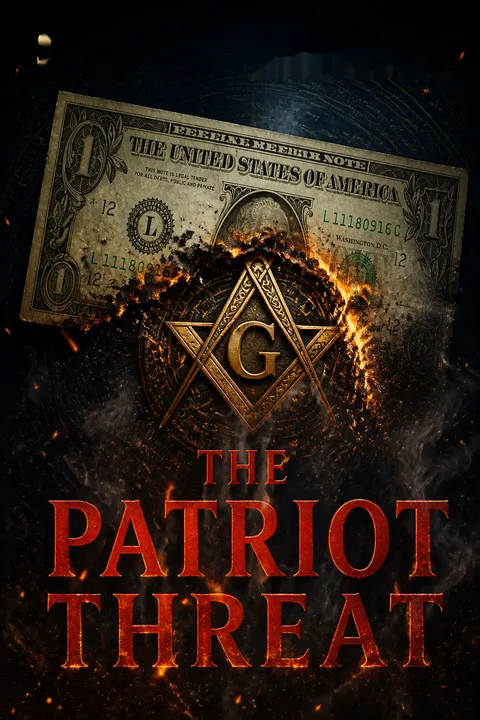
On New Year's Eve 1936, dying financier Andrew Mellon confronts President Franklin Roosevelt in the White House. Their conversation is fraught with animosity, as Mellon, once the most powerful man in American finance, offers a gift: the National Gallery of Art. But beneath the surface, he delivers a veiled threat—a cryptic note and a marked dollar bill, hinting at devastating secrets buried in America's past. Mellon's challenge is personal and political, a final act of revenge against Roosevelt's relentless pursuit. The encounter sets in motion a decades-long quest, as the president is left with a puzzle that could unravel the very fabric of the nation. The emotional tension is palpable, as two titans of history clash, each determined to shape the country's destiny.
North Korean Ambitions Ignite
Kim Yong Jin, disgraced eldest son of North Korea's ruling family, is exiled and embittered. Living in Macao, he dreams of reclaiming his birthright and toppling his half-brother, the current Dear Leader. Kim's discovery of a radical American conspiracy theory—centered on the 16th Amendment and the legality of the U.S. income tax—offers him a weapon more powerful than any missile. He orchestrates a complex scheme, recruiting his daughter Hana and American outcasts, to obtain documents that could cripple the United States. Kim's psychological wounds, shaped by betrayal and humiliation, fuel his ambition. His vision is not just personal redemption, but the destruction of the American system itself, using law and history as his arsenal.
The Venice Bloodbath
Cotton Malone, former U.S. agent, is sent to Venice to observe a secret North Korean cash transfer. Instead, he's thrust into chaos as a planned handoff erupts in violence. Malone narrowly survives a helicopter explosion and a deadly pursuit through the Venetian lagoon, realizing he's stumbled into a global conspiracy. The $20 million intended for North Korea is lost, and the players—spies, traitors, and assassins—are left scrambling. Malone's sense of duty and his longing for connection are tested as he's drawn deeper into a web of lies, with every move shadowed by unseen enemies. The emotional stakes rise as Malone is forced to confront his own isolation and the ghosts of his past.
The Stolen Patriot Papers
Paul Larks, a disgruntled former Treasury official, possesses a black satchel filled with explosive documents: proof of a massive historical fraud involving the U.S. income tax and an unpaid Revolutionary War debt. As Larks is murdered, the satchel vanishes, passing through the hands of Jelena, a mysterious courier, and into the sights of Kim, Malone, and Treasury agent Isabella Schaefer. The hunt for the satchel becomes a race against time, with each faction desperate to control the truth. The emotional toll mounts as alliances fracture, innocents are sacrificed, and the line between patriotism and treason blurs.
American Shadows and Betrayals
Back in the U.S., Stephanie Nelle, head of the Magellan Billet, uncovers a breach in her agency and a tangled web of government intrigue. Treasury Secretary Joe Levy, acting on presidential orders, orchestrates covert surveillance and blackmail to contain the fallout from Larks' theft. The president himself, Danny Daniels, is drawn into the crisis, balancing national security with the moral cost of secrecy. As the truth about the 16th Amendment and the Salomon debt surfaces, the American leadership faces a dilemma: protect the nation's stability or confront its foundational lies. The emotional arc is one of loyalty, fear, and the burden of power.
The Secret of the Dollar
The marked dollar bill left by Mellon becomes the key to unraveling the conspiracy. Its cryptic symbols—a six-pointed star, the word "Mason"—lead Malone and his allies to a deeper mystery involving Freemasons, the Founding Fathers, and the very legitimacy of the U.S. tax system. The code's solution requires historical insight, legal acumen, and emotional resilience. As the protagonists race to decipher the clues, they confront the weight of history and the fragility of truth. The emotional tension is heightened by the realization that the nation's fate may hinge on a single, overlooked detail.
The Hunt for Howell
Anan Wayne Howell, a tax protester and fugitive, holds the key to the cipher and the location of the original documents. Malone, Isabella, and Kim converge on Howell, each with their own motives—justice, containment, or destruction. The pursuit spans Venice, Croatia, and the Adriatic, culminating in a deadly chase aboard a ferry and a desperate escape. Howell's idealism and paranoia collide with the ruthless pragmatism of his pursuers. The emotional core is the cost of obsession: Howell's love, Jelena, is killed, and he is forced to choose between personal vengeance and the greater good.
The Salomon Debt Mystery
The story of Haym Salomon, a Jewish financier of the American Revolution, emerges as a parallel narrative. Salomon's unpaid loans to the fledgling U.S. government represent both a literal and symbolic debt—one that, if acknowledged, could bankrupt the nation. The documents in the satchel include promissory notes and evidence of deliberate cover-up by Mellon and others. The emotional resonance is profound: the struggle for justice, the erasure of memory, and the question of what a nation owes its founders. The Salomon debt becomes a metaphor for America's unresolved contradictions.
The Cipher and the Code
The heart of the conspiracy is a substitution cipher, modeled after the legendary Beale ciphers, using the Virginia Declaration of Rights as its key. Malone, with help from Isabella and Luke, deciphers the code, which leads to a hidden compartment in a famous painting and, ultimately, to Mellon's final resting place. The process is fraught with danger, as Kim and his North Korean pursuers close in. The emotional journey is one of intellectual triumph, but also of loss, as the cost of truth becomes clear.
Train to Solaris
The climax unfolds on a night train to Solaris, a remote Croatian town. Kim, Hana, Howell, and the Americans are trapped with North Korean assassins and Chinese agents closing in. Betrayals and shifting alliances culminate in a violent showdown. Hana, scarred by her childhood in North Korean labor camps, faces her father's monstrous legacy. In a moment of defiance, she destroys the last piece of evidence, sacrificing herself to deny her father victory. The emotional peak is one of catharsis and tragedy, as the sins of the past are confronted in blood and fire.
The Final Reckoning
In the church at Solaris, Kim kills his daughter for her betrayal, only to be confronted and executed by Malone. The original code is burned, the documents are destroyed, and the threat to America is contained—at a terrible human cost. Isabella and Luke survive, but Howell dies from his wounds. The emotional aftermath is one of exhaustion, relief, and unresolved grief. The protagonists are left to grapple with the moral ambiguity of their actions and the price of national security.
The Patriot's Dilemma
Back in the U.S., Stephanie and Levy recover Mellon's hidden cache: the original Salomon promissory notes and a solicitor's memo proving the 16th Amendment's ratification was flawed. They face an impossible choice: reveal the truth and risk the collapse of the American system, or destroy the evidence and perpetuate the lie. The emotional core is the burden of leadership—the knowledge that some truths are too dangerous to expose. In a quiet, somber act, they burn the documents, choosing stability over justice.
Secrets Buried, Truths Burned
The final secrets are hidden forever. The Chinese, North Koreans, and all other players are left with nothing but ashes and rumors. The American leadership pardons minor tax offenders, seeking a measure of redemption. The emotional resolution is bittersweet: the nation is saved, but at the cost of honesty and the hope for true reckoning. The characters are changed—some hardened, some haunted, all marked by the weight of what they have done.
Aftermath and New Beginnings
Malone returns to Copenhagen, his soul heavy with loss but his sense of duty intact. Isabella and Luke find new respect for each other, their partnership forged in crisis. Stephanie and the president reflect on the meaning of patriotism, the necessity of secrets, and the price of power. The emotional arc closes with a sense of weary hope: the world has been saved, but the wounds of history remain. The story ends not with triumph, but with the quiet resilience of those who carry the nation's burdens in silence.
Analysis
Steve Berry's The Patriot Threat is a masterful blend of historical intrigue and contemporary thriller, using the lens of a forgotten debt and a constitutional mystery to explore the fragility of national identity. The novel interrogates the meaning of patriotism, the ethics of secrecy, and the costs of power. Through its complex characters—each wrestling with loyalty, trauma, and ambition—it reveals that the greatest threats to a nation often come not from without, but from within: from the secrets we keep, the debts we ignore, and the truths we bury. The story's emotional arc is one of tension, loss, and reluctant hope, as the protagonists are forced to choose between justice and survival. Berry's narrative suggests that history is never truly past, and that the choices of individuals—whether out of love, revenge, or duty—can shape the fate of nations. The ultimate lesson is sobering: sometimes, to save what we cherish, we must live with the burden of what we cannot reveal.
Review Summary
The Patriot Threat, the tenth Cotton Malone thriller by Steve Berry, receives mixed reviews averaging 3.98 stars. Readers praise Berry's historical research, particularly regarding the 16th Amendment's questionable ratification and income tax legality. Many appreciate the international intrigue involving North Korea and the blend of fact with fiction. However, critics note repetitive historical details, information overload about taxes, weak character development, and overly long chase sequences. While some find it a page-turner with fascinating conspiracy theories, others consider it slow-paced and less engaging than earlier installments. The complex plot and extensive research divide readers between those captivated and those overwhelmed.
People Also Read




Characters
Cotton Malone
Cotton Malone is a former U.S. Justice Department operative, now a bookseller in Copenhagen, drawn back into the world of espionage by a sense of duty and unfinished business. His relationships are marked by loss—estranged from his ex-wife, separated from his lover Cassiopeia, and isolated by the demands of his work. Malone's psychological profile is defined by loyalty, resourcefulness, and a deep-seated need for connection, even as he is repeatedly forced to act alone. Throughout the story, he is the moral center, wrestling with the ethical costs of secrecy and violence. His development is a journey from reluctant participant to decisive actor, ultimately choosing the greater good over personal peace.
Kim Yong Jin
Kim Yong Jin is the exiled eldest son of North Korea's ruling family, consumed by resentment and a desire for redemption. His psychological makeup is a volatile mix of wounded pride, intellectual ambition, and inherited ruthlessness. Kim's relationship with his daughter Hana is complex—marked by both dependence and emotional distance. He manipulates allies and enemies alike, viewing people as tools for his grand design. Over the course of the narrative, Kim's obsession with destroying America becomes self-destructive, culminating in his betrayal and death at the hands of those closest to him. His arc is a tragic study in the corrosive power of legacy and revenge.
Hana Sung
Hana Sung, Kim's illegitimate daughter, is shaped by a childhood spent in North Korean labor camps. Her psyche is scarred by trauma, deprivation, and the loss of innocence. Hana's loyalty to her father is transactional, rooted in survival rather than love. As the story unfolds, she becomes increasingly aware of her own agency, ultimately choosing to defy and destroy her father's ambitions. Her final act—burning the crucial evidence and sacrificing herself—represents both a personal and symbolic victory over the cycle of abuse. Hana's development is a poignant exploration of resilience, identity, and the possibility of redemption.
Stephanie Nelle
Stephanie Nelle is the head of the Magellan Billet, a seasoned intelligence chief navigating the treacherous waters of interagency politics and national crisis. Her relationships—with Malone, the president, and her own staff—are defined by trust, mentorship, and a willingness to shoulder impossible burdens. Psychologically, Stephanie is pragmatic, empathetic, and haunted by the knowledge that some truths must remain hidden. Her arc is one of ethical struggle, as she balances the demands of security with the imperatives of justice. In the end, she chooses to protect the nation, even at the cost of her own ideals.
Isabella Schaefer
Isabella Schaefer is a Treasury Department agent, driven by a fierce sense of duty and a need to prove herself in a male-dominated world. Her psychological profile is marked by rigidity, perfectionism, and a suppressed vulnerability. Initially isolated and mistrustful, Isabella learns to collaborate and adapt, earning the respect of Malone and Luke. Her first kill is a turning point, forcing her to confront the realities of violence and the limits of law. By the story's end, she emerges as a capable, trusted operative, her identity forged in crisis.
Luke Daniels
Luke Daniels, nephew of the president and Magellan Billet agent, is Malone's loyal partner and foil. His Southern charm masks a sharp intellect and a willingness to bend rules for the greater good. Luke's relationships are defined by camaraderie and a desire to prove himself outside his family's shadow. Psychologically, he is adaptable, courageous, and quick-witted, providing both comic relief and emotional support. His development is one of growing confidence and maturity, as he navigates the complexities of international intrigue.
Anan Wayne Howell
Howell is a tax protester and self-styled patriot, whose obsession with the 16th Amendment leads him into exile and, ultimately, death. His psychological makeup is a blend of paranoia, intellectual fervor, and longing for recognition. Howell's relationship with Jelena, and his alliance with Malone, are marked by desperation and hope. In the end, his idealism is both his strength and his undoing, as he is manipulated by forces beyond his control. Howell's arc is a meditation on the costs of truth-seeking and the dangers of fanaticism.
Joe Levy
Joe Levy, Secretary of the Treasury, is a career bureaucrat caught between loyalty to the president and the demands of national security. His psychological profile is defined by caution, intelligence, and a willingness to bend rules for the perceived greater good. Levy's actions—covering up the truth, orchestrating covert operations—are motivated by fear of chaos and a sense of responsibility. His arc is one of moral compromise, as he chooses stability over transparency, bearing the weight of secrets that could destroy the nation.
Danny Daniels
President Danny Daniels is a larger-than-life figure, blending Southern charm with political acumen. His relationships—with Stephanie, Levy, and the nation—are marked by trust, humor, and a deep sense of duty. Psychologically, Daniels is pragmatic, resilient, and haunted by the knowledge that leadership often requires impossible choices. His arc is one of acceptance: recognizing that some truths must be buried for the greater good, and that patriotism sometimes means living with the consequences of silence.
Haym Salomon
Though long dead, Haym Salomon's legacy haunts the narrative. A Jewish financier who bankrolled the American Revolution, his unpaid debts become a metaphor for the nation's unresolved moral obligations. Salomon's story is one of sacrifice, erasure, and the enduring quest for recognition. His presence in the narrative serves as a reminder of the costs of freedom and the dangers of forgetting the past.
Plot Devices
Historical Conspiracy as Engine
The novel's central device is the intertwining of real historical mysteries—the ratification of the 16th Amendment, the unpaid Salomon debt, and the symbolism of the dollar bill—with a modern-day thriller. The narrative structure alternates between past and present, using flashbacks, diary entries, and hidden codes to build suspense. Foreshadowing is employed through Mellon's cryptic threats and the recurring motif of the marked dollar bill, signaling that the past will erupt into the present. The use of a Beale-style cipher, requiring both historical knowledge and emotional insight, creates a layered puzzle that mirrors the characters' psychological journeys. The story's climax is shaped by the convergence of multiple plotlines—espionage, personal vendetta, and national crisis—culminating in a moral reckoning that leaves no one unscathed.
Cotton Malone Series
















About the Author
Other books by Steve Berry

Download PDF
Download EPUB
.epub digital book format is ideal for reading ebooks on phones, tablets, and e-readers.








































