
Plot Summary
Lincoln's Secret Bargain
In the crucible of the Civil War, President Abraham Lincoln faces a nation on the brink of collapse. Desperate to keep the West loyal, he strikes a secret bargain with Brigham Young, leader of the Mormons, offering a mysterious document as collateral—one that could unravel the very fabric of the Union. This document, passed from president to president since Washington, is hidden away in Utah, its contents known only to a select few. Lincoln's actions are driven by pragmatism, not idealism, and his willingness to compromise on slavery and statehood reveals the complexity of his leadership. The seeds of future conflict are sown, as the true nature of the Union and the rights of states are called into question, setting the stage for a modern-day reckoning.
Blood and Revelation
In the present, Josepe Salazar, a high-ranking Mormon elder, is haunted by visions of an angel who urges him to embrace the old ways—blood atonement and the secretive Danites. As Salazar tortures and ultimately kills a U.S. agent, convinced it is a holy act, the line between faith and fanaticism blurs. The echoes of 19th-century violence resurface, revealing how religious zeal can be twisted into justification for murder. Salazar's actions are not isolated; they are part of a larger, clandestine movement within the church, one that believes the time has come to fulfill ancient prophecies and reclaim Zion, no matter the cost in blood.
The Prophet's Gold
The legend of the lost Mormon gold—22 wagons vanished in the Utah wilderness—becomes a focal point for both the church and its enemies. Senator Thaddeus Rowan, an apostle and political powerhouse, discovers the truth: the gold was never lost but used to build the Mormon economy and fund the church's ambitions. The gold's hiding place, Falta Nada, is more than a treasure trove; it is a symbol of the church's independence and a potential war chest for secession. The discovery of the wagons and the bodies of murdered Saints reignites old wounds and ambitions, as Rowan plots to use the gold and the secret document to lead Utah out of the Union.
Danites in the Shadows
The Danites, long thought extinct, are reborn under Salazar's leadership. These fanatical enforcers operate in the shadows, eliminating threats and enforcing obedience through fear and violence. Their existence is a closely guarded secret, even within the church hierarchy. As Cotton Malone, a retired U.S. agent, and his allies close in, the Danites become both hunters and hunted. The struggle between modern law and ancient loyalty plays out across Europe and America, with betrayals on all sides. The Danites' actions threaten to drag the church and the nation into chaos, as old vendettas and new ambitions collide.
The White Horse Prophecy
The White Horse Prophecy, attributed to Joseph Smith, foretells a time when the U.S. Constitution will hang by a thread and the Mormons—the White Horse—will save the nation. For Salazar and Rowan, this prophecy is not mere legend but a call to action. They believe the time has come to fulfill it by leading Utah and other states in secession, using the Founders' secret document as legal justification. The prophecy becomes a rallying cry, blending religious destiny with political revolution. Yet, its authenticity is suspect, and its interpretation divisive, fueling both hope and fanaticism among the faithful and the fearful alike.
The Constitution's Thread
The heart of the conflict is the question of secession: is it legal, or treason? Madison's hidden notes, discovered at Montpelier, reveal that the Founders did contemplate a right to withdraw from the Union, but kept it secret to ensure ratification. The Supreme Court's ruling in Texas v. White, which declared secession unconstitutional, is exposed as a political decision, not a legal one. As Rowan assembles a team of legal experts and political operatives, the stage is set for a constitutional crisis. The fate of the nation hangs on the interpretation of history, the meaning of the Constitution, and the contents of a document lost to myth.
Betrayals and Alliances
Malone, Cassiopeia Vitt, and Luke Daniels are drawn into a web of shifting loyalties. Cassiopeia, once Salazar's lover, is recruited by U.S. intelligence to get close to him, but her feelings and loyalties are torn. Stephanie Nelle, Malone's former boss, manipulates her agents and allies, keeping secrets even from those she trusts most. Rowan and Salazar, once united, are divided by ambition and conscience. Betrayals multiply as the stakes rise, and no one is sure who to trust. Personal relationships are tested to the breaking point, and the cost of loyalty becomes deadly.
The Book and the Watch
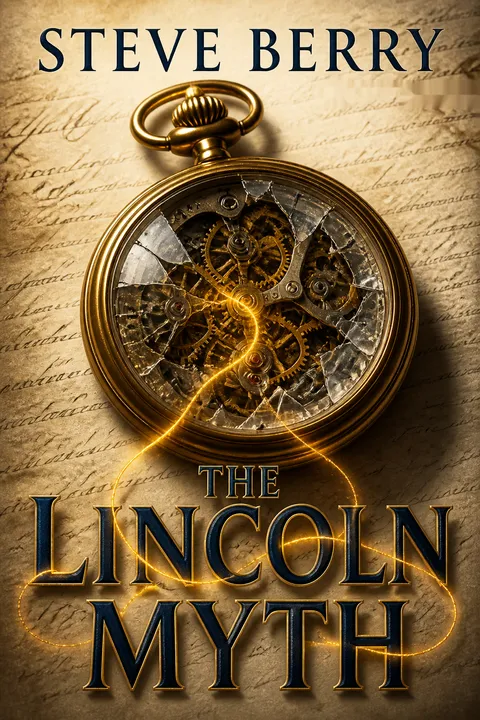
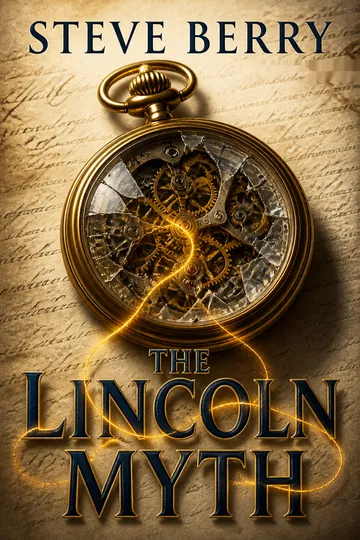
Two objects become the focus of the hunt: an original 1830 Book of Mormon, and Abraham Lincoln's pocket watch. The book, containing a coded map, and the watch, inscribed with the final clue, together reveal the location of the Founders' secret document. Malone and Cassiopeia race Salazar and his Danites across Europe and America, from Copenhagen to Salzburg to Iowa, each step bringing them closer to the truth—and to deadly confrontation. The artifacts are more than relics; they are the keys to the nation's fate, and whoever controls them can shape history.
Secession's Legal Firestorm
Rowan's plan to lead Utah out of the Union is meticulously prepared: legislative votes, legal arguments, and public support are all in place. Other states—Texas, Alaska, Hawaii, Vermont, Montana—are poised to follow. The federal government, led by President Danny Daniels, faces an unprecedented challenge. The courts, the media, and the public are swept into a firestorm of debate over the meaning of the Union and the right to self-determination. The revelation of Madison's notes and the threat of the Founders' document force the nation to confront its deepest fears and divisions.
The Red Horse Rides
Malone, Luke, and Stephanie are cast as the "Red Horse" of prophecy—unexpected saviors of the Constitution. As the crisis escalates, they must stop Rowan and Salazar from unleashing the document that could destroy the United States. Their mission is complicated by personal loyalties, moral ambiguity, and the knowledge that their actions may require murder in the name of the greater good. The line between justice and vengeance blurs, and the agents must decide how far they are willing to go to save the nation.
Falta Nada's Hidden Truth
All paths converge at Falta Nada, the secret cave in the Utah mountains where Brigham Young hid the gold and the document. Rowan, Salazar, Cassiopeia, and the agents face off in a deadly standoff. Betrayals are revealed, alliances shattered, and the true cost of fanaticism is paid in blood. The document is not there; it has been moved, its secret kept by the church's prophet. In the darkness of the cave, faith, ambition, and love collide, and only violence can resolve the impasse. The dream of a new Zion dies with its most fervent believers.
The End of Zion's Dream
Rowan is killed by Salazar, who is then gunned down by Malone. Cassiopeia, shattered by betrayal and loss, severs all ties with Malone and the past. The Mormon dream of an independent Zion is buried with its architects, and the church's leadership chooses secrecy and survival over revolution. The federal agents, haunted by what they have done, return to their lives, knowing that justice and truth are not always the same. The nation is saved, but at a terrible personal cost to all involved.
Love, Loss, and Atonement
In the aftermath, Cassiopeia buries Salazar in Spain, mourning the man he was and the man he became. Malone returns to Copenhagen, burdened by guilt and loss, uncertain if he will ever see Cassiopeia again. Stephanie and Luke grapple with the moral ambiguity of their actions, questioning whether the ends justified the means. The survivors are left to atone for their choices, each seeking redemption in their own way. The story ends not with triumph, but with the quiet ache of love lost and innocence destroyed.
The Myth of Union
The true story of the Union, the Civil War, and Lincoln's choices is revealed to be more complex and ambiguous than the myths taught in schools. The Founders' intent, the legality of secession, and the meaning of the Constitution are all shrouded in secrecy and manipulation. The document that could have destroyed the nation is hidden away, its existence denied. The myth of an indivisible Union endures, not because it is true, but because it is necessary. The nation survives on stories, not facts, and the greatest enemy of truth is the myth that will not die.
The Last Sacrifice
The violence that began with the early Saints ends in the cave at Falta Nada. The doctrine of blood atonement, long repudiated, claims its last victims. Salazar, driven mad by faith and betrayal, becomes both executioner and sacrifice. Rowan, the architect of secession, is undone by his own creation. The cycle of violence is broken, but only by more blood. The survivors are left to ponder whether any cause is worth such a price, and whether faith can ever justify murder.
The Document in Stone
The Founders' document, the key to secession, is revealed to be hidden in the Washington Monument, sealed in stone by Brigham Young. The current prophet and the president of the United States agree to keep its existence secret, choosing stability over truth. Madison's notes are destroyed, and the myth of the Union is preserved. The story ends with the knowledge that history is written not by the victors, but by those who control the secrets. The nation endures, but the truth remains buried, waiting for another crisis to bring it to light.
Analysis
Steve Berry's The Lincoln Myth is a high-concept thriller that interrogates the foundations of American identity, the dangers of fanaticism, and the power of myth. By weaving together historical fact, plausible speculation, and contemporary political anxieties, Berry crafts a narrative that is both entertaining and thought-provoking. The novel challenges the reader to question the stories we tell about our nation—about Lincoln, the Constitution, and the meaning of union—and to recognize the fragility of the truths we hold sacred. The characters' personal struggles mirror the nation's larger crisis: the tension between loyalty and betrayal, faith and reason, justice and vengeance. Ultimately, the book suggests that the greatest threats to democracy come not from external enemies, but from within—from those who would use faith, law, or myth to justify violence and division. The decision to keep the Founders' document hidden, to preserve the myth of an indivisible Union, is both pragmatic and tragic, a recognition that sometimes survival requires the suppression of truth. The Lincoln Myth is a cautionary tale for a divided age, reminding us that the past is never truly past, and that the choices we make in the name of unity or justice will echo for generations.
Review Summary
The Lincoln Myth receives mixed reviews averaging 3.89 stars. Readers praise Steve Berry's historical research and blending of fact with fiction, particularly regarding Abraham Lincoln, Mormons, and constitutional questions about state secession. Many appreciate the fast-paced action and new character Luke Daniels. However, critics note character inconsistencies, especially with Cassiopeia Vitt, excessive historical exposition, and a plot less compelling than previous Cotton Malone novels. Some readers found the religious focus uncomfortable, while others valued Berry's accurate portrayal of Mormon history. Overall, fans enjoyed it despite considering it weaker than earlier series entries.
People Also Read
Characters
Cotton Malone
Cotton Malone is a former U.S. Justice Department agent, now a Copenhagen bookseller, drawn back into the world of secrets and violence by loyalty and love. His sharp mind, eidetic memory, and combat skills make him a formidable opponent, but he is deeply scarred by past betrayals and losses. Malone's relationship with Cassiopeia Vitt is both his strength and his vulnerability, and his sense of justice is constantly tested by the moral ambiguity of his missions. Throughout the story, Malone is forced to confront the limits of loyalty, the cost of violence, and the pain of love lost. His journey is one of reluctant heroism, as he becomes the last line of defense for a nation on the brink.
Cassiopeia Vitt
Cassiopeia Vitt is a brilliant, independent woman with a complex past—born Mormon, estranged from her faith, and once in love with Salazar. Recruited by U.S. intelligence to get close to Salazar, she is torn between duty and emotion, never fully trusting those around her. Her relationship with Malone is passionate but fraught with mistrust and miscommunication. Cassiopeia's journey is one of self-discovery and loss, as she is forced to betray both her old love and her new, and to confront the darkness within herself and others. In the end, she chooses solitude and atonement, unable to reconcile the violence and betrayal that have defined her life.
Josepe Salazar
Josepe Salazar is a high-ranking Mormon elder, consumed by visions and a sense of divine mission. Driven by the White Horse Prophecy and the belief that he is guided by the angelic spirit of Joseph Smith, Salazar revives the Danites and embraces blood atonement, justifying murder as holy work. His relationship with Cassiopeia is both genuine and possessive, and her betrayal shatters his already fragile psyche. Salazar's descent into madness is both terrifying and pitiable, as he becomes the instrument of his own destruction. He is a study in the dangers of faith unmoored from reason, and the tragic cost of fanaticism.
Thaddeus Rowan
Thaddeus Rowan is both a U.S. senator and a Mormon apostle, a man of immense power and ambition. He is the mastermind behind the plan to lead Utah and other states out of the Union, using the Founders' secret document as legal justification. Rowan is a skilled politician and a true believer, but his conscience is ultimately no match for his ambition. His alliance with Salazar is pragmatic, but he is ultimately undone by the violence he unleashes. Rowan's death is the end of the secessionist dream, and a warning about the dangers of mixing faith and power.
Stephanie Nelle
Stephanie Nelle is the head of the Magellan Billet, a master of secrets and strategy. She manipulates her agents, allies, and even her enemies, always keeping her true intentions hidden. Stephanie's loyalty to the nation is absolute, but her methods are often ruthless. She is willing to sacrifice trust, friendship, and even lives to achieve her goals. Her relationship with Malone is complex, marked by mutual respect and occasional betrayal. Stephanie embodies the moral ambiguity of intelligence work, and her choices drive much of the story's tragedy.
Luke Daniels
Luke Daniels is a talented, brash young agent, nephew of President Danny Daniels, struggling to define himself outside his family's shadow. He is both a warrior and a peacemaker, eager to prove himself but haunted by the weight of expectations. Luke's journey is one of growth and reconciliation, as he learns the cost of violence and the value of forgiveness. His relationship with Malone evolves from rivalry to partnership, and his family's story provides a counterpoint to the larger national drama.
Danny Daniels
President Danny Daniels is a man shaped by personal tragedy and political responsibility. He is both a shrewd operator and a haunted soul, determined to preserve the Union at any cost. Daniels is willing to bend the law, manipulate allies, and even countenance murder to protect the nation. His relationship with Luke and Stephanie is marked by both affection and distance, and his decisions are driven by a deep sense of duty and regret. Daniels represents the burdens of leadership and the loneliness of power.
Charles R. Snow
Charles R. Snow is the aging prophet of the Mormon church, a man of wisdom and restraint. He is the keeper of the church's deepest secrets, including the location of the Founders' document. Snow is torn between loyalty to his faith and the need to protect the nation from destruction. He ultimately chooses secrecy and survival over revolution, refusing to unleash the chaos that Rowan and Salazar desire. Snow's role is that of the wise elder, the voice of conscience in a world gone mad.
Barry Kirk
Barry Kirk is Salazar's assistant, a supposed defector who is actually a Danite plant. His duplicity sets in motion much of the early action, as he manipulates both sides and ultimately pays with his life. Kirk's role is that of the expendable pawn, a reminder of how individuals are used and discarded in the pursuit of larger goals.
Katie Bishop
Katie Bishop is a young historian who becomes entangled in the search for Madison's notes. Her expertise and curiosity provide crucial information, and her outsider's perspective offers a counterpoint to the fanaticism and secrecy of the main players. Katie's role is that of the voice of reason, a reminder of the value of truth and the dangers of myth.
Plot Devices
Secret History and Hidden Documents
The narrative is built around the existence of secret documents: a message passed from Washington to Lincoln, Madison's hidden notes, the Founders' secession agreement, and coded clues in a Book of Mormon and Lincoln's watch. These artifacts serve as MacGuffins, propelling the characters across continents and into conflict. The search for these secrets is both a literal and metaphorical quest for the truth about America's founding, the legality of secession, and the nature of power. The documents' ambiguity and the layers of myth surrounding them create tension and uncertainty, forcing characters to confront the difference between history and legend.
Dual Timelines and Historical Parallels
The story weaves together the 19th-century struggles of Lincoln, Brigham Young, and the early Saints with the modern-day crisis of secession and fanaticism. Flashbacks, historical documents, and parallel events highlight the recurring themes of betrayal, faith, and the abuse of power. The use of dual timelines allows the author to explore how the unresolved conflicts of the past continue to shape the present, and how myths become reality when left unchallenged.
Betrayal, Loyalty, and Moral Ambiguity
The plot is driven by shifting alliances, betrayals, and the constant questioning of motives. Characters are forced to choose between loyalty to individuals, institutions, or ideals, often at great personal cost. The moral ambiguity of their choices is a central theme: murder is justified as atonement, secrets are kept for the greater good, and love is sacrificed for duty. The story refuses easy answers, instead forcing characters and readers alike to grapple with the complexity of justice and truth.
Prophecy and Self-Fulfilling Myth
The White Horse Prophecy, whether true or fabricated, becomes a self-fulfilling myth that drives characters to action. The power of belief—religious, political, or personal—is shown to be both creative and destructive. The prophecy's ambiguity allows it to be interpreted in multiple ways, fueling both hope and fanaticism. The story explores how myths, once unleashed, can shape history as powerfully as facts.
Foreshadowing and Narrative Structure
The novel uses foreshadowing through historical documents, coded clues, and character backstories to build suspense and deepen the mystery. The structure alternates between action-driven sequences and reflective, analytical passages, allowing for both emotional engagement and intellectual exploration. The gradual revelation of secrets, the convergence of plotlines at Falta Nada, and the final twist of the document's true location all serve to maintain tension and deliver satisfying payoffs.
Cotton Malone Series
About the Author
Other books by Steve Berry

Download PDF
Download EPUB
.epub digital book format is ideal for reading ebooks on phones, tablets, and e-readers.








































