
Plot Summary
Wind Sings Stories
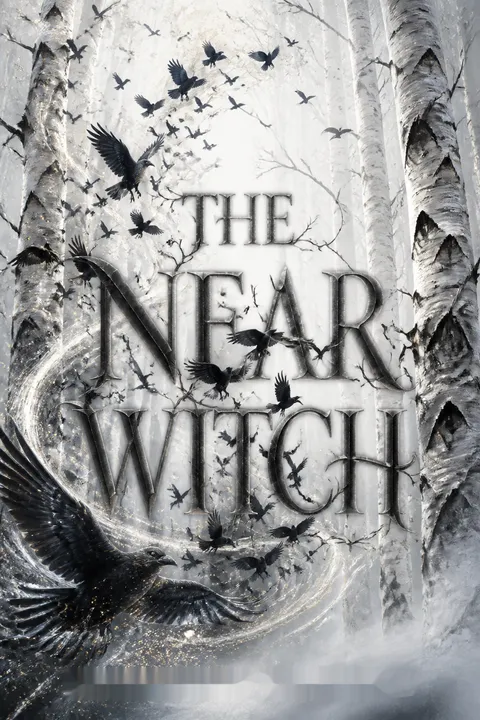
Lexi Harris comforts her younger sister Wren with stories of the Near Witch, a figure both feared and mythologized in their isolated village. The wind, ever-present and mysterious, seems to carry secrets and songs, blurring the line between legend and reality. Lexi's father's stories linger in her mind, shaping her understanding of the moor and its dangers. The night feels different, charged with a strange energy, and Lexi senses a shift in the air—a prelude to change. The wind's song is both lullaby and warning, and as Wren drifts to sleep, Lexi is left with a sense of unease, watching the shadows gather outside her window, the moor stretching endlessly into the unknown.
Stranger on the Moor
Lexi glimpses a mysterious figure at the edge of the moor—a stranger, an impossibility in Near, where everyone is known. The stranger's presence unsettles her, his form blurred and almost insubstantial, as if he is part of the wind itself. The next morning, the village buzzes with rumors and fear. Lexi's curiosity wars with the community's suspicion, and she is drawn to the stranger's enigma. Her uncle Otto, the village Protector, is determined to find and expel the outsider, but Lexi feels a pull toward him, sensing that his arrival is a harbinger of something deeper. The stranger's eyes, dark and shining, haunt her thoughts, and she resolves to uncover his secrets.
Village in Suspicion
The village of Near is a tight-knit, insular community, wary of outsiders and fiercely protective of its traditions. As news of the stranger spreads, suspicion and fear escalate. Lexi's attempts to learn more are stymied by Otto's authority and the villagers' growing paranoia. The children, meanwhile, play games that echo the old witch's rhyme, their innocent songs laced with the history of violence and exile. Lexi's friend Helena becomes a focal point for gossip, and the Council of elders stirs the villagers' anxieties. The stranger's presence becomes a catalyst, exposing the village's underlying tensions and the fragility of its peace.
Children Vanish in Night
The first child, Edgar, vanishes from his bed without a trace, and panic sweeps through Near. Lexi is haunted by the memory of Wren's sleepwalking, drawn to the window by a voice on the wind. The adults organize frantic searches, but the moor yields no clues—no footprints, no signs of struggle. The villagers' fear turns to anger, and suspicion falls squarely on the stranger. Lexi, however, is not convinced of his guilt. She senses a pattern in the disappearances, a connection to the old stories and the restless wind. As more children vanish, the village's unity begins to fracture, and Lexi's determination to find the truth intensifies.
Witch's Rhyme Echoes
The children's games and rhymes, once harmless, now seem prophetic. The Witch's Rhyme, sung in circles, becomes an omen as its verses mirror the unfolding events. Lexi notices that the wind carries the melody at night, and the line between story and reality blurs. The Thorne sisters, Magda and Dreska, the village's outcast witches, hint at deeper truths but remain cryptic. Lexi's investigation leads her to suspect that the force behind the disappearances is not human, but something ancient and wronged. The rhyme's refrain—"The wind is lonely, and always looking for company"—takes on a chilling new meaning.
Sisters of the Edge
Lexi seeks out the Thorne sisters, hoping for answers. The sisters, old as the moor itself, are both feared and needed by the village. They speak in riddles, their knowledge of the moor and its magic profound but guarded. Through them, Lexi learns of the Near Witch's tragic past—her kindness, her exile, and her death at the hands of fearful villagers. The sisters reveal that the moor remembers, and that wrongs done to witches linger in the land. Lexi senses that the solution to the mystery lies in understanding the past, and that the sisters' wisdom will be crucial in what's to come.
Shadows and Secrets
Lexi finally confronts the stranger, learning his name—Cole—and discovering that he, too, is touched by magic. Cole is haunted by his own past, a village destroyed by fear and fire, and his ability to command the wind. He is both powerful and vulnerable, an outsider seeking redemption. Lexi's empathy for him deepens, and a bond forms between them, rooted in shared loss and longing. Together, they investigate the disappearances, following subtle clues left in the moor's grass and the patterns of the wind. Their partnership is tested by the village's hostility and the growing danger.
The Blame Grows
As more children vanish, the villagers' fear turns to rage. The Council and Otto, desperate for answers, seize on Cole as the scapegoat. Evidence is planted, and the call for retribution grows louder. Lexi is torn between loyalty to her family and her conviction of Cole's innocence. She risks ostracism and even banishment to protect him, enlisting the help of the Thorne sisters and a few trusted friends. The village's descent into hysteria mirrors the old story of the Near Witch, and Lexi realizes that history is repeating itself. The true threat, she suspects, is not Cole, but something older and more vengeful.
The Witch's Bones
Guided by the sisters' cryptic advice and the stories of the original Council, Lexi and Cole search for the Near Witch's grave. They learn that the witch was wrongfully accused and murdered, her body buried deep in the moor. The land itself has been disturbed by this injustice, and the witch's spirit, fused with the moor, seeks retribution. Lexi and Cole brave the wild hills, following the trail of crows and the wind's song, until they find the witch's bones hidden in a forest of dead trees. The discovery is both a revelation and a warning—the past cannot be buried without consequence.
The Forest's Heart
In the heart of the forest, Lexi and Cole find the missing children, buried in a magical slumber beneath the earth, tended by the witch's restless spirit. The forest is alive with enchantment, crows watching from every branch, the air thick with the witch's power. As they dig the children free, the forest begins to burn—set alight by the villagers in their fear. Cole uses his magic to hold back the flames, risking his life to protect the children. Lexi gathers the witch's bones, knowing that only by giving the witch a proper burial can the curse be broken and the children awakened.
Fire and Fury
As the fire rages and the villagers close in, the Near Witch's spirit rises, a being of wind, earth, and fury. She confronts Lexi and Cole on the moor, her anger at the village's betrayal and her own murder manifesting in a storm of magic. Lexi, armed with her father's knife and the knowledge of the past, faces the witch. Cole, wounded but determined, uses his power to shield Lexi and the children. The battle is both physical and spiritual—a reckoning for the village's sins and a test of Lexi's courage and compassion.
The Witch Awakes
The Near Witch, now fully awakened, is both terrifying and tragic. She is the embodiment of the moor's memory, her form shifting between beauty and decay. Lexi pleads with her, offering understanding and the promise of peace. The witch's rage is immense, but Lexi's empathy and the act of returning her bones to sacred ground begin to soothe her. The villagers, witnessing the truth, are forced to confront their own guilt and the cost of their fear. The witch's song, once a lullaby, becomes a lament for all that was lost.
The Truth Unearthed
With the witch's bones laid to rest in a tomb built by the sisters, the curse is broken. The children awaken, dazed but unharmed, and the wind's song softens. The villagers, chastened and ashamed, realize the depth of their error. Otto, once blinded by duty, thanks Cole for his bravery. The Council, stripped of their authority, must reckon with the consequences of their actions. Lexi's family is reunited, and the Thorne sisters are finally acknowledged for their wisdom and strength. The moor, too, seems to breathe easier, its wounds beginning to heal.
Sacrifice and Survival
Lexi and Cole, both marked by their experiences, find solace in each other. Cole's survival is hard-won, his wounds a reminder of the price of fear and the power of forgiveness. Lexi's courage has changed her, and she is no longer content to accept the village's old ways. The sisters, having seen another cycle of violence and redemption, offer their blessings. The children, once lost, return to their games, their laughter a sign of hope. The village, though scarred, begins to change, its people learning to trust and to remember.
The Last Spell
The final act is one of healing. The sisters, Lexi, and Cole perform a ritual to honor the Near Witch and the land. Flowers bloom where the tomb lies, and the wind's song becomes gentle once more. The village, gathered in the square, witnesses the power of reconciliation. Otto, humbled, opens Near to outsiders, and the Council's bells ring in a new era. Lexi's family, once fractured by loss, is whole again. Cole chooses to stay, finding a home at last. The moor, once a place of fear, becomes a place of possibility.
Peace After Storm
In the aftermath, Near is changed. The children play, the sisters are respected, and Lexi and Cole look to the future together. The wind, once lonely and vengeful, now carries songs of hope and remembrance. Lexi, keeper of stories, writes the tale of the Near Witch so that the village will not forget. The moor, with its wild beauty and hidden dangers, remains, but its secrets are no longer a source of fear. The story ends as it began—with the wind singing, but now its song is one of peace, and the hills sleep safely under its watch.
Analysis
Victoria Schwab's The Near Witch is a haunting meditation on fear, memory, and the power of stories. At its core, the novel is a parable about the dangers of scapegoating and the necessity of confronting the past. The village of Near, with its insularity and suspicion, serves as a microcosm for any community grappling with change and the unknown. Through Lexi's journey, Schwab explores the tension between tradition and progress, the cost of silence, and the redemptive potential of empathy. The wind, ever-present and mutable, symbolizes both the persistence of history and the possibility of transformation. The novel's use of folklore and magical realism blurs the line between myth and reality, inviting readers to question the stories they inherit and the truths they choose to remember. Ultimately, The Near Witch is a call to listen—to the wind, to the past, and to each other—and to find the courage to break cycles of fear with acts of understanding and love.
Review Summary
The Near Witch received mixed reviews, with many praising its atmospheric writing and eerie, fairytale-like qualities. Readers appreciated the witchy elements and the mysterious plot involving disappearing children. Some found the romance underdeveloped and the pacing slow at times. As Schwab's debut novel, many noted its potential while acknowledging her growth as an author in subsequent works. The book's poetic language and dark, magical setting were frequently highlighted as strengths, though some readers found the characters lacking depth.
People Also Read





Characters
Lexi Harris
Lexi is the heart of the story—a sixteen-year-old girl shaped by loss, love, and a restless spirit. After her father's death, she becomes the protector of her family, especially her younger sister Wren. Lexi is fiercely independent, resisting the village's expectations for women and drawn to the wildness of the moor. Her curiosity and compassion drive her to seek the truth behind the children's disappearances, even as the village turns against her. Lexi's relationship with Cole is transformative, awakening her sense of justice and her capacity for love. She is both a tracker and a storyteller, bridging the worlds of the mundane and the magical. Through her journey, Lexi learns the cost of fear and the power of empathy, emerging as a leader who challenges the village's old ways and forges a new path.
Cole
Cole is the enigmatic stranger whose arrival disrupts the village's fragile peace. Marked by tragedy—his own village destroyed by fear and his uncontrollable magic—he is both powerful and vulnerable. Cole's ability to command the wind makes him a target, but also a key to understanding the moor's mysteries. His relationship with Lexi is built on mutual recognition of pain and longing for belonging. Cole's journey is one of self-acceptance and atonement; he must confront his past and risk everything to save the children and the village that mistrusts him. His magic is both a gift and a curse, and his struggle to control it mirrors the village's struggle to overcome its own destructive impulses. In the end, Cole's survival and choice to stay in Near symbolize hope and the possibility of healing.
Wren Harris
Wren, Lexi's younger sister, embodies the vulnerability and hope of childhood. Sensitive to the wind's song and the witch's call, she is both a potential victim and a symbol of what is at stake. Wren's relationship with Lexi is tender and grounding, reminding Lexi of her responsibilities and the importance of love. Her near-abduction by the witch is a turning point, galvanizing Lexi's resolve. Wren's survival and return to play signal the restoration of innocence and the promise of a better future.
Otto Harris
Otto, Lexi's uncle, is the village Protector—a role inherited from Lexi's father. He is stern, traditional, and burdened by responsibility. Otto's love for his family is genuine, but his fear of change and adherence to authority blind him to the truth. His journey is one of gradual awakening; confronted by the consequences of his actions and the courage of Lexi and Cole, he ultimately chooses humility and gratitude. Otto's transformation from enforcer to ally is emblematic of the village's potential for growth.
Magda Thorne
Magda is one of the Thorne sisters, witches who live on the edge of Near. She is earthy, cryptic, and deeply connected to the moor's magic. Magda serves as a mentor to Lexi, offering guidance through riddles and rituals. Her knowledge of the past and her compassion for the present make her a bridge between worlds. Magda's role in the final ritual underscores the importance of honoring history and healing old wounds.
Dreska Thorne
Dreska, Magda's sister, is the more severe of the two witches. She is blunt, protective, and unafraid to challenge authority. Dreska's skepticism and strength balance Magda's gentleness. She is fiercely loyal to her sister and to the memory of the Near Witch. Dreska's involvement in the story's climax demonstrates the necessity of both power and wisdom in confronting injustice.
The Near Witch
The Near Witch is both antagonist and victim—a spirit wronged by the village's fear and violence. Once a kind and powerful witch, she was murdered and buried in secret. Her restless spirit, fused with the moor, seeks justice by luring children away. The witch's rage is terrifying, but her pain is deeply human. Through Lexi's empathy and the act of proper burial, the witch is finally granted peace. She represents the consequences of collective guilt and the need for reconciliation.
Tyler Ward
Tyler is Lexi's childhood friend and would-be suitor. Handsome and popular, he is both supportive and possessive. Tyler's inability to accept Lexi's independence and his resentment of Cole lead him to participate in the village's persecution. His arc is one of disappointment and self-realization, as he is forced to confront his own limitations and the consequences of his actions.
Helena Drake
Helena is Lexi's closest friend, a source of comfort and support. Her family's suffering—her brother Edgar's disappearance—brings the story's stakes into sharp relief. Helena's faith in Lexi is tested by fear and loss, but her eventual acceptance of the truth is a small victory for trust and friendship.
The Council (Eli, Tomas, Matthew)
The Council represents the village's institutional memory and its resistance to change. Each member embodies a different aspect of authority—Eli is severe, Tomas is rigid, and Matthew is quietly regretful. Their role in the original crime against the Near Witch and their mishandling of the current crisis highlight the dangers of unchecked power and the importance of accountability.
Plot Devices
The Wind as Omniscient Force
The wind is both a literal and symbolic presence throughout the novel. It carries stories, songs, and warnings, blurring the boundary between the natural and supernatural. The wind's song is a harbinger of danger, a vehicle for the witch's power, and a metaphor for memory and longing. Its omnipresence allows for foreshadowing and the seamless weaving of legend into daily life. The wind's shifting moods mirror the characters' emotions and the village's collective psyche, serving as both threat and comfort.
The Witch's Rhyme
The recurring rhyme, sung by the village children, is both a plot device and a thematic anchor. Its verses foreshadow the unfolding events, echoing the witch's story and the cycle of fear and violence. The rhyme's transformation from innocent game to ominous warning underscores the power of narrative and the dangers of forgetting history. It also serves as a bridge between generations, connecting Lexi's quest to the village's past.
The Outsider as Catalyst
The stranger's presence disrupts the village's equilibrium, forcing characters to confront their prejudices and the consequences of their actions. Cole's magic and his outsider status make him both a scapegoat and a savior. His relationship with Lexi challenges the village's insularity and paves the way for change. The outsider trope is used to critique conformity and to highlight the necessity of empathy and openness.
Cyclical History and Repetition
The narrative structure mirrors the cycle of accusation, exile, and violence that led to the Near Witch's death. The villagers' treatment of Cole echoes their ancestors' treatment of the witch, and only by breaking this cycle—through understanding and restitution—can peace be restored. This device reinforces the novel's themes of memory, guilt, and redemption.
Magical Realism and Symbolic Geography
The landscape of Near is imbued with magic and meaning. The moor, the forest, and the wind are not passive settings but active participants in the story. The geography reflects the characters' inner states and the village's collective history. The use of magical realism allows for the seamless integration of legend and reality, making the supernatural both believable and emotionally resonant.
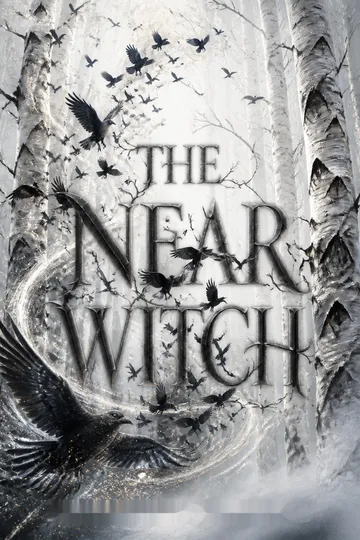
The Near Witch Series
About the Author



Download PDF
Download EPUB
.epub digital book format is ideal for reading ebooks on phones, tablets, and e-readers.








































