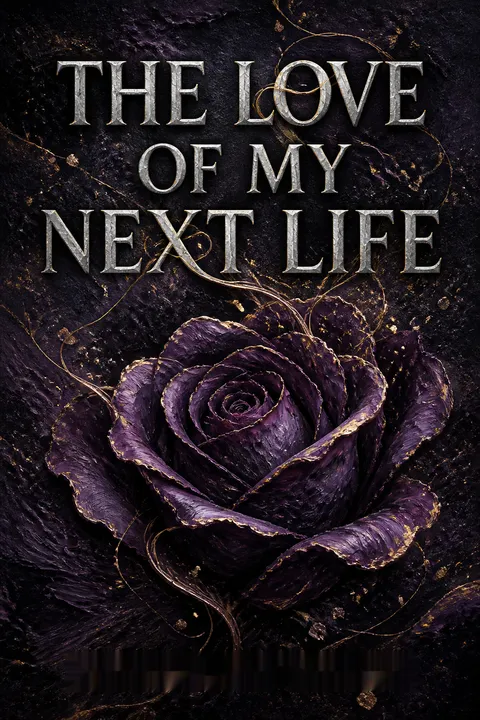

Plot Summary
New Girl, Old Wounds
Lennon Washington, nine years old, is the new girl in a small town, carrying the weight of her mother's death and her father's anxious love. Her first day at school is marked by awkwardness, a messy braid, and a run-in with Macon Davis, a boy with cold blue eyes and a chip on his shoulder. Their antagonism is immediate, but so is a strange, electric connection. Lennon's only comfort is her father's steady presence and her secret love of art, which she hides to avoid stirring his grief. The chapter sets the tone for a story of trauma, resilience, and the complicated beginnings of a relationship that will define both Lennon and Macon's lives.
Braid, Bickering, Beginnings
As Lennon settles into her new life, her world orbits around her best friend Claire and the ever-present, ever-antagonistic Macon—Claire's brother. The trio's dynamic is fraught: Claire is Lennon's confidante, while Macon is the source of constant irritation and fascination. Their bickering masks deeper wounds—Macon's anger at his broken family and Lennon's struggle to fit in. The braid in Lennon's hair becomes a symbol of her mother's memory and her own attempts at control. The seeds of a complicated, lifelong bond are sown, blending rivalry, loyalty, and the first hints of something more.
Senior Year, Secret Art
At seventeen, Lennon is a model student—polite, high-achieving, and careful. Her father's military absences leave her lonely but disciplined. She finds solace in painting, a secret she guards fiercely, fearing it will remind her father of her mother's instability. Macon, now a brooding, troubled senior, shares her free period in the art room, and their mutual disdain is laced with curiosity. Their creative pursuits—her painting, his pottery—become a silent language, a way to express what they can't say. The art room is a sanctuary and a battleground, where their rivalry deepens and their connection intensifies.
Tension in the Car
Car rides with Claire and Macon are a microcosm of their tangled relationships. Lennon's irritation with Macon is matched only by her awareness of him—his scent, his voice, his ability to get under her skin. Claire mediates, but the tension is palpable. Macon's reckless behavior and biting humor mask his pain and his need for attention. The car becomes a crucible for their unresolved feelings, setting the stage for the emotional and romantic turbulence to come.
Parties and Provocations
High school parties are a minefield for Lennon. She is the designated driver, the observer, the outsider. Macon's provocations escalate—taunting, flirting, pushing her buttons until she snaps. Their encounters are charged with anger and attraction, culminating in a heated confrontation that blurs the line between hate and desire. The party scenes expose the toxic undercurrents of their social world: bullying, substance abuse, and the desperate search for validation. Lennon's carefully constructed façade begins to crack, revealing vulnerability and longing.
Lines Crossed, Hearts Bruised
The simmering tension between Lennon and Macon erupts in a series of stolen moments—kisses that are as much battles as they are confessions. Their physical connection is fraught with guilt and exhilaration, complicated by Macon's self-destructive tendencies and Lennon's fear of repeating her mother's fate. Each encounter leaves them more entangled and more wounded, as they struggle to reconcile their feelings with their loyalty to Claire and their families. The boundaries between love and hate, safety and danger, are irrevocably blurred.
Family Ties, Fractures
The revelation that Lennon's father and Macon's mother are in a secret relationship—and soon to be married—shatters the fragile equilibrium. The prospect of becoming step-siblings turns Lennon and Macon's forbidden attraction into a crisis. Claire's sense of betrayal is acute, and the family's attempt to blend is marred by old wounds and new resentments. Lennon's sense of home is destabilized, and Macon's feelings of unworthiness deepen. The family dinner scene is a crucible of suppressed emotions, where love, jealousy, and fear collide.
Secrets, Scars, and Sketches
Lennon and Macon's creative pursuits become a lifeline and a confessional. Macon's sketchbooks, filled with fragmented images of Lennon, reveal the depth of his obsession and his inability to see himself as whole. Lennon's paintings are coded messages, expressions of her grief, anxiety, and hope. Their art is both a refuge and a battleground, a way to process trauma and to reach for each other when words fail. The discovery of Macon's sketches is a turning point, exposing the rawness of his love and the depth of his self-loathing.
Addictions and Apologies
Macon's struggles with addiction escalate, fueled by family dysfunction, guilt, and a sense of being unlovable. His self-destructive behavior—drugs, reckless sex, violence—alienates him from those who care about him, especially Lennon. Their relationship becomes a cycle of hurt and apology, passion and withdrawal. Lennon's attempts to save him are both an act of love and a reenactment of her mother's tragedy. The narrative confronts the limits of love as a cure, and the painful reality that some wounds cannot be healed by another person.
Shattered Trust, Silent Pain
A series of betrayals—Macon's relapse, Claire's exposure of their secret, Lennon's forced exile—fracture the fragile trust between the characters. Lennon is sent away to England, cut off from everyone she loves. Macon, left behind, spirals further, convinced he is toxic and undeserving. Claire is left with guilt and regret, her need for control having cost her both her brother and her best friend. The silence between Lennon and Macon is deafening, filled with unsent letters and blocked messages. The pain is private, isolating, and seemingly insurmountable.
Promises Broken, Promises Made
Macon's accidental overdose is the nadir of his journey—a moment of life and death that forces Lennon to confront her deepest fears and her inability to save him. The aftermath is a reckoning: apologies are made, but the damage is done. Both are forced to confront the reality that love alone is not enough to heal trauma or break cycles of self-destruction. Yet, in the ruins, there is a glimmer of hope—a promise, a sticky note, a plea not to give up. The future is uncertain, but the bond between them endures.
Overdoses and Overreactions
Lennon's father, desperate to protect her, sends her to England, severing her from Macon and her old life. The exile is both punishment and opportunity—a chance to heal, to grow, to redefine herself. Lennon's transformation is literal and symbolic: she cuts her hair, blocks old contacts, and begins to imagine a new future. The pain of separation is acute, but so is the possibility of reinvention. The chapter ends with a sense of unfinished business, of a story paused but not ended.
Exile and Endings
In England, Lennon is forced to confront her pain and her patterns. She mourns what she has lost, but also begins to reclaim her agency. Letters go unanswered, and the silence from Macon is both a wound and a catalyst. With the help of her aunt, Lennon starts to rebuild—learning new skills, making new friends, and letting go of old identities. The act of cutting her braid is a symbolic severing from the past, a declaration of independence and hope.
Letters Unsent, Hair Unbraided
Lennon's journey in England is marked by small acts of courage and self-assertion. She blocks Macon and Claire, determined to stop waiting for validation or rescue. The act of unbraiding her hair—her lifelong symbol of control and memory—is a final, liberating gesture. She is no longer defined by her trauma, her family, or her love for Macon. The future is uncertain, but she is ready to face it on her own terms.
Epilogue: The Call Home
Months later, Lennon receives a call from Claire: "You need to come home." The story ends on a note of anticipation and ambiguity. The wounds are still fresh, the relationships unresolved, but the possibility of reconciliation and healing remains. The love story is unfinished, suspended between heartbreak and hope, waiting for its next life.
Analysis
Brit Benson's The Love of My Next Life is a raw, emotionally charged exploration of trauma, addiction, and the messy, redemptive power of love. At its core, the novel asks whether two broken people can find healing in each other, or whether their wounds will only deepen together. Through the lens of a taboo romance, Benson interrogates the limits of loyalty—to family, to friends, to self—and the ways in which love can both save and destroy. The narrative is unflinching in its portrayal of substance abuse, mental illness, and the cycles of hurt that shape families and individuals. Yet, it is also a story of resilience: of art as survival, of the courage to claim one's own story, and of the hope that, even after exile and heartbreak, a new life is possible. The novel's modern relevance lies in its honest depiction of the complexities of mental health, the dangers of codependency, and the necessity of boundaries. Ultimately, The Love of My Next Life is a testament to the idea that healing is not linear, that love is both risk and reward, and that sometimes, the most important journey is the one back to oneself.
Review Summary
People Also Read




Characters
Lennon Washington
Lennon is defined by loss—her mother's suicide, her father's anxious love, and her own fear of inheriting mental illness. She is disciplined, polite, and eager to please, but beneath the surface is a well of creativity, longing, and suppressed rage. Her relationship with Macon is both a mirror and a crucible: he brings out her passion and her pain, forcing her to confront her own desires and limits. Lennon's journey is one of self-discovery—learning to claim her art, her voice, and her right to happiness, even when it means breaking the rules or disappointing those she loves. Her development is marked by increasing agency, the courage to face her trauma, and the painful realization that love is not always enough to save someone else.
Macon Davis
Macon is the quintessential bad boy—angry, reckless, and self-destructive—but his bravado masks deep wounds: an abusive father, a fractured family, and a profound sense of unworthiness. His relationship with Lennon is both salvation and damnation: she is the only person who sees him, but he fears he will destroy her as he destroys everything he touches. Macon's addiction is both literal (drugs, sex, violence) and metaphorical (his need for Lennon, his compulsion to sabotage happiness). His art—fragmented sketches of Lennon—reveals his longing for wholeness and his inability to believe he deserves it. Macon's arc is a struggle between self-loathing and hope, between the urge to numb his pain and the desire to be loved, truly and unconditionally.
Claire Davis
Claire is Lennon's closest friend and Macon's sister, caught between loyalty and resentment. She is vivacious, popular, and fiercely protective, but also deeply insecure. Her need to control Lennon—and to keep her away from Macon—stems from her own fear of abandonment and her belief that happiness is a zero-sum game. Claire's actions, especially her betrayal, are both selfish and understandable, rooted in her own pain and longing for connection. Her arc is one of reckoning: she must face the consequences of her choices and learn to let go.
Trent Washington
Lennon's father is a Navy reservist, a loving but anxious parent who is still grieving his wife's death. His desire to protect Lennon leads to overcontrol and, ultimately, to decisions that hurt more than help. He is well-intentioned but flawed, struggling to balance his own needs with those of his daughter. His relationship with Andrea offers him a second chance at happiness, but also complicates Lennon's world.
Andrea Davis
Macon and Claire's mother is a survivor—of abuse, poverty, and disappointment. She is loving and supportive, but stretched thin by work and worry. Her relationship with Trent is a source of hope and renewal, but also a trigger for old wounds in her children. Andrea's strength is quiet but profound, and her happiness is hard-won.
Samantha Harper (Sam)
Sam is Macon's on-again, off-again lover and Lennon's antagonist. She is manipulative, wounded, and desperate for attention, using sex and drugs to fill the void left by her neglectful family. Her relationship with Macon is toxic but symbiotic—they enable each other's worst impulses. Sam is both a cautionary tale and a surprising source of empathy, especially as she and Lennon find common ground in their pain.
Eric Masters
Eric is the quintessential nice guy—kind, respectful, and genuinely interested in Lennon. He represents the path of safety and normalcy, but also the limits of "niceness" in the face of real trauma and passion. Eric's role is to highlight what Lennon could have—a stable, uncomplicated love—but also what she truly wants.
Julian Rogers & Chris Casper
Julian and Casper are Macon's friends, part of the town's stoner crowd. They provide comic relief, camaraderie, and occasional support, but are also complicit in the cycles of substance abuse and denial. Their presence underscores the social environment that shapes and traps Macon.
Becca (Aunt Becca)
Lennon's aunt is an artist living in England, a figure of freedom and possibility. She offers Lennon a vision of a different life—creative, independent, and self-defined. Becca's role is to help Lennon see that she can survive and thrive outside the confines of her trauma and her hometown.
Phillip Morrison
Macon and Claire's biological father is a wealthy, emotionally abusive man who abandons his children and withholds support. His rejection is a defining wound for both siblings, fueling Macon's self-destruction and Claire's bitterness.
Plot Devices
Dual Perspectives and Time Jumps
The novel employs a dual perspective—primarily Lennon's, with key chapters from Macon's point of view—to immerse readers in both characters' inner worlds. This structure allows for a nuanced exploration of misunderstanding, longing, and the ways trauma shapes perception. Time jumps (from childhood to senior year, from the present to flashbacks) provide context for the characters' wounds and the evolution of their relationship, deepening the emotional stakes.
Symbolism: The Braid and Art
Lennon's braid is a recurring symbol—of her mother, her need for control, and her struggle to move on. Its eventual cutting marks a turning point in her self-assertion. Art (painting for Lennon, pottery and sketching for Macon) is both a refuge and a means of communication, expressing what words cannot. The act of creating and destroying art mirrors their attempts to build and rebuild themselves and their relationship.
Forbidden Love and Family Dynamics
The step-sibling romance is central, amplifying the sense of danger, secrecy, and guilt. The blending of families, the shifting alliances, and the betrayals (especially Claire's) create a web of conflict that drives the plot. The tension between loyalty to family and loyalty to self is a constant source of drama.
Addiction and Cycles of Hurt
Macon's addiction is not just a plot point but a lens through which the novel examines trauma, self-sabotage, and the limits of love. The cycles of relapse, apology, and hope are mirrored in the relationship dynamics, forcing characters to confront the reality that love cannot "fix" everything.
Letters, Notes, and Unsent Messages
Letters, emails, sticky notes, and unsent messages are used throughout to highlight the characters' inability to say what they mean, to reach each other across the chasms of pain and pride. The motif of blocked communication (literally and figuratively) underscores the theme of isolation and the longing for connection.
Foreshadowing and Circular Structure
The novel is rich in foreshadowing—early references to trauma, addiction, and forbidden love pay off in later chapters. The circular structure (beginning and ending with a call to come home) suggests that healing is a process, not a destination, and that some stories are too big for a single lifetime.
Next Life Series

About the Author
Download PDF
Download EPUB
.epub digital book format is ideal for reading ebooks on phones, tablets, and e-readers.








































