
Plot Summary
Tragedy Strikes at Midnight
Brant's life is irrevocably changed when, at six years old, he witnesses the violent deaths of his parents—his father's rage ending in murder-suicide. The trauma is immediate and all-consuming, leaving Brant alone, terrified, and wracked with guilt, believing his childish wish for a sibling somehow caused the tragedy. The aftermath is a blur of police lights, whispered words like "tragedy" and "orphan," and the cold comfort of a neighbor's arms. This night marks the end of innocence and the beginning of a lifelong struggle with loss, fear, and the desperate need for belonging. The echo of his mother's promise to always protect him haunts Brant, setting the stage for the story's central question: can love ever truly heal such wounds?
A New Beginning, Unwanted
Brant is placed with the Baileys, his neighbors, fulfilling his late mother's wish for him to be raised in a loving home. But the transition is fraught with confusion and pain. He's welcomed by Theo, his childhood friend, and meets baby June, the Baileys' newborn daughter. Though surrounded by warmth, Brant feels like an outsider, a "gift" no one asked for. The Baileys do their best, but Brant's grief and guilt isolate him. He clings to small comforts—stuffed animals, bedtime stories, and the hope that June might fill the void left by his family. The chapter explores the complexity of found family, the awkwardness of grief, and the slow, tentative steps toward trust and connection.
Bonds Forged in Grief
As Brant grows, his bond with Theo and June deepens. The three become inseparable, inventing games and vowing to protect one another from the world's dangers. Brant and Theo cast themselves as Mario and Luigi, with June as their Princess Peach—a metaphor for their roles as her protectors. Yet, beneath the playful surface, Brant's trauma lingers. He struggles to accept the Baileys as family, refusing to call them "Mom" or "Dad," and clings to the memory of his parents. The chapter is suffused with longing, the ache of what's lost, and the fragile hope that love might one day feel safe again.
Promises and Protection
Brant and Theo's promise to always protect June becomes a guiding force in their lives. As they navigate schoolyard bullies, family dinners, and the challenges of growing up, this vow is tested repeatedly. Brant's sense of responsibility for June is both a comfort and a burden, rooted in his need to atone for the past. The Baileys' home becomes a sanctuary, but also a crucible where love, loyalty, and trauma collide. The chapter explores the ways in which childhood promises can define us, for better or worse, and the quiet heroism of choosing to care for others even when it hurts.
Childhood's Endings
The trio's idyllic world is shattered by a series of small betrayals and growing pains. Brant's nightmares persist, and his sense of not truly belonging intensifies. June's first steps, recitals, and milestones are bittersweet reminders of time's passage. The boys' protectiveness sometimes smothers June, foreshadowing the possessiveness and confusion to come. The Baileys' love is steadfast, but Brant's wounds run deep. The chapter is tinged with nostalgia and the dawning realization that childhood cannot last forever, and that the lines between love, duty, and desire are beginning to blur.
The First Fall
On a stormy Halloween night, June falls from the treehouse, nearly dying. The accident is a crucible for the family, dredging up old traumas and testing the boys' promise to protect her. Brant is consumed by guilt, convinced he's failed again. Theo and Brant's friendship is strained, but ultimately strengthened by shared remorse and forgiveness. June's recovery is slow, and the family's sense of safety is forever altered. The incident marks the end of innocence and the beginning of a more complicated, adult understanding of love, responsibility, and the limits of protection.
Shattered Innocence
As the children become teenagers, the dynamics shift. Brant's feelings for June grow complicated, tinged with protectiveness, jealousy, and something he cannot name. June, too, begins to see Brant differently, though she cannot articulate her longing. The family is haunted by unspoken secrets—Brant's trauma, Theo's guilt, June's confusion. The outside world intrudes in the form of bullies, first crushes, and the relentless march of time. The chapter is suffused with yearning, shame, and the fear that love might be dangerous.
Growing Pains and First Love
Brant and June's relationship teeters on the edge of the forbidden as they navigate adolescence. Brant dates Wendy, but his heart is never fully in it. June experiences her first kiss, but it feels hollow compared to her feelings for Brant. The two dance around their attraction, each afraid to name it, each terrified of what it might mean. Theo, ever the protector, senses something is amiss but cannot bring himself to confront it. The chapter is electric with tension, the ache of unfulfilled desire, and the terror of crossing a line that cannot be uncrossed.
Forbidden Feelings Awaken
A dare at prom leads to a kiss between Brant and June, shattering the fragile equilibrium of their lives. The kiss is electric, undeniable, and utterly taboo. Both are left reeling—ashamed, exhilarated, and terrified. The family's carefully constructed world begins to crack as secrets threaten to spill over. Brant and June are forced to confront the depth of their feelings, and the impossibility of their love. The chapter is a study in longing, guilt, and the intoxicating danger of desire.
The Second Tragedy
Theo, the steadfast protector, is killed in a car accident while saving a child. The loss is devastating, plunging the family into a new abyss of grief. Brant and June are left unmoored, their forbidden love now shadowed by even greater sorrow. The Baileys are shattered, and Brant's sense of responsibility for June intensifies to the point of obsession. The chapter is raw with pain, the ache of absence, and the desperate search for meaning in the face of senseless loss.
Lines Crossed, Hearts Broken
In the aftermath of Theo's death, Brant and June's relationship becomes both a refuge and a source of torment. They cross physical and emotional boundaries, seeking solace in each other's arms but finding only more confusion and shame. The family's grief is compounded by suspicion and betrayal as secrets come to light. Brant and June are forced to choose between their love and their loyalty to the family that saved them. The chapter is a maelstrom of passion, regret, and the high cost of secrecy.
The Cost of Secrets
The truth about Brant and June's relationship is exposed, and the fallout is catastrophic. The Baileys are devastated, feeling betrayed by the children they raised. Brant is cast out, June is sent away, and the family is fractured beyond recognition. Both are forced to confront the reality that love, no matter how powerful, cannot exist in a vacuum. The chapter is a reckoning—a painful, necessary confrontation with the consequences of desire, the limits of forgiveness, and the possibility of redemption.
Breaking and Belonging
Exiled from the only home he's ever known, Brant spirals into despair. June, sent to New York to pursue her dreams, struggles to find herself without him. Both are forced to reckon with their identities outside of their relationship, to heal old wounds, and to learn what it means to belong to oneself. The chapter is a journey through loneliness, growth, and the slow, painful process of becoming whole. Letters, memories, and small acts of kindness become lifelines as they each learn to stand on their own.
Letting Go to Heal
Years pass. Brant and June build separate lives, but the pull between them never fades. They pursue careers, friendships, and healing, each haunted by the memory of what they lost. The Baileys, too, begin to mend, learning to accept the past and forgive the children they love. The chapter is suffused with longing, the ache of absence, and the hope that time might make reunion possible. Both Brant and June come to understand that true love sometimes means letting go.
Over the Rainbow
A chance encounter, a rainbow after a storm, and the slow thawing of old wounds bring Brant and June back together. The Baileys, having grieved and healed, offer their blessing, choosing love over judgment. Brant and June, older and wiser, are finally able to claim their love openly, no longer defined by shame or secrecy. The chapter is a celebration of forgiveness, the power of second chances, and the beauty of love that endures.
Reunion and Reckoning
Brant and June marry, surrounded by family and friends, their journey coming full circle. The ghosts of the past are honored but no longer rule their lives. Together, they build a home filled with laughter, children, and the small, everyday acts of devotion that make a life. The chapter is radiant with joy, the fulfillment of childhood promises, and the hard-won peace that comes from choosing love, again and again.
Choosing Us
Brant and June's life together is not without challenges, but their love is resilient. They raise children, honor the memory of those they've lost, and continue to heal the wounds of the past. The family, once fractured, is made whole through forgiveness and the daily practice of kindness. The chapter is a testament to the power of love to transform pain into purpose, and the quiet heroism of choosing each other, every day.
Full Circle, Forever
Years later, Brant and June reflect on the journey that brought them here. Surrounded by their children, memories, and the enduring presence of those they've lost, they find peace in the knowledge that love—messy, complicated, and sometimes forbidden—is the only thing that truly lasts. The story ends not with a grand gesture, but with the quiet, everyday miracle of family, forgiveness, and the promise that, no matter what, they will always choose each other first.
Analysis
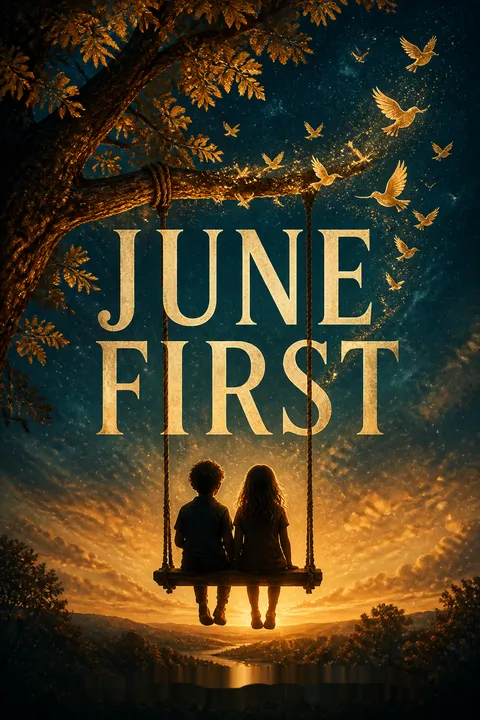
"June First" is a sweeping, emotionally charged exploration of trauma, healing, and the redemptive power of love. At its core, the novel asks whether it is possible to build a future from the wreckage of the past, and whether love—no matter how complicated or forbidden—can truly save us. Through Brant and June's journey, the story delves into the complexities of found family, the scars of childhood loss, and the ways in which grief can both bind and break us. The narrative's nonlinear structure, rich symbolism, and recurring motifs (rainbows, bluebirds, lullabies) create a tapestry of memory and meaning that resonates long after the final page. The novel does not shy away from the messiness of desire, the pain of betrayal, or the difficulty of forgiveness, but ultimately affirms that healing is possible—not through grand gestures, but through the quiet, everyday acts of kindness, courage, and choosing each other, again and again. "June First" is a testament to the resilience of the human heart, the necessity of hope, and the enduring truth that, even after the darkest night, the sun will rise and the rainbows will return.
Review Summary
June First is a deeply emotional and polarizing forbidden romance novel. Many readers praise its intense, slow-burn love story and beautiful writing, while others criticize its length and uncomfortable themes. The book follows Brant and June's relationship from childhood to adulthood, exploring taboo love and family dynamics. Readers consistently mention experiencing strong emotions, including tears, while reading. Some found the pacing slow and certain plot points unnecessary. Overall, the novel elicits passionate responses, with most reviewers rating it highly despite its controversial subject matter.
People Also Read









Characters
Brant Elliott
Brant is the emotional core of the story—a boy orphaned by violence, raised by neighbors, and forever marked by trauma. His journey is one of guilt, longing, and the desperate need to belong. Brant's love for June is both redemptive and ruinous, a source of comfort and torment. He is fiercely loyal, self-sacrificing, and often paralyzed by the fear of repeating his father's sins. His psychological complexity lies in his struggle to reconcile duty and desire, to forgive himself, and to accept that he is worthy of love. Over time, Brant transforms from a broken child into a man capable of both great tenderness and great courage, ultimately choosing to put love first, even when it means risking everything.
June Bailey
June is the light to Brant's darkness—a girl born into a loving family, yet shaped by the tragedies that surround her. She is the object of protection, affection, and, eventually, forbidden desire. June's journey is one of self-discovery, as she moves from being a passive recipient of others' care to an active agent in her own life. Her love for Brant is unwavering, but she must learn to define herself outside of their relationship. June's psychological arc is about reclaiming agency, healing from loss, and daring to pursue both her dreams and her heart. She is resilient, compassionate, and ultimately brave enough to choose herself—and, in doing so, to choose Brant.
Theo Bailey
Theo is Brant's first and truest friend, the "Mario" to his "Luigi." He embodies loyalty, humor, and the fierce love of a brother. Theo's promise to protect June shapes the family's dynamic and becomes a guiding force even after his death. His loss is the second great tragedy of the story, a wound that never fully heals. Theo's presence lingers as a moral compass, a reminder of the cost of love and the importance of forgiveness. His death catalyzes the family's unraveling and, ultimately, their reunion.
Samantha Bailey
Samantha is the emotional anchor of the Bailey family—a woman who loves fiercely, forgives deeply, and endures unimaginable loss. She is Brant's surrogate mother, June's guide, and Andrew's partner in grief. Samantha's wisdom, patience, and willingness to document the family's moments provide a sense of continuity and hope. She is the first to offer forgiveness, the last to give up on love, and the quiet force that holds the family together through every storm.
Andrew Bailey
Andrew is both Brant's savior and his judge—a man who opens his home to a broken boy, only to feel betrayed by the love that grows between Brant and June. His journey is one of anger, grief, and, ultimately, acceptance. Andrew's struggle to forgive is both personal and universal, reflecting the difficulty of letting go of the past and embracing the messy reality of love. His eventual blessing is hard-won, a testament to the power of time, empathy, and the refusal to let loss define him.
Wendy Nippersink
Wendy is Brant's on-and-off girlfriend, a source of both comfort and conflict. She is sharp-tongued, loyal, and often the voice of uncomfortable truths. Wendy's jealousy and insight into Brant's feelings for June catalyze key turning points in the story. Her eventual friendship with June and her own unconventional romance with Pauly Marino underscore the novel's theme that love rarely follows the rules.
Kip
Kip is Theo's police partner and later Brant's confidant. Marked by his own tragic losses, Kip offers perspective, support, and a cautionary tale about the dangers of forbidden love. His presence is grounding, his advice hard-earned, and his loyalty unwavering. Kip's own journey toward love and healing mirrors Brant's, reinforcing the story's message that redemption is possible for even the most wounded hearts.
Pauly Marino
Pauly is Brant's boss and mentor, a larger-than-life figure who recognizes Brant's talent and pushes him to pursue his dreams. His own history of loss and regret provides a counterpoint to Brant's journey, and his eventual romance with Wendy adds depth and humor. Pauly's wisdom, generosity, and willingness to let go of the past make him a key catalyst for Brant's growth.
Celeste
Celeste is June's best friend and the instigator of the fateful dare that changes everything. She is supportive, pragmatic, and unafraid to challenge June's choices. Celeste's own pursuit of her dreams in New York serves as both inspiration and contrast, highlighting the importance of self-discovery and the courage to choose one's own path.
Aggie and Bubbles (Symbolic)
Aggie (June's stuffed elephant) and Bubbles (Brant's lost and found childhood toy) are more than mere objects—they are tangible links to innocence, comfort, and the enduring power of love. Their presence throughout the story serves as a reminder that healing is possible, that the past can be reclaimed, and that even the most broken hearts can be made whole.
Plot Devices
Nonlinear Narrative and Memory
The novel's structure mirrors the way trauma and healing work—memories surface, recede, and are reinterpreted over time. Key moments are revisited from different perspectives, allowing the reader to experience the characters' growth and the shifting meaning of past events. The use of index cards, shoeboxes, and family artifacts as narrative anchors provides both continuity and emotional resonance.
Symbolism: Rainbows, Bluebirds, and Stuffed Animals
Rainbows appear at pivotal moments, signaling transformation and the possibility of happiness after tragedy. Bluebirds and the song "Over the Rainbow" evoke longing, innocence, and the dream of a better life. Stuffed animals (Aggie and Bubbles) serve as comfort objects, linking past and present, and embodying the story's central theme: that love, in all its forms, is both fragile and enduring.
Foreshadowing and Promises
The promises made in childhood—to protect, to love, to wait—become self-fulfilling prophecies. The story is laced with foreshadowing, as early moments (the wish for a sibling, the vow to always protect June) ripple forward, influencing choices and outcomes. The refrain "You mean it?" / "Of course, I mean it" becomes a touchstone for trust and commitment.
Taboo and Forbidden Love
The forbidden nature of Brant and June's love is explored with nuance and empathy, never shying away from the pain, shame, and societal judgment it engenders. The story interrogates the boundaries between family, friendship, and desire, asking whether love can ever be truly wrong if it is freely chosen and deeply felt. The consequences of secrecy, the cost of honesty, and the possibility of forgiveness are all examined through this lens.
Healing Through Time and Community
The novel resists easy answers, instead showing that healing is a process—one that requires time, distance, and the willingness to let go of the past. The support of friends, mentors, and chosen family is essential, as is the courage to pursue one's own dreams. The story's resolution is earned through years of struggle, growth, and the daily practice of choosing love over fear.
About the Author
Other books by Jennifer Hartmann







Download PDF
Download EPUB
.epub digital book format is ideal for reading ebooks on phones, tablets, and e-readers.








































