
Plot Summary
Prologue: Cutting Ties, New Self
Four years before the present, Lennon, reeling from betrayal and heartbreak, decides to cut off her old life. She blocks her stepfamily, hacks off her hair, and stares at her new reflection, determined to become someone else. The pain of being misunderstood and cast aside by those she loved most pushes her to reinvent herself. This act of self-assertion is both a rebellion and a desperate attempt to find control in a world that's spun out of her grasp. The emotional weight is heavy, but there's a glimmer of hope in her smile—a sense that maybe, just maybe, she can build something new from the ashes of her old self.
The Call Home
Years later, Lennon's life in Paris is interrupted by a call from her estranged stepsister, Claire: her father is in the hospital, and she's needed at home. The journey back is fraught with anxiety and unresolved wounds. Lennon's return is not triumphant but necessary, and she's forced to confront the ghosts she left behind. The airport reunion with her best friend Sam is bittersweet, filled with humor and the comfort of old bonds, but the looming dread of facing her family—and especially Macon, her stepbrother and former love—hangs over her. The emotional tension is palpable, as Lennon steels herself for the pain and reckoning that await.
Reunion and Resentment
Lennon's return home is anything but warm. She and Macon collide almost immediately, their interactions bristling with unresolved anger, jealousy, and longing. Macon, now a caretaker for their baby half-sister Evelyn, is both changed and the same—harder, more guarded, but still deeply affected by Lennon's presence. Their banter is laced with bitterness and attraction, each trying to wound the other before they can be hurt themselves. The family is fractured, with everyone walking on eggshells, and Lennon feels like a stranger in her own home. The emotional stakes are high, and the past is never far from the surface.
Family in Crisis
The family gathers at the hospital, united by fear for Lennon's father, Trent, but divided by years of hurt. Lennon's guilt over her absence is compounded by the realization that she's missed so much—her baby sister's milestones, her father's new life, and the subtle ways everyone has changed. Macon's role as a steady presence for Evelyn and Andrea, their stepmother, is both comforting and painful for Lennon to witness. The hospital becomes a crucible, forcing the family to confront their vulnerabilities and the possibility of loss. The emotional atmosphere is tense, with love and resentment coexisting uneasily.
Ghosts of the Past
The narrative weaves between past and present, showing the aftermath of Lennon's departure and Macon's struggles with addiction, the military, and his own demons. Their shared history is marked by passion, pain, and a series of misunderstandings and betrayals. Lennon's time in England and Paris is colored by loneliness and self-destruction, while Macon's journey through rehab and the Marines is a fight for redemption. Both are haunted by what might have been, and their inability to communicate has left deep scars. The emotional resonance of these memories shapes every interaction in the present.
The Baby and the Boxer
Macon's daily life revolves around caring for Evelyn and running the local rec center, where he finds solace in art and boxing. His relationship with the baby is tender and protective, revealing a softer side beneath his rough exterior. The rec center is both a refuge and a reminder of the life he's built in Lennon's absence. When Lennon visits, she's struck by how much she's missed and how much Macon has changed. Their interactions are fraught with tension, but there are moments of genuine connection and vulnerability, hinting at the possibility of healing.
Old Wounds, New Scars
As Lennon and Macon are forced into proximity, old wounds are reopened. Jealousy flares when Lennon's Parisian friend Franco arrives, and Macon's unresolved feelings manifest in anger and self-sabotage. The two clash over their past, their choices, and the people they've become. Physical and emotional scars are laid bare, and both struggle to articulate the depth of their hurt. The family's crisis acts as a catalyst, pushing them to confront truths they've long avoided. The emotional intensity is raw, with moments of tenderness quickly giving way to conflict.
Painting Over Pain
Lennon finds solace in painting, using Macon's studio as a sanctuary. Art becomes a means of processing her grief, guilt, and longing. Macon, too, turns to pottery and drawing to manage his pain. Their creative processes mirror their emotional journeys—messy, cathartic, and ultimately transformative. When Lennon discovers a hidden painting of herself by Macon, and her own painting in his possession, the depth of their connection is revealed. Art becomes a language for what words cannot express, and the studio is a space where they can be honest, if only for a moment.
The Truths We Hide
The heart of their estrangement is finally exposed: a letter Macon wrote to Lennon before entering rehab was stolen by Claire, leaving Lennon to believe she'd been abandoned. Years of pain and resentment are traced back to this single act of sabotage. The revelation is devastating, but it also offers a path to understanding and forgiveness. Both Lennon and Macon must reckon with the ways they've hurt each other, intentionally and not, and decide whether they can move forward. The emotional impact is profound, as the truth both shatters and frees them.
Collisions and Confessions
With the truth out, Lennon and Macon finally confront their feelings—anger, grief, love, and regret. They confess the depth of their pain and the ways they've tried to survive without each other. The emotional barriers crumble, and they allow themselves to be vulnerable, risking everything for a chance at healing. Their reconciliation is messy and imperfect, but it's real. They acknowledge the damage done, but also the possibility of building something new. The emotional arc reaches its peak, with both characters choosing each other, fully and without reservation.
The Letter That Never Came
The fallout from Claire's actions ripples through the family. Lennon confronts her, refusing to offer easy forgiveness but choosing to move forward. The family begins to heal, with old patterns broken and new boundaries established. Lennon and Macon, now united, face the future together, determined not to let the past define them. The emotional tone shifts from anguish to hope, as the possibility of happiness feels within reach. The chapter is a testament to the power of truth, forgiveness, and the courage to start again.
The Breaking Point
A final crisis—Trent's health scare—forces everyone to confront what truly matters. Lennon, faced with the possibility of losing her father, chooses to stay, to fight for her family and her own happiness. Macon, too, commits to being present, to loving without fear. The family, once fractured, begins to knit itself back together, each member changed but stronger for their struggles. The emotional journey comes full circle, with Lennon and Macon choosing each other not out of desperation, but out of hope and love.
Healing and Homecoming
With the past finally laid to rest, Lennon and Macon begin to build a life together. Lennon returns to Paris to close that chapter, then comes home for good. Their relationship, once defined by secrecy and pain, is now open and honest. The family gathers to celebrate, and the sense of belonging that eluded Lennon for so long is finally hers. The emotional arc resolves in joy and contentment, with the promise of a future built on trust, forgiveness, and love.
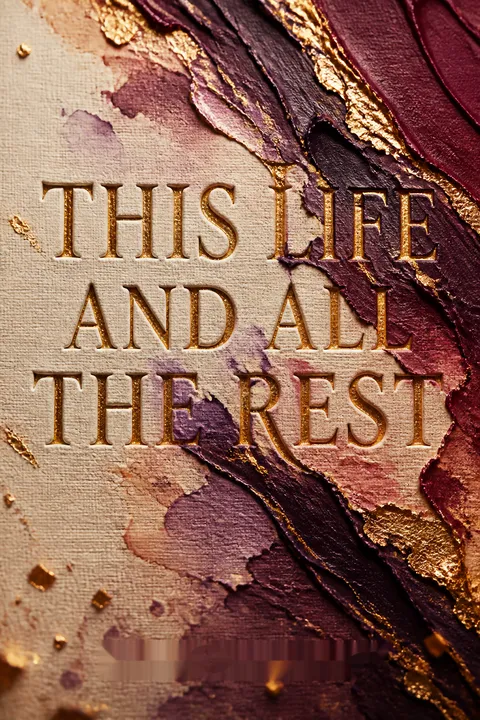
This Life and All the Rest
A year later, Lennon's art career flourishes, and she and Macon are together, stronger than ever. Their love, once fraught with obstacles, is now a source of strength and inspiration. The family is whole, and the wounds of the past have become the foundation for a new, better life. The story ends with a sense of peace and fulfillment, as Lennon and Macon look to the future—together, in this life and all the rest.
Analysis
Brit Benson's This Life and All the Rest is a raw, emotionally charged exploration of trauma, forgiveness, and the messy, nonlinear path to healing. At its core, the novel is about the power of truth—how secrets and small betrayals can shape entire lives, and how the courage to confront them can set us free. The story's dual timeline structure immerses the reader in the characters' pain and longing, making their eventual reconciliation feel both hard-won and deeply satisfying. Through art, the characters find a language for their suffering and a means to transform it into something beautiful. The novel does not shy away from the darkness—addiction, self-harm, grief—but it insists on the possibility of redemption, not through erasure of the past, but through honest reckoning and the choice to love anyway. The lesson is clear: healing is possible, but only when we are willing to face the truth, forgive ourselves and others, and risk vulnerability for the sake of connection. In the end, Benson offers a hopeful vision of love—not as a cure-all, but as a daily act of courage, a choice to build something new from the ruins of what was lost.
Review Summary
People Also Read








Characters
Lennon (Capri) Washington
Lennon is the emotional heart of the story—a woman shaped by trauma, betrayal, and the desperate need to belong. Her journey from the "good girl" to the fiercely independent Capri is marked by pain, self-destruction, and ultimately, healing. Her relationship with Macon is both her greatest source of joy and her deepest wound. Lennon's art is her therapy, a way to process the grief of losing her mother, the betrayal of her family, and the heartbreak of Macon's absence. She is fiercely loyal, but her trust is hard-won and easily shattered. Lennon's development is a testament to the power of vulnerability, forgiveness, and the courage to choose love, even after being broken.
Macon Davis
Macon is a study in contrasts—tough and tender, self-destructive and selfless. His love for Lennon is the axis around which his life turns, but his inability to communicate and his struggles with addiction nearly destroy them both. Macon's journey through rehab, the Marines, and back to his hometown is a fight for self-worth and redemption. He channels his pain into caring for his baby sister and running the rec center, finding purpose in service and art. Macon's psychological complexity lies in his fear of not being enough, his guilt over past mistakes, and his desperate hope for a second chance. His growth is hard-won, and his ultimate vulnerability with Lennon is both his greatest risk and his salvation.
Claire Davis
Claire is both a victim and perpetrator of the family's dysfunction. Her jealousy and insecurity drive her to sabotage Lennon and Macon's relationship, stealing the letter that could have changed everything. Claire's actions are rooted in her own abandonment issues and the fear of being second-best. She is manipulative, but also deeply wounded, and her eventual reckoning is painful but necessary. Claire's role is a reminder of how small acts of cruelty can have devastating consequences, and her partial redemption comes through acknowledgment of her wrongdoing, though forgiveness is not easily granted.
Sam Harper
Sam is Lennon's lifeline—a steadfast friend who shows up in the darkest moments and never wavers. Her own struggles with family and identity mirror Lennon's, and their bond is one of mutual rescue. Sam's presence is a source of humor, comfort, and tough love, grounding Lennon when she's at risk of losing herself. She is the embodiment of chosen family, and her unwavering support is crucial to Lennon's survival and healing.
Trent Washington
Trent is the emotional anchor of the family—a loving, if sometimes flawed, father who wants the best for his children. His health crisis is the catalyst that brings everyone together, forcing them to confront their pain and choose what matters most. Trent's own guilt over past decisions is a quiet undercurrent, but his love and forgiveness are unwavering. He represents the possibility of healing, even after great loss.
Andrea
Andrea is the glue that holds the family together, offering kindness and stability in the midst of chaos. Her relationship with Lennon is complicated by distance and misunderstanding, but her love is constant. Andrea's role is often in the background, but her presence is a source of comfort and safety, especially for Evelyn.
Evelyn (Evie)
The baby sister, Evelyn, is a living reminder of the family's potential for joy and renewal. Her presence softens Macon and draws Lennon back into the fold. She is a symbol of hope, innocence, and the possibility of starting over.
Franco
Franco is Lennon's Parisian friend and occasional lover—a figure who represents the life she built for herself in the aftermath of heartbreak. He is supportive, flirtatious, and ultimately a friend rather than a true romantic rival. Franco's presence highlights Lennon's independence and her ability to form healthy, non-destructive relationships, even as she is drawn back to Macon.
Casper
Casper is Macon's closest friend and confidant, providing support through addiction, recovery, and the challenges of returning home. He is a voice of reason and a source of tough love, pushing Macon to confront his feelings and make amends. Casper's loyalty and honesty are crucial to Macon's growth.
Payton
Payton is a volunteer at the rec center and a minor romantic interest for Macon, but her primary role is as a symbol of the new life Macon has built. She represents the possibility of connection, community, and moving forward, even as the past continues to cast a long shadow.
Plot Devices
Dual Timelines and Flashbacks
The novel employs a dual timeline structure, moving fluidly between the present crisis and pivotal moments in the past. Flashbacks are used to gradually reveal the depth of Lennon and Macon's connection, the betrayals that tore them apart, and the traumas that shaped them. This structure allows the reader to experience the emotional weight of their history alongside the urgency of their present, building suspense and empathy.
The Missing Letter
The stolen letter is the central plot device—a tangible symbol of miscommunication, lost opportunities, and the devastating impact of small betrayals. Its eventual discovery is both a moment of catharsis and a turning point, allowing the characters to finally confront the truth and begin to heal.
Art as Metaphor
Art—painting for Lennon, pottery for Macon—is both a literal and metaphorical device. It serves as a means of processing pain, communicating unspoken feelings, and forging connection. The act of creating becomes a way to transform suffering into beauty, and the studio is a sacred space where honesty is possible.
Family Crisis as Catalyst
Trent's health crisis is the external event that brings the fractured family together, forcing them to confront their pain, reassess their priorities, and choose whether to heal or remain divided. The hospital setting is a crucible, stripping away pretense and demanding honesty.
Symbolic Objects
Physical objects—Macon's tattoos, Lennon's paintings, the missing letter—are imbued with emotional significance. They serve as reminders of the past, symbols of hope, and catalysts for revelation. These objects ground the emotional arc in tangible reality, making the characters' journeys feel immediate and real.
Cycles of Self-Destruction and Redemption
Both Lennon and Macon are caught in cycles of self-destruction—addiction, self-harm, running away—until they are forced to confront the root causes of their pain. The narrative structure mirrors this, with repeated confrontations and reconciliations building toward a final, lasting change.
Next Life Series


About the Author



Download PDF
Download EPUB
.epub digital book format is ideal for reading ebooks on phones, tablets, and e-readers.








































