Plot Summary
Fire in the Castle
In 1865, as the Civil War wanes, a fire engulfs the Smithsonian Castle. Angus Adams, Confederate spy and artist, meets with Joseph Henry, the Smithsonian's secretary, to deliver a mysterious key and retrieve a journal. The fire's chaos is cover for a covert exchange, but Adams is pursued by a Union officer. Amid smoke and danger, Adams escapes with the key and journal, aided by a coded rendezvous with fellow spy Marianna McLoughlin. The fire destroys priceless artifacts, but the true treasures—secrets of the Knights of the Golden Circle—are spirited away. This prologue sets the stage for a legacy of hidden gold, secret societies, and the enduring power of knowledge, as the Smithsonian's neutrality is tested by the ambitions of men and the flames of history.
The Map Tree's Secret
In present-day Arkansas, Cotton Malone, ex-agent and rare book dealer, is hired by the Smithsonian to investigate a series of cryptic clues in the Ouachita National Forest. Guided by old field notes and modern technology, he follows a trail of carved trees, buried iron, and coded markers—remnants of the Knights of the Golden Circle's secret language. The hunt leads to a cache of Confederate gold, but danger lurks: Malone is ambushed and imprisoned by local sentinels sworn to protect the treasure. The thrill of discovery is shadowed by violence, as the past's secrets prove deadly in the present. Malone's journey is not just for gold, but for the truth behind a century-old conspiracy.
Shadows of the Golden Circle
The Knights of the Golden Circle, a clandestine Southern order, once plotted to create a slave empire and amassed vast hidden wealth. Their legacy persists in coded markers, family oaths, and a network of sentinels. Cotton's own ancestry is entwined with the Order—his great-great-grandfather, Angus Adams, was both spy and knight. As Cotton and his partner Cassiopeia Vitt navigate the Arkansas woods, they encounter Terry Morse, a modern sentinel, and his granddaughter Lea. The sentinels' duty is generational, their loyalty unwavering, but the Order's purpose has twisted over time. The gold is real, but so are the dangers: murder, betrayal, and the ghosts of a divided nation.
A Senator's Last Stand
In Tennessee, former President Danny Daniels mourns his friend, Senator Alex Sherwood, whose death by drowning is ruled an accident. But doubts linger—Sherwood was investigating a notebook tied to radical changes in Congress and the Knights' legacy. Taisley Forsberg, Sherwood's confidante, reveals he was troubled by what he read and feared a monumental shift in American governance. As Daniels probes deeper, he uncovers a web of secrets involving Sherwood's wife Diane, her brother Kenneth, and Speaker of the House Lucius Vance. The lines between personal loss and national crisis blur, as the past's conspiracies threaten the present's stability.
The Sentinel's Oath
Cotton and Cassiopeia, with the reluctant help of Morse and Lea, confront a new threat: hired imposters posing as knights, seeking the Witch's Stone—a key to the vault. Betrayal within the sentinels' ranks leads to violence, as the imposters are unmasked and the true knights, led by the ruthless James Proctor, close in. The old codes and handshakes are no longer enough; only cunning and courage can protect the secrets. The generational oath of the sentinels is tested, as family loyalty collides with the ambitions of outsiders and the lure of gold.
Schemes in the Halls
In the corridors of Congress and the Smithsonian, plots unfold. Diane Sherwood and her brother Kenneth manipulate Martin Thomas, a Smithsonian librarian, to access restricted archives and pursue the Knights' treasure. Speaker Vance, driven by ambition, prepares a rule change that would make the House supreme, sidelining the Senate and concentrating power. The Knights' modern incarnation is divided: some seek legal reform, others hoard their secrets. Murder, blackmail, and political maneuvering ensue, as the quest for the vault becomes a battle for the soul of American democracy.
The Key and the Vault
A ceremonial key, once lost in the Castle's attic, becomes the object of a violent heist. Grant Breckinridge, son of a former Castle curator and secret knight, kills to obtain it, believing it will open the vault. The Smithsonian's archives yield clues: five enigmatic stones, each bearing cryptic symbols, must be united to reveal the vault's location. Cotton, Cassiopeia, and their allies race against Grant and his father, Frank, as the hunt moves from the museums of Washington to the wilds of New Mexico. The past's puzzles become a present-day deathtrap, as greed and ideology collide.
Blood and Betrayal
The quest turns deadly. Martin Thomas is murdered; Stephanie Nelle, Cotton's former boss, is shot and nearly killed. Diane, unraveling, murders her husband's lover and attempts to kill Daniels and Stephanie in a hospital room, only to be stopped and killed herself. The Breckinridges' alliance fractures—Grant kills his own father in a bid for the gold. The Order's code of honor is shattered by ambition and violence. The cost of guarding secrets is paid in blood, as old loyalties are tested and new betrayals emerge.
The Heart Stone's Riddle
The five stones—Witch's, Horse, Trail, Heart, and Alpha—are the key to the vault. Each bears fragments of a map, riddled with misdirection and coded language. Cotton's eidetic memory and family lore help him decipher the clues: the path is dangerous, marked by killer monuments and death traps. The stones' symbols, combined with Adams' journal and a hidden fore-edge painting, reveal the starting point: a ruined church north of a river in New Mexico. The final race is on, as the stones' secrets are united and the vault's entrance is found.
The Lost Order Divided
Within the Knights, a schism erupts. Chief Justice Warren Weston, the Order's secret commander, seeks to use the vault's wealth for legal reform and national renewal. Frank Breckinridge, the old sentinel, wants the gold hidden forever, fearing its misuse. The Order's history is one of violence, but its future is uncertain—should it act, or fade away? The lost order—Adams' final command—urges unity, learning, and peace. The vault's discovery becomes a test of character, as the living must choose between greed, vengeance, and the greater good.
The Vault's Revelation
In the mountains of New Mexico, Cotton, Cassiopeia, Daniels, and Weston find the vault, bypassing deadly traps and using the ceremonial key to unlock its secrets. Inside are billions in gold and the lost Confederate archives. Adams' final message, left in a locked box, commands that the wealth and records be given to the Smithsonian for the benefit of all, and that the Order abandon its old cause. The vault is not just a treasure, but a legacy—a chance to heal old wounds and build a better future. The living honor the dead by choosing knowledge over violence.
The End of Old Wars
With the vault's discovery, the Order's internal war ends. Weston pledges to follow Adams' command, using the gold for learning, not revolution. Vance's political coup is averted by Daniels, who leverages the truth to force the Speaker's retreat. The deaths of the Breckinridges, Diane, and Proctor close a bloody chapter. The Smithsonian gains the means to continue its mission. The Order, once a force for division, now becomes a voice for lawful change. The past's ghosts are laid to rest, and the survivors look to new beginnings.
Legacies and New Beginnings
As the dust settles, Cotton and Cassiopeia, scarred but alive, contemplate their future together. Daniels and Stephanie, their love now open, look forward to a new chapter. The Smithsonian, enriched by the vault, stands as a beacon of learning and unity. The lessons of the past—of ambition, secrecy, and the cost of division—are not forgotten. The lost order is found, not in gold, but in the courage to change, the wisdom to forgive, and the hope that knowledge can heal a nation's wounds.
Analysis
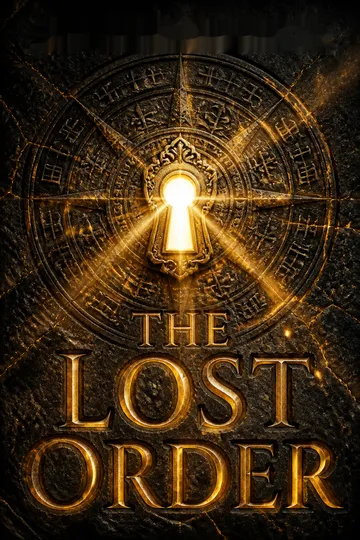
Steve Berry's The Lost Order is a masterful blend of historical thriller, political intrigue, and psychological drama. At its core, the novel interrogates the legacy of America's past—the unfinished business of the Civil War, the allure and danger of secret societies, and the enduring tension between ambition and principle. Through the intertwined stories of Cotton Malone, Danny Daniels, and the Knights of the Golden Circle, Berry explores how the ghosts of history shape the present, for good and ill. The novel's use of coded artifacts, generational secrets, and political machinations creates a rich tapestry of suspense and meaning. The characters are deeply human—flawed, driven, and searching for redemption. The ultimate lesson is that true treasure lies not in gold, but in the courage to confront the past, the wisdom to choose unity over division, and the hope that knowledge can heal even the deepest wounds. In an age of polarization and uncertainty, The Lost Order is both a gripping adventure and a timely meditation on the power of history, the necessity of reform, and the enduring promise of the American experiment.
Review Summary
The Lost Order by Steve Berry receives mixed reviews averaging 4.09/5 stars. Fans praise Berry's blend of historical facts with thrilling fiction, particularly regarding the Knights of the Golden Circle and Confederate treasure. Many appreciated finally learning Cotton Malone's nickname origin and the fast-paced action. However, some readers found the plot overcrowded with subplots, too politically heavy, or less engaging than earlier series entries. The Smithsonian connection and Civil War history fascinated many, though a few felt the Confederate organization's portrayal was problematic. Overall, history buffs enjoyed it more than casual readers.
People Also Read
Characters
Cotton Malone
Cotton Malone, a former Magellan Billet agent turned rare book dealer, is drawn into the hunt for the Knights' treasure by his sense of duty and personal connection—his ancestor, Angus Adams, was a key figure in the Order. Cotton is analytical, resourceful, and driven by a need to reconcile the past with the present. His relationships—with Cassiopeia Vitt, his mother, and his own history—shape his actions. He is both a man of action and reflection, wrestling with the moral ambiguities of legacy, loyalty, and justice. Through danger and loss, Cotton's journey is one of self-discovery, as he learns that true treasure lies in knowledge and connection, not gold.
Cassiopeia Vitt
Cassiopeia is Cotton's equal in intellect and courage, a woman of European heritage with her own scars and demons. Her relationship with Cotton is both romantic and pragmatic—they save each other, challenge each other, and find solace in shared danger. Cassiopeia's independence is matched by her loyalty; she risks her life for Cotton and for the truth. Her encounters with violence, betrayal, and the Order's secrets test her resilience, but she emerges stronger, choosing love and partnership over isolation. Cassiopeia's arc is one of healing and hope, as she finds a place—and a person—to call home.
Danny Daniels
Danny, ex-president and newly appointed senator, is a man shaped by loss—of his daughter, his marriage, and his friend Alex Sherwood. His political acumen is matched by a deep sense of justice and a willingness to fight for what's right, even when it means breaking the rules. Danny's relationship with Stephanie Nelle is a source of vulnerability and strength; their love is hard-won and honest. As he confronts conspiracies, murder, and the threat to American democracy, Danny's journey is one of atonement and renewal. He learns that leadership is not about power, but about service, sacrifice, and the courage to change.
Stephanie Nelle
Stephanie, head of the Magellan Billet, is a woman of intelligence, integrity, and quiet strength. Her near-fatal shooting is a turning point, forcing her to confront her own mortality and the cost of her choices. Stephanie's relationship with Danny is a rare source of joy and vulnerability. She is a mentor to Cotton and Cassiopeia, a leader who inspires loyalty and respect. Stephanie's arc is one of survival and wisdom; she emerges from trauma with a renewed sense of purpose, committed to justice and the pursuit of truth.
Diane Sherwood
Diane is a complex antagonist—intelligent, driven, and ultimately undone by her own ambition and resentment. Her involvement in the Knights' schemes, her manipulation of her brother and Vance, and her murder of her husband and his lover reveal a woman consumed by the need for control and recognition. Diane's psychological unraveling is both chilling and pitiable; she is a product of her environment, her family, and her own choices. Her end is violent and lonely, a cautionary tale of the dangers of unchecked ambition and the corrosive power of secrets.
Frank Breckinridge
Frank, former Castle curator and lifelong knight, is the sentinel of the vault and the Order's traditions. His apparent dementia is a ruse, masking a sharp mind and a ruthless will. Frank's relationship with his son Grant is fraught with disappointment and manipulation; he uses Grant as a pawn in his own schemes. Frank's ultimate goal is to keep the vault hidden, believing the world is not ready for its power. His actions are both protective and destructive, embodying the Order's contradictions—loyalty and secrecy, honor and violence.
Grant Breckinridge
Grant is a man driven by resentment, greed, and a desperate need for validation. His willingness to kill, betray, and manipulate makes him a dangerous adversary. Grant's relationship with his father is toxic—he is both used and discarded, never measuring up to the Order's ideals. His alliance with Diane is opportunistic, and his ultimate fate—a violent death at Cotton's hands—is the inevitable result of his choices. Grant represents the dark side of legacy, where ambition and entitlement lead only to ruin.
James Proctor
Proctor is the Order's muscle—a man who kills without remorse, loyal to the old ways and the code of violence. His encounters with Cassiopeia and the sentinels are marked by brutality and cunning. Proctor's faith in the Order is both his strength and his weakness; he is a relic of a bygone era, unable to adapt to a changing world. His death is a necessary end to the cycle of violence he perpetuates.
Lucius Vance
Vance is the embodiment of political ambition—charismatic, calculating, and willing to upend the nation's balance of power for personal gain. His alliance with Diane and Kenneth is pragmatic, his vision for the House's supremacy both bold and dangerous. Vance's arc is one of hubris and comeuppance; he is ultimately outmaneuvered by Danny, forced to abandon his coup. Vance is a warning of the perils of unchecked power and the fragility of democracy.
Warren Weston
Weston, the Supreme Court's chief justice and the Order's hidden leader, is a man of intellect and contradiction. He seeks to use the vault's wealth for legal reform, believing in the power of ideas and the necessity of change. Weston's secrecy and manipulation are justified by his sense of mission, but he is ultimately forced to confront the limits of control and the cost of secrets. His arc is one of reckoning and humility, as he chooses to honor Adams' final command and serve the greater good.
Plot Devices
Dual Timelines and Generational Legacy
The novel's structure weaves together the Civil War era and the present day, using the fire at the Smithsonian as a symbolic and literal starting point. The actions of Angus Adams and the original Knights set in motion a chain of events that reverberate through generations, affecting Cotton, the Breckinridges, and the Sherwoods. Family legacy, hidden journals, and coded artifacts serve as bridges between eras, allowing the past's unresolved conflicts to play out in the present. This device deepens the narrative, making the hunt for gold a quest for identity, justice, and reconciliation.
Coded Clues and Symbolic Artifacts
The five stones, each bearing cryptic symbols and riddles, are central to the plot. Their interpretation requires knowledge of history, language, and the Order's secret codes. The ceremonial key, both a literal and symbolic object, unlocks not just the vault but the truth about the Order's intentions. The use of fore-edge painting, hidden journals, and layered maps creates a sense of mystery and discovery, engaging both characters and readers in the process of unraveling the past.
Political Intrigue and Power Struggles
The novel's contemporary plot is driven by political machinations—Vance's attempt to seize power, Diane's manipulations, and the Order's internal schism. The use of real legislative procedures, constitutional loopholes, and the interplay between the House, Senate, and Supreme Court grounds the story in plausible reality. The stakes are not just personal, but national, as the characters' actions threaten to reshape the government itself. This device heightens tension and explores the fragility of institutions.
Foreshadowing and Misdirection
From the prologue's fire to the killer monuments and coded warnings, the novel uses foreshadowing to build suspense and hint at future dangers. Characters' true motives are often hidden, revealed only through action or confession. The use of imposters, double agents, and unreliable narrators keeps the reader guessing, while the gradual revelation of the Order's history and the vault's location mirrors the characters' own journey from ignorance to understanding.
Thematic Resonance and Moral Ambiguity
The novel's plot devices are in service of deeper themes: the burden of history, the possibility of change, and the cost of ambition. The gold is both a literal prize and a metaphor for knowledge, power, and the choices that define us. Characters are forced to confront their own legacies, the consequences of violence, and the possibility of forgiveness. The final revelation—that the true lost order is one of unity, learning, and peace—gives the story its emotional weight and lasting impact.
Cotton Malone Series
About the Author
Download PDF
Download EPUB
.epub digital book format is ideal for reading ebooks on phones, tablets, and e-readers.








































