
Plot Summary
Deep Sea Secrets Awaken
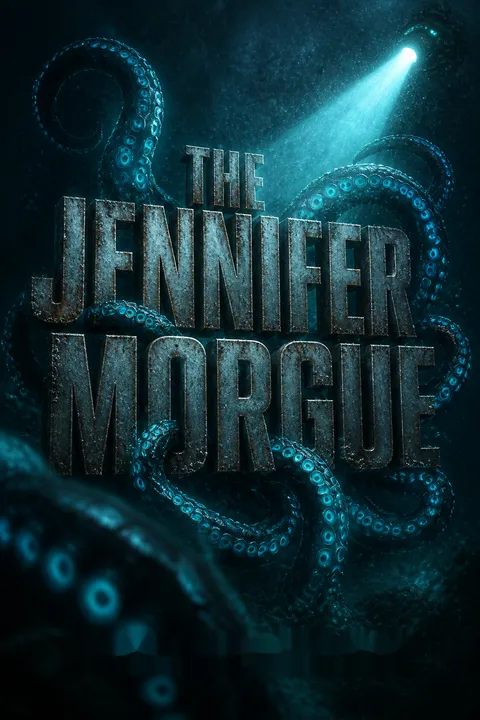
In 1975, a CIA-led mission attempts to recover a sunken Soviet submarine from the Pacific's abyssal depths using the massive ship Clementine. As the crew celebrates their technological triumph, they unwittingly violate a secret treaty with the Deep Ones—ancient, nonhuman denizens of the ocean. As the submarine is lifted, monstrous tentacles rise from the seafloor, threatening to destroy the operation. The human agents realize too late that they have trespassed into forbidden territory, and the consequences are both immediate and cosmic. This prologue sets the tone: the world is not only stranger than we know, but also far more dangerous, with humanity's technological ambitions constantly brushing up against ancient, inhuman powers that enforce their own rules.
Bureaucracy and Black Magic
Bob Howard, a computational demonologist and civil servant for the Laundry—a secret British agency defending against occult threats—narrates his life of bureaucratic tedium, office politics, and supernatural peril. Sent to Germany for a routine liaison meeting, Bob's journey is fraught with petty indignities, from driving a tiny Smart car on the autobahn to dealing with cryptic orders from his enigmatic boss, Angleton. The Laundry's world is one where magic is real, but accessed through mathematics and computation, and where the greatest threats are often buried in paperwork. Bob's relationship with his partner Mo is strained by their dangerous jobs and the secrets they must keep, underscoring the personal costs of living on the front lines of cosmic horror.
A Deadly Partnership Forged
At a hotel bar, Bob is approached by Ramona Random, a glamorous and lethal Black Chamber operative. Their banter is laced with threat and sexual tension, but Ramona quickly reveals her true nature: every man she sleeps with dies, and she's not entirely human. The two are forced into a partnership by their superiors, each suspicious of the other's motives. Ramona's glamour is both literal and metaphorical, masking her monstrous origins and the predatory hunger beneath her beauty. Their partnership is cemented by a destiny-entanglement ritual, binding their fates and thoughts together in a telepathic link that is as invasive as it is necessary for the mission ahead.
Entanglement Rituals and Nightmares
Bob undergoes a harrowing ritual with Ramona, overseen by his eccentric colleagues Pinky and Brains. The process is invasive, painful, and leaves them telepathically linked—able to share thoughts, dreams, and even physical sensations. The ritual is not just a security measure but a narrative device, forcing two distrustful agents to become intimately connected. The psychological toll is immediate: Bob experiences Ramona's predatory feeding in his dreams, blurring the line between victim and accomplice. The entanglement is both a tool and a curse, amplifying the story's themes of identity, agency, and the cost of wielding power against the unknown.
PowerPoint of Doom
At the joint European occult committee meeting, Bob and Ramona discover that a seemingly innocuous PowerPoint presentation is actually a weaponized memetic attack, designed to brainwash or destroy the attendees. The presentation, created by the tech billionaire Ellis Billington's company, is a vector for an occult incursion. Bob and Ramona narrowly survive by using countermeasures, but most of the delegates are not so lucky. The incident exposes the reach and ambition of Billington, who is using corporate tools and magical technology to manipulate governments and agencies. The blending of corporate banality and cosmic horror is both satirical and chilling.
The Billionaire's Endgame
Bob is briefed on the real stakes: Ellis Billington, a tech mogul with occult expertise, has acquired the Glomar Explorer and is planning to recover a chthonic artifact—Jennifer Morgue Site Two—from the ocean floor. Billington's ambitions are not just financial; he seeks to harness the power of ancient, inhuman entities for his own ends, risking the wrath of the Deep Ones and the destabilization of reality itself. The Laundry and the Black Chamber are forced into an uneasy alliance, sending Bob and Ramona to the Caribbean to infiltrate Billington's operation. The mission is complicated by layers of deception, magical geases, and the ever-present threat of betrayal.
Underwater Monsters and Human Monsters
In the Caribbean, Bob and Ramona navigate a web of spies, assassins, and supernatural threats. They uncover a human trafficking ring supplying victims for occult rituals, and realize that Billington's wife Eileen is running a cosmetics empire powered by blood magic and surveillance. The boundaries between human and monster blur, as the agents confront both literal and figurative predators. The narrative explores the commodification of bodies and souls, the seductive nature of power, and the ease with which moral lines are crossed in the pursuit of security or ambition.
Casino Espionage and Seduction
To get close to Billington, Bob and Ramona infiltrate his casino, navigating high-stakes games, social engineering, and magical glamours. The casino is a microcosm of the larger conflict: a place where luck, skill, and manipulation determine survival. Bob is forced to play a role scripted by Billington's geas—a magical narrative trap that forces everyone into archetypal roles from spy fiction. The tension between free will and destiny is heightened, as Bob realizes he is being maneuvered into the position of the "hero" in a story he cannot control, with Ramona as both ally and potential femme fatale.
Descent into the Abyss
The climax approaches as Bob and Ramona are forced aboard Billington's ship, the Mabuse, and then the Glomar Explorer. Ramona, revealed as a Deep One hybrid, must pilot the submersible grab down to the abyssal plain to recover Jennifer Morgue Site Two. The descent is both literal and metaphorical, as the characters confront the monstrous, the alien, and the parts of themselves they fear most. The entanglement between Bob and Ramona reaches its peak, threatening to erase their identities. The narrative's Lovecraftian roots are most explicit here, as the ancient, sleeping horrors beneath the sea begin to stir.
Betrayals and Double Agents
As the artifact is raised, betrayals come to light: McMurray, Ramona's controller, is revealed as a double agent; Billington's true allegiance is to the chthonic entity he seeks to awaken; and even the Laundry's own station chief is compromised. The geas that has been scripting everyone's actions is revealed as a "Hero Trap," forcing the story to play out like a Bond film, with deadly consequences for anyone who tries to break the script. The characters must navigate not only external threats but the internal logic of the narrative itself, struggling to assert agency in a world where destiny is weaponized.
Catastrophe at the Jennifer Morgue
The artifact is brought to the surface, but the ritual goes awry. Billington, possessed by the chthonic entity, attempts to complete the summoning with a human sacrifice. The boundaries between human and monster, technology and magic, collapse in chaos. Mo, Bob's partner, arrives in disguise and uses her own occult weapon—a violin capable of unbinding demons—to disrupt the ritual. The ship is destroyed, the artifact is sent back to the depths, and the geas is broken, but not without cost. The survivors are left traumatized, changed, and uncertain of their own identities.
The Hero Trap Unleashed
In the aftermath, Bob and Mo confront the lingering effects of the geas. The story's metafictional elements come to the fore: the characters realize they have been forced into roles by a narrative structure as powerful as any spell. To break the cycle, they must do something utterly un-Bond-like—Mo proposes marriage to Bob, subverting the expectations of the genre and freeing themselves from the story's grip. The resolution is both personal and cosmic, as love and agency triumph over fate and manipulation.
The Final Unbinding
Ramona, freed from her daemon and her entanglement with Bob, undergoes her final transformation into a Deep One, leaving the human world behind. Bob and Mo, scarred but alive, return to the Laundry and attempt to rebuild their lives. The cost of victory is high: innocence lost, relationships changed, and the knowledge that the world remains full of hidden horrors. The story ends with a sense of uneasy peace, as the characters reflect on what they have gained and lost, and the price of survival in a world where the boundaries between reality and fiction, human and monster, are always shifting.
Aftermath and Reckoning
Back in England, Bob and Mo face bureaucratic fallout, psychological trauma, and the challenge of redefining their relationship. The Laundry's leadership offers apologies and counseling, but the scars run deep. The narrative explores the long-term consequences of entanglement, betrayal, and exposure to cosmic horror. The characters must find new ways to trust each other and themselves, even as they remain vigilant against the next incursion. The story's humor and humanity shine through, offering hope amid the darkness.
Games Within Games
In a coda, Bob is assigned a new intern, Pete, who promptly gets trapped in a magically dangerous online game. The episode is both comic and ominous, highlighting the ongoing evolution of occult threats in the digital age. The Laundry's work is never done, and the cycle of mentorship, danger, and absurdity continues. The story ends with a wink to the reader: the world is still full of secrets, and the line between game and reality is thinner than ever.
Analysis
A postmodern spy-horror satire on power, agency, and narrativeThe Jennifer Morgue is a dazzling fusion of Lovecraftian cosmic horror, British spy satire, and postmodern metafiction. Charles Stross uses the trappings of the Bond mythos—gadgets, casinos, femme fatales, and megalomaniacal villains—not just for parody, but to interrogate the ways in which stories shape our expectations, our actions, and even our fates. The novel's central conceit—that a magical geas can force people to act out a narrative script—serves as both a plot engine and a philosophical provocation. Stross explores the costs of agency in a world where power is always mediated by systems—bureaucratic, technological, or magical—and where the boundaries between human and monster, reality and fiction, are always in flux. The book is a warning about the dangers of unchecked ambition, the seductions of power, and the ease with which we become complicit in our own manipulation. Yet it is also a celebration of resilience, love, and the possibility of breaking free from the stories that bind us. In the end, The Jennifer Morgue is both a thrilling adventure and a meditation on the stories we tell—and the ones that tell us.
Review Summary
The Jennifer Morgue combines James Bond spy thriller elements with Lovecraftian horror in this second Laundry Files novel. Reviews praised Stross's blend of bureaucratic humor, tech references, and supernatural action, with protagonist Bob Howard navigating a Bond-parody plot involving a billionaire villain and destiny entanglement with a succubus agent. Readers appreciated the self-aware Bond spoofing and creative mythology, though some found the technobabble excessive and characterization weak. The book's appeal targets niche audiences familiar with Bond films, Lovecraft, and computer science. Most reviewers rated it 3-4 stars, calling it entertaining but divisive depending on Bond appreciation.
People Also Read
Characters
Bob Howard
Bob is a computational demonologist and civil servant, thrust into cosmic horror by accident and kept there by necessity. His dry wit and self-deprecating humor mask deep anxieties about his own competence, morality, and the nature of reality. Bob's relationships—with Mo, with his colleagues, and with Ramona—are fraught with tension, affection, and the ever-present threat of betrayal. Psychologically, Bob is a classic "reluctant protagonist," forced into heroism by circumstance and narrative manipulation. His development is marked by increasing self-awareness, resilience, and a hard-won understanding of the costs of survival in a world where stories can kill.
Ramona Random
Ramona is a Black Chamber operative, a Deep One hybrid, and a succubus bound by a daemon she cannot control. Her glamour conceals both her monstrous origins and her profound loneliness. Ramona's relationship with Bob is complex: she is both partner and threat, ally and potential destroyer. Psychologically, she is torn between her predatory instincts and her longing for connection, her loyalty to her masters and her desire for freedom. Her arc is one of tragic transformation, as she is ultimately freed from her daemon but forced to leave the human world behind.
Mo O'Brien
Mo is Bob's partner, a philosopher-turned-occultist whose intelligence and strength are matched by her emotional depth. She is fiercely protective of Bob, but also independent and capable of great violence when necessary. Mo's development is marked by her increasing agency: she refuses to be a passive love interest, instead taking on the role of rescuer and avenger. Her relationship with Bob is tested by secrets, trauma, and the demands of their work, but ultimately endures. Psychologically, Mo embodies the tension between love and duty, vulnerability and power.
Ellis Billington
Billington is a tech billionaire whose ambition and occult expertise make him both a formidable adversary and a tragic figure. His desire to control ancient powers leads to his possession by a chthonic entity, blurring the line between villain and victim. Billington's charisma and intelligence are undermined by his hubris and his willingness to sacrifice anything—and anyone—for power. Psychologically, he represents the dangers of unchecked ambition and the seductive allure of forbidden knowledge.
Angleton
Angleton is Bob's boss, a mummified spymaster whose motives are as inscrutable as his methods. He is both protector and exploiter, using his agents as tools in a larger game. Psychologically, Angleton is a study in compartmentalization, secrecy, and the burdens of leadership. His relationship with Bob is paternal but distant, marked by a mixture of genuine concern and ruthless pragmatism.
McMurray
McMurray is Ramona's handler, a Black Chamber operative who is ultimately sacrificed in Billington's ritual. His loyalty is divided, and his fate is a cautionary tale about the costs of playing both sides. Psychologically, McMurray is driven by duty, fear, and a desperate desire for agency in a world where everyone is someone else's tool.
Eileen Billington
Eileen is Ellis Billington's wife and the mastermind behind a cosmetics empire powered by blood magic and surveillance. Her charm and sophistication mask a ruthless, predatory nature. Psychologically, Eileen is a study in narcissism, entitlement, and the commodification of bodies and souls. Her relationship with Ellis is transactional, and her ultimate fate is a reflection of the dangers of unchecked power.
Johanna Todt
Johanna is a Black Chamber assassin, a rival to Ramona, and a literal soul-eater. Her presence amplifies the story's themes of predation, competition, and the thin line between ally and enemy. Psychologically, Johanna is driven by hunger—literal and metaphorical—and her interactions with Bob and Ramona are marked by both attraction and lethal threat.
Pinky and Brains
Pinky and Brains are Bob's eccentric colleagues, providing both comic relief and essential technical support. Their banter and ingenuity highlight the absurdity and danger of the Laundry's work. Psychologically, they are archetypal "mad scientists," more comfortable with machines and magic than with people, but fiercely loyal to their friends.
Pete Young
Pete is Bob's new intern, a young and enthusiastic gamer who quickly finds himself in over his head. His arc is both comic and tragic, illustrating the ongoing dangers of the Laundry's work and the thin line between play and peril. Psychologically, Pete represents innocence, curiosity, and the risks of ignorance in a world where knowledge is both power and poison.
Plot Devices
Destiny-Entanglement and Narrative Geas
The central plot device is the use of magical geases and destiny-entanglement rituals to force characters into archetypal roles—hero, villain, love interest—drawn from spy fiction, especially the James Bond canon. Billington's "Hero Trap" geas manipulates probability and narrative structure, compelling everyone to act out a script that serves his ends. This metafictional device blurs the line between free will and fate, turning the story itself into a battleground. Foreshadowing is achieved through references to Bond tropes, while the narrative structure mirrors the beats of a spy thriller, subverted by the characters' awareness and resistance. The device is both a commentary on genre fiction and a mechanism for exploring deeper questions of identity, agency, and the power of stories to shape reality.
Laundry Files Series
About the Author
Other books by Charles Stross
Download PDF
Download EPUB
.epub digital book format is ideal for reading ebooks on phones, tablets, and e-readers.








































