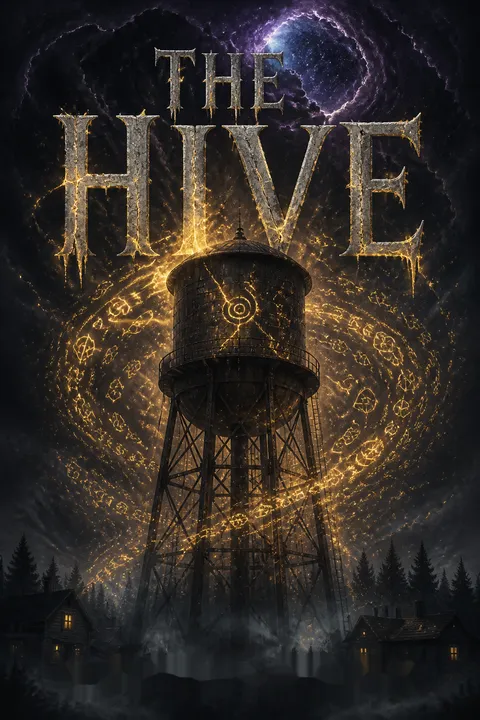

Plot Summary
The Storm's Strange Awakening
Ellen McBride and her son Cory are jolted awake by a violent, unnatural storm that shakes their home and their sense of reality. The storm is more than weather—it's a catalyst, a harbinger of something vast and inexplicable. Cory's latent psychic abilities manifest in a moment of crisis, saving them from flying glass, but leaving Ellen deeply unsettled. As the neighborhood emerges from the chaos, the world feels subtly, irrevocably altered. Ellen's maternal instincts war with her growing fear, while Cory senses a new, urgent presence within himself. The storm marks the beginning of a transformation, not just for their family, but for the entire community of Mariner's Cove, as something ancient and collective begins to stir.
Symbols and Secrets Unveiled
In the storm's aftermath, cryptic symbols begin appearing everywhere—on sidewalks, mailboxes, and even in people's minds. Raj, a local architect, is the first to succumb, compulsively drawing these sigils, unable to read or think in normal language. Cory, too, is haunted by the symbols, sensing their importance but not their meaning. The symbols act as a psychic contagion, spreading through the neighborhood, infecting the thoughts and behaviors of its residents. Ellen tries to ignore the mounting oddities, but the evidence is everywhere: objects move on their own, people act out of character, and a sense of collective unease grows. The symbols are instructions, blueprints for something vast, but no one yet knows what is being built—or why.
The Hive Mind Emerges
As more residents fall under the sway of the symbols, a hive mind begins to form. People are drawn together by compulsions and obsessions they can't explain—collecting objects, building structures, and communicating telepathically. Stinger, a local handyman and beekeeper, becomes the de facto leader, channeling the group's energy into constructing a mysterious machine at the base of the water tower. The boundaries between individual minds blur, and telepathic transmissions become common. The hive mind is both exhilarating and terrifying, offering a sense of belonging but erasing personal will. The neighborhood's transformation accelerates, and the sense of impending purpose grows ever stronger.
Powers and Paranoia
Cory's psychic powers grow, allowing him to move objects and read thoughts, but also making him a target. Others, like Brian—Ellen's estranged brother—feel echoes of these abilities, drawn back to Mariner's Cove by dreams and psychic distress calls. Paranoia spreads as some residents resist the hive's influence, while others become obsessed with protecting or controlling those with power. The neighborhood fractures into watchers and watched, with Cory at the center. Ellen's fear for her son deepens as she realizes the danger is not just external, but within their own minds and bodies. The psychic web tightens, and the cost of resistance becomes clear.
The Door and the Cracks
Michael Danver, a retired surgeon, becomes obsessed with a door he finds after the storm—an object that seems to be a literal and figurative crack between worlds. The door's shadow is a portal, swallowing objects and even living things. Cracks begin appearing elsewhere: in people, in the landscape, in the fabric of reality itself. The door becomes a focal point for the hive's energy, a necessary piece of the machine being built. As the cracks widen, the boundaries between worlds thin, and the sense of something monstrous waiting to come through grows ever more urgent.
Obsessions Take Hold
Residents are overtaken by obsessions: collecting coat hangers, wheels, colanders, and other seemingly random items. These objects are not random—they are the components of the hive's machine, each person compelled to bring their piece. The obsessions override personal relationships, morality, and even survival instincts. The hive mind's influence is total, and those who resist are sidelined or destroyed. The machine at the water tower grows, a patchwork of metal, wire, and psychic energy, awaiting the final piece to bring it to life.
The Neighborhood Changes
The neighborhood is no longer safe or familiar. People disappear, violence erupts, and the old social order collapses. The hive mind enforces its will, using telepathy and physical force to keep the project on track. Outsiders are repelled or assimilated. The cracks in reality widen, and the sense of an approaching endgame becomes inescapable. The water tower, now called the Hive, is both a beacon and a threat, drawing everyone toward a final, catastrophic convergence.
The Tower's Purpose
As the machine nears completion, its purpose becomes clear: it is a transmitter, a megaphone for something vast and alien trapped in the neighborhood. The hive mind's compulsions are not random—they are the instructions of this entity, using human obsession and psychic power to build its escape. The water tower is the focal point, the altar, the gateway. The final piece is missing: the engine, the battery, the boy. Cory's powers are needed to activate the machine and open the ultimate crack between worlds.
The Altar and the Dragon
The altar—a hybrid of door, chair, colander, wires, and other objects—is completed beneath the tower. The entity, called the Dragon, is neither good nor evil, but a force of nature desperate to return home. The hive mind's purpose is to facilitate this escape, regardless of the cost to the neighborhood or its people. The Dragon's voice is heard through the altar, imparting visions and compulsions. The final ritual begins, and the neighborhood is caught in a storm of psychic and physical upheaval.
The Boy, the Engine
Cory is abducted by the hive's enforcers—neighbors, police, and even former friends now under the Dragon's sway. He is brought to the altar, the engine needed to power the machine. His psychic abilities, suppressed by the collective will of the hive, are finally unleashed. The machine activates, channeling his power and the hive's energy into a blinding, world-shattering transmission. The Dragon is freed, bursting through the crack in reality, leaving devastation in its wake.
Endgame Ignites
The activation of the machine triggers a cataclysm: the water tower explodes, the neighborhood burns, and the cracks between worlds widen. The hive mind collapses, its purpose fulfilled, leaving the survivors dazed and broken. Some, like Brian, sacrifice themselves to save others; others are lost or transformed forever. The Dragon's escape is both an ending and a beginning, a cosmic event that redefines the neighborhood and its people. The survivors flee, seeking safety and meaning in the aftermath.
The Collapse and Escape
As the tower falls and the neighborhood burns, Ellen and Cory escape in Brian's van, traumatized but alive. Other survivors scatter, their memories of the event already fading or fragmented. The obsessions and compulsions that drove them are gone, replaced by a sense of loss and confusion. The world has changed, but life goes on. The survivors cling to each other, seeking comfort in the small, human connections that remain.
The World Is a Neighborhood
In the aftermath, the survivors reflect on what has happened. The world is revealed to be a network of neighborhoods, each vulnerable to forces beyond understanding. The cracks between worlds may close, but the memory of the Dragon lingers. Cory, his powers diminished, finds solace in the love of his mother and the memory of his uncle. The story ends with a sense of fragile hope: the world is still a neighborhood, and the bonds between people—however tested—endure.
Analysis
A modern parable of collective obsession and cosmic indifferenceThe Hive is a chilling meditation on the dangers of conformity, the loss of individuality, and the seductive power of collective purpose. Ronald Malfi uses the microcosm of a suburban neighborhood to explore how ordinary people can be overtaken by forces beyond their understanding—be they addiction, obsession, or the literal invasion of an alien consciousness. The story's central metaphor—the hive mind—serves as both a warning and a mirror, reflecting the ways in which communities can be manipulated, divided, and ultimately destroyed by their own compulsions. The Dragon, as an amoral force of nature, embodies the universe's indifference to human suffering, while the characters' struggles for agency and connection offer a fragile hope. The novel's lessons are clear: vigilance against the loss of self, the importance of empathy and forgiveness, and the enduring power of human bonds in the face of the unknown. In the end, The Hive is a story about the cracks in reality—both literal and psychological—and the ways in which we must navigate them, together and alone.
Review Summary
The Hive is a slow-burn cosmic horror set in Mariner's Cove, earning a 3.85 average rating. Readers widely praised Malfi's atmospheric dread, memorable characters, and unsettling premise involving storm debris that obsesses townsfolk. However, the near-800-page length drew frequent criticism, with many noting excessive repetition, bloated POVs, and sluggish pacing in the middle sections. Comparisons to Stephen King's Needful Things and The Tommyknockers were common. Most agreed the ending was satisfying, though some found it rushed. Dedicated Malfi fans generally enjoyed it; newcomers were more divided.
People Also Read



Characters
Ellen McBride
Ellen is the emotional anchor of the story, a single mother fiercely devoted to her son Cory. Her journey is one of escalating fear and determination, as she confronts the supernatural changes overtaking her neighborhood and the psychic dangers threatening her child. Ellen's relationship with her estranged brother Brian is fraught with guilt and longing, and her maternal instincts drive her to acts of both tenderness and violence. Psychologically, Ellen is torn between denial and action, her love for Cory both her greatest strength and her deepest vulnerability. By the end, she is battered but unbroken, embodying the resilience of ordinary people in extraordinary circumstances.
Cory McBride
Cory is a ten-year-old boy whose latent psychic abilities are awakened by the storm and the Dragon's influence. Sensitive, intelligent, and increasingly isolated, Cory becomes the focal point of the hive's obsession. His powers—telekinesis, telepathy, and mind-reading—make him both a target and a tool. Cory's relationship with his mother is central, but he also yearns for connection with his absent uncle Brian, who shares his gifts. Psychologically, Cory is caught between childhood innocence and the burden of cosmic responsibility. His journey is one of fear, courage, and ultimately, sacrifice, as he becomes the engine that powers the Dragon's escape.
Brian Russo
Brian is Ellen's brother, a recovering addict whose own psychic abilities have faded with age and trauma. Drawn back to Mariner's Cove by dreams and psychic distress calls from Cory, Brian becomes both a mentor and a martyr. His struggle with addiction mirrors the neighborhood's descent into obsession, and his love for Cory and Ellen is both redemptive and tragic. Brian's psychological arc is one of guilt, forgiveness, and self-sacrifice. He is the story's conscience, embodying the possibility of change even in the face of overwhelming darkness.
Stinger (Jeremy Stuckey)
Stinger is a handyman and beekeeper whose mind is the first to be fully colonized by the hive. He becomes the leader and enforcer, channeling the collective will into the construction of the machine. Stinger's obsession is both literal and metaphorical, as he loses his individuality to the hive mind. His relationship with his ailing mother, Queenie, is fraught with resentment and duty, and his interactions with other residents are marked by manipulation and violence. Psychologically, Stinger is both victim and perpetrator, a man consumed by purpose and ultimately destroyed by it.
Michael Danver
Danver is a pragmatic, rational man whose life unravels after he discovers the mysterious door. His obsession with the door mirrors the neighborhood's collective madness, and he becomes a key figure in the machine's construction. Danver's relationships—with his wife Miranda, his neighbors, and the door itself—are marked by detachment and longing. Psychologically, he is a man undone by forces he cannot understand, his search for meaning leading him to tragedy and, ultimately, a kind of cosmic participation.
Georgette Braswell
Georgette is Alex's wife, initially skeptical of the changes in her husband and the neighborhood. As the hive mind's influence grows, she becomes both a victim and an agent, her own obsessions driving her to participate in the machine's construction. Georgette's psychological journey is one of resistance, surrender, and eventual complicity. Her love for her family is genuine, but her sense of self is eroded by the collective will. She embodies the tension between individuality and belonging, and her fate is tied to the hive's success or failure.
Alex Braswell
Alex is a practical, logical man whose mind is gradually overtaken by the hive's compulsions. He becomes the machine's designer, translating the symbols into blueprints and overseeing the construction. Alex's relationships—with Georgette, their children, and the other residents—are strained by his growing obsession. Psychologically, he is a man at war with himself, torn between reason and madness, autonomy and submission. His ultimate role is both creator and destroyer, the architect of the neighborhood's transformation.
Sarah Miller
Sarah is a nineteen-year-old waitress whose pregnancy and psychic sensitivity make her a key player in the hive's drama. Her compulsive collection of coat hangers and her telepathic connection to others mark her as both vulnerable and powerful. Sarah's relationship with Eric, her father, and her unborn child is complex, shaped by fear, hope, and the hive's influence. Psychologically, she is a liminal figure, caught between childhood and adulthood, life and death, individuality and collectivity. Her fate is emblematic of the story's themes of transformation and sacrifice.
Eric Rhodes
Eric is a young man drawn into the hive's orbit by his connection to Sarah and his own psychic abilities. Initially resistant to the hive mind, Eric becomes one of the enforcers, helping to capture Cory and suppress his powers. His psychological arc is one of ambivalence, guilt, and eventual complicity. Eric's relationships—with Sarah, the other watchers, and the hive itself—are marked by longing and fear. He embodies the dangers of passivity and the ease with which ordinary people can become instruments of collective will.
The Dragon (The Purpose)
The Dragon is the story's true antagonist and driving force—a vast, ancient, and amoral consciousness trapped in the neighborhood. It communicates through symbols, compulsions, and the hive mind, using human obsession and psychic power to build its escape. The Dragon is neither good nor evil, but a force of nature, indifferent to human suffering. Its relationship to the characters is parasitic, exploiting their weaknesses and desires to achieve its own ends. Psychologically, the Dragon represents the unknown, the uncontrollable, and the cosmic indifference of the universe.
Plot Devices
The Hive Mind and Collective Obsession
The central plot device is the emergence of a hive mind—a collective consciousness that subsumes individual will and drives the community toward a singular, incomprehensible purpose. This is achieved through psychic contagion, telepathic transmissions, and shared compulsions. The hive mind is both a source of power and a mechanism of control, erasing boundaries between people and making them instruments of the Dragon's will. The device is used to explore themes of conformity, loss of self, and the dangers of collective action without understanding.
Symbols as Blueprints and Language
The proliferation of symbols—drawn, painted, and tattooed—serves as both a plot device and a metaphor. The symbols are the Dragon's language, a set of instructions for building the machine that will free it. They infect the minds of the residents, replacing normal language and thought, and act as a psychic virus. The process of deciphering and assembling the symbols drives the plot, creating mystery, tension, and a sense of inevitability.
The Door and Cracks in Reality
The mysterious door and the cracks that appear throughout the neighborhood are literal and figurative gateways between worlds. They represent the thinning of reality, the intrusion of the Dragon's realm, and the fragility of the boundaries that separate the known from the unknown. The door is both a physical object and a symbol of obsession, its shadow a portal that swallows and disgorges people and things. The cracks foreshadow the coming collapse and the ultimate merging of worlds.
Foreshadowing and Narrative Structure
The story is structured around multiple points of view, dreams, and psychic transmissions, creating a sense of disorientation and inevitability. Nightmares foreshadow coming events, and the gradual convergence of characters and plotlines builds tension. The use of recurring motifs—circles, spirals, bees, and dragons—reinforces the story's themes and creates a sense of unity amid chaos. The narrative's structure mirrors the hive mind itself: fragmented, collective, and ultimately unified in purpose.
Download PDF
Download EPUB
.epub digital book format is ideal for reading ebooks on phones, tablets, and e-readers.








































