
Plot Summary
Admission: Hope and Dread
Margaret Culpepper, a young woman ravaged by the rare autoimmune Fayette-Gehret syndrome, checks into Graceview Memorial for an experimental inpatient protocol called SWAIL. The hospital is both a sanctuary and a prison, gleaming and impersonal, promising a cure but demanding total surrender. Margaret's initial hope is fragile, shadowed by exhaustion and the knowledge that her life outside has already been stripped away by illness. The hospital's routines—shift changes, pain scales, and endless monitoring—become her new reality. She is both subject and object, her body catalogued and controlled. The promise of healing is laced with dread, as Margaret senses the cost will be higher than she can imagine. The hospital's clinical order masks a deeper, more insidious uncertainty.
The Hospital as Organism
Margaret quickly realizes that Graceview is more than a collection of rooms and staff; it is a living system, an organism with its own rhythms and secrets. The architecture is a blend of old and new, with hidden decay beneath the surface. The routines of care—IVs, blood draws, and constant surveillance—erode her sense of self. The hospital's language, its codes and protocols, begin to replace her own. Margaret's isolation deepens as she becomes just another patient, her identity reduced to a wristband and a chart. The hospital's indifference is palpable, yet it exerts a strange, almost sentient influence, shaping her experience and foreshadowing the blurring of boundaries between patient and institution.
The SWAIL Protocol Begins
The SWAIL protocol is both Margaret's last hope and a terrifying unknown. Adam Marsh, the charismatic pharmaceutical rep, reassures her with gifts and promises, but the reality is grimmer: SWAIL is a radical immunosuppressive therapy, designed to destroy and rebuild her immune system. The treatment is brutal—pain, confusion, and side effects mount. Margaret's body becomes a battleground, her agency slipping away as the protocol takes over. The staff's kindness cannot mask the dehumanization of constant intervention. Margaret's sense of time and self begins to erode, and she clings to the routines and the few personal connections she can make, even as the treatment's true risks become apparent.
Veronica's Warning
Veronica, another young woman with Fayette-Gehret, becomes Margaret's only peer and confidante. Their conversations, mediated by screens and isolation protocols, are laced with both camaraderie and dread. Veronica is further along in the SWAIL protocol, and her decline is both physical and mental—seizures, confusion, and a desperate longing for connection. She warns Margaret of the pain and the urge to run, hinting at something more sinister than just side effects. Veronica's isolation and eventual disappearance from the ward haunt Margaret, who is left to wonder if she is witnessing a natural progression or something far more unnatural.
Adam's Flowers and Promises
Adam Marsh, ever-present and attentive, brings Margaret flowers and gourmet food, offering comfort and a sense of being seen. His presence is seductive, a rare source of warmth in the sterile environment. Yet his role is ambiguous—he is not a doctor, not a nurse, but a representative of the pharmaceutical company, with motives that may not align with Margaret's well-being. His reassurances about SWAIL's risks and his insistence on her agency are comforting but also manipulative. Margaret's growing dependence on Adam's attention is both a lifeline and a vulnerability, as she begins to question what he is truly offering—and what he is hiding.
Isobel: The Night Nurse
Isobel, Margaret's night nurse, is competent, blunt, and emotionally guarded. She becomes a crucial figure in Margaret's care, offering both practical support and hard truths. Isobel's own burnout and trauma from past ICU work color her interactions, making her both empathetic and distant. She warns Margaret about the limits of what medicine can do and the dangers of pushing too far. Their relationship deepens into a fraught intimacy, with Isobel serving as both protector and, eventually, a victim of the same system. Isobel's presence is a touchstone for Margaret, anchoring her as reality begins to slip.
Drifting and Dissociation
As SWAIL intensifies, Margaret's consciousness fragments. She loses time, drifts in and out of awareness, and becomes increasingly detached from her own body and memories. The hospital's routines become her only anchor, but even these are unreliable. Hallucinations and nightmares blur the line between reality and delusion. Margaret's attempts to assert control—over her pain, her treatment, her environment—are met with institutional resistance and her own failing body. The loss of agency is profound, and Margaret begins to question not only her treatment but her very identity.
The Garden and the Boundaries
Seeking solace and a sense of purpose, Margaret ventures beyond her room, exploring the hospital's public spaces and the forbidden garden. These excursions are both liberating and perilous, exposing her to the hospital's hidden dangers and the ever-present risk of infection. Encounters with staff and other patients reinforce her outsider status. The garden, a symbol of life and healing, is also a site of transgression—Margaret's attempt to bring flowers to Veronica becomes an act fraught with guilt and unintended consequences. The boundaries between safety and danger, care and control, become increasingly porous.
Pain, Paranoia, and Control
The cumulative effects of pain, medication, and institutional control drive Margaret to the edge of paranoia. She becomes obsessed with the details of her care—redacted medical records, unexplained symptoms, and the motives of those around her. Attempts to assert her will—refusing treatment, seeking information, or manipulating her environment—are met with resistance or indifference. The hospital's systems are designed to contain and manage, not to empower. Margaret's sense of reality becomes increasingly unstable, and she is forced to confront the possibility that her perceptions are as unreliable as the care she receives.
Veronica's Decline
Veronica's condition deteriorates rapidly—seizures, hallucinations, and ultimately death. The staff's evasions and the redaction of medical records fuel Margaret's suspicion that something is being hidden. Veronica's death is both a personal loss and a harbinger of Margaret's own fate. The hospital's response is bureaucratic and impersonal, erasing Veronica's presence and denying Margaret closure. The sense of being part of an experiment, rather than a patient, becomes overwhelming. Margaret's grief and fear crystallize into a desperate need to understand what is happening to her and to those around her.
The Onset of Hallucinations
As her illness and treatment progress, Margaret begins to experience vivid hallucinations—of the hospital as a living, infected organism; of Adam and Isobel as both caretakers and threats; of Veronica as a ghostly presence. These visions are both metaphorical and literal, reflecting the hospital's hidden infection and Margaret's psychological unraveling. The boundaries between self and environment, patient and pathogen, become indistinct. Margaret's attempts to communicate her experiences are dismissed as delirium or psychosis, further isolating her. The hallucinations become both a source of terror and a means of insight.
Tuberculosis and Medical Hold
Margaret develops symptoms of tuberculosis, a diagnosis that places her on a medical hold and strips her of any remaining autonomy. The hospital's protocols become even more restrictive—full isolation, loss of personal belongings, and constant surveillance. The possibility of discharge evaporates, and Margaret is forced to continue SWAIL against her will. The staff's justifications are pragmatic, but Margaret perceives them as manipulative and self-serving. The sense of being a prisoner, rather than a patient, is complete. The hospital's indifference to her suffering is now matched by its active containment of her body and will.
Isolation and Lost Time
The combination of infection, treatment, and institutional control reduces Margaret's existence to a series of disconnected moments—pain, sedation, and brief lucidity. She loses track of time, of her own actions, and of the boundaries between self and other. The hospital's routines become meaningless, and her sense of self is eroded by both illness and the relentless management of her body. Attempts to reach out—to staff, to her mother, to the outside world—are thwarted by lost or confiscated devices, red tape, and her own cognitive decline. Margaret is left alone with her fears and the growing sense that something monstrous is at work.
The Hospital's Secret Infection
Through hallucinations, overheard conversations, and desperate investigation, Margaret uncovers the existence of a mysterious, hospital-borne pathogen—an organism that infects both the institution and its most vulnerable patients. The SWAIL protocol, intended to cure, has made her and others uniquely susceptible. The infection is not just physical but existential, eroding identity and agency. The hospital is both host and vector, its routines and protocols serving to contain and propagate the pathogen. Margaret realizes she is both victim and vector, her suffering part of a larger, hidden experiment.
Isobel's Collapse
Isobel, once Margaret's protector, succumbs to the same infection, her body and mind breaking down with terrifying speed. Margaret's guilt and desperation reach a breaking point as she witnesses Isobel's decline and the staff's inability—or unwillingness—to help. The boundaries between nurse and patient, caregiver and cared-for, are obliterated. Isobel's suffering becomes a mirror for Margaret's own, and the two are linked by both illness and the hospital's indifference. The collapse of Isobel's identity is both a personal tragedy and a symbol of the institution's failure.
The Roar and the Pathogen
The infection manifests as a "roar"—a physical and psychic presence that invades Margaret's consciousness and the hospital itself. Hallucinations become indistinguishable from reality as Margaret witnesses the hospital's transformation into a living, consuming organism. The pathogen is both mindless and purposeful, seeking only to grow and spread. Margaret's own body becomes a battleground, her blood both weapon and vector. The infection's hunger is insatiable, and Margaret is forced to confront the possibility that her only escape is through sacrifice or destruction.
Desperation and Escape
Driven by guilt, love, and the need to end the cycle, Margaret attempts a desperate escape—first for herself, then for Isobel. She sabotages her own treatment, inflicts wounds to remove her port, and navigates the hospital's underbelly in search of safety. The boundaries between self and other, patient and pathogen, are obliterated as Margaret and Isobel become both victims and agents of the infection. In a final, hallucinatory confrontation, Margaret attempts to save Isobel by transfusing her own blood, hoping to pass on the last remnants of resistance. The act is both salvation and damnation, a merging of bodies and fates.
Blood, Sacrifice, and Survival
Margaret survives, but at a terrible cost—her agency, her identity, and her hope for a cure. Isobel's fate is ambiguous, her recovery uncertain, and Margaret is left in a new room, sedated and restrained, her body and blood now the property of the institution. Adam and the staff continue their experiment, using Margaret's blood as both cure and contagion. The hospital's hunger persists, and Margaret's story ends not with liberation, but with the signing of new consent forms—her body and will subsumed by the organism that is Graceview. The cycle of infection, care, and control continues.
Analysis
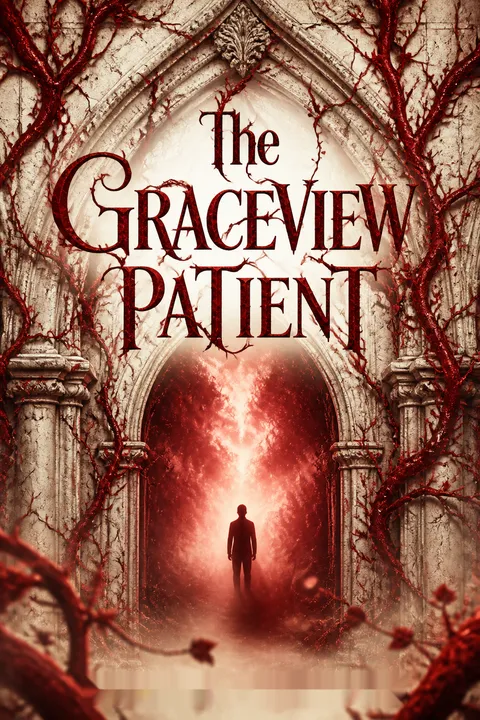
Caitlin Starling's The Graceview Patient is a harrowing exploration of illness, institutional power, and the erosion of self within the machinery of modern medicine. Through Margaret's deeply unreliable narration, the novel immerses the reader in the lived experience of chronic illness—its pain, isolation, and the desperate longing for agency. The hospital, Graceview, is both setting and antagonist, a living organism that consumes patients and staff alike, its routines and protocols serving to contain, control, and ultimately subsume individuality. The SWAIL protocol, intended as a cure, becomes a vehicle for both hope and horror, exposing the dangers of unchecked medical experimentation and the dehumanization of care. The novel's use of hallucination, metaphor, and bureaucratic obfuscation blurs the boundaries between reality and delusion, patient and pathogen, self and system. The fates of Veronica and Isobel serve as both warnings and mirrors, highlighting the costs of survival and the impossibility of true escape. Ultimately, The Graceview Patient is a meditation on endurance—the strength required not to fight, but to endure; not to escape, but to survive within a system that is both necessary and monstrous. The novel's lessons are both timely and timeless: the need for compassion in care, the dangers of institutional indifference, and the resilience of the human spirit in the face of overwhelming odds.
Review Summary
People Also Read









Characters
Margaret Culpepper
Margaret is a young woman whose life has been consumed by the rare and debilitating Fayette-Gehret syndrome. Her journey through Graceview is both physical and existential—a struggle for agency, identity, and meaning in the face of overwhelming illness and institutional control. Margaret is intelligent, introspective, and fiercely determined, but her strength is eroded by pain, medication, and the hospital's routines. Her relationships—with Adam, Veronica, and Isobel—are fraught with longing, mistrust, and the desperate need for connection. As her reality fractures, Margaret becomes both victim and vector, her suffering a microcosm of the hospital's larger infection. Her arc is one of tragic endurance, as she is ultimately subsumed by the very system meant to heal her.
Isobel R.
Isobel is Margaret's primary night nurse, a woman marked by past trauma and professional exhaustion. She is competent, blunt, and emotionally guarded, offering both practical care and hard truths. Isobel's own vulnerability—her burnout, her isolation—mirrors Margaret's, and their relationship deepens into a fraught intimacy. Isobel's warnings and attempts to shield Margaret are ultimately futile, as she too succumbs to the hospital's infection. Her collapse is both a personal tragedy and a symbol of the institution's failure to protect its own. In Margaret's hallucinations, Isobel becomes a guide, a manifestation of both hope and despair, and ultimately a victim of the same system she once served.
Adam Marsh
Adam is the face of the SWAIL protocol, a polished and attentive presence who blurs the line between care and control. He offers Margaret comfort, gifts, and the illusion of agency, but his motives are always suspect. Adam is both seducer and jailer, his reassurances masking the true risks and costs of the experiment. His role as intermediary between patient and institution makes him both indispensable and untrustworthy. Adam's ultimate allegiance is to the protocol and the institution, not to Margaret's well-being. His presence is a constant reminder of the hospital's power to define reality and rewrite consent.
Veronica McNeil
Veronica is Margaret's only peer in the SWAIL protocol, a young woman whose decline foreshadows Margaret's own fate. Her suffering is both physical and existential—seizures, confusion, and a desperate longing for connection. Veronica's warnings are both explicit and implicit, her death both a personal loss and a harbinger of the hospital's hidden infection. In Margaret's hallucinations, Veronica becomes a spectral guide, a voice of both fear and insight. Her fate is a constant reminder of the risks of hope and the costs of care in an indifferent system.
Penelope W.
Penelope is Margaret's primary day nurse, a steady and competent presence who embodies the hospital's routines and protocols. She is kind but detached, focused on efficiency and safety. Penelope's role is to manage Margaret's care, not to offer emotional support or answers. Her interactions are marked by professionalism and a subtle distance, reinforcing the boundaries between patient and staff. Penelope's presence is both reassuring and alienating, a reminder of the hospital's power to define and contain.
Louise
Louise is an older, seasoned nurse who embodies the hospital's authority and pragmatism. She is not warm or nurturing, but she is effective and unflinching. Louise's role is to enforce rules, manage crises, and ensure compliance. Her interactions with Margaret are marked by a no-nonsense approach, offering little comfort but much-needed structure. Louise's presence is a reminder of the limits of empathy and the necessity of control in an environment defined by risk and uncertainty.
Dr. Santos
Dr. Santos is Margaret's primary doctor, a figure who is more often absent than present. His role is to authorize treatment, manage crises, and maintain the illusion of consent. Dr. Santos is both a gatekeeper and a cipher, his notes redacted and his motives opaque. He represents the hospital's power to define reality, to withhold information, and to enforce compliance. His distance is both a source of frustration and a shield against accountability.
The Pathogen / The Roar
The pathogen that infects Graceview is both literal and symbolic—a living organism that consumes patients and staff, erodes identity, and blurs the boundaries between self and environment. It manifests as a "roar," a physical and psychic presence that invades consciousness and the hospital itself. The pathogen is mindless yet purposeful, seeking only to grow and spread. It is both a product of and a metaphor for the hospital's indifference, its hunger for bodies, and its power to subsume individuality.
The Hospital (Graceview)
Graceview Memorial is more than a backdrop; it is a living, breathing organism that shapes and consumes those within it. Its architecture, routines, and protocols are both protective and predatory. The hospital's indifference masks a deeper, more insidious infection—one that erodes agency, identity, and hope. Graceview is both host and vector, its hunger insatiable. It is the ultimate antagonist, a system that cannot be escaped or defeated, only endured.
Margaret's Mother
Margaret's mother is a distant presence, her concern filtered through phone calls and messages. She represents both the possibility of care and the reality of abandonment. Margaret's longing for her mother's support is matched by guilt and resentment, as the demands of illness strain their relationship. The mother's absence is both a personal loss and a symbol of the broader failure of support systems for the chronically ill.
Plot Devices
Unreliable Narration and Dissociation
The novel employs a deeply unreliable first-person narration, reflecting Margaret's dissociation, memory loss, and hallucinations. The reader is forced to question what is real and what is imagined, mirroring Margaret's own uncertainty. This device heightens the sense of paranoia and isolation, making the hospital's routines and the infection's manifestations both literal and metaphorical. The narrative structure is non-linear, with time and memory fragmented by illness and institutional control.
The Hospital as Living Organism
Graceview is depicted as a sentient, consuming organism—its routines, architecture, and staff functioning as organs and systems. The infection that spreads within it is both a literal pathogen and a metaphor for institutional harm, eroding identity and agency. The hospital's hunger is insatiable, its power absolute. This device blurs the boundaries between self and environment, patient and institution, making escape impossible.
Medical Redaction and Bureaucratic Obfuscation
The redaction of medical records, the evasions of staff, and the manipulation of consent forms serve to reinforce Margaret's powerlessness. Information is weaponized, used to contain and control rather than to heal. The bureaucracy of care becomes a tool of harm, erasing agency and rewriting reality. This device underscores the novel's critique of medical institutions and the dangers of unchecked authority.
Hallucination and Metaphor
Margaret's hallucinations—of the hospital as a rotting organism, of Adam and Isobel as both caretakers and threats, of Veronica as a ghost—serve as both symptoms of illness and metaphors for institutional harm. The boundaries between reality and delusion are intentionally blurred, forcing the reader to inhabit Margaret's fractured consciousness. This device amplifies the horror and ambiguity of her experience.
Cyclical Structure and Foreshadowing
The novel's structure is cyclical—routines repeat, symptoms recur, and the promise of discharge is always deferred. Foreshadowing is used to build a sense of inevitability and doom, as Margaret's fate is mirrored in Veronica's and Isobel's. The repetition of codes, shift changes, and medical interventions creates a claustrophobic atmosphere, reinforcing the sense that escape is impossible and that the cycle of infection and control will continue.
Download PDF
Download EPUB
.epub digital book format is ideal for reading ebooks on phones, tablets, and e-readers.








































