


Plot Summary
Prologue
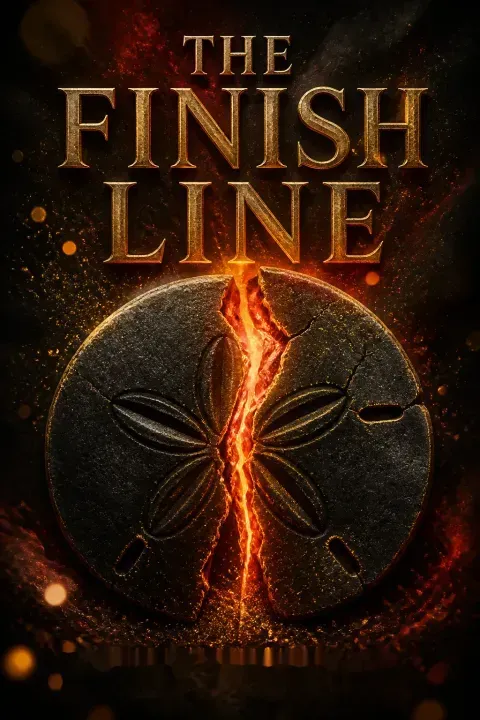
Tobias,1 at forty-three, walks the shoreline in Saint-Jean-de-Luz, France, a sand dollar cupped in his palm. He recalls his father Abijah, a schizophrenic he barely knew, giving him the shell as a child and telling him to break it only when ready.
For decades Tobias1 feared inheriting his father's mental illness, a dread that kept him from fully investing in love. But Cecelia2 changed that. Now, with a text announcing she has arrived at the house he built but never entered, the finish line, he climbs the cliffside stairs.
He reflects on his journey: the cruelty of the path, the irreparable loss of his brother Dominic,4 and the woman who became his mirror and his purpose. He enters the house for the first time, ready to claim the future he built for them both.
The prologue establishes the central tension that has driven Tobias's entire arc: the terror of becoming his father. The sand dollar serves as a perfect symbol, a sealed container holding unknown treasure that can only be accessed through deliberate destruction. Tobias has spent his life locked tight, afraid of what might spill out if he cracks himself open. The finish line is not merely a house but the culmination of a lifetime of running from both external enemies and internal demons. That he built it but never entered until Cecelia arrived reveals his core truth: without her witness, without someone to reflect his worth back to him, no achievement matters. The prologue frames the entire novel as a journey toward earned peace, where the destination is not a place but a person who makes the struggle meaningful.
The Garden at 4 AM
Tobias1 shows up at Cecelia's2 Virginia house after eight months of silence, having promised explanations and breakfast. Instead, jet-lagged from Dubai, he passes out immediately. He wakes at four in the morning to find her missing from the bed and her French bulldog Beau12 snarling at him.
Outside in the freezing autumn dark, Cecelia2 stabs at frozen soil in her garden, planting mums under a shop light, still wearing flannel pajamas. She demands to know why now, after she settled into a new life without him. Tobias1 reveals he spent those months eliminating threats, including killing Jerry, the man who sent the hit that caused the bloodbath at her father's house.
He admits Sean3 had her tracked via a GPS on the Camaro and that he has come with nothing but the clothes on his back, having surrendered control of his empire to be with her. She lets him carry her inside, but her guard remains firmly in place.
The garden confrontation at 4 AM immediately establishes the new power dynamic. Cecelia is no longer the naive nineteen-year-old Tobias once manipulated; she is a woman who has built a life, a business, and emotional fortifications as carefully tended as her flower beds. Her midnight gardening is both literal and metaphorical: she is rooting herself in soil he cannot easily disturb. Tobias's arrival with nothing but the clothes on his back is a calculated vulnerability, a gesture designed to prove he is no longer the puppet master. Yet his admission about tracking her and killing Jerry reveals he remains exactly who he always was: a man who will commit violence to protect what he loves. The tension between his unchanged nature and her evolved independence forms the central conflict of their reunion.
Enter Mr. Handsome
Tobias1 follows Cecelia2 to Meggie's, her small-town café named after the heroine of The Thorn Birds. He sets up his laptop at the counter, attempting to work while watching her every move. A well-dressed regular named Greg,9 whom Cecelia's2 to-do list dubbed Mr. Handsome, has been dining there daily, clearly pursuing her.
When Greg9 asks Cecelia2 to dinner, Tobias1 interrupts with a calculated declaration: he has known her since she was eleven, she was always his to protect, and she is now his to possess. Greg9 retreats. Throughout the day, Tobias1 busses tables alongside Cecelia's2 staff, enduring the scrutiny of elderly regular Billy and the curious waitress Marissa.10
He fields a text from Sean,3 who reveals Tessa is pregnant with their third child. The normalcy of the café, the small-town rhythms, and the public claiming of his territory mark Tobias's1 first attempts to integrate into Cecelia's2 new life rather than demanding she return to his.
The café serves as Cecelia's kingdom, a domain she built entirely without Tobias. By inserting himself there as a busboy, Tobias symbolically lowers himself from corporate titan to servant, a humbling he has never before accepted. His confrontation with Greg reveals both his unchanged possessiveness and his new strategy: instead of secret manipulation, he makes his claim publicly and transparently. The name Meggie's references the heroine of the book that mirrors their own forbidden love story. Tobias's willingness to work alongside her, to be seen and evaluated by her community, demonstrates he is no longer operating from shadows. This is a man learning to exist in the light of her world, not pulling her into his darkness.
Flannel Pajamas as Armor
For twenty-one days, Cecelia2 sleeps beside Tobias1 in head-to-toe flannel pajamas, a deliberate barrier against the physical intimacy that once consumed them. She leaves the bathroom door open while showering, lets him watch her change, then denies him. Tobias1 endures, taking long runs, drinking gin, and binge-watching Storage Wars with Beau.12
He grocery shops, cooks poorly, and takes relationship advice from his checkout-line cashier Deanna. They fight about his secrecy, about The Thorn Birds which he reads and hates, recognizing himself in the selfish priest Ralph. In frustration, he writes the first of many confessional journal entries, leaving them on her desk for her to read.
The space between them is charged with unresolved history. Cecelia2 tells herself she is holding out for transparency, but she is also afraid: afraid that forgiving him means accepting a life of looking over her shoulder, and afraid that he will leave again.
The flannel pajamas are a brilliant piece of psychological warfare. Cecelia weaponizes intimacy itself, granting Tobias proximity to her body while denying him access, mirroring exactly what he did to her emotionally for years: close enough to feel, too distant to hold. This period of the novel explores what happens after the grand romantic gesture, the grinding daily work of rebuilding trust. Tobias's domestic incompetence humanizes him in ways his suits and strategies never did. His journal becomes his new method of confession, replacing verbal evasion with written vulnerability. The irony cuts deep: the man who built an empire on secrecy must now document his inner life for his lover's inspection, trading control of information for a chance at redemption.
Burned Veal and Fireflies
Tobias1 plans an elaborate date night: roses, chess, Louis Latour, a home-cooked dinner. But after reading The Thorn Birds and recognizing his own flaws in its villainous priest, he drinks himself into a stupor. Cecelia2 comes home to find him passed out in her kitchen apron, covered in flour, having burned the veal and destroyed the kitchen.
He ran from the house in his apron, drunk, unable to face the failed evening. But when she lets Beau12 out, Cecelia2 discovers the back yard transformed: dozens of twinkling lights strung across posts, flickering pale green and yellow like the fireflies from their sacred clearing in Triple Falls.
He recreated their place. The sight breaks something open in her. She tells the empty yard that happiness with him is possible. Inside, she finds the shredded book and the scuff on her wall. She cleans his grease burn and leads him to bed.
The firefly lights represent the central paradox of Tobias: he is simultaneously destructive and devoted. He burns the dinner, shreds the book, and passes out drunk, yet he has painstakingly recreated their sacred space, the clearing where they first acknowledged their love. The lights are a physical manifestation of memory made tangible, an attempt to transplant their shared history into new soil. Cecelia's private admission to the empty yard marks the turning point where she stops merely punishing him and begins actively hoping. She speaks this truth to no one, not even Tobias, which reveals her lingering self-protection. But the hope is planted now, as rooted as her autumn bulbs, waiting for the right season to bloom.
The Woman in the Sedan
Cecelia's mother Diane6 and her new husband Timothy arrive unexpectedly in an RV. Cecelia2 panics, trying to send them away to protect Tobias1 from exposure. Instead, Tobias1 invites them in and reveals a stunning connection: he met Diane6 when he was eleven years old.
She was the pregnant woman who gave him a ride to the pharmacy when Dominic4 had chickenpox, then bought him two hundred dollars worth of medicine, food, toys, and books. Diane6 confesses she sent anonymous care packages to Tobias1 and Dominic4 for years, racked with guilt because she was the one who accidentally started the fire that killed Tobias's1 parents.
She had been Roman Horner's secretary and, while working late, knocked over a space heater. Tobias1 tells her he forgave her long ago. He credits her kindness with inspiring his own philosophy of protecting others. Mother and daughter share a tearful reconciliation, Cecelia2 finally understanding why they struggled financially: her mother's6 money went to the orphaned boys.
This revelation reframes the entire series. The woman Cecelia resented for emotional distance was secretly atoning for an accidental tragedy by supporting the very children she orphaned. Diane's guilt shaped both families: the Kings' poverty was alleviated by her anonymous gifts, while Cecelia's childhood was materially diminished by her mother's penance. Tobias's forgiveness of Diane is not saintly but pragmatic: he recognizes a fellow sufferer of survivor's guilt. His grace toward her models what Cecelia must eventually extend to him. The scene also inverts the power dynamic: Diane, who has feared Tobias's revenge for decades, receives absolution from the boy she wronged. This is Tobias at his most evolved, using his own pain as a bridge rather than a weapon.
Three Locks, Three Checks
Through Tobias's1 memories, the origins of his obsessive need for control emerge. At eleven, after his parents died in a fire, he became Dominic's4 sole guardian in their alcoholic aunt Delphine's squalid house. He developed rituals: locking the door three times, checking on Dominic4 three times before leaving.
He stole money from Delphine's purse for medicine. When a pregnant stranger, Diane,6 gave him a ride to the pharmacy, he accepted her charity only because Dominic4 needed it.
Years later, at sixteen, he gathered Dominic,4 Sean,3 and Tyler5 around a campfire to reveal his plan: he was leaving for prep school in France, not to escape, but to build an army capable of taking down Roman Horner, the man responsible for their parents' deaths. He told them his vision of a brotherhood that would change the rules, fight for the powerless, and never let the bad guys win. Dominic,4 only eleven, understood instantly.
The childhood flashbacks establish that Tobias's control issues, his secrecy, and his obsessive rituals are not character flaws but trauma responses forged in the crucible of sudden responsibility. The three locks are a child's attempt to impose order on chaos, to ensure that what he loves cannot be taken while he is away. This pattern repeats throughout his life: he secures, then distances, believing proximity equals danger. Dominic's childhood retort about making their own rules so the bad guys do not win becomes the philosophical foundation of the entire Ravenhood. The tragedy is that Tobias built an empire to protect his brother, only to lose him to the very world he created.
Chess Lessons from a Ghost
Tobias's1 years in France were a crucible. At eighteen, he saved a wealthy classmate named Preston Monroe8 from a mugger, earning a lifelong ally who would later become President. At twenty, he deliberately got himself captured by the crime boss Antoine,7 using the abduction to map the location of Antoine's7 compound and force a partnership.
At twenty-one, his estranged grandfather Abel found him and spent months teaching him chess, using the game to impart lessons about power, patience, and the value of pawns. Abel died before their final game finished. At twenty-four, wearing his first tailored suit, Tobias1 bet everything he had on a single horse race at Longchamp.
With Dominic4 on the phone, listening silently, Tobias1 watched their horse cross the finish line. He had won the capital to start Exodus, the legitimate business empire that would fund the Ravenhood. He whispered to his brother that he had secured their future.
The France years show Tobias deliberately forging himself into a weapon. Each mentor, Preston representing legitimate power, Antoine representing criminal power, Abel representing strategic wisdom, gives him a tool. The chess lessons are the novel's central metaphor: every piece has a role, pawns can become queens, and the king is both the most important piece and the most vulnerable. Abel's death mid-game teaches Tobias that some endings remain perpetually unresolved. The horse race bet is the risk that defines him: all or nothing, calculated but terrifying, requiring someone he loves to witness without intervening. This moment crystallizes the pattern Tobias will repeat with Cecelia: he makes the dangerous play alone, allowing loved ones only to watch from a distance.
Best Halloweenie Ever
Tobias1 researches Halloween traditions with the enthusiasm of an anthropologist discovering a new culture. He buys pumpkins, candy, decorations, and enlists Beau12 in the festivities. Together they carve pumpkins, his covered in ravens and hers gap-toothed and terrible, then bob for apples and watch horror movies while eating popcorn.
That night, Cecelia2 emerges from the bathroom wearing the silk negligee he bought her years ago, a garment she preserved through all their separations, sometimes sleeping in it on hard nights hoping it might summon him back. They make love for the first time since his return, the act both furious and tender.
Afterward, in the bathtub, they trade confessions about jealousy, past lovers, and the toll of their years apart. Tobias1 admits he totaled his Jaguar the day she left his office, that he nearly lost his mind. She tells him he is the best man she has ever known.
The Halloween chapter is where the novel shifts from two people sharing space to two people sharing a life. Tobias's embrace of a holiday he has never celebrated signals his commitment to the ordinary joys he denied himself for decades. The negligee is a relic of hope, an artifact Cecelia preserved like a religious icon, proof that even when she claimed to have moved on, some part of her was always waiting. Their lovemaking is not just physical release but a sacrament of reunion, the body saying what words have struggled to articulate. In the bathtub afterward, the confessions flow more easily because physical intimacy has broken the dam. Tobias's admission about totaling his car reveals the depth of his despair during their separation.
His Father's Sickness
Tobias1 finally confesses the secret that has shaped his most destructive decisions. His birth father Abijah was a diagnosed schizophrenic who deteriorated into madness, eventually found by Tobias1 on a Paris street, covered in filth and rambling incoherently. For years, Tobias1 has lived in terror that he carries the same genetic fate.
He reveals he has been consulting Sonia, his father's former psychotherapist, who has been helping him manage his anxiety and OCD symptoms. This fear drove him to push Cecelia2 away repeatedly: he could not bear the thought of her watching him lose his mind the way his mother watched Abijah.
Cecelia2 responds by telling him she will never leave him for that reason, that they will face whatever comes together. She reminds him that he has already outlived the age when his father's symptoms manifested. He is not his father. The confession empties him, but her acceptance fills the hollowed space.
The mental illness confession reframes every cruel decision Tobias has made throughout the series. His rejection of Cecelia was not merely self-protection but an attempt to protect her from himself, from becoming a burden, from witnessing his potential dissolution. This is the most vulnerable Tobias has ever been: not physically naked but existentially exposed, admitting to a genetic terror he cannot outrun or out-strategize. Cecelia's response, calm, certain, unwavering, provides the unconditional acceptance he has never received from anyone except Dominic. The scene inverts the caretaker dynamic: she becomes his shelter, promising to hold him if he falls apart. This is the moment Tobias truly begins to heal, because he has finally shared the wound he considered unshareable.
Packing to Leave Again
After the French spy Julien is caught watching them, Tobias1 learns Antoine7 has sent someone to report on his whereabouts and on Cecelia.2 Convinced he must leave to protect her, Tobias1 packs a duffle bag while Cecelia2 is at work. When she comes home and sees it, she erupts.
She tells him that if he walks out the door, they are done forever, no more chances. He pins her against the door, strips her, and forces her to feel what he feels: the helplessness of not knowing, the rage of being controlled. He tells her this is what it feels like when she refuses his protection.
But he does not leave. He surrenders. He admits he has no plan, no strategy, and no control, and he is terrified. She holds him as he breaks. Later, she locks the door three times without thinking, having absorbed his ritual. He notices, and it undoes him completely.
This is the novel's structural midpoint and its emotional fulcrum. Tobias's attempt to revert to his old pattern of leaving to protect meets an immovable object: Cecelia's absolute refusal to be managed. Her ultimatum is not a bluff, and he knows it. By physically restraining her and forcing her to experience his helplessness, he crosses a line, but the scene is not about domination. It is about desperate communication: he has no words adequate to convey his terror, so he uses their bodies' shared language. His surrender afterward marks the death of the old Tobias, the man who controlled everything and trusted no one. When Cecelia unconsciously locks the door three times, she demonstrates that she has internalized his love, his fears, his very rhythms. They are becoming one.
Meeting the President
At three in the morning, a limousine arrives to take Tobias1 and Cecelia2 to Washington D.C. Tyler5 accompanies them. In the Oval Office, they meet President Preston Monroe8 and First Lady Molly. Preston8 was the wealthy prep school friend Tobias1 saved from a mugger in Paris decades ago.
They have been allies ever since, with Tobias1 secretly funding Preston's8 political rise. Now, Preston8 offers the Ravenhood something unprecedented: government legitimization and Secret Service protection. This means no more hiding from federal prosecution, amnesty for past crimes, and for Sean,3 the assurance that his children will never see their father in handcuffs.
Molly takes Cecelia2 on a helicopter tour, and the two women bond over the unique burdens of loving powerful, dangerous men. By day's end, the Ravenhood has evolved from an underground vigilante network into a government-sanctioned operation.
The White House sequence represents the ultimate evolution of Tobias's strategy: the outlaw becomes the institution. This is the fulfillment of what he and Preston discussed as teenagers, the long game played across decades. For Cecelia, meeting Molly provides a mirror: she sees another woman who has chosen a life of constant threat because the man is worth the danger. Molly's advice about wearing good heels and never letting her husband off the hook resonates deeply. The legitimization also serves a practical narrative function: it gives the characters an honorable exit strategy, a way to stop running without betrayal of their cause. The chapter asks whether working within corrupt systems to change them is capitulation or the highest form of revolution.
Checkmate, My Love
After the D.C. trip, Cecelia2 finally reveals the truth she has been hiding for weeks. She knew about Antoine.7 She discovered Greg9 was Jerry's stepson and a threat. She contacted Sean,3 who revealed that Dominic4 had tracked Antoine7 from France years ago and that the Ravenhood already had double agents in Antoine's7 organization.
Julien, the supposed spy, is actually a Raven working for Cecelia.2 Palo, Antoine's7 lieutenant, was turned by Sean.3 Together, they orchestrated a plan to lure Antoine7 to Virginia so they could eliminate him on their own soil.
Cecelia2 fed Greg9 just enough information to lead him to Antoine,7 and Antoine7 came at her invitation, not because Tobias1 failed to hide her. She engineered the entire trap while Tobias1 thought he was protecting her. She tells him, with a satisfied smile, that she learned from the best. Tobias1 is stunned, furious, and deeply, irrevocably in love.
This revelation fundamentally restructures the power dynamic of their entire relationship. For the first time, Cecelia has been the strategist and Tobias the piece being moved. Her plan demonstrates that she has not merely accepted his world but mastered it, using his own methods of deception, manipulation, and long-game thinking to protect him. The revelation that Dominic tracked Antoine years ago, and that Sean has been working against Antoine all along, also heals a wound Tobias has carried for years: his brothers never abandoned him. They were protecting him from a threat he thought he had to face alone. This is the gift Cecelia gives him: proof that he is not alone, that he never was, that the family he built has been guarding him even when he felt most isolated.
Fireflies and Gunfire
Greg,9 fueled by cocaine and revenge because Cecelia2 cost him his inheritance when Jerry died, arrives at the house alongside Antoine7 and armed men. Cecelia2 is home alone when they breach the door. She shoots and kills one intruder immediately, then keeps her Beretta trained on Greg9 as Antoine7 takes a seat in her wingback chair.
When Tobias1 arrives, Greg9 ambushes him outside. In a brutal fight, Tobias1 head-butts Greg9 and beats him bloody before being captured and brought inside at gunpoint. Antoine,7 old and bitter, confronts Tobias1 about imagined betrayals.
Tobias1 offers his life for Cecelia's2 freedom, pressing a gun to his own temple. But then Cecelia2 speaks a code: Fireflies. Red laser dots appear on every window. The house is surrounded. Julien and Palo reveal their true allegiance. Cecelia2 shoots Greg9 dead. She has won the game she designed.
The siege scene is the culmination of every thread the novel has woven. Cecelia's kill shot on Greg is not a moment of corruption but of completion: she has become exactly who she needed to be to survive in Tobias's world. Her fireflies code transforms the romantic symbol of their reunion into a tactical signal, merging love and war into a single language. Tobias's willingness to die for her and her refusal to let him demonstrates their final, complete equality. Neither is protector or protected; they are partners who protect each other. The reversal where Julien and Palo reveal themselves as double agents is the ultimate proof that Tobias's isolation was a lie he told himself. His people were always watching his back.
Pawn Takes King
With Antoine7 restrained in the kitchen on plastic sheeting, Tobias1 and Sean3 prepare to end the man who indirectly killed Dominic.4 Tobias1 produces chess pieces from his pocket and delivers a final lesson. He explains that his grandfather Abel taught him that even a pawn, properly positioned, can check a king.
He reveals that he has been stealing from Antoine7 since their first week together, that Antoine7 was never his mentor but his first mark. Then he forces Antoine7 to admit his worst act: Antoine7 called Jerry and suggested sending Miami to disrupt the Ravenhood, hoping to accelerate Roman's downfall so Tobias1 would return to France.
That call set in motion the events that killed Dominic.4 Tobias1 beats Antoine7 brutally with his fists and a chess piece. Sean3 forces the king piece down Antoine's7 throat. Tobias1 presses his Glock to Antoine's7 forehead and pulls the trigger. The monster from his past is finally dead.
The execution scene is ritualistic, a sacrament of vengeance and closure. The chess metaphor, which has threaded through the entire novel, reaches its bloody apotheosis: Antoine, who always considered himself a king, is destroyed by a pawn. Tobias's revelation that he stole from Antoine from day one reframes twenty years of their relationship. Antoine was never a threat Tobias could not handle; he was a threat Tobias chose to keep at arm's length rather than eliminate, a constant reminder of his own darkness. The detail that Antoine indirectly caused Dominic's death by sending Miami provides the final justification Tobias needed. But the execution is not triumphant; it is mournful, a necessary killing that brings no joy. It is the last act of the monster Tobias created to survive, now being laid to rest alongside his enemy.
Always Brothers
In the aftermath, standing in Cecelia's2 driveway, Sean3 and Tobias1 have the conversation they have avoided for six years. Sean3 confesses that he and Dominic4 tracked Antoine7 from France, that they always had Tobias's1 back even when he felt most alone.
He admits that the worst day of their lives was breaking Tobias's1 heart, and the second worst was having their hearts broken by him in return. He tells Tobias1 that Dominic4 realized the truth before he died: that Cecelia2 was meant for Tobias,1 that their love was real, and that Dominic4 forgave him.
Then Sean3 says the words Tobias1 has needed for years: he just wants his brother back. Tobias1 grips the back of Sean's3 neck and presses their foreheads together. Both men weep. The bridge that collapsed when Dominic4 died, isolating Tobias1 from everyone who loved him, is finally rebuilt. They are brothers again.
The reconciliation between Sean and Tobias is the emotional climax the entire trilogy has been building toward. Their estrangement was never really about Cecelia; it was about grief. Dominic's death shattered them both, and each blamed the other for elements of the tragedy. Sean's confession that he and Dominic tracked Antoine reveals that Tobias's greatest shame, his involvement with a criminal like Antoine, was never a secret from the people who mattered most. They knew, and they were already working to free him. The forehead touch, a gesture of intimacy that bypasses words, is the physical manifestation of what they both need: to be known and accepted without judgment. This moment completes Tobias's journey from orphaned child to isolated leader to connected man. He has his family back.
Doves in a Sand Dollar
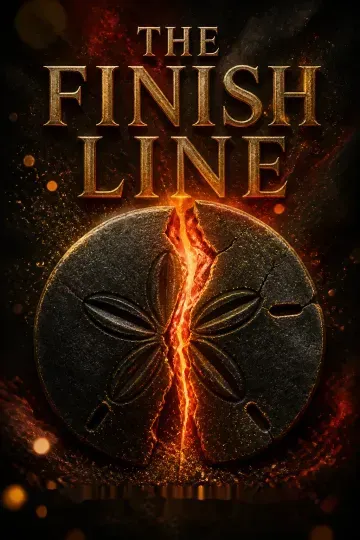
Tobias1 brings Cecelia2 to the unfinished house in Saint-Jean-de-Luz, the finish line he built but never entered without her. On the balcony overlooking the sea, he takes a knee. He places a sand dollar in her palm, the same shell his father gave him on the beach when he was a child.
He tells her to break it down the middle. Inside are five tiny dove-shaped bones, one for each of them: Tobias,1 Sean,3 Tyler,5 Dominic,4 and Cecelia.2 The doves represent sacrifice and peace. He admits he has no grand speech prepared, that he is too undone by love to be eloquent.
He slides his mother's diamond ring onto her finger, the ring he did not steal but earned. Then he asks her to make him a king. She says yes. The man who spent his life controlling every outcome surrenders fully to the one person who has always held his heart.
The sand dollar proposal is the novel's most potent symbol made literal. The shell, given by a father Tobias barely knew and carried for decades, represents the sealed-off heart he has only now learned to open. The five doves inside transform the shell from a childhood memento into a sacred relic, a prophecy fulfilled. Doves, traditionally symbols of peace and the Holy Spirit, contrast starkly with the ravens that have marked Tobias's identity. This is his evolution from a bird of war to a man of peace. His admission that he did not steal this, he earned it, references his lifelong identity as a thief, and his request to be made king rather than to claim kingship acknowledges that sovereignty is conferred by those who love you, not seized by force. He is finally ready to be ruled by love.
The Passenger Seat Promise
One month after the wedding, unpacking boxes from Delphine's house, Cecelia2 finds a childhood drawing by Dominic4 titled My Family. It shows a giant Tobias1 holding hands with a tiny Dominic4 under a yellow sun, their parents floating in a cloud above. Understanding floods her: this was never just her love story.
Tobias1 was Dominic's4 whole world. She watches from the window as Tobias1 walks to the storm-darkened beach below. On the sand, Tobias1 finally speaks to his brother. He thanks Dominic4 for the childhood suggestion that started everything, for seeing the world clearly, for saving both him and Cecelia2 with his sacrifice.
He admits he would trade everything they accomplished just to have Dominic4 back. He places Dominic's4 dove on the sea wall and asks his brother to watch over them. Then he walks toward the house, toward Cecelia,2 toward their future.
This chapter brings the novel's deepest grief to the surface for final reckoning. Tobias has not spoken to Dominic since the day he died, silenced by guilt so profound it stole his voice. The childhood drawing Cecelia discovers externalizes what readers have understood all along: Dominic was not merely Tobias's brother but his first child, his reason for becoming who he became. The drawing is a reverse Pietà, the larger figure protecting the smaller, a sacred image of brotherly devotion. When Tobias finally speaks to Dominic, it is not a goodbye but a renegotiation of their relationship: he asks Dominic to continue watching over them, transforming his brother from a source of guilt into a guardian spirit. The dove placed on the sea wall is an offering, a piece of his peace returned to the one who made peace possible.
Epilogue
Tobias1 reflects on their journey as he settles into the French seaside house with Cecelia.2 For seven years, they fought alongside the Ravenhood with government backing, taking down corrupt corporations and terrorist networks. They moved twelve times, dodged bullets, lost friends, and won more battles than they lost.
Now, the active war is over. Preston's8 presidency has ended. The remaining Ravens can continue the work or let it die. Tobias1 and Cecelia2 have chosen peace. He watches her unpack their life into this house, this finish line he dreamed of for decades.
She has given him everything: a home, a family, a reason to stop running. He is no longer the orphan thief, the calculating strategist, the guilty survivor. He is a husband, soon perhaps a father. He is, at last, a man at peace. The treasure in the sand dollar was always her.
The epilogue completes the frame narrative, returning to the prologue's moment and revealing what came after. The seven-year gap between the main narrative and this conclusion is significant: it demonstrates that their happiness was not a single triumphant moment but a sustained reality, earned through years of continued struggle. Tobias's reflection that the treasure in the sand dollar was always her closes the novel's central metaphor: he spent his life seeking external validation through revenge, power, and justice when what he truly needed was someone who saw his worth before he could see it himself. The house, the finish line, is not just a building but the manifestation of a promise kept: that a boy who locked doors three times could one day unlock one and walk through it into love, permanence, and peace.
Analysis
The Finish Line operates on a deceptively simple premise: a man must earn back the trust of the woman he repeatedly abandoned. But Kate Stewart transforms this romance trope into something far more ambitious, a meditation on whether monsters can become men, whether guilt can be metabolized into grace, and whether love is strong enough to carry the weight of a shared, violent history. The novel's non-linear structure, weaving Tobias's1 memories from age eleven through thirty-three into the present-day narrative, serves a crucial psychological function. It argues that no relationship can be understood in isolation; every interaction between Tobias1 and Cecelia2 carries the echo of orphaned children, dead parents, sacrificed brothers, and decades of strategic violence. Tobias1 is not merely a difficult man but a traumatized survivor whose coping mechanisms (control, secrecy, self-isolation) once kept him alive and now threaten to destroy his only chance at happiness. Cecelia's2 evolution from passive muse to active strategist is the book's most satisfying arc. She refuses to be merely the treasure Tobias1 protects; she becomes the architect of his salvation, using his own methods against him to free him from the last chains of his past. Her orchestration of Antoine's7 downfall, hidden from Tobias1 until the final moment, inverts the series' fundamental power structure. The thief is finally stolen from; the king is checked by a pawn who learned the game from him. The novel also grapples seriously with inherited trauma and mental health. Tobias's1 fear of schizophrenia, his OCD rituals, and his anxiety are not romanticized quirks but debilitating conditions he manages through therapy and the stabilizing presence of a partner who refuses to leave. This is a rare and valuable depiction in romance fiction: a hero whose darkness is not sexy but genuinely frightening, and whose redemption requires not just love but professional help. Ultimately, The Finish Line argues that happy endings are not found but built, one painful conversation at a time, and that the greatest act of love is not dying for someone but learning to live for them.
Review Summary
The Finish Line received mostly positive reviews, with readers praising its emotional depth and character development. Many felt it provided necessary closure to the trilogy. Tobias' character and backstory were particularly well-received. Some readers found the book slow-paced or unnecessarily long. The romance and groveling elements were appreciated by fans. While opinions varied, many considered it a satisfying conclusion to the series, with some calling it their favorite of the trilogy.
People Also Read




Characters
Tobias King
Vigilante King Seeking RedemptionRaised in poverty after his parents died in a fire, Tobias became the primary caretaker for his younger brother Dominic4 at age eleven. He built the Ravenhood, a secret network of vigilantes, from nothing, using theft, strategic violence, and brilliant business acumen to fund a crusade against corrupt corporations. His identity is forged in the tension between protector and predator: he will kill without hesitation to safeguard those he loves, but he fears the monster he has become. Diagnosed with severe anxiety and OCD stemming from childhood trauma, he also carries a genetic terror of developing schizophrenia like his birth father. His relationship with Cecelia2 is the one place his control fails, which is precisely why he needs her. She sees through his armor to the orphaned boy still locking doors three times, still counting, still afraid.
Cecelia Horner
Fierce Queen and StrategistDaughter of the man whose secretary accidentally caused Tobias's1 parents' deaths, Cecelia was raised in relative poverty by a single mother, never knowing her father was a millionaire industrialist. She entered the Ravenhood through relationships with Sean3 and Dominic4, then fell irrevocably in love with Tobias1. After years of being pushed away, lied to, and protected without her consent, she has evolved from a naive college student into a formidable strategist. She now runs a café in Virginia, lives independently, and refuses to be anyone's pawn. Her greatest strength is her ability to love without losing herself, to forgive without forgetting, and to fight dirty when necessary. She learned the game from the best and is no longer content to watch from the sidelines.
Sean
Loyal Brother and Fellow RavenTobias's1 adoptive brother and fellow Ravenhood leader. He grew up next door, climbing through Dominic's4 window as a child, and has been part of the brotherhood since its inception. He loved Cecelia2 once, shared her with Dominic4 before Tobias1 claimed her, and carried the wound of that loss for years. Married now to Tessa with three children, he represents the domestic life Tobias1 never thought possible. His reconciliation with Tobias1 is one of the novel's emotional pillars.
Dominic King
Fallen Brother and Guiding SpiritTobias's1 younger brother, brilliant and preternaturally wise. As a child, he suggested they could change the rules so the bad guys would not win, planting the seed for the entire Ravenhood. He grew into a skilled hacker, mechanic, and strategist, loving Cecelia2 deeply before recognizing she belonged with Tobias1. His death, saving both Tobias1 and Cecelia2 from gunfire, is the wound around which the entire trilogy revolves. He appears throughout the novel in Tobias's1 vivid, grief-soaked memories.
Tyler
Steadfast Marine and BrotherAnother founding Ravenhood brother, a Marine whose military training proved invaluable to the organization. He loved Delphine, Tobias's1 aunt, and grieved her loss for years. Steady, loyal, and often the peacemaker among the brothers, Tyler facilitated much of the behind-the-scenes coordination that kept Tobias1 safe from Antoine's7 machinations. He remains one of Tobias's1 most trusted allies throughout the years of rebuilding.
Diane
Guilt-Ridden Mother Seeking AbsolutionCecelia's2 mother, who worked as Roman Horner's secretary. As a pregnant teenager, she accidentally started the fire that killed Tobias's1 parents. Racked with guilt, she anonymously sent care packages to the orphaned boys for years, sacrificing her own daughter's financial stability in the process. Her secret shaped both families, and her eventual confession and forgiveness provide one of the novel's most cathartic moments of grace and reconciliation.
Antoine
French Crime Lord and Final EnemyFrench crime boss whom Tobias1 sought out as a young man for resources. Over decades, Antoine attempted to control Tobias1, viewing him as both protégé and possession. He represents the corrupting influence of power without conscience, the path Tobias1 might have taken if not for his brothers and Cecelia2. His eventual role in the events that led to Dominic's4 death makes him the novel's ultimate antagonist, a ghost from Tobias's1 past who must be confronted.
Preston Monroe
President and Secret AllyThe President of the United States. He was Tobias's1 prep school friend in France, saved by Tobias1 from a mugger, and became a lifelong ally. His election was secretly funded by Tobias1, and his presidency provides the Ravenhood with government legitimization and protection, finally allowing the brothers to operate without fear of prosecution.
Greg
Vengeful Stepson Turned PawnJerry's stepson, who pursues Cecelia2 at her café as part of a revenge scheme after Tobias1 killed his stepfather. He conspires with Antoine7 to capture Cecelia2, but his arrogance and cocaine habit make him an incompetent adversary whose role in the larger plan is far less significant than he believes.
Marissa
Loyal Café ConfidanteCecelia's2 waitress and friend at Meggie's café. She provides comic relief and practical advice, urging Cecelia2 to stop fighting her feelings for Tobias1. Her sharp observations and unfiltered commentary help Cecelia2 see her own situation more clearly.
Christy
Best Friend and Keeper of SecretsCecelia's2 best friend from Georgia, a suburban mother of two. She represents the normal life Cecelia2 could have chosen and serves as a keeper of Cecelia's2 secrets, including the truth about the Ravenhood which is revealed to her near the novel's end.
Beau
Territorial French BulldogCecelia's2 French bulldog, territorial and napoleonic. He serves as both comic relief and a symbolic gatekeeper to Cecelia's2 affections. Tobias's1 eventual love for the dog mirrors his acceptance of Cecelia's2 independent life and the small, ordinary joys he has always denied himself.
Plot Devices
The Sand Dollar
Symbol of Inherited Wisdom and LoveTobias's1 father gave him a sand dollar on the beach when he was a child, telling him to break it only when ready to claim the treasure inside. Tobias1 carries this shell for decades as a symbolic sealed heart. When he finally breaks it open to propose to Cecelia2, it reveals five tiny dove-shaped bones representing the five core members of their found family: Tobias1, Sean3, Tyler5, Dominic4, and Cecelia2. The doves symbolize both sacrifice and peace, transforming a childhood memento into a sacred prophecy fulfilled.
The Ravenhood Tattoos
Mark of Brotherhood and ProtectionWings inked on members' backs, signifying membership in the secret vigilante network. The tattoos serve as both identification and protection, marking those under the organization's shield. Tobias's1 tattoo is distinct from the others, designed to make him the primary target in any investigation, a calculated sacrifice to protect his brothers. Cecelia's2 wings, given without her consent while she slept, represent both Tobias's1 possessive love and his commitment to her permanent safety within the organization.
Tobias's Confessional Journal
Written Vulnerability and Trust ExerciseA leather-bound journal where Tobias1 writes confessional entries for Cecelia2 to read. Unable to verbalize his deepest traumas and secrets, he uses the written word as a bridge. The journal entries frequently trigger extended flashbacks, revealing his childhood sacrifices, his years of isolation in France, his guilt over Dominic4, and his fears of mental illness. The act of writing for her inspection represents his gradual surrender of the control and secrecy that once defined him.
Chess as Strategy and Metaphor
Framework for Power and RedemptionChess is the central metaphor of the novel, taught to Tobias1 by his grandfather Abel in a Paris park. The game represents strategic thinking, the value of every piece regardless of rank, and the idea that even a pawn can check a king when properly positioned. Tobias1 uses actual chess pieces during Antoine's7 execution, delivering a final brutal lesson. The metaphor culminates in his proposal when he asks Cecelia2 to make him king, acknowledging that true sovereignty is conferred by love, not seized by force.
The Flannel Pajamas
Physical Armor and Emotional BoundaryCecelia's2 chosen armor during the early weeks of Tobias's1 return. By wearing unsexy, buttoned-up flannel pajamas to bed each night, she denies him physical intimacy while forcing him to share her space. The pajamas become a symbol of her resistance and her demand to be seen as more than a body. Tobias's1 hatred of the pajamas is both comedic and poignant: they represent the emotional distance she maintains even as she allows him physical proximity.
FAQ
Synopsis & Basic Details
What is The Finish Line about?
- Atonement and Redemption Arc: The Finish Line by Kate Stewart concludes The Ravenhood series, focusing on Tobias King's arduous journey to atone for past betrayals and reclaim the love of Cecelia Horner. The narrative explores the profound emotional and psychological costs of his life as a vigilante leader, particularly the guilt stemming from his brother Dominic's death and the pain he inflicted on Cecelia.
- Reconciliation and Healing: The core of the story revolves around Tobias and Cecelia's attempts to reconcile their fractured relationship, navigating deep-seated mistrust, unspoken fears, and the lingering shadows of their violent past. Their reunion is a battle for forgiveness, not just from each other, but from themselves, as they strive to build a future free from the burdens of their history.
- The Brotherhood's Final Act: The novel also details the Ravenhood brotherhood's ultimate mission to legitimize their operations and dismantle corrupt forces from within the system, culminating in a decisive confrontation with their enemies. This external conflict mirrors Tobias's internal struggle for peace and control, leading to a hard-won "finish line" that signifies a new beginning rather than an end.
Why should I read The Finish Line?
- Emotional Depth Explored: Readers seeking a deeply emotional and psychologically complex romance will find The Finish Line compelling. It delves into themes of trauma, guilt, and the arduous path to forgiveness, offering a raw and unflinching look at characters grappling with their pasts.
- Intricate Plot Resolution: For fans of the Ravenhood series, this book provides a satisfying, albeit intense, resolution to the overarching plotlines, tying up loose ends and revealing long-held secrets. The strategic brilliance of the characters, particularly Cecelia's "Queen's Gambit," offers thrilling twists and turns.
- Redemptive Power of Love: At its heart, The Finish Line is a testament to the transformative power of love and partnership. It explores whether love can truly heal profound wounds and offers a hopeful, if hard-won, vision of two broken souls finding peace and purpose together.
What is the background of The Finish Line?
- Sequel to a Trilogy: The Finish Line is the third and final installment in Kate Stewart's The Ravenhood series, following Flock and Exodus. It picks up directly after the events of the previous books, requiring prior knowledge of the characters and their complex history.
- Trauma and Vigilantism: The narrative is steeped in the aftermath of childhood trauma, particularly the orphaned Tobias and Dominic's struggle for survival under a neglectful aunt. This background fuels Tobias's creation of the Ravenhood, a secret society dedicated to justice against corrupt figures like Roman Horner, setting the stage for years of clandestine operations and personal sacrifice.
- Psychological Realism: The story is heavily influenced by the psychological impact of past events, including Tobias's inherited mental illness fears and the collective trauma of the brotherhood's violent missions. This psychological backdrop informs character motivations and the intense emotional landscape of the novel.
What are the most memorable quotes in The Finish Line?
- "I will kill anyone who threatens you. Anyone. I will fucking end them, Cecelia. I won't think twice, and I won't lose sleep over it.": This quote from Tobias encapsulates his fierce, almost pathological, need to protect Cecelia, highlighting the dark, ruthless side of his love and his willingness to cross any line for her safety. It underscores the theme of protection at any cost, a central conflict in their relationship.
- "You're not a fucking treasure, or a delicate rose, or a shrinking violet or a damsel in distress, or a fucking mouse! I'm just as capable as either of you and as soon as I'm able, I'm going to kick both your asses!": Cecelia's defiant declaration to Tobias and Tyler powerfully asserts her agency and strength, rejecting traditional damsel tropes. This quote marks her evolution into a formidable "queen" who demands respect and partnership, not just protection, a key theme in The Finish Line analysis.
- "I'm glad that you loved him, and I'm glad he knew what it felt like to be loved by you before he died, and it's because of the way you love, Cecelia.": Tobias's raw confession about Dominic's love for Cecelia is a pivotal moment of vulnerability and healing. It reveals the depth of his own pain and guilt, while simultaneously acknowledging Cecelia's unique capacity for love, which ultimately becomes his path to forgiveness and peace.
What writing style, narrative choices, and literary techniques does Kate Stewart use?
- Raw, Visceral Prose: Kate Stewart employs a direct, often gritty, and emotionally charged prose style that immerses the reader in the characters' intense experiences. Her language is unvarnished, reflecting the harsh realities of their lives and the raw passion of their relationships, making the The Finish Line a truly immersive read.
- Nonlinear, Fragmented Storytelling: The narrative frequently jumps between past and present, utilizing flashbacks and internal monologues to reveal layers of trauma and motivation. This fragmented approach mirrors the characters' fractured psyches, slowly piecing together their complex history and deepening the psychological complexities of the characters.
- Symbolism and Motif Repetition: Stewart heavily relies on recurring symbols (like the sand dollar, chess pieces, and birds/ravens) and repeated phrases ("always brothers," "three times") to weave thematic threads throughout the story. This technique enriches the narrative, allowing readers to uncover deeper meanings and foreshadow future events, enhancing the overall symbolism in The Finish Line.
Hidden Details & Subtle Connections
What are some minor details that add significant meaning?
- Tobias's Counting Habit: His compulsive habit of locking doors "three times" or tapping his fingers "tap, tap, tap" is initially presented as a quirk but is later revealed as a coping mechanism for his severe anxiety and OCD, stemming from the trauma of his parents' death and the need to protect Dominic. This subtle detail underscores his deep-seated fear of losing control and his constant internal battle, a key aspect of Tobias King's psychological complexity.
- Cecelia's Garden and Wisteria: Cecelia meticulously recreates her father's garden, including deadening wisteria, which Tobias notes. This seemingly minor detail symbolizes her subconscious desire to heal and reclaim parts of her past, even those associated with pain. The wisteria, a plant often associated with old homes and lingering beauty, subtly foreshadows the deep roots of her connection to Tobias and their shared history, even amidst destruction.
- The "Halloweenie" Misunderstanding: Tobias's earnest belief in "Halloweenie" as a holiday term, stemming from his mother's mistranslation, is a humorous but poignant detail. It highlights his sheltered upbringing and lack of "normal" childhood experiences, emphasizing the innocence he retained despite his dark life. This small detail makes his desire for a "normal" life with Cecelia even more touching and reveals a hidden vulnerability in Tobias King's character.
What are some subtle foreshadowing and callbacks?
- Ann-Margret's "Bye Bye Birdie": The song playing in Tobias's hotel room, "Bye Bye Birdie," just before he realizes Greg's betrayal and the threat to Cecelia, is a subtle but potent callback. It foreshadows the "birds" (his Ravens) being compromised or "gone," and the impending danger to Cecelia, his "birdie," reinforcing the theme of betrayal and the constant threat to their safety in The Finish Line.
- The "Three" Motif: The recurring number "three" (three locks, three months of betrayal, three brothers, three times he's lost her) subtly foreshadows the cyclical nature of their pain and the repeated patterns of loss and reconciliation. It emphasizes the deep, almost fated, connection between Tobias, Cecelia, and the brotherhood, suggesting that their destinies are intertwined in a profound way.
- Cecelia's "Unseen" Mark: Tobias's decision to "mark" Cecelia with a tattoo without her knowledge, intended for her protection, is foreshadowed by his earlier possessive actions and his deep-seated need for control. This callback to his past behavior highlights his struggle to trust others with her safety and sets the stage for Cecelia's "Queen's Gambit," where she takes control of her own protection, a crucial turning point in Cecelia Horner's character development.
What are some unexpected character connections?
- Diane and Young Tobias: The revelation that Cecelia's mother, Diane, unknowingly met a young Tobias when he was eleven and helped him buy medicine for Dominic, is a profound and unexpected connection. This hidden detail adds a layer of tragic irony to their intertwined lives, showing that their paths were fated long before Cecelia and Tobias met, and subtly foreshadows Diane's eventual role in their reconciliation.
- Julien's Secret Loyalty: Julien, initially presented as Antoine's loyal henchman and Tobias's captor, is revealed to have been a Raven for six years, secretly working for Cecelia and Sean. This unexpected connection highlights Cecelia's strategic brilliance and her ability to turn enemies into allies, subverting Tobias's expectations and demonstrating her mastery of the "game." It's a key element in The Queen's Gambit explained.
- Tobias's Grandfather, Abel: The introduction of Abel, Tobias's paternal grandfather, as a wise, chess-playing mentor in Paris, is an unexpected familial connection. Abel provides Tobias with crucial life lessons and a sense of belonging he lacked, subtly influencing his strategic thinking and emotional growth. This connection offers a glimpse into Tobias's lineage beyond his mentally ill father, providing a more nuanced understanding of his character.
Who are the most significant supporting characters?
- Diane (Cecelia's Mother): Beyond her initial role as a neglectful parent, Diane becomes a pivotal figure in the healing process. Her confession of sending money and supplies to Tobias and Dominic for years, out of guilt for her role in their parents' deaths, is a major emotional turning point. This act of hidden kindness reveals her underlying compassion and facilitates a deeper understanding and forgiveness between her, Cecelia, and Tobias, impacting the relationship dynamics evolution.
- Palo (Antoine's Lieutenant): Palo, initially presented as Antoine's loyal enforcer, is revealed to be a secret ally, driven by his love for Antoine's wife. His hidden allegiance and willingness to betray Antoine for personal reasons highlight the complex motivations within the criminal underworld and serve as a crucial element in Cecelia's plan to dismantle Antoine's empire. His character underscores the theme that "love can make even the strongest man weak."
- Russell (Ravenhood Recruit): Russell, a seemingly minor recruit, plays a significant role in the brotherhood's operations, particularly in vetting new members and providing security. His unwavering loyalty and practical skills, despite Tobias's emotional distance, demonstrate the enduring strength of the Ravenhood's foundation and the impact of Tobias's leadership on his chosen family. He represents the reliable "birds" who keep the machine running.
Psychological, Emotional, & Relational Analysis
What are some unspoken motivations of the characters?
- Tobias's Self-Punishment: Tobias's relentless pursuit of justice and his self-sacrificing nature are driven by an unspoken motivation to punish himself for Dominic's death and the pain he caused Cecelia. He believes he doesn't deserve happiness or peace, leading to self-sabotage and a reluctance to fully embrace love, a core aspect of Tobias King's psychological complexity.
- Cecelia's Need for Control: Cecelia's initial resistance to Tobias's return and her insistence on "taking things slow" are motivated by an unspoken need to regain control after years of being manipulated and hurt. She refuses to be a passive recipient of his love, demanding transparency and agency to protect herself from further emotional devastation, reflecting her journey from "pawn to queen."
- Sean's Lingering Resentment: Sean's initial coldness and later emotional outburst towards Tobias are fueled by an unspoken resentment over Tobias's perceived betrayal and his own unacknowledged feelings for Cecelia. His actions are a manifestation of his hurt and the deep bond he shared with Dominic, highlighting the complex betrayal among brothers and the long road to their reconciliation.
What psychological complexities do the characters exhibit?
- Tobias's Trauma-Induced OCD/Anxiety: Tobias exhibits clear signs of Obsessive-Compulsive Disorder (OCD) and severe anxiety, manifested in his compulsive counting (e.g., locking doors three times) and his need for control. This is a direct result of his childhood trauma, particularly the fire that killed his parents and his responsibility for Dominic. His fear of inherited mental illness from his father further exacerbates these tendencies, making him a deeply complex and often self-sabotaging protagonist.
- Cecelia's Resilient Trauma Response: Cecelia's psychological complexity lies in her ability to process profound betrayal and loss without becoming entirely jaded. She develops a strong sense of self-preservation and a keen ability to detect deception, but her dreams and initial emotional distance reveal the lingering impact of her past. Her journey is about integrating her trauma into her strength, rather than letting it define her.
- The Brotherhood's Collective Guilt: The core members of the Ravenhood (Tobias, Sean, Tyler, Dominic) share a collective psychological burden of guilt and responsibility for the violence and sacrifices made in their pursuit of justice. This shared trauma binds them but also creates internal conflicts, as seen in their initial betrayal of Tobias and their struggles with personal happiness, reflecting the heavy price of protection.
What are the major emotional turning points?
- Tobias's Drunken Confession: Tobias's raw, gin-fueled confession about his fear of mental illness and his deep-seated guilt over Dominic's death is a major emotional turning point. This vulnerability shatters Cecelia's emotional walls, allowing her to see the depth of his pain and begin the process of true forgiveness, marking a shift in their relationship dynamics evolution.
- Cecelia's "Queen's Gambit" Revelation: Cecelia's orchestrated plan to lure Antoine to her house, revealing her own strategic brilliance and hidden alliances (Julien, Ryan), is a pivotal emotional moment. It shifts the power dynamic in her relationship with Tobias, forcing him to acknowledge her as an equal and trust her completely, leading to a profound emotional surrender on his part.
- Tobias's Forgiveness of Dominic's Death: The emotional climax where Cecelia helps Tobias confront and accept Dominic's sacrifice, explaining that Dominic died to save Tobias and Cecelia, is the ultimate turning point for Tobias. This moment of profound grief and acceptance allows him to finally begin healing from his survivor's guilt, leading to a sense of peace and the ability to embrace a future with Cecelia, fulfilling the forgiveness and forever theme.
How do relationship dynamics evolve?
- Tobias and Cecelia: From Control to Partnership: Their relationship evolves from a tumultuous power struggle, marked by Tobias's manipulation and Cecelia's resistance, to one of true partnership and mutual respect. Tobias learns to surrender control and trust Cecelia's capabilities, while Cecelia learns to forgive and embrace his vulnerabilities, culminating in a balanced "king and queen" dynamic. This is central to The Finish Line analysis.
- The Brotherhood: From Fracture to Reconciliation: The initial betrayal by Sean and Dominic, driven by their own pain and perceived slights, deeply fractures the brotherhood. However, through shared trauma, honest confrontations, and Cecelia's intervention, their relationships heal. They move from a hierarchical structure under Tobias to a more collaborative and understanding bond, emphasizing the "always brothers" theme.
- Cecelia and Diane: From Strain to Understanding: Cecelia's relationship with her mother, Diane, is initially strained by years of unspoken truths and perceived abandonment. The shared confessions about their past, particularly Diane's secret support of Tobias and Dominic, lead to a profound understanding and reconciliation. This allows Cecelia to heal old wounds and embrace a more complete family dynamic.
Interpretation & Debate
Which parts of the story remain ambiguous or open-ended?
- The Brotherhood's Future Role: While the main conflict with Antoine is resolved and the Ravenhood gains government backing, the long-term future and exact nature of their operations remain somewhat open-ended. The narrative suggests they will continue to "change the rules" and fight corruption, but the specifics of this "new legacy" are left to the reader's imagination, allowing for interpretation of their ongoing impact.
- Tobias's Mental Health Journey: While Tobias confronts his fear of schizophrenia and begins to heal from his anxiety and OCD, the story acknowledges that these are ongoing battles. The "what if" clock for his potential illness is mentioned, leaving a subtle ambiguity about the complete eradication of this fear. It implies that healing is a continuous process, not a definitive end, adding depth to Tobias King's psychological complexity.
- The Nature of "Fate" vs. "Choice": The story frequently alludes to fate and destiny, particularly in Tobias's early life and his fated connection with Cecelia. However, it also emphasizes the power of individual choices in shaping outcomes. The ambiguity lies in how much of their journey was predetermined and how much was a result of their conscious decisions, inviting debate on the philosophical underpinnings of their love story.
What are some debatable, controversial scenes or moments in The Finish Line?
- Tobias's "Marking" of Cecelia: The scene where Tobias has Cecelia tattooed with the Ravenhood mark without her consent, intended as protection but perceived as a violation, is highly debatable. It sparks controversy regarding consent, possessiveness, and the blurred lines of love and control, prompting readers to question the morality of his actions despite his stated intentions. This is a key point in The Price of Protection analysis.
- The "Punishment" Sex Scenes: The instances where Tobias and Cecelia engage in sexually charged encounters that are explicitly framed as "punishment" or a means of exerting control (e.g., Tobias denying her orgasm, Cecelia's aggressive oral sex) can be controversial. These scenes challenge traditional notions of romance and power dynamics, inviting debate on whether they are expressions of toxic masculinity or a complex exploration of their unique, trauma-informed relationship.
- The Brotherhood's "Justice" Methods: The Ravenhood's methods, which often involve violence, manipulation, and operating outside the law, can be seen as controversial. While framed as seeking "justice," their actions raise questions about vigilantism, the morality of their means, and whether their "good reasons" truly justify their "bad things," prompting ethical discussions among readers.
The Finish Line Ending Explained: How It Ends & What It Means
- A New Beginning, Not an End: The ending of The Finish Line signifies a profound new beginning for Tobias and Cecelia, rather than a definitive conclusion to their struggles. They choose to leave their life of active vigilantism, settling in Saint-Jean-de-Luz, France, a place of peace and new dreams. This "finish line" is the culmination of their journey towards self-acceptance and mutual healing, emphasizing that true peace is found in connection, not conquest.
- Symbolism of the Sand Dollar and Doves: The sand dollar, a recurring symbol throughout the series, is finally broken by Cecelia, revealing five perfect, bone-shaped doves. Tobias explains these represent the five core individuals—himself, Sean, Tyler, Dominic, and Cecelia—and symbolize sacrifice and peace. This powerful imagery signifies the transformation of the Ravenhood's violent legacy into one of peace and a new, shared purpose, highlighting the profound symbolism in The Finish Line.
- Embracing a "Normal" Future: The epilogue reveals Tobias and Cecelia embracing domesticity, planning a family, and finding joy in everyday moments. Tobias, once consumed by guilt and fear of his father's mental illness, finds happiness and purpose in loving Cecelia and building a future with her. This ending underscores the novel's central theme: that love and forgiveness are the ultimate treasures, allowing even the most broken individuals to find redemption and a lasting home in each other.
The Ravenhood Series


About the Author
Other books by Kate Stewart








Download PDF
Download EPUB
.epub digital book format is ideal for reading ebooks on phones, tablets, and e-readers.








































