
Plot Summary
Arrival at the Gloomy Mansion
The narrator, summoned by a childhood friend, arrives at the Usher mansion, immediately struck by its oppressive atmosphere and decaying grandeur. The house, surrounded by a tarn and shrouded in mist, seems to embody a living gloom, its very stones exuding melancholy. The narrator's unease grows as he crosses the threshold, sensing that the house itself is a character—one that breathes despair and secrets. The journey from the outside world into this shadowed domain marks the beginning of a descent into psychological and supernatural terror, setting the stage for the unraveling of both the Usher family and their ancestral home.
Reunion with a Haunted Friend
The narrator is greeted by Roderick Usher, whose appearance is shockingly altered by illness and anxiety. Roderick's pallor, trembling, and wild eyes betray a mind on the edge of collapse. He confides in the narrator about his acute sensitivities and overwhelming fears, hinting at a hereditary affliction that plagues both his body and soul. The reunion is tinged with nostalgia but overshadowed by Roderick's evident dread, as if he is both victim and prisoner of the house and his own mind. The narrator's concern deepens, sensing that Roderick's fate is inextricably linked to the mansion's decay.
Shadows of Family Sickness
Roderick reveals the Usher family's long history of mental and physical maladies, suggesting a curse that has haunted their bloodline for generations. The family's isolation and intermarriage have intensified their fragility, leaving Roderick and his twin sister Madeline as the last heirs. The house, with its oppressive atmosphere, seems to mirror and magnify their suffering. The narrator learns that Madeline is gravely ill, her mysterious condition defying diagnosis. The sense of doom is palpable, as if the family and the house are bound together in a mutual, inevitable decline.
Madeline's Silent Descent
Madeline, Roderick's twin, drifts through the house like a ghost, her presence barely perceptible. She suffers from cataleptic trances, appearing lifeless for hours at a time. Her illness is as enigmatic as it is terrifying, and her silent suffering casts a shadow over every room. The narrator witnesses her fleeting appearances, each time more spectral, and feels the weight of her impending death. Roderick's despair deepens, and the house grows colder and more oppressive, as if anticipating the loss of its last mistress.
Music in the Darkness
In an attempt to distract Roderick from his fears, the narrator engages in music and reading. Roderick's artistic sensibilities are heightened to the point of agony; he composes strange, haunting melodies and paints bizarre, dreamlike images. These creative acts offer only temporary relief, as the house's atmosphere seeps into every note and brushstroke. The narrator senses that art, instead of healing, only amplifies the family's madness, blurring the line between reality and nightmare. The house seems to listen, its walls vibrating with the echoes of Roderick's despair.
The Crumbling Lineage
The narrator becomes increasingly aware that the Usher line is doomed. Roderick's obsession with the family's decline grows, and he speaks of the house as a sentient being, feeding on their suffering. The mansion's physical decay mirrors the family's mental collapse, with cracks running through both stone and psyche. The narrator feels trapped, unable to help his friend or escape the house's suffocating grip. The sense of impending catastrophe intensifies, as if the house itself is waiting for the final act.
Storms and Supernatural Dread
A violent storm erupts, battering the house and heightening the sense of dread. The narrator and Roderick are beset by strange sounds and inexplicable phenomena, as if the house is alive and responding to their terror. The storm outside becomes a metaphor for the chaos within, blurring the boundaries between the natural and the supernatural. The narrator's rational mind struggles to make sense of the events, but the house's oppressive presence overwhelms all logic. The stage is set for tragedy.
Madeline's Apparent Death
Madeline is found lifeless, her mysterious illness finally claiming her. Roderick is devastated, convinced that her death marks the end of the Usher line. The narrator helps Roderick entomb Madeline in a vault beneath the house, a decision driven by both fear and tradition. The act is shrouded in unease, as if something is not quite right. The house seems to mourn with them, its walls echoing with sorrow and foreboding. The sense of finality is overwhelming, but the narrator cannot shake the feeling that Madeline's story is not yet over.
Entombed Beneath the House
The narrator and Roderick carry Madeline's body to a dark, airless vault below the mansion. The oppressive atmosphere is suffocating, and the act of sealing her away feels both necessary and monstrous. Roderick's nerves are stretched to the breaking point, and the narrator is haunted by doubts about Madeline's true state. The house seems to close in around them, its ancient stones bearing silent witness to the family's tragedy. The burial marks a turning point, as the boundary between life and death grows perilously thin.
Roderick's Growing Terror
In the days following Madeline's entombment, Roderick becomes increasingly agitated and paranoid. He hears strange noises and is convinced that Madeline is not truly dead. The narrator tries to calm him, but the house's oppressive atmosphere and Roderick's mounting hysteria infect them both. Sleep becomes impossible, and every shadow seems to harbor a threat. The sense of impending doom is inescapable, as if the house itself is conspiring against its last inhabitants.
Night of the Tempest
On a night of violent tempest, the narrator and Roderick are trapped in the house, the storm's fury matched only by their own terror. Roderick's nerves are shattered, and the narrator reads aloud to distract him, but the story's events seem to echo in the house itself. Thunder shakes the walls, and strange, echoing sounds rise from the depths. The boundary between reality and nightmare dissolves, and the house becomes a crucible of fear and madness.
The Return of the Buried
In a moment of ultimate horror, Madeline, bloodied and desperate, bursts into the room. She had been buried alive, and her return is both a supernatural vengeance and a final, tragic mistake. Roderick, confronted by his worst fear, collapses and dies in terror. The narrator, overwhelmed by the spectacle, flees in panic. The house, as if responding to the climax of suffering, begins to collapse around him.
Cataclysmic Collapse
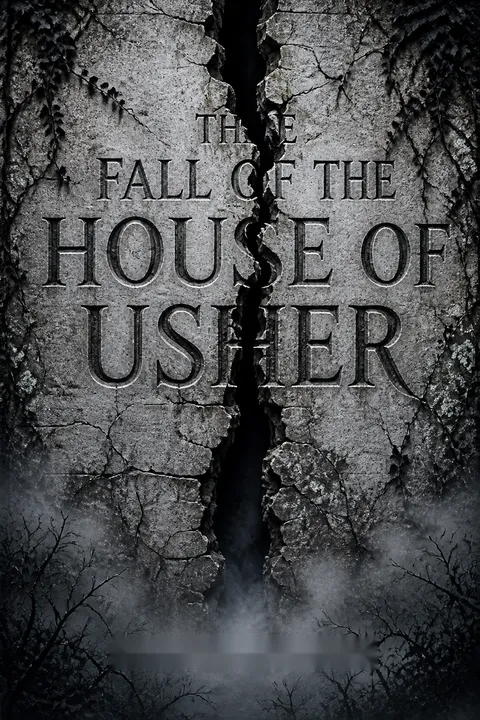
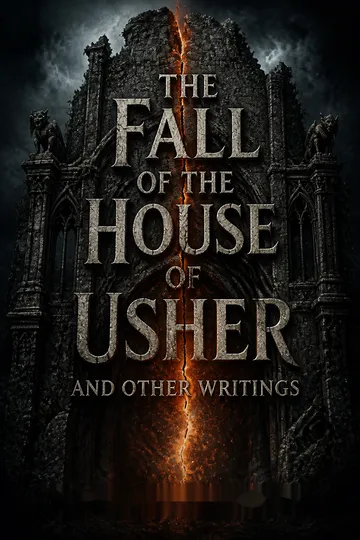
As the narrator escapes, the Usher mansion crumbles, its walls splitting and stones tumbling into the tarn. The destruction is total, as if the house and the family were one and the same, doomed to perish together. The storm's fury abates only as the house sinks into the dark waters, erasing all trace of the Ushers. The narrator, traumatized and forever changed, witnesses the end of a cursed lineage and the obliteration of a haunted legacy.
The House Sinks Forever
The tarn swallows the last remnants of the House of Usher, leaving only ripples on the water. The narrator, alone and shaken, reflects on the events with a sense of awe and terror. The house's destruction feels both inevitable and just, as if the earth itself has reclaimed what was never meant to endure. The story ends with the complete erasure of the Usher name, a warning about the dangers of isolation, madness, and the inescapable grip of the past.
Analysis
Poe's "The Fall of the House of Usher" endures as a masterwork of psychological and supernatural horror, exploring the destructive power of fear, isolation, and inherited guilt. The story's genius lies in its ambiguity: the horrors may be supernatural, psychological, or both, leaving readers unsettled and questioning reality. The Usher mansion, as both setting and symbol, embodies the family's decline and the inescapable grip of the past. Through the narrator's journey from rationality to terror, Poe examines the limits of reason and the overwhelming force of the unconscious. The tale warns against the dangers of isolation, the consequences of denying reality, and the inevitability of decay—both personal and familial. In a modern context, it remains a powerful meditation on mental illness, trauma, and the haunting nature of legacy.
Review Summary
The Fall of the House of Usher is praised for its atmospheric Gothic horror and psychological depth. Readers appreciate Poe's vivid descriptions, building tension, and exploration of madness. The story follows a narrator visiting his ill friend Roderick Usher in a crumbling mansion. Many note the eerie symbolism between the house and its inhabitants. While some find the language flowery, most consider it a masterpiece of the genre. The ambiguous ending and potential interpretations intrigue readers, making it a classic of horror literature.
People Also Read



Characters
Roderick Usher
Roderick Usher is the last male descendant of the Usher family, tormented by hereditary illness and overwhelming fear. His hypersensitivity to light, sound, and emotion isolates him from the world, and his artistic genius is both a gift and a curse. Roderick's relationship with his twin sister Madeline is intense and symbiotic, their fates intertwined. As the story progresses, his mental state deteriorates, driven by guilt, dread, and the oppressive atmosphere of the house. Roderick embodies the destructive power of fear and the inescapable weight of family legacy, ultimately succumbing to the very horrors he dreads.
Madeline Usher
Madeline Usher is Roderick's twin sister, suffering from a mysterious illness that leaves her cataleptic and ghostlike. Her presence in the story is ethereal, more symbol than person, representing the physical and psychological decay of the Usher line. Madeline's apparent death and premature burial are the story's central horrors, and her return from the tomb is both a supernatural event and a manifestation of repressed guilt and fear. She is the catalyst for the story's climax, her fate inseparable from her brother's and the house itself.
The Narrator
The unnamed narrator is a childhood friend of Roderick Usher, summoned to the mansion in hopes of alleviating Roderick's distress. He serves as the reader's surrogate, his rational perspective gradually eroded by the house's atmosphere and the unfolding events. The narrator's attempts to help are ultimately futile, as he is drawn into the Usher family's doom. His psychological journey from skepticism to terror mirrors the reader's own, and his final escape underscores the story's themes of helplessness and the limits of reason.
The House of Usher
The Usher mansion is more than a setting; it is a character in its own right. Its decaying walls, dark corridors, and suffocating atmosphere reflect and amplify the madness of its inhabitants. The house's physical and psychological influence is pervasive, shaping the fates of Roderick and Madeline. Its ultimate collapse symbolizes the end of the Usher line and the destructive power of isolation, fear, and inherited guilt.
Plot Devices
Gothic Atmosphere and Setting
Poe's use of the Gothic mansion, with its decaying grandeur and supernatural overtones, creates an atmosphere of dread that permeates every aspect of the story. The house's physical state mirrors the mental decline of its inhabitants, and the stormy weather amplifies the sense of chaos and doom. The setting is not merely a backdrop but an active participant in the narrative, shaping the characters' actions and emotions.
Unreliable Narration
The narrator's initial skepticism is gradually undermined by the house's influence and the bizarre events he witnesses. His descent into fear and confusion mirrors the reader's own, blurring the line between reality and hallucination. This device heightens the story's ambiguity, leaving open the question of whether the horrors are supernatural or psychological.
Foreshadowing and Symbolism
Poe weaves subtle hints throughout the story—the crack in the house, the family's history, the storm, and the music—all foreshadowing the final collapse. The house itself is a symbol of the Usher family's decay, and Madeline's return from the tomb represents the return of repressed fears and guilt. These devices create a sense of inevitability and reinforce the story's themes of fate and destruction.
About the Author






Download PDF
Download EPUB
.epub digital book format is ideal for reading ebooks on phones, tablets, and e-readers.








































