


Plot Summary
Prologue
On the tenth floor, game guide Odette6 watches her crawlers attempt a desperate gambit to open the stairwell. She bribed Huanxin Jinx,15 a wealthy alien sponsoring a storm goddess, to help — but Huanxin15 keeps demanding more money. Odette6 breaks the deal.
The bard Chaco uses a sacred dart on Mordecai's brother Uzzi,3 killing him to involuntarily summon the goddess inside a containment spell. Her own trapped lightning kills her. The stairwell opens, but Mordecai3 cradles nothing, vowing to kill Odette.6
She gains her freedom. Her friend Armita, who facilitated the bribe, is left vulnerable to Huanxin's15 revenge. The guilt of choosing survival over loyalty will follow Odette6 across centuries, shaping every decision she makes from this moment forward.
Walking Through Havana's Ghosts
Carl1 and Donut2 step onto the eighth floor into Havana's capitol building on December 10th — three weeks before the real collapse. The floor is a precise replica of Earth, populated by intangible ghost replays of its citizens.
Everything physical remains — vehicles, buildings, the wallet in a tourist's pocket — but the people are phantoms who walk through you, ripping garments from their own translucent bodies. The floor runs in three phases: fourteen days to explore and capture six monster totems using enchanted flags, then an assault phase to retrieve exit keys, then a final gauntlet to escape.
Donut2 chose Cuba over the Bahamas, where Bea's ghost might appear. The dungeon will likely engineer that encounter regardless. A tourist's shoe kicks Donut2 down the capitol steps, and the chaos of a colliding memory world begins.
The Scavenger's Daughter Awakens
Carl's1 celestial prize box yields a back patch depicting a pyramid of skulls sewn in fiber-optic thread. The Scavenger's Daughter is a divine item that hides its powers until worn, then reveals three benefits: enhanced climbing, Soul Reaper — which stores lethal energy from melee kills for devastating single strikes — and the Mysterious Bone Key, capable of opening any lock in the dungeon but at the cost of one of Carl's1 own bones and the jacket itself.
A new soul essence bar appears in his interface. Donut2 receives a fire-immune nipple ring with a berserking spell and a summoning tome that reanimates recently-worn armor with screaming ghosts. Combined with her new psychic class spells — including Mute and a self-attack compulsion — their arsenal has grown ferociously unpredictable.
The Nun With Kung Fu Seals
At the second stairwell wait three Cuban crawlers: Paz14 in thunderous plate armor, tattooed Anton gripping a crossbow, and Sister Ines5 — a cat-girl nun wielding a trident. All three are terrified of Donut,2 who once told a male stripper she would rip out any cat-girl's throat and feed them to grubs.
Tension fractures when Mongo knocks the armored Paz14 onto his back and the man howls with laughter. They cooperate to capture a monk seal — a barrel-sized marine mammal that screams karate sound effects while body-slamming with earthquake force.
The seal Geraldo becomes Carl's1 first totem card. A quest ignites between the kung-fu seals and migrating land crabs whose annual reproductive cycle has made them mortal enemies in the dungeon's warped mythology.
Samantha Gets Eaten Alive
Samantha7 — the animated sex doll head growing in mysterious power — was deployed as a scout across the island. She messages Carl1 with mixed news: she found a mage who can give her a real body. Unfortunately, that mage is Shi Maria, the Bedlam Bride,11 a level-140 spider demi-god city boss who swallowed her whole. The creature's closed fifth eye can permanently drive onlookers insane or blind.
Her cockroach ability lets her survive death twice. The lore book's entry warns simply to beware her lies. Carl1 sees opportunity amid horror — if they can flag this monster as a totem, she would dwarf everything else in their deck. Samantha7 insists her new best friend is lovely once you get past the skin condition and the screaming.
Seven Shrines, One Terrible Choice
Inside a corrupted ghommid cemetery, the temple transforms into a Celestial Thorn Room — seven broken god-shrines, one burning skull-gem, and a choice that reverberates beyond this floor.
Katia4 sends Carl1 an encrypted message: rebuild the shrine of Yemaya, the river goddess, because her celestial friend Eileithyia can save both Katia4 and Donut2 from a curse that will force them to kill each other. Carl1 defies the wishes of Paz14 and Anton's god Ogun and rebuilds Yemaya's obelisk. Ogun materializes to punish his worshippers.
Carl1 casts a spell to strip Anton of divine protection, hoping to save him. Ogun steps on Anton's head like crushing a can. He brands Paz's14 face with a permanent handprint and an incurable curse. Two goddesses rise bearing gifts. The cost is carved in flesh.
The Reaper of Havana
As Paz14 lies dying from Ogun's curse, he reveals what the nun's cat-girl race conceals: a toxoplasma-like passive skill that compels everyone nearby to protect her, then erases their memory of the manipulation. Paz14 and Anton worshipped Ogun specifically to resist it. They forgot why within minutes. The darker revelation follows: Sister Ines5 is not a prison chaplain.
She is the prisoner — a convicted serial killer who poisoned every sister in her Cuban convent. Before Carl1 can process this, Sister Ines5 stabs Paz14 with her squad flag, converting him into a totem card an instant before death takes him naturally. She walks from the temple without a word. Donut2 hisses that she warned Carl1 about Havana browns from the beginning.
The Orchid or the Crown
Katia4 reveals the full crisis. Her dead rival Eva placed the Crown of the Sepsis Whore on her head with a dying breath — meaning Katia4 and Donut2 must eventually fight to the death.
But Katia4 holds a celestial lock box containing an orchid that offers three possible boons from the goddess Eileithyia: tripled constitution, transfer to the twelfth floor as an NPC attendant, or pregnancy and immediate ejection. Two of three seals are already broken. The third requires an assassination quest from the Guild of Suffering — a secret society hidden behind a strip club cubicle in the Desperado Club.
The target is Astrid, the club's fairy security chief. Meanwhile, Katia's4 secret drug addictions threaten to shatter her before the plan even begins. Bautista17 watches his partner crumble and cannot help.
Rosetta's Hidden Broadcast
Carl1 appears on Shadow Boxer, a documentary hosted by Rosetta20 Thagra — a former crawler Carl1 suspects authored the ninth edition of the secret cookbook passed between generations. The interview forces Carl1 to confront his mother's suicide and father's abandonment on camera while Rosetta20 weaves coded messages throughout.
Every screencap shown to Donut2 is from a Miami-set television show. A fabricated photograph places Carl1 in a kitchen with a bottle labeled Milk beside potatoes — references to two cookbook authors.
When Rosetta20 mentions the versatility of potatoes, Carl1 catches the thread: his sponsors, the Open Intellect Pacifist Network, employ former cookbook authors who are steering him toward something specific. The caprid liaison Harbinger kills the interview and bans Rosetta20 permanently. The message survives.
Assassination Under Demon Fire
Carl1 rigs the Desperado Club's secret passages with claymores and teleport traps. Samantha7 is deployed to cause a scene at the bar, but accidentally releases a shrieking feral demon named Minge from a Nothing portal in the casino.
The monstrous creature fills the restaurant, devouring guards while Samantha7 hurls insults about venereal diseases. In the chaos, Katia's4 invisible wolf form stalks Astrid through the kitchens. Her totems create a distraction. Carl1 rips the fairy's wings from her body — the move that strips her magic.
Katia4 drives a spike through her skull. The lock box opens. The orchid enters Katia's4 inventory. Carl1 hires the strip club's thirteen male dancers as mercenaries for Faction Wars, including Damascus Steel,19 who reveals the assassination target was his own mother.
Odette Confesses Everything
Odette6 announces she is sponsoring the goddess Nekhebit and entering the Celestial Ascendency — she cannot be Carl's1 adjutant. In a stolen private moment after the cameras cut, she pours out the truth.
Her cousin Pieter, her friend Armita, Mordecai3 and his brother — she pushed everyone past their limits in her desperation to escape the dungeon. She made an illegal deal with Huanxin Jinx15 that led to Uzzi's death. When she confessed, Huanxin15 killed Armita in revenge. Now Odette's6 singular purpose is atonement for Mordecai.3
She plans something drastic against Huanxin15 that will likely kill them both. Carl1 picks Baroness Victory, an orc attorney from the Skull Empire, as adjutant. Huanxin's15 deal to save Katia4 holds — barely — despite Odette's6 refusal to participate as planned.
Carl's Father Dies Again
Phase two drops Carl1 in the Florida Keys beneath a crumbling pile of relocated Iowa farmland. Inside a trailer from a different season — summer, not Christmas — lies his dying father in a hospital bed. A boy peeks around the hallway. Six years old.
Brown hair, blue eyes, that unmistakable nose. Asher. Carl's1 half-brother, whose existence was hidden from him by Bea, who intercepted the stepmother's Facebook messages rather than let Carl1 discover he had family.
Carl1 watches as Tami-Lynn, his stepmother, injects his father with a lethal dose of morphine while Asher plays with a matchbox car. Carl1 whispers an apology to his brother's ghost, collects crayon drawings of lightning storms destroying cities, and lights the trailer curtains on fire as the timer expires.
Nine Heads Wear Familiar Faces
The key boss is a Reminiscence Hydra — a flesh balloon sprouting nine screaming heads on long stalks, each wearing the face of someone Carl1 or Donut2 knew. Asher. Bea's mother shooting fireballs. Monobrow Sam with a death ray.
A cat-show judge whose search history Donut2 finds vindicated. The AI proudly announces it designed this boss independently, with zero showrunner input. Shi Maria11 devours heads faster than they regenerate while Carl1 identifies which head controls fire resistance.
He decapitates Bea's mother using a shrink wand on a snap collar, then cauterizes the stump with moonshine. The hydra collapses. Alpha Male Carl — a totem parody with gelled hair and a suspicious bulge — tries to give Carl1 a hug before timing out. The key is won.
The AI Seizes the Wheel
The system AI wrests control from the Borant showrunners. Liaison Orren negotiates it back into compliance — for now. Carl1 follows his sponsors' final clue to a homeless shelter in Homestead, Florida, where a man named Paulie recites a daily speech in an alien language.
He is a Residual — an ancient consciousness hiding in a human body, part of a collective that seeds itself on crawl planets to teach infant AIs how to communicate with their ancestors. Before Paulie can finish revealing what the sponsors truly wanted Carl1 to hear, Orren teleports him out of the shelter.
The liaison claims the information was debunked folklore and confiscates the stash. The sponsors who arranged the entire operation have vanished — fugitives now, their assets frozen, their lives ruined.
Quan Steals Both Keys
Phase three returns them to Cuba alongside three keyless squads, including Imani8 — who lost her entire squad to a rogue totem — and Quan Ch,10 the one-armed card master Carl1 maimed two floors ago. Quan10 has been studying the card system with obsessive precision. When Donut2 initiates the fight, he uses a Peekaboo card to see her hand, then casts Force Play — forcing Donut's2 own Flee card to activate involuntarily.
Both keys transfer to Quan.10 In seconds, everything Carl1 has fought for vanishes. He scrambles to coordinate defenses at both stairwell exits, sending Imani8 to one and Tserendolgor9 to the other. The woman who once cheated Donut2 at the pet show may be the only thing standing between them and oblivion.
Ren Detonates Herself
Quan10 is killed at the capitol building through a coordinated assault of teleport traps and summoned totems, but the exit door crumbles before anyone can use it. Tserendolgor9 sits on the floor beside her pet Garret and makes her peace. She hands Carl1 her flamethrower Velma, all her cards, consumable Glow-Up and Midnight Express cards, and dozens of Eye in the Sky scrolls.
Then she kills Garret with a crystal knife — resetting the tummy acher to level one so Carl1 can raise him. She tells Carl1 he is more than a person, he is a symbol. If the dungeon loses him and his annoying cat,2 everyone loses hope. She confesses to cheating at the pet show. Then she clicks her wrist bracer and brings the building down upon herself.
Allies Storm the Demon Tower
Sister Ines5 has gone fully insane, controlling the massive demon prince Amayon through the possessed body of a snake city boss. A worldwide demon eviction event floods Cuba with hell-spawned zombies.
Through fast-travel upgrades provided by Lucia Mar — five tier-three doggie doors dropped like breadcrumbs before she descended — allies pour in from Iceland, Beijing, and beyond. They assault the FOCSA building while Elle's12 amplified ice storm obliterates a thousand demons in a single cast.
Inside the collapsing floors, Louis13 stabs Sister Ines5 with a sleep wand and finishes her. Katia4 arms the totem of Paz14 with her god-killing bolt. The dead man's specter drives it through the goddess Ysalte's eye. His self-destruct concentrates the blast. The goddess's head falls. A deity dies.
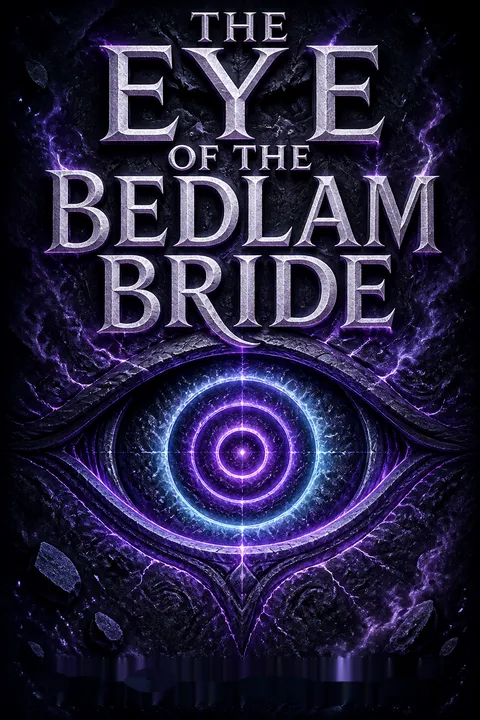
The Bedlam Bride's Eye
Donut's2 Golden Combo card misfires when Shi Maria11 murders its intended target, Alpha Carl. The spell latches onto Carl1 instead, merging him with the spider. She seizes his body, rifling through his inventory with gleeful hunger, discovering the cookbook, potions, and a summoning totem she wants.
She takes Li Jun's eye and eats it raw, then uses the stick-and-poke tattoo kit to etch herself onto Carl's1 chest using ink made from root vegetable and Sheol fire. The tattoo — the Eye of the Bedlam Bride — blinks once and disappears beneath his skin. When the fusion expires, Donut2 immediately rips the spider's card. It changes nothing. The eye remains, a presence connected to something deeper than any card, whispering promises of power.
Falling Up
Carl1 convinces Raul the crab totem to fertilize ocean eggs, creating billions of souls the AI counts as living mobs. He sets Havana ablaze using Sheol-enhanced fire from his Martyr's Path benefit, buffing Amayon until the demon prince can cast a portal spell that stretches across the entire globe.
As the heavens tear open and the world is scoured upward, crawlers everywhere crouch beneath exposed stairwell chambers. The magical walls strip away mid-ascent, and thousands strike the stairs while flying through the sky.
Carl1 proposes an emergency Faction Wars action item that lets the audience vote on remaining rules. The viewers remove safety protections for Faction sponsors — ninety-eight percent in favor. Carl,1 Donut,2 and Imani8 ride the apocalypse into the ninth floor. Over thirty thousand crawlers survive.
Epilogue
Princess Formidable of the Skull Empire argues before the Syndicate Council to pull the failsafe and destroy the star, killing everyone in the system rather than let the AI grow uncontrollable. She is overruled.
The Valtay plan instead floods Faction Wars with over 150,000 mercenaries to exterminate every crawler before the season ends. In a different orbit, Agatha — not human, not Valtay, but an ancient alien hiding as a homeless woman near Carl's1 old neighborhood — lights a barrel fire, waiting for a dungeon entrance.
Aboard a massive garbage freighter called Homecoming Queen, former crawlers Tipid and Rosetta20 command 50,000 veterans hidden inside, all registering as Princess Posse troopers. The AI approves their onboarding. They are coming home to fight.
Analysis
The Eye of the Bedlam Bride operates as an extended meditation on the psychology of isolation under systems designed to atomize solidarity. The eighth floor's three-phase structure — squad-building, key-hunting, escape — mechanically reproduces the alienation pipeline: first you are given something to care about, then it is made scarce, then you are pitted against others for survival. The card system literalizes the dungeon's commodification of relationships: allies become trading cards, loyalty is measured in summoning duration, and the most powerful assets are those most likely to turn on you.
Carl's1 discovery of his brother Asher crystallizes the book's thematic core. The dungeon weaponizes personal history not through fabricated trauma but through revelation of real loss — showing Carl1 what was stolen before he could even know it existed. His stepmother's act mirrors his own mother's, creating a recursion of desperate women choosing violence against men who drain everyone around them. That Carl1 burns the trailer rather than watch his father die is not defiance but refusal to participate in grief-as-spectacle.
The most psychologically acute thread is Katia's4 addiction arc, which functions as a counter-narrative to Carl's1 stoicism. Where Carl1 channels pain into explosions, Katia4 dissolves into chemical oblivion — the blitz sticks offering manufactured memories to replace unbearable ones. The Crown of the Sepsis Whore is addiction's metaphor made literal: a beautiful object on your head that will kill someone you love unless you complete increasingly degrading tasks to remove it.
Dinniman's most radical argument emerges in the climax: Carl's1 plan to save all crawlers by feeding a demon prince enough power to scour the world. The escape requires trusting that destruction, properly directed, creates opportunity. The audience vote removing sponsor protections — ninety-eight percent in favor — transforms viewers from consumers into conspirators. The crawl finally becomes what its architects feared: a weapon pointed back at the people who built it.
Review Summary
The Eye of the Bedlam Bride is the sixth installment in the Dungeon Crawler Carl series, receiving overwhelmingly positive reviews. Readers praise its humor, character development, and engaging plot. The book features a unique card game mechanic and explores intergalactic politics. Many consider it the best in the series so far, with a perfect balance of action, world-building, and emotional depth. Fans appreciate the continued growth of beloved characters Carl and Donut, as well as the introduction of new elements that keep the series fresh and exciting.
Characters
Carl
Explosive-fisted dungeon crawlerA former Coast Guard enlistee turned dungeon fighter, Carl wages war through improvised explosives, melee gauntlets, and an instinct for split-second tactical decisions that borders on suicidal brilliance. Beneath the pragmatism runs a river—his own metaphor for the grief, rage, and abandonment he's carried since his mother's suicide and father's disappearance. He protects Donut2 with paternal ferocity while struggling to extend that protectiveness to a widening circle of friends without breaking himself. His worship of the fire god Emberus mirrors his relationship with destruction: he makes it serve others. Carl's core tension is between self-sacrifice and self-preservation, between the loneliness that nearly consumed him and the connections that keep pulling him back. He inspires because he fights even when the math says stop.
Donut
Card-wielding feline warlordA Queen Anne Chonk cat elevated to sapience by the dungeon, Donut is simultaneously the galaxy's most famous celebrity, a devastating deckmaster, and a deeply anxious soul masking her terror with bravado, fashion commentary, and elaborate opinions about television. She commands a squad of six monster totems with charisma-enhanced authority, switching between her sailor cap for faster card draws and her dragonfly tiara for hover abilities. Her relationship with Carl1 is the emotional spine of everything—she fears losing him more than death itself, and her growth from pampered pet to battlefield commander is both genuine and fragile. Her encyclopedic knowledge of cat breeds serves as both comedy and a surprisingly effective threat-assessment system.
Mordecai
Cyclops guide hiding childrenCarl1 and Donut's2 game guide, currently in the form of a Hills Cyclops—a pink, one-eyed, Spongebob-adjacent creature who looks stupid but thinks in stratagems. Mordecai has survived longer in the dungeon than almost anyone, carrying the weight of his brother Uzzi's death and Odette's6 betrayal across countless cycles. He secretly uses guild resources to foster six changeling orphans with birth defects, hiding them from the party while letting them paint makeup on his face. His alchemy skills are indispensable, and his counsel is the pragmatic counterweight to Carl's1 idealism. When he advises Carl1 to let Katia4 self-destruct rather than risk Donut2, it reveals the calculus of a man who has watched too many people die trying to save everyone.
Katia
Shapeshifter cursed by a crownA morphically fluid crawler who can reshape her body into anything she imagines, Katia carries two invisible burdens: the Crown of the Sepsis Whore—placed on her by her dying rival Eva, condemning her and Donut2 to an eventual death match—and a spiraling addiction to dungeon drugs that strips her stats and blurs reality. Her relationship with Bautista17 strains under the weight of both secrets. She hunted and killed Eva to protect others, but the kill came with consequences she cannot outrun. Katia's missing fingers, which she could regenerate but chooses to keep, serve as her monument to what she's lost. Her path to the orchid of salvation requires an assassination she can barely stomach, executed while her body trembles from withdrawal.
Sister Ines
Nun-killer in a cat's bodyA Discalced Carmelite nun transformed into a cat-girl, Sister Ines leads her small squad with gentle authority while concealing a toxoplasma-like passive skill that compels everyone nearby to protect her. Her faith is genuine but fractured—she refuses to worship any dungeon deity yet spirals into fanaticism when confronted with the game's demonic elements. Before the dungeon, she poisoned every sister in her Cuban convent. Her medication kept her stable, but the dungeon's pressures and her Nebular sponsors push her back toward the edge, culminating in an attempt to control a demon prince through poetry.
Odette
Talk show host atoning for betrayalThe galaxy's most famous dungeon commentator, Odette hosts her show from a crab-bodied avatar with missing legs she refuses to regenerate. A former crawler and game guide, she pushed Mordecai's3 team too hard, made an illegal deal with Huanxin Jinx15, and ultimately caused the death of Mordecai's3 brother Uzzi and her own friend Armita. Everything she does—the show, the sponsorships, her planned entry into the Celestial Ascendency—is driven by guilt over Mordecai3 and a desire to dismantle the system that destroyed him. She is simultaneously Carl's1 most powerful media ally and a potential threat.
Samantha
Chaotic doll head demi-goddessAn animated sex doll head housing the consciousness of a banished demi-goddess, Samantha grows mysteriously more powerful as the floor progresses—flying, enhancing spells, and dragging entire battlefields through teleportation. Her obsession with Louis13, her threats against everyone's mothers, and her acid-producing neck hole make her simultaneously invaluable and terrifying. She desperately wants a real body and befriends the spider Shi Maria11, who lies about being able to provide one. Beneath the chaos is a being who genuinely craves connection and fears being abandoned.
Imani
Healer whose squad perishedA former Meadowlark elder care worker transformed into a skeletal fairy with butterfly wings, Imani is the group's emotional anchor and most skilled healer. The loss of her entire squad to a rogue totem devastates her, adding twelve player killer skulls she never wanted. She holds the group together through daily shared meals and quiet counsel. Her refusal to take Carl's1 key when offered reveals her belief that Carl's1 survival matters more than her own—a selflessness Carl1 finds both admirable and maddening.
Tserendolgor
Dog-woman rival turned martyrA former Mongolian fashion model turned dog-headed crawler, Ren is Donut's2 competitive nemesis—the one who cheated at the pet show and stole Mongo's crown. She leads her squad with fierce loyalty and a flamethrower named Velma. When her husband Chuluuna dies and the final battle leaves no honorable exit, she gives Carl1 everything she owns and detonates herself rather than fight Donut2, turning her death into an act of defiance against the dungeon's hunger for crawler-on-crawler violence.
Quan Ch
One-armed card game mastermindThe crawler whose arm Carl1 ripped off on a previous floor, Quan is a Sergeant-at-Arms who hoarded weapons from every person he killed. His mastery of the card system—using Peekaboo and Force Play cards to hijack opponents' own Flee cards—makes him the deadliest tactical threat on the floor. He carried a golden ring engraved 'For Daddy' on his remaining hand. His sixty-plus player killer skulls represent a trail of bodies, yet his final moments reveal a man who knows exactly what he has become.
Shi Maria
Spider demi-god with five eyesThe Bedlam Bride—a translucent, building-sized reaper spider whose fifth eye can permanently blind or drive insane anyone who looks at it. A former celestial being who may have murdered her own husband, she manipulates everyone she encounters while desperately seeking passage to Larracos. Cunning enough to allow herself to be flagged as a totem card, she seizes control of Carl's1 body during a magical mishap and tattoos her essence into his chest, ensuring she can never be simply discarded.
Elle
Ice fairy with war magicA former Meadowlark elder care worker turned diminutive fairy with ice magic, Elle is Imani's8 partner and the group's most blunt voice of reason. Her Graupel spell—an amplified hailstorm—becomes devastating when enhanced by proximity to demonic energy, killing a thousand demons in a single cast. She insists on joining Carl's1 suicide mission because that is what family does.
Louis
Grieving gentle giantA large, earnest crawler still mourning his best friend Firas, Louis organizes the Christmas party that reminds everyone they are still human. He volunteers to kill Sister Ines5 so Carl1 and Donut2 won't earn more player killer skulls. His five new skulls weigh on him, but he forces Christmas on people who need it. Samantha's7 obsessive crush on him provides comic relief against the backdrop of genuine heartbreak.
Paz
Armored cleric cursed by his godA former prison guard in clanking holy armor, Paz worships the god Ogun for mind-control protection that never works. He is branded and cursed for Carl's1 choice in the Thorn Room, yet uses his dying breaths to warn Carl1 about Sister Ines5. Turned into a totem card by the nun, his specter is later armed with a god-killing bolt and used to decapitate the goddess Ysalte—a final act of agency for a man who asked only to be let go.
Huanxin Jinx
Billionaire alien puppetmasterCEO of Icon Industries, Huanxin is a grixist heiress who sponsors the goddess Eileithyia to compete in the Celestial Ascendency. She manipulates Carl1 into resurrecting Yemaya as a retainer goddess, promising to save Katia4 in exchange. Her history with Odette6—bribery, betrayal, and murder—makes her promises as dangerous as her threats. She honored the deal despite Odette's6 defection, but her true motives remain opaque.
Prepotente
Brilliant antisocial goatThe goat crawler who broke an entire floor, Prepotente is the smartest tactician in the dungeon and the most difficult to work with. He co-develops Carl's1 escape plan using crab reproductive biology and Sheol fire dynamics, then descends the stairs alone.
Bautista
Tiger shapeshifter making teaKatia's4 boyfriend and a former tea shop owner, Bautista holds the group together through daily shared meals while watching helplessly as Katia's4 addiction spirals. His transformation into a four-armed combat form during the final battle reveals strength he's been holding back.
Florin
Crocodilian gunslinger lonerAn Australian-accented crocodilian crawler who fights alone in Ecuador with a tank and a shotgun. He gives Carl1 the uncontrollable Uzi Jesus totem card and goes down the stairs first, asking only that Carl1 watch for Lucia Mar.
Damascus Steel
Ifrit stripper and secret sonA demon-race male stripper at the Penis Parade and one of Donut's2 favorites. He reveals that Astrid—Carl's1 assassination target—was his mother, and the Night Wyrm who ordered her death is his father. He sends his colleagues into Carl's1 care before going to confront his father.
Rosetta
Former crawler turned filmmakerA Crest woman and former crawler who authored the ninth edition of the cookbook. She risks everything to embed coded messages in Carl's1 interview and is later revealed in the epilogue as co-commander of a hidden army of 50,000 former crawlers aboard a garbage freighter.
Plot Devices
T'Ghee Card System
Monster-capturing combat systemThe eighth floor's primary mechanic requires crawlers to capture monsters into totem cards using enchanted flags, then build a six-card deck supplemented by utility, snare, mystic, and special cards. During card combat, the squad leader loses access to spells and inventory, summoning totems that fight independently based on their loyalty to the deckmaster. The system creates layered strategic dilemmas: powerful totems may refuse orders or attack allies, consumable cards can't be tested safely, and opponents may carry unknown counters. The card battles structure every major conflict on the floor, from practice arena sessions through the final boss gauntlet, while their deck-building requirements drive the exploration and alliance-building of the first phase.
Crown of the Sepsis Whore
Forces friends to kill each otherA cursed tiara placed on Katia4 by her dying rival Eva, the Crown forces its wearer into an eventual death match with another specific crawler—in this case, Donut2. The only known escape routes are contained within the Engaged Lock Box: an orchid offering three divine boons, each with different consequences. Obtaining the orchid requires breaking three seals through morally devastating tasks: killing a party member, killing a country boss, and completing a Guild of Suffering assassination. The Crown drives the floor's emotional subplot, forcing Carl1 to weigh pragmatic survival against loyalty. Every alliance, every tactical decision, every risk Carl1 takes is filtered through the question of whether Katia4 and Donut2 can both survive the ninth floor.
Scavenger's Daughter Patch
Stores kill-power on Carl's backA divine back patch depicting skulls that glows with soul essence from Carl's1 melee kills. Once the essence bar fills, Carl1 can discharge it in a single devastating strike whose nature mirrors the souls collected—ghommid essence produces a freezing blast, bird souls generate a sonic scream. The bar grows larger with each cycle, demanding more kills but delivering proportionally greater destruction. The patch also grants proximity alerts for deities, enhanced climbing, and the Mysterious Bone Key—a last-resort ability to open any lock at the cost of one of Carl's1 bones and the jacket itself. The divine item gains additional powers near gods and demons, making Carl1 a walking barometer of celestial activity.
Demon Eviction Event
Worldwide zombie-to-demon apocalypseWhen excess death overwhelms the underworld of Sheol, demons are involuntarily ejected upward into weakened corpses—particularly zombies. The event cascades globally after zombie farm animals from Iowa fall into the ocean, infecting fish worldwide. Possessed zombies gain intelligence and attempt to drag living souls through hell portals to earn their way home. Full-powered demons freed from their shells are even more dangerous. The event provides the floor's climactic mechanism: demon prince Amayon's portal spell, powered by enough souls and Sheol fire, will scour the entire world clean—stripping away the magical walls protecting stairwell chambers and allowing every crawler to escape by riding the portal upward.
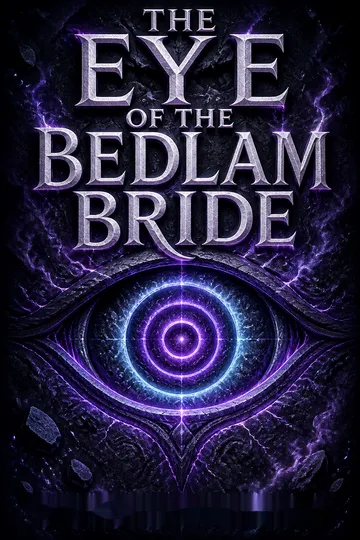
Eye of the Bedlam Bride
Spider parasite tattooed into CarlWhen Donut's2 Golden Combo card accidentally merges Carl1 with the spider Shi Maria11, the demi-god seizes control of his body and uses the tattoo kit and a special ink to etch her fifth eye onto his chest. The tattoo blinks once and vanishes beneath his skin, but Carl1 can feel it—a bottomless hole connected to Shi Maria's11 consciousness. Even after Donut2 rips the spider's card, the tattoo persists, whispering promises. The Eye transforms Shi Maria11 from a removable totem into a permanent presence that Carl1 must either embrace for power or find a way to expel. It represents the floor's central warning about accepting dangerous allies whose agendas remain opaque.
Dungeon Crawler Carl Series
About the Author
Other books by Matt Dinniman


Download PDF
Download EPUB
.epub digital book format is ideal for reading ebooks on phones, tablets, and e-readers.








































