
Plot Summary
Christmas Eve Shadows Return
Father Marcus, tormented by memories of a past exorcism, returns to the site of the old farmhouse—now a church—on Christmas Eve. Despite assurances that the evil is gone, he is plagued by visions of hellish chaos and demonic mockery during Mass. The young priest, Father Balkan, behaves strangely, and the congregation is swept into a blasphemous sermon. The horror culminates in violence: Father Marcus is shot by Balkan, who then kills himself, as the church erupts into panic. In his final moments, Marcus's thoughts turn to the Hill family, sensing unfinished evil. The chapter sets the stage for the return of a darkness that was never truly banished, and the cost of faith in the face of relentless evil.
Haunted Minds Awaken
Nora Hill, now a widow and mother to five-year-old Maren, struggles through Christmas, haunted by dreams of her lost husband and daughter. The weight of past trauma from the exorcist's house lingers, manifesting in migraines, anxiety, and a sense of foreboding. Nora's attempts to create a normal holiday for Maren are shadowed by loneliness and the ever-present threat of the supernatural. The chapter explores the persistence of grief, the difficulty of moving on, and the fragile hope Nora clings to for her remaining child, even as the past refuses to stay buried.
The Monster in the Tree
Christmas morning is shattered when the family's tree topples onto Nora, and Maren claims a monster pushed it. Buck, the loyal bloodhound, growls at unseen threats, and Maren suffers a violent seizure. The incident blurs the line between medical crisis and supernatural attack, as Nora's rational mind battles with the possibility of lingering evil. The family's sense of safety is upended, and the reader is left questioning whether Maren's visions are symptoms or warnings. The chapter deepens the sense of dread, showing how evil can infiltrate the most innocent moments.
Seizures and Secrets
At the hospital, Maren's seizure is diagnosed as epilepsy, but Nora is unsettled by her daughter's memory lapses and the mention of monsters. The medical explanation offers little comfort, as Nora recalls Father Marcus's warnings about evil holding grudges. The news of the church shooting—on the very land where their old house stood—reignites Nora's fears. The chapter explores the tension between science and the supernatural, and the isolation of a mother who suspects her child's suffering is more than physical. The seeds of generational trauma and inherited evil are sown.
The Neighbor's Warning
Nikki, the goth neighbor, hears screams and sees a shadowy figure in Maren's window. Her intervention brings police and neighbors together, but the threat remains unseen. Nora's attempts to seek help from the church are thwarted by the news of Father Marcus's death and her own terrifying visions. The sense of being watched, of evil lurking just out of sight, infects the entire neighborhood. The chapter highlights the limits of community support in the face of the inexplicable, and the growing sense that the Hill family is marked by something no one else can see.
Nightmares in the Cul-de-Sac
Nikki's nightmares become reality as she is possessed by Maren's demon and compelled to murder her neighbors in a gruesome spree. The violence is both random and targeted, echoing the chaos unleashed years before. The aftermath leaves the community shattered, and the Hill family once again at the center of inexplicable tragedy. The chapter illustrates how evil, once unleashed, can infect and destroy entire communities, and how innocence can be weaponized by darkness.
The Demon's Inheritance
Years pass, and Maren grows, but the demon within her remains. She is visited by the ghost of Merle, who explains that she was born with a demon inside her—a parasite that cannot be exorcised without killing her. Maren must learn to control it, to fight for her own soul. The chapter explores the psychological toll of being both victim and vessel, and the burden placed on a child to resist an evil that is part of her very being. The family's love is both shield and weakness, as they struggle to protect Maren without truly understanding the enemy.
Ghosts on the Porch
Nora is visited by the spirits of Daniel, Merle, and others, who reveal the true nature of Maren's possession and the impossibility of a simple cure. They warn that as Maren grows, so will the evil, and that only love and vigilance can keep her from being lost. The ghosts' presence is both comfort and curse, as their return means the boundaries between worlds are weakening. The chapter is a meditation on the limits of parental power, the inevitability of loss, and the hope that even in darkness, love can endure.
The Price of Protection
As Maren enters adolescence, the family's attempts to maintain normalcy are shattered by Buck's decline and eventual violent death. The dog's passing severs the last spiritual tether to Merle and the protective forces of the past. Kelsey, Maren's stepsister, is horribly injured in a dog attack, and the family is plunged into crisis. The chapter examines the cost of survival, the ways in which trauma is inherited and compounded, and the impossibility of shielding loved ones from the consequences of ancient evil.
Buck's Last Stand
Buck's final days are marked by violence and supernatural influence, culminating in his death and the loss of the last link to the original exorcist. The family is left exposed, and Maren's control over her demon is tested as never before. The chapter is a requiem for lost innocence, for the passing of old protectors, and for the realization that the next generation must face the darkness alone. The sense of impending doom is palpable, as the story moves toward its inevitable confrontation.
Sisterhood Fractured
Maren and Kelsey's relationship deteriorates under the strain of trauma, jealousy, and the manipulations of the demon. High school drama becomes a battleground for the soul, as Maren's attempts to help are twisted into new betrayals. The demon's influence grows, feeding on resentment and pain, and Maren's sense of self begins to fracture. The chapter explores the ways in which evil exploits human weakness, and how the bonds of family can be both salvation and damnation.
The Well Unsealed
Nora, driven by desperation, attempts to summon help from the other side by unsealing the well beneath the church. The ritual brings back the spirits of Daniel, Merle, and others, but at a terrible cost: they are now trapped, unable to return to peace. The demon, now fully ascendant in Maren, unleashes violence and chaos, killing Kelsey and threatening to destroy everything Nora loves. The chapter is a crescendo of horror, as the past and present collide and the true nature of the evil is revealed.
The Final Gathering
Nora, Maren, and the spirits of their loved ones are drawn together in the sanctuary of the church, now a liminal space between worlds. The demon, weakened by the presence of the dead, offers Nora a terrible choice: join her family in damnation, or let the demon loose upon the world. The family's love is both weapon and weakness, and the cost of their reunion is eternal suffering. The chapter is a meditation on sacrifice, the limits of redemption, and the power of choice in the face of overwhelming darkness.
The Choice of Damnation
Nora, confronted with the reality that her love for Maren has doomed them all, chooses to join her family in death, hanging herself from the church's cross. The demon, now free, mocks her as the church burns and the last barriers between worlds collapse. The chapter is a devastating exploration of guilt, love, and the consequences of choosing family over the greater good. The cycle of trauma and evil is complete, and the world is left vulnerable to the demon's resurrection.
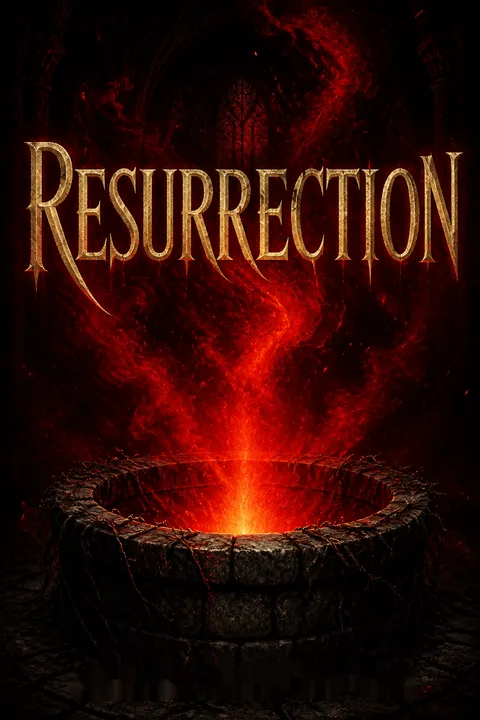
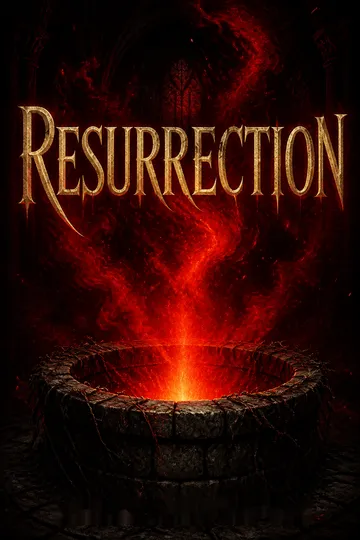
Resurrection on Sunny Branch Way
The demon, now fully incarnate in Maren's body, walks away from the burning church, stripped of supernatural power but ready to begin anew. The memories of all its hosts linger, and its purpose is clear: to spread chaos and destruction, beginning with the nearby subdivision. The resurrection is complete, and the story ends with the promise of further horrors to come. The final chapter is both an ending and a beginning, as the legacy of the exorcist's house continues to haunt the living.
Analysis
Nick Roberts' The Exorcist's House: Resurrection is a harrowing meditation on the persistence of evil, the limits of love, and the inescapability of trauma. By blending supernatural horror with psychological realism, the novel explores how the wounds of the past infect the present, and how the struggle for control—over oneself, one's family, and one's fate—is both heroic and doomed. The story's use of possession as a metaphor for mental illness and generational pain is both timely and timeless, resonating with contemporary anxieties about inheritance, identity, and the cost of survival. The novel's structure, with its cycles of violence and return, suggests that some evils cannot be defeated, only endured or contained for a time. The ultimate lesson is a bleak one: that love, while powerful, is not always enough to save those we care about, and that the choices we make—out of fear, hope, or desperation—can have consequences that echo far beyond our own lives. In the end, Resurrection is a story about the price of protection, the dangers of denial, and the tragic beauty of fighting for the light, even when the darkness is part of us.
Review Summary
The Exorcist's House: Resurrection receives overwhelmingly positive reviews, with readers praising its terrifying atmosphere and emotional depth. Most reviewers found it the scariest and best installment of the trilogy, featuring protagonist Maren and her mother Nora facing demonic evil that follows them relentlessly. Readers appreciated the disturbing imagery, tight pacing, and heartbreaking character development. The book reportedly haunts readers long after finishing, with many experiencing genuine fear and sleeping with lights on. While some found the timeline confusing or the ending rushed, the majority considered it a phenomenal conclusion that perfectly connects to Roberts' Anathema series.
People Also Read
Characters
Nora Hill
Nora is the emotional core of the story—a woman marked by loss, guilt, and an unyielding love for her children. Her journey is one of gradual unraveling, as she battles both external evil and the internalized trauma of her past. Nora's relationship with Maren is fraught with fear and hope; she is both the shield and the unwitting enabler of the demon's survival. Her psychological arc is defined by the tension between rationality and faith, and her ultimate sacrifice is both an act of love and a tragic surrender to the forces she cannot control. Nora's connections to Daniel, Dean, and her daughters are the threads that bind the narrative, and her choices shape the fate of everyone around her.
Maren Hill
Maren is both victim and antagonist—a child born with a demon inside her, forced to fight for her own soul from the very beginning. Her development is a study in duality: she is loving, intelligent, and brave, but also haunted, isolated, and at times terrifying. The demon's influence warps her relationships, especially with Kelsey, and her struggle for control is the central conflict of the novel. Maren's psychological journey is one of self-discovery, resistance, and, ultimately, tragic surrender. She embodies the theme of inherited trauma and the impossibility of escaping one's origins.
Daniel Hill
Daniel, Nora's first husband and Maren's father, is a presence felt throughout the story, both in memory and as a ghostly guide. As a psychologist, he represents reason and compassion, but his death leaves a void that cannot be filled. His posthumous appearances offer comfort and wisdom, but also underscore the limits of parental power. Daniel's love for his family is unwavering, and his willingness to return from the afterlife to help them is both a blessing and a curse. He is the voice of hope, but also a reminder of what has been lost.
Dean Fincher
Dean enters the family as a source of stability and support, but is gradually drawn into the web of supernatural horror. His relationship with Nora is tested by secrets, guilt, and the escalating violence surrounding Maren. Dean's skepticism is both a strength and a weakness; he grounds the family in reality, but is slow to recognize the true nature of the threat. His love for Kelsey and his attempts to protect both daughters are ultimately futile, and his fate is a testament to the story's merciless logic.
Kelsey Fincher
Kelsey is both a symbol of hope and a casualty of the family's curse. Her bond with Maren is deep but strained, and her suffering—both physical and emotional—mirrors the larger themes of inherited trauma and the cost of survival. Kelsey's disfigurement and eventual death are the result of forces beyond her control, and her arc is a tragic reminder that innocence offers no protection in a world ruled by evil. Her relationship with Dean and Nora is loving but complicated, and her rivalry with Maren is both natural and manipulated by the demon.
Buck
Buck, the family's bloodhound, is more than a pet—he is a living link to the original exorcist, Merle, and a symbol of the old world's protective magic. His decline and death mark the end of an era, and his loss leaves the family exposed to the full force of the demon's power. Buck's presence is a comfort to Maren, and his final stand is a poignant moment of sacrifice. His connection to Merle and the supernatural is a key plot device, and his absence is keenly felt in the story's darkest moments.
Merle Blatty
Merle is the original owner of the farmhouse and the exorcist whose actions set the story in motion. As a ghost, he serves as a guide and protector, offering wisdom and warnings to Nora and Maren. His relationship with Buck is both practical and mystical, and his interventions are crucial at key moments. Merle's character embodies the theme of unfinished business, and his inability to rest in peace is a reflection of the story's central conflict between good and evil.
Alice Hill
Alice, Maren's older sister, is a ghostly presence whose death haunts the family. She represents innocence lost and the possibility of redemption, and her appearances are moments of both comfort and sorrow. Alice's relationship with Maren is loving but tragic, and her role as a guide in the afterlife underscores the story's themes of family, memory, and the persistence of love beyond death.
The Demon / Daisy
The demon, sometimes called Daisy, is the true antagonist—a force of chaos that preys on the vulnerable and exploits every weakness. Its psychological profile is one of cunning, patience, and sadistic pleasure in suffering. The demon's ability to possess, manipulate, and destroy is matched only by its need for a human host. Its relationship with Maren is both symbiotic and adversarial, and its ultimate goal is the spread of evil and the destruction of hope. The demon's voice is seductive, its methods insidious, and its victory is a testament to the story's bleak vision.
Father Marcus
Father Marcus is the priest who first confronted the evil in the farmhouse and paid the ultimate price. His annual returns to the site, his visions, and his death at the hands of a possessed colleague are the catalyst for the story's events. Marcus's faith is both his strength and his undoing, and his inability to fully banish the evil is a reflection of the story's central theme: that some darkness cannot be defeated, only endured.
Plot Devices
Generational Trauma and Inherited Evil
The novel's central device is the idea that evil is not just an external force, but something that can be inherited, internalized, and passed down through generations. Maren's possession is both literal and metaphorical—a demon born into her, but also the embodiment of the family's accumulated trauma. The story uses flashbacks, visions, and ghostly visitations to blur the line between past and present, showing how the sins and sufferings of one generation shape the next. The well beneath the farmhouse is both a physical gateway and a symbol of the depths of human pain.
Unreliable Reality and Hallucination
Throughout the novel, characters experience visions, hallucinations, and shifts in reality that call into question what is real and what is imagined. The farmhouse and the church exist in overlapping realities, and the boundaries between worlds are porous. This device heightens the sense of dread and disorientation, and reflects the psychological toll of living with trauma and evil. The reader is never sure what to trust, mirroring the characters' own uncertainty.
Possession as Psychological Metaphor
Possession in the novel is not just a supernatural event, but a metaphor for mental illness, addiction, and the struggle for self-mastery. Maren's battle with her demon is a battle for identity, agency, and survival. The demon's voice is the voice of self-doubt, rage, and despair, and its victories are moments of psychological collapse. The story uses this device to explore the limits of willpower, the dangers of repression, and the possibility of redemption through love and self-knowledge.
Ghostly Intervention and Liminal Spaces
The return of Daniel, Merle, Alice, and others from the afterlife is both a plot device and a thematic statement. The dead serve as guides, mentors, and warnings, but their presence also signals the breakdown of natural order. The church, built on the site of the old evil, becomes a liminal space where the living and the dead, the sacred and the profane, intersect. This device allows for moments of revelation, confrontation, and sacrifice, and underscores the story's exploration of faith, doubt, and the afterlife.
Cyclical Structure and Foreshadowing
The novel is structured around cycles: holidays, anniversaries, generations. The return to the site of trauma, the repetition of violence, and the inability to escape the past are all foreshadowed from the beginning. The story's ending is both a conclusion and a new beginning, as the demon is resurrected and the cycle of horror continues. This device reinforces the themes of inevitability, the persistence of evil, and the difficulty of breaking free from inherited patterns.
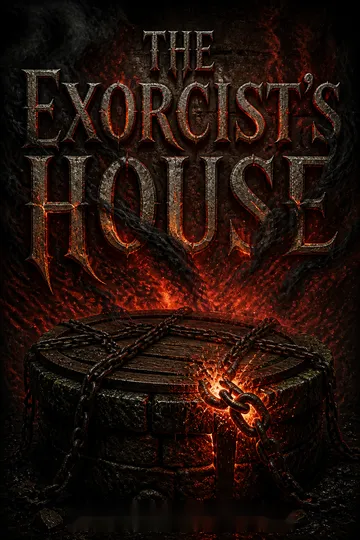
The Exorcist's House Series
About the Author

Download PDF
Download EPUB
.epub digital book format is ideal for reading ebooks on phones, tablets, and e-readers.








































