
Plot Summary
Blood, Bone, and Betrayal
The empire is fractured by a brutal caste system, where blood color determines fate: Embers rule, Dusters serve, Ghostings are mutilated and silenced. Sylah, Anoor, Jond, and Hassa—each marked by loss and secrets—struggle to survive and resist. The Zalaam, exiled centuries ago, return with forbidden godpower fueled by bone marrow, threatening to upend the world's balance. Betrayals run deep: mothers kill, lovers vanish, and friends become enemies. The cost of power is paid in blood, and the lines between justice and vengeance blur. As storms—both literal and political—gather, the characters are forced to confront the truth of their origins and the lies that have shaped their destinies.
The Child of Fire
Anoor, once a pawn in the empire's games, is revealed as the prophesied Child of Fire, destined to spark the Ending Fire and bring about a new era. Her journey is fraught with doubt, manipulation by her grandmother Yona (the Wife of Kabut), and the crushing weight of expectation. As she is drawn into the Zalaam's web, Anoor's identity fractures—torn between the hope of liberation and the horror of the sacrifices demanded. Her transformation is both physical and spiritual, culminating in a harrowing trial by fire that leaves her marked, hardened, and ready to lead, even as she questions what it means to be chosen.
Web of Rebellion
Across the empire, resistance grows. Hassa, a Ghosting who has survived by wit and stealth, becomes a linchpin in the underground network. Gorn, the Truthsayer, exposes the empire's lies, inciting rebellion among the oppressed. The griots spread stories that become weapons. Old enemies—like the cunning Turin—shift allegiances for survival. The rebellion is messy, fueled by grief, rage, and the desperate hope for a better world. Trust is scarce, and every alliance is shadowed by betrayal. Yet, in the crucible of revolution, new bonds are forged, and the possibility of freedom flickers.
The Fifth Charter's Secret
The Zalaam's mastery of the fifth charter—creation—unleashes godbeasts powered by bone marrow, a magic so potent it warps the world itself. Sylah, haunted by her past and addiction, learns the cost of creation: every act steals a piece of the soul. The empire's weather grows wild, the tidewind and acid rain threaten all. The truth emerges: the empire's bloodlines are not pure, but the result of ancient exile and manipulation. The monsters that stalk the sea and land are not natural, but the legacy of forbidden magic and the empire's crimes.
Storms Across Two Worlds
As the Zalaam's forces gather, Anoor and her companions cross treacherous seas, facing storms, monsters, and the ever-present threat of betrayal. Jond and Kara seek allies among the Entwined Harbor and the Winterlands, discovering new cultures and the limits of diplomacy. The world is larger and more complex than any of them imagined. Each journey is a test of endurance, faith, and the willingness to sacrifice for the greater good. The storms they weather are both external and internal, as grief and guilt threaten to drown them.
The Truthsayer's Uprising
Gorn, as the Truthsayer, reveals the empire's greatest secrets: the world is not alone, all bloods can wield power, and the Ghostings are the land's true heirs. The Dredge and Duster Quarter erupt in rebellion, led by the disenfranchised and fueled by the griots' tales. Hassa's invention—a Ghosting inkwell—proves that power is not the privilege of the few. The tidewind shelter is exposed as a site of horror, and the plantations burn. The empire's foundations crack as the people seize their own destinies.
The Zalaam's March
The Zalaam, led by Yona, unleash their army of godbeasts and begin their march across the empire. Cities fall, and the land is scarred by fire and blood. The tidewind returns, now a weapon of war. The rebellion's leaders scramble to unite their forces, forging uneasy alliances with former enemies and distant lands. The cost of resistance grows, and the line between savior and destroyer blurs. The prophecy of the Ending Fire looms, and all must choose where they stand.
Fire in the Dredge
The Dredge, once a den of vice and suffering, becomes the crucible of revolution. Fires set by rebels and the Zalaam alike consume the old order. Hassa and Vahi, reunited as father and daughter, work to arm the Ghostings and their allies. The rebellion's victories are paid for in blood and loss. The burning of the plantations and the Dredge is both an ending and a beginning—a necessary destruction to make way for something new.
The Ghostings' Claim
As the wardens fall, the Ghostings—long silenced and oppressed—claim their place as leaders of the new republic. Hassa, once a servant, becomes a captain and innovator. The Dryland Republic is born, promising justice, inclusion, and the end of blood-based tyranny. Yet, the scars of the past run deep, and the threat of the Zalaam remains. The new order is fragile, and the price of freedom is constant vigilance.
The Battle Drum Beats
The Zalaam and the Blood Forged clash in a battle that spans the empire. Godbeasts and bloodwerk weapons turn the land into a charnel house. Anoor, riding her creation Retribution, faces her grandmother Yona in a duel that is both personal and apocalyptic. Hassa's fire, fueled by Ghosting blood and sharj oil, melts the Zalaam's creations and forges a river of glass. The battle is chaos, sacrifice, and the desperate hope that something better can be built from the ashes.
Creation and Destruction
The cost of creation is death, and every act of magic leaves scars. The godbeasts, once symbols of power, become tombs for their riders. The tidewind, once a force of nature, is revealed as the consequence of hubris. The final confrontation between Anoor and Yona is a reckoning for generations of violence and betrayal. In the end, it is not power, but love and sacrifice, that determine the world's fate.
The Ending Fire
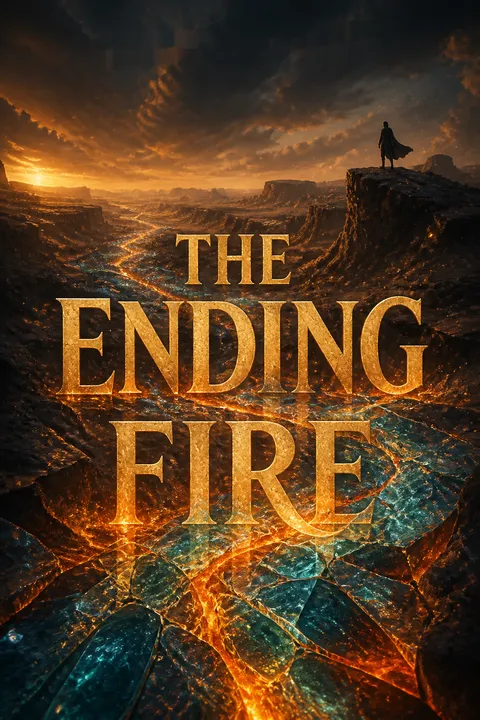
The Ending Fire comes—not as a single cataclysm, but as the culmination of centuries of pain, hope, and struggle. The river of glass entombs the Zalaam's creations, a monument to the cost of victory. The survivors are left to reckon with what they have done and what they must build. The prophecy is both fulfilled and subverted: the world is not cleansed by fire alone, but by the courage to change.
Retribution and Sacrifice
Anoor, drained and dying, sacrifices herself to stop Yona and the clawmaw. Sylah, refusing to let her go, risks everything to save her. Their love, tested by war and addiction, becomes the axis on which the world turns. Hassa, wounded but unbroken, triggers the final fire that ends the Zalaam's threat. The cost of victory is counted in bodies and broken hearts, but also in the possibility of healing.
The River of Glass
The quicksand river, transformed by fire and bloodwerk into glass, becomes the grave of the Zalaam's godbeasts and a symbol of the new world. The survivors gather to mourn, remember, and begin again. The river is both a barrier and a bridge, a reminder of what was lost and what was won. The war is over, but the work of building a just society has only begun.
Aftermath and New Dawn
The Dryland Republic emerges from the ashes, led by those who once had no voice. Justice is sought not through vengeance, but through reconciliation and rehabilitation. The old hierarchies are dismantled, and new systems of governance are forged. The survivors—scarred, grieving, but free—begin the work of healing themselves and their world. The promise of a better future is fragile, but real.
Forgiveness and Freedom
The characters confront the ghosts of their histories: Jond, rendered mute but determined to find his voice; Kara, abdicating her throne for love and a new life; Hassa, refusing titles in favor of learning and growth. The power of forgiveness—of self and others—becomes the foundation of the new world. The cycle of violence is broken not by force, but by the willingness to imagine something different.
The Republic Rises
The Dryland Republic is built on the principles of inclusion, justice, and shared power. The Ghostings, Dusters, and Embers work together to create a society where knowledge is not hoarded, but shared. The wounds of the past are acknowledged, but not allowed to fester. The river of glass, the new bridge, and the open assembly are symbols of a world remade by those who once suffered most.
Together, Until the End
In the aftermath, Sylah and Anoor, battered but alive, find each other in the desert. Their love, forged in fire and loss, is a testament to survival and hope. The world is changed, but the promise they make—to be together until the end—remains. The story closes not with triumph, but with the quiet, hard-won joy of freedom and the possibility of a future built on truth, love, and the courage to begin again.
Analysis
A searing meditation on power, trauma, and the possibility of changeThe Ending Fire is both a sweeping epic and an intimate exploration of the scars left by violence and the courage required to heal. At its heart, the novel interrogates the nature of power: who wields it, who suffers for it, and how it can be reclaimed. The story refuses easy answers—victory is costly, and the wounds of the past do not close easily. Yet, it is also a testament to resilience: the marginalized become leaders, the broken become healers, and love endures even in the ashes of war. The book's lessons are urgent and timely: justice must be rooted in truth and inclusion, not vengeance; knowledge must be shared, not hoarded; and the cycle of violence can only be broken by those willing to imagine a world beyond blood and bone. The Ending Fire is a call to remember, to repent, and—above all—to begin again.
Review Summary
People Also Read
Characters
Sylah Alyana
Sylah is a woman forged by trauma, addiction, and the relentless expectations of others. Stolen as a child and raised to be a weapon, she is both assassin and rebel, her identity fractured by loss and guilt. Her love for Anoor is her anchor, but also her greatest vulnerability. Sylah's journey is one of self-forgiveness: she must confront her failures, her complicity, and the cost of her power. Her arc is a descent into darkness and a hard climb back to hope, culminating in the ultimate act of love and sacrifice. She is the embodiment of the story's central question: can those broken by the world become its healers?
Anoor Elsari
Anoor's life is defined by rejection and manipulation—by her mother, her grandmother, and the world. Named the Child of Fire, she is thrust into a role she never wanted, forced to bear the weight of prophecy and revolution. Her psychological journey is one of self-creation: she must decide what kind of leader she will be, and what she is willing to sacrifice. Her relationship with Sylah is both a source of strength and a crucible of pain. Anoor's ultimate act—riding Retribution into battle—reflects her willingness to give everything for a world that may never love her back.
Hassa
Hassa, a Ghosting, is defined by resilience and adaptability. Mutilated and marginalized, she survives by wit, stealth, and a fierce loyalty to her people. Her arc is one of transformation: from servant and spy to captain and creator. Hassa's invention of the Ghosting inkwell is a turning point in the war, symbolizing the reclamation of power by the oppressed. Her relationship with Vahi, her father, is a rare source of healing in a world of wounds. Hassa's leadership is marked by empathy and pragmatism, and her refusal of titles in favor of learning signals a new kind of power.
Jond Alnua
Jond is a man marked by loss—of family, voice, and purpose. Raised by the Sandstorm to be a weapon, he is haunted by guilt and the impossibility of belonging. His journey is one of self-acceptance: he must learn to forgive himself and find meaning beyond violence. His love for Sylah and later for Kara is fraught, shaped by the trauma of betrayal and the longing for connection. Rendered mute by battle, Jond's final arc is a testament to the power of resilience and the search for a voice in a world that silences the broken.
Kara / Queen Karanomo
Kara is both queen and scholar, leader and exile. Her dual identity is a source of strength and pain, forcing her to navigate the demands of power and the longing for authenticity. Her relationship with Jond is a rare space of vulnerability, and her ultimate abdication of the throne is an act of radical self-determination. Kara's arc is a meditation on the burdens of leadership, the cost of duty, and the possibility of choosing one's own destiny.
Yona Elsari (The Wife)
Yona is a master of godpower and the driving force behind the Zalaam's return. Her love for Anoor is twisted by ambition and fanaticism; she is both grandmother and adversary. Yona's psychological complexity lies in her ability to justify atrocity as sacrifice, and her willingness to destroy for the sake of prophecy. Her final confrontation with Anoor is both a reckoning and a tragedy, the end of an era of violence.
Gorn (The Truthsayer)
Gorn is the conscience of the rebellion, exposing the empire's lies and rallying the oppressed. Her leadership is marked by pragmatism, compassion, and a willingness to do what is necessary. Gorn's relationship with Anoor is maternal but complicated by loss and disappointment. She is a symbol of the power of truth to disrupt and heal, and her role in the new republic is foundational.
Hassa's Father (Vahi)
Vahi's arc is one of reunion and atonement. His love for Hassa is a rare thread of hope in a world of broken families. As an armorsmith, he provides the tools of resistance, but his true contribution is the healing of old wounds. Vahi's journey reflects the possibility of forgiveness and the importance of personal connection in the face of systemic violence.
Turin
Turin is a master of adaptation, shifting allegiances to survive and thrive. Her ambition is both her strength and her downfall, as she seeks power in every new order. Turin's arc is a cautionary tale about the dangers of self-interest and the limits of cunning in a world remade by revolution.
The Zalaam
The Zalaam are both a collective and a symbol: exiles who return with forbidden magic to claim vengeance and remake the world. Their use of bone marrow and godpower is a metaphor for the cost of unchecked ambition and the dangers of ideology. The Zalaam's leaders—Yona, Teta, Chah—are complex, driven by faith, pain, and the desire to be seen. Their defeat is both a victory and a warning: the cycle of violence can only be broken by those willing to imagine something new.
Plot Devices
Prophecy and the Child of Fire
The prophecy of the Child of Fire is the engine of the plot, driving characters to action and shaping the choices of Anoor, Yona, and the Zalaam. It is both a tool of manipulation and a source of hope, forcing characters to question the meaning of fate and the possibility of self-determination. The prophecy's ambiguity allows for subversion, as its fulfillment is both literal and symbolic.
Bloodwerk and Godpower
The system of bloodwerk and godpower is central to the narrative structure, symbolizing the ways in which power is hoarded, weaponized, and reclaimed. The invention of the Ghosting inkwell is a turning point, democratizing magic and shifting the balance of power. The cost of magic—paid in blood, bone, and soul—mirrors the psychological toll of violence and oppression.
Multiple Perspectives and Interwoven Narratives
The story is told through a shifting array of perspectives—Sylah, Anoor, Hassa, Jond, Kara, and others—allowing for a complex, polyphonic narrative. This structure emphasizes the interconnectedness of personal and political struggles, and the ways in which individual choices ripple through history. The use of griot storytelling, letters, and proverbs adds layers of meaning and foreshadowing.
Cycles of Violence and Rebirth
The narrative is structured around cycles: of oppression and rebellion, creation and destruction, love and loss. The Ending Fire is both an ending and a beginning, a reckoning with the past and a chance to build something new. The river of glass, the new bridge, and the open assembly are recurring symbols of transformation and the hope for a better future.
Foreshadowing and Revelation
The story is rich with foreshadowing: the true nature of the Zalaam, the cost of bone marrow magic, the identity of the Truthsayer, the fate of the Tannin. Revelations are timed to maximize emotional impact and force characters to confront uncomfortable truths. The gradual unveiling of the world's history mirrors the characters' journeys toward self-knowledge and agency.
The Ending Fire Trilogy Series
About the Author
Other books by Saara El-Arifi
Download PDF
Download EPUB
.epub digital book format is ideal for reading ebooks on phones, tablets, and e-readers.








































