
Plot Summary
Hearths and Havoc
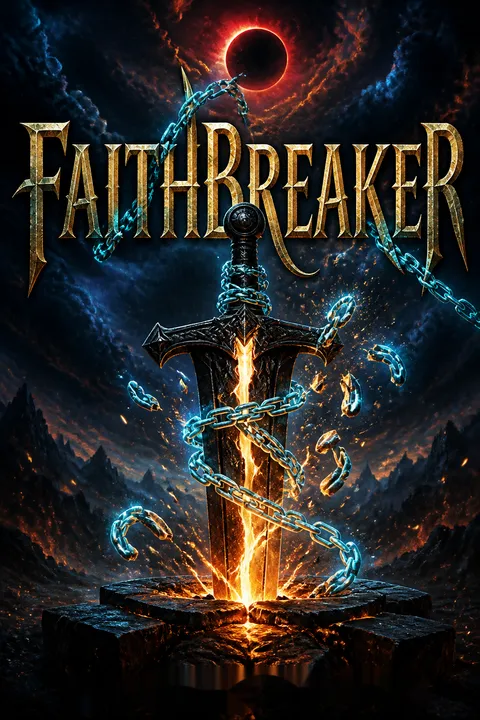
The world of Middren is torn by war, faith, and the fading power of gods. Hestra, the god of hearths, senses her influence waning as the fire god Hseth is reborn for war, her priests burning and sacrificing without mercy. Arren, the embattled king, pleads for divine intervention as his lands are overrun and his people slaughtered. Meanwhile, Kissen, a godkiller scarred by loss, and Elogast, a knight with a broken past, navigate the uneasy peace of a city on the brink. Their fates are bound to Inara, a girl with godly blood, and Skediceth, the god of white lies. As alliances fracture and old wounds fester, the line between god and human blurs, setting the stage for a conflict where faith itself is a weapon.
Broken Promises, Burning Faith
The fragile truce between rebels and royalty shatters as Arren's show of unity with Lady Craier erupts into bloodshed. A mob, fueled by faith and fear, attacks, and Tarin, Lessa's loyal captain, is murdered in the chaos. The violence exposes the deep rifts in Middren's soul: faith in the king is as dangerous as faith in the gods. Kissen, Elo, and Inara are forced to confront the cost of loyalty and the pain of betrayal. The gods watch, powerless or indifferent, as mortals spill blood in their names. The city reels, and the survivors are left to mourn, rage, and question what, if anything, is worth believing in.
Tides of Betrayal
As the war intensifies, Kissen and Elo wrestle with their past failures and the choices that haunt them. Elo's loyalty to Arren is tested by memories of love and pain, while Kissen's scars—physical and emotional—remind her of the gods' cruelty. Inara, caught between her mother's lies and her own growing power, struggles to find her place. The gods themselves are divided: Hestra clings to Arren, while Skedi fears fading into nothing. On the seas, Lessa Craier's ship becomes a crucible for trust and treachery, as old friends become enemies and every alliance is suspect. The tides carry them toward a reckoning none can escape.
Bonds Forged in War
As the armies march and the threat of Hseth grows, bonds are tested and reforged. Kissen and Elo find solace in each other's honesty, even as the world demands more than they can give. Inara, Skedi, and Lessa navigate the treacherous waters of love, anger, and forgiveness, learning that family is chosen as much as it is given. The gods, too, are shaped by the mortals who believe in them—Skedi's strength grows with Inara's faith, while Hestra and Arren become ever more entwined. War makes unlikely allies and reveals the true cost of survival: sacrifice, trust, and the willingness to let go.
The Godkiller's Choice
Seeking a way to defeat Hseth, Kissen and Lessa descend into the lair of Satuan, the smith god who created briddite—the only substance that can harm gods. Their plea for help is met with contempt; Satuan, embittered by humanity's fickle faith, refuses to intervene. The encounter turns violent, and only cunning and sacrifice allow Kissen and Lessa to escape. Meanwhile, Inara's power as a demigod draws the attention of gods and mortals alike, making her both a weapon and a target. The choices made in the darkness—who to trust, who to save, what to give up—will shape the fate of all.
Sacrifice and Survival
The journey to Irisia is fraught with danger and heartbreak. Kissen is gravely wounded, saved only by Skedi's intervention and the loyalty of those she has protected. Inara, grappling with her mother's past and her own identity, learns that love is as much about letting go as holding on. The crew of the Silverswift is torn apart by mutiny and betrayal, as the Restish plot to seize power through blood and manipulation. Sacrifice becomes the currency of survival—whether it is a god's life, a mother's pride, or a child's innocence. Each act of love or violence ripples outward, changing the world.
The King's Heart, The God's Flame
Arren's quest for unity and victory leads him ever closer to godhood, as Hestra's flame burns within his chest. His relationship with Elo is a tangle of longing, regret, and unspoken truths. The war council is a nest of vipers, with clerics and nobles jockeying for power and vengeance. Betrayal comes from within, as faith in the king becomes as dangerous as faith in the gods. Arren's choices—who to trust, who to sacrifice, what to become—will determine not only his fate, but the fate of Middren itself. The line between king and god grows perilously thin.
Rebellion's Price
The armies of Middren and their allies gather for a final stand, but old wounds and new betrayals threaten to unravel everything. Lessa's past as a pirate and rebel haunts her, even as she fights for her people's future. Kissen, torn between love and duty, faces the consequences of her choices. Elo and Arren, bound by history and desire, must decide whether forgiveness is possible—or even desirable. The gods watch, powerless or complicit, as mortals pay the price for ambition, pride, and the hope of a better world.
The Gathering Storm
The armies converge on the valley of the Arrenon, where the fate of Middren will be decided. The Talicians, bolstered by Hseth's power and Restish treachery, outnumber the defenders. The gods' army, led by Kissen and the veiga, prepares a desperate gambit to trap Hseth. Inara, sent away for her own safety, refuses to be sidelined, seeking a way to help those she loves. The storm breaks—rain, fire, and blood mingling as the battle is joined. Every hope, every fear, every secret is laid bare as the world teeters on the edge of destruction.
Blood and Chains
The battle is chaos: fire gods, briddite chains, and the desperate courage of mortals. Kissen and the veiga lure Hseth into a trap, binding her with briddite and drowning her in the floodwaters. But faith is a double-edged sword—Hseth's priests sacrifice themselves, fueling her rage and breaking her bonds. Arren, at the height of his power, faces Hseth as a god-king, only to be betrayed by those closest to him. The cost of victory is paid in blood, chains, and the shattering of faith. The gods' war becomes a reckoning for all.
The Last Offering
As Hseth unleashes her fury, hope seems lost. Arren falls, slain by betrayal; Kissen and Lessa stand together against the flames. Inara, desperate to save those she loves, prepares to sacrifice herself—but Skedi, the god of white lies, chooses to die in her place. His sacrifice becomes the final offering, unleashing the hidden gods of Middren in a torrent of power that destroys Hseth. Love, not pain, proves the greater force. The death of gods is not the end, but the beginning of something new—a world remade by hope and memory.
Faith Unmade, Hope Remade
The battlefield is silent, the gods gone, the survivors left to mourn and rebuild. Inara grieves Skedi, the god who chose her, while Kissen and Lessa find solace in each other. Elo, scarred by loss and love, prepares to return home, carrying the memory of Arren and the hope of a better future. The world is changed: the gods are fewer, the faiths more fragile, but the bonds of love and family endure. Shrines are rebuilt, not to power, but to hope and stories. The cost of victory is counted in scars and beginnings.
The Death of Gods
The gods are gone or diminished, their shrines empty or transformed. The survivors—Kissen, Inara, Lessa, Elo—forge new lives in the ashes of war. The world is quieter, but not without hope. Inara builds a shrine to Skedi, honoring the god of tales and white lies who taught her the power of love and choice. Kissen, once a godkiller, becomes a guardian of hearth and home. The stories of gods and mortals are retold, not as warnings, but as lessons. The end of the gods is not the end of hope.
The Cost of Victory
Middren is scarred but not broken. The survivors reckon with what they have lost and what they have saved. Elo departs for Irisia, seeking healing and reconciliation. Kissen and Lessa, bound by love and pain, choose each other in the aftermath. Inara, no longer a child, carries the memory of Skedi and the lessons of sacrifice. The world is quieter, but the cost of victory lingers in every scar, every empty shrine, every new beginning. Peace is not the absence of pain, but the willingness to hope again.
Ashes and Beginnings
In the aftermath, the survivors choose how to live. Shrines are rebuilt, not to power, but to hope and memory. Kissen, Lessa, and Inara forge a family from the ashes, while Elo seeks peace across the sea. The gods are gone, but their stories remain—tales of love, sacrifice, and the courage to change. The end is also a beginning: a world remade by those who choose to hope, to love, and to tell new stories. The gods may be dead, but the power of choice endures.
Analysis
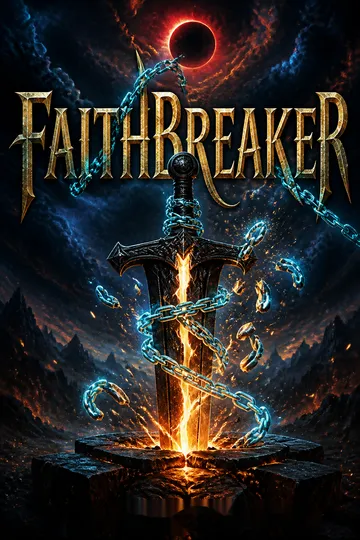
"Faithbreaker" is a sweeping meditation on the nature of faith, power, and the human capacity for hope. In a world where gods are made and unmade by belief, the story interrogates the dangers of fanaticism and the seductive allure of power—whether wielded by mortals or divinities. The characters' journeys are marked by loss, love, and the struggle to choose their own destinies in the face of overwhelming odds. The book's central lesson is that true strength lies not in violence or domination, but in the willingness to hope, to forgive, and to build anew from the ashes. Sacrifice is reimagined—not as pain, but as love freely given. The death of gods is not an ending, but a beginning: a chance to tell new stories, to forge new families, and to choose what is worth believing in. In the end, "Faithbreaker" is a testament to the enduring power of hope, the necessity of change, and the courage it takes to break faith with the past in order to create a better future.
Review Summary
People Also Read
Characters
Kissen
Kissen is a veiga—a godkiller—whose life has been shaped by loss, pain, and a burning hatred of gods. Scarred physically and emotionally by the fire god Hseth, she is fiercely independent, irreverent, and loyal to those she loves. Her relationship with Elo is one of deep trust and honesty, unmarred by romance but rich in mutual respect. Kissen's journey is one of reluctant heroism: she is drawn into the war not by faith or duty, but by the bonds she forges with Inara, Lessa, and Elo. Her psychological armor hides a deep vulnerability, and her greatest strength is her willingness to choose love and hope, even when the world gives her every reason to hate. Through sacrifice and cunning, she becomes the linchpin in the battle against Hseth, proving that even those who kill gods can be redeemed by the families they choose.
Elogast (Elo)
Elogast is a former knight and rebel, marked by a complicated history with King Arren and a deep sense of guilt for past failures. His relationship with Arren is a tangle of love, betrayal, and longing—he is both the king's greatest supporter and harshest critic. Elo's loyalty is hard-won and hard-kept; he is driven by a desire to protect those he loves, even at the cost of his own happiness. His bond with Kissen is one of honesty and mutual need, while his connection to Inara is protective and nurturing. Elo's psychological journey is one of learning to forgive—not just others, but himself. In the crucible of war, he finds the courage to love again, to hope again, and to fight for a future that is not defined by pain. His strategic mind and steadfast heart make him the soul of the resistance, even as he mourns the losses that victory demands.
Inara Craier
Inara is the daughter of Lessa Craier and the god Yusef, making her a rare demigod in a world that fears and covets such power. Torn between her mother's lies, her own burgeoning abilities, and the expectations of gods and mortals alike, Inara's journey is one of self-discovery and agency. Her bond with Skediceth, the god of white lies, is both a source of strength and vulnerability—together, they navigate the dangers of faith, love, and sacrifice. Inara's greatest fear is being a burden or a monster, but her greatest gift is her capacity for love and forgiveness. She is the catalyst for change, the one who dares to hope when all seems lost. Her final act of sacrifice—choosing love over pain—unleashes the hidden gods of Middren and remakes the world. Inara's story is a testament to the power of choice, the courage to love, and the hope that endures beyond gods.
Lessa Craier
Lessa is a woman of contradictions: a former pirate and rebel leader, a noblewoman, and a mother who has sacrificed everything for her daughter. Her relationship with Inara is fraught with regret and longing, shaped by lies told to protect and wounds that never fully heal. Lessa's leadership is marked by pragmatism and ruthlessness—she is willing to do whatever it takes to save her people, even if it means allying with old enemies or making impossible choices. Her bond with Kissen is forged in the fires of war and betrayal, evolving from suspicion to love. Psychologically, Lessa is driven by duty and haunted by the costs of rebellion; her arc is one of learning to accept love and vulnerability, even as she fights for survival. In the end, she becomes a regent and a symbol of hope, proving that even the fiercest hearts can be softened by family.
Arren (King Arren Regna)
Arren is a king caught between the demands of power, the seduction of godhood, and the ache of unfulfilled love. His bond with Hestra, the god of hearths, is both a source of strength and a curse—her flame keeps him alive, but at the cost of his humanity. Arren's relationship with Elo is the emotional core of his story: a love marked by manipulation, regret, and the desperate hope for forgiveness. Psychologically, Arren is driven by a need for validation and control, haunted by his mother's rejection and his own failures. His pursuit of unity and victory leads him to betray those closest to him, and his final act—facing Hseth as a god-king—ends in tragedy. Arren's arc is a meditation on the dangers of unchecked ambition, the cost of faith, and the possibility of redemption, even in death.
Skediceth (Skedi)
Skedi is a small, mischievous god whose power lies in stories, hope, and the gentle lies that make life bearable. His bond with Inara is the most profound relationship in the story—he is her companion, protector, and, ultimately, her sacrifice. Skedi's psychological journey is one of longing for love and fear of fading into nothing; he is sustained by Inara's faith and the small acts of kindness he inspires. His willingness to die for Inara, to become the final offering that saves the world, is the ultimate act of love. Skedi's death is not an ending, but a transformation—his memory lives on in the stories and shrines built in his honor. He is the embodiment of the book's central theme: that hope, even when built on lies, is the most powerful force of all.
Hestra
Hestra is the god of hearths, warmth, and home, whose power is waning in a world that has turned from the old ways. Her bond with Arren is both symbiotic and parasitic—she keeps him alive, but is trapped by his ambitions and the fading faith of mortals. Hestra's psychological arc is one of longing for love and relevance, torn between the desire to help and the fear of disappearing. She is both a victim and a manipulator, her silence as dangerous as her intervention. In the end, Hestra's fate is tied to Arren's: as he rises and falls, so does she. Her story is a meditation on the cost of power, the pain of obsolescence, and the hope that even gods can change.
Hseth
Hseth is the antagonist—a god reborn for war, fueled by sacrifice, pain, and the fanaticism of her priests. She is both a weapon and a victim, her power twisted by the faith and fear of mortals. Hseth's psychological profile is one of rage and emptiness; she has forgotten love and become a force of pure destruction. Her interactions with Kissen, Hestra, and the other gods reveal the dangers of unchecked faith and the ease with which power corrupts. Hseth's defeat is not just a military victory, but a spiritual reckoning—the breaking of faith that sustains her. She is a warning: that gods are only as benevolent or cruel as the people who worship them.
Methsme
Methsme is a cleric whose devotion to Arren and the idea of godhood becomes a dangerous obsession. She manipulates faith, orchestrates violence, and ultimately betrays the king she claims to love. Methsme's psychological arc is one of zealotry and self-delusion; she believes herself a maker of gods, but is ultimately consumed by the very power she worships. Her actions catalyze the final tragedy, proving that faith without compassion is as deadly as any sword. Methsme is a mirror to Arren's own ambitions, a warning of what happens when love becomes possession.
Yusef
Yusef is the god of safe haven, Inara's father, whose return is marked by indifference and self-interest. He is a god remade by the faith of others, more concerned with offerings and shrines than with love or duty. Yusef's psychological profile is one of detachment and entitlement; he is a reminder that not all gods are worthy of worship, and that power without empathy is hollow. His bargain with Inara is a turning point, forcing her to choose her own path and reject the bonds of blood and faith that would define her. Yusef is both a cautionary tale and a catalyst for Inara's growth.
Plot Devices
Faith as Power, Betrayal as Catalyst
The narrative structure of "Faithbreaker" is built on the interplay between faith and power, both divine and mortal. Gods are sustained, weakened, or destroyed by the belief and offerings of mortals; mortals, in turn, are shaped by the gods they worship or reject. Betrayal—whether personal, political, or spiritual—is the engine of change: it shatters alliances, exposes truths, and forces characters to confront their deepest fears and desires. The story uses foreshadowing through dreams, omens, and the shifting colors of emotion, allowing readers to sense impending tragedy or hope. The use of multiple points of view and interwoven timelines deepens the emotional resonance, while the motif of sacrifice—of self, of love, of gods—underscores the central question: what is worth believing in, and what is worth giving up? The climax hinges on the breaking and remaking of faith, as the death of gods gives birth to new stories and new hope.
Fallen Gods Series
About the Author


Download PDF
Download EPUB
.epub digital book format is ideal for reading ebooks on phones, tablets, and e-readers.








































