
Plot Summary
Gods Die, Kingdoms Falter
The story opens on a kingdom reeling from the simultaneous death of all its gods, leaving a spiritual and magical vacuum. Princess Jessamine, daughter of Queen Rhiannon, is desperate to save her people from a devastating plague. The kingdom's resources are depleted, and suspicion falls on the few remaining witches, blamed for the sickness. Jessamine, isolated and burdened by duty, secretly studies forbidden magic, hoping for a cure. Her mother's failed attempts to save the realm force Jessamine into a political marriage with Leon, a neighboring prince, as the last hope for survival. The kingdom's fate hangs by a thread, and Jessamine's sense of self is already unraveling.
A Princess in Chains
Jessamine's wedding day is a pageant of anxiety and dread. She is paraded as a savior, but feels like a pawn, her autonomy stripped away. Her relationship with her mother is strained by the necessity of the marriage, and her only comfort is Callum, the loyal head of the guard who raised her. The city is tense, the castle filled with strangers, and Jessamine's own body is marked by bruises—physical reminders of her lack of control. The wedding is not just a union, but a surrender of her kingdom and self, and Jessamine steels herself to endure for the sake of her people.
Wedding of Betrayal
As Jessamine stands at the altar, the ceremony is violently interrupted. Leon, her new husband, reveals his true nature, accusing her of witchcraft and using the chaos of a plague-infected mob to seize power. The castle is overrun, loyal guards and nobles are slaughtered, and Jessamine's mother is executed before her eyes. Leon slits Jessamine's throat and casts her body into the sea, declaring himself king. In a single, orchestrated moment, Jessamine loses her family, her throne, and her life, betrayed by those she trusted most.
Death and the Deathless
Jessamine's soul drifts into a realm of darkness, where she encounters the Deathless One—the last surviving god, imprisoned and tormented by memories of betrayal. He is both fascinated and moved by Jessamine's rage and pain. Recognizing her as a gravesinger—a rare witch who can anchor gods—he offers her a bargain: life and vengeance in exchange for her eventual service. Jessamine, burning with fury, accepts, and the god restores her to the world, setting in motion a cycle of power, debt, and desire.
Bargain in the Dark
Jessamine awakens in the sewers, her body marked by a scar around her throat. Disoriented and alone, she is mistaken for infected and forced to hide her identity. She adopts the name Alyssa and navigates the city's underbelly, encountering suspicion, poverty, and the harsh realities of her people's suffering. The Deathless One's presence lingers, both a threat and a promise. Jessamine's resolve hardens: she will reclaim her kingdom, but she is haunted by the knowledge that her second life is not truly her own.
Resurrection's Price
Jessamine's attempts to find allies are met with betrayal and fear. She is forced to barter, steal, and fight for survival, her royal upbringing a distant memory. The city is a labyrinth of danger, and every kindness is suspect. The Deathless One watches her struggles, both amused and disturbed by her vulnerability. He seeks out the remnants of his old coven, finding only Sybil, a witch who survived by hiding. Sybil recognizes Jessamine's power and the mark of the god upon her, and reluctantly becomes her mentor, teaching her the basics of witchcraft and survival.
Hunted in the Shadows
Jessamine learns to move through the city's shadows, gathering information and plotting her next move. She discovers that her supposed death has become legend, and rumors of her survival spark both hope and fear. The infected plague is revealed to be magical in origin, a weapon wielded by those seeking power. Jessamine's connection to the Deathless One deepens, and she begins to wield his magic, though it frightens her. She is forced to confront the darkness within herself, realizing that vengeance may demand more than she is willing to give.
Witch's Awakening
Under Sybil's tutelage and the Deathless One's watchful eye, Jessamine's latent magic emerges. She struggles with the morality of her power, especially after using it to kill Benji, a pageboy who betrayed her family. The act leaves her shaken and guilt-ridden, but also more determined. The Deathless One, both patron and tempter, pushes her to embrace her rage and ambition. Jessamine's identity as a gravesinger becomes clear: she is uniquely able to channel the god's power, but every use of magic binds her more tightly to him.
The God's Realm
Jessamine and the Deathless One's relationship grows increasingly intimate, blurring the lines between captor and captive, god and witch. Their connection is both magical and sensual, each feeding on the other's need. Jessamine's dreams are haunted by the ghosts of past gravesingers, urging her to take the god's power for herself. The Deathless One is tormented by memories of betrayal and sacrifice, fearing that Jessamine will ultimately destroy him as others have. Their mutual longing is both a source of strength and a looming threat.
Lessons in Power
Jessamine's magical training intensifies, with the Deathless One guiding her through spells that require both trust and surrender. Their lessons are fraught with tension, as Jessamine resists being shaped by anyone, even a god. She learns that true power comes from embracing both her darkness and her compassion. The city's suffering deepens, and Jessamine realizes that reclaiming her throne will require not just vengeance, but leadership. The Deathless One, now more corporeal, is torn between his desire for freedom and his growing attachment to Jessamine.
The Plague's True Face
Jessamine uncovers the truth behind the plague: it is not a natural disease, but a magical malady unleashed by those seeking to consolidate power. Callum, the man who raised her, is revealed as the Butcher, leader of the Iron Knuckles and a key architect of the coup. He is infected himself, desperate for a cure, and has betrayed Jessamine and her mother for survival. The black grimoire, a book of forbidden spells, becomes the focal point of everyone's schemes. Jessamine must confront the depth of Callum's betrayal and the cost of mercy.
The Butcher's Secret
Captured and imprisoned by Callum, Jessamine learns the full extent of his treachery. He seeks to use the Deathless One's power to cure himself and rule the kingdom. Jessamine is stripped of her agency, forced to relive the pain of her childhood trust turned to ash. Sybil risks everything to rescue her, and together they attempt to escape. The Deathless One, trapped by Callum's binding spell, is powerless to help, and Jessamine must rely on her own cunning and the fragile bonds of sisterhood.
Blood and Memory
In a climactic ritual, Callum attempts to bind the Deathless One by sacrificing Jessamine. She is stabbed on the altar, her blood mingling with ancient magic. The Deathless One, resurrected but not yet free, is forced to watch her die again. Jessamine's soul lingers between worlds, refusing to surrender. She draws on the legacy of gravesingers and the power of her own will, summoning the Deathless One not as a slave, but as an equal. Their bond, forged in blood and memory, breaks Callum's spell and unleashes a new era of magic.
The Binding Spell
The Deathless One, now fully corporeal, exacts vengeance on Callum and his followers, but Jessamine stops him from becoming a monster. Instead, she demands justice through memory: Callum is stripped of his identity and left a shell, forced to live with the knowledge of his crimes. Jessamine claims her power, not through domination, but through choice. She and the Deathless One become true partners, each changed by the other. The city's power structure is shattered, and the path to reclaiming the throne is open.
Sacrifice and Salvation
Jessamine and the Deathless One, now known as Elric, confront the consequences of their choices. They are haunted by the ghosts of the past, but also buoyed by the hope of a new future. Sybil, wounded but loyal, becomes the first member of a new coven. The people, inspired by rumors of Jessamine's survival and acts of defiance, begin to rally. The infected are revealed to be victims, not monsters, and the promise of a cure offers hope. Jessamine's leadership is tested, but she emerges as both queen and witch, ready to remake the world.
The Queen's Vengeance
Jessamine leads a campaign to reclaim her throne, using both magic and strategy. She confronts Leon, the usurper, and the nobles who betrayed her. The Deathless One stands at her side, no longer a tool but a partner. The city is cleansed of the infected, and justice is meted out to those who profited from suffering. Jessamine's compassion tempers her wrath, and she forges alliances with those willing to build a better kingdom. The people, seeing her resilience and power, accept her as their true queen.
Rebirth of a God
With the kingdom secured, Jessamine and Elric confront the nature of their bond. Their love, born of pain and power, becomes a source of healing for them both. Elric, once deathless and alone, finds meaning in partnership and service. Jessamine, once powerless and betrayed, becomes a queen who rules not by fear, but by choice. Together, they begin to rebuild the kingdom, honoring the memory of those lost and forging a new legacy. The gods may be dead, but magic—and hope—are reborn.
Kingdoms Remade in Shadow
The story closes with Jessamine and Elric standing on the cliffs above the sea, looking toward a future they will shape together. The kingdom is scarred but healing, and the coven grows as new witches answer the call. The lessons of the past—about power, trust, and sacrifice—linger, but so does the promise of renewal. Jessamine is no longer a pawn, but a queen in her own right, and Elric is no longer a prisoner, but a god remade by love. Together, they face the dawn, ready to remake the world in their image.
Analysis
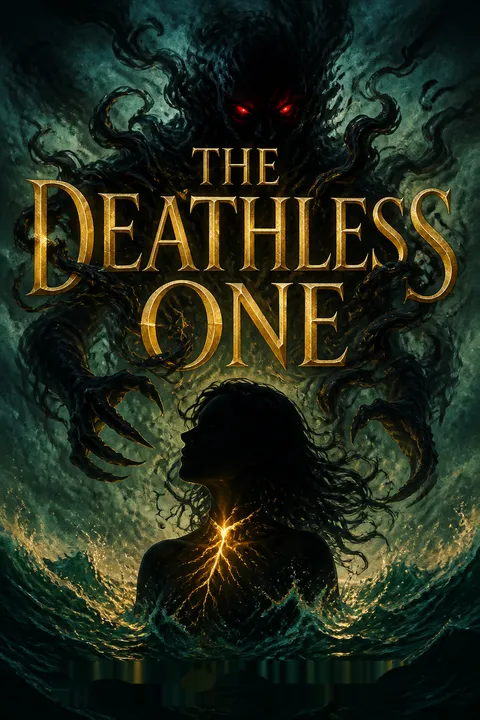
Emma Hamm's The Deathless One is a lush, dark fantasy that interrogates the nature of power, trauma, and transformation through the lens of a fallen kingdom and a woman's journey from pawn to queen. At its core, the novel is about reclaiming agency in a world that seeks to strip it away—whether through patriarchal structures, magical bargains, or the weight of history. Jessamine's arc is a powerful meditation on survival: she is forced to confront not only external enemies, but also the darkness within herself, learning that true leadership requires both rage and mercy. The Deathless One, as both god and lover, embodies the dangers and possibilities of intimacy—his relationship with Jessamine is fraught with risk, but also offers the hope of redemption and mutual transformation. The novel's use of dual realms, magical contracts, and memory as both weapon and healing device allows for a nuanced exploration of trauma and recovery. Ultimately, The Deathless One is a story about the cost of survival, the necessity of forging new covenants, and the possibility of remaking the world—not through domination, but through partnership, compassion, and the courage to face the shadows within and without.
Review Summary
People Also Read
Characters
Jessamine Harmsworth
Jessamine is the heart of the story—a princess forced into sacrifice, a victim of betrayal, and ultimately a woman who claims her own power. Raised in privilege but marked by loss, she is shaped by duty, compassion, and a fierce will to survive. Her relationship with her mother is both loving and fraught, and her bond with Callum, the surrogate father, is shattered by betrayal. Jessamine's journey is one of self-discovery: from pawn to queen, from skeptic to gravesinger, from victim to avenger. Her psychological arc is defined by the struggle to reconcile rage and mercy, and her development is catalyzed by her connection to the Deathless One, which is both empowering and dangerous. She embodies the tension between tradition and transformation, ultimately forging a new path for herself and her kingdom.
The Deathless One (Elric Hellebore)
Elric is the last surviving god, bound in a realm of darkness and haunted by centuries of betrayal. Once worshipped and sacrificed by witches, he is both vengeful and vulnerable, craving connection but fearing destruction. His relationship with Jessamine is complex: she is both his savior and his potential executioner, his anchor and his temptation. Elric's psychological depth lies in his struggle with trust, his longing for freedom, and his fear of repeating the cycle of being used and discarded. Through Jessamine, he learns to embrace both his power and his humanity, finding redemption in partnership rather than domination. His arc is one of transformation—from a force of death to a god capable of love and renewal.
Callum Quen
Callum is a study in contradictions: the loyal head of the guard who raises Jessamine with tenderness, and the architect of her downfall. Driven by fear of death and a desperate need for control, he betrays those he loves to save himself. His infection by the plague is both literal and symbolic—a manifestation of the rot at the heart of the kingdom. Callum's psychological complexity lies in his capacity for both love and cruelty, and his ultimate fate—stripped of memory and power—is a reflection of the cost of cowardice and self-preservation. His relationship with Jessamine is tragic, a reminder that even the closest bonds can be severed by fear.
Sybil
Sybil is the last witch of the old coven, living in hiding and haunted by the past. She is both wary and wise, teaching Jessamine the basics of magic while struggling with her own limitations. Sybil's loyalty is hard-won, and her willingness to risk herself for Jessamine marks her as both brave and pragmatic. She represents the resilience of women who survive persecution, and her arc is one of cautious hope—learning to trust again and to believe in the possibility of renewal. Her relationship with Jessamine is maternal, but also one of equals, and she becomes the foundation of the new coven.
Leon Bishop
Leon is the charming prince who orchestrates the coup, using Jessamine as a pawn and discarding her when she is no longer useful. His ambition is matched only by his cruelty, and his willingness to exploit the plague for power marks him as a true villain. Leon's psychological profile is that of a narcissist, skilled at manipulation and devoid of empathy. He serves as a foil to Jessamine, embodying the dangers of unchecked ambition and the corruption of power.
Queen Rhiannon
Jessamine's mother is a formidable queen, beloved by her people and fiercely protective of her daughter. Her death is the catalyst for Jessamine's transformation, and her memory haunts the narrative. Rhiannon represents the old order—noble, self-sacrificing, but ultimately unable to adapt to a changing world. Her relationship with Jessamine is both nurturing and demanding, and her loss leaves a void that Jessamine must learn to fill.
Benji
Benji is a symbol of the kingdom's corruption—a seemingly loyal servant who betrays Jessamine for personal gain. His death at Jessamine's hands is a turning point, forcing her to confront the cost of power and the complexity of justice. Benji's arc is brief but impactful, illustrating how desperation and manipulation can turn even the innocent into instruments of destruction.
Fortuna Beaumont (The Poppet Keeper)
Fortuna is a cousin of Jessamine's and a key player in the court's intrigues. She is allied with Leon and serves as a conduit for information and manipulation. Fortuna's psychological makeup is that of a survivor—adaptable, cunning, and willing to do whatever it takes to secure her position. She represents the dangers of unchecked ambition and the ways in which women, too, can become complicit in systems of oppression.
Sybil's Familiar (Nyx)
Nyx, the shadowy cat familiar gifted to Jessamine by the Deathless One, serves as both a protector and a symbol of Jessamine's growing power. The familiar is a link to the magical world and a source of comfort, embodying the idea that even in darkness, there is companionship and resilience.
The Ancestors / Gravesingers
The spirits of past gravesingers haunt Jessamine's dreams, urging her to claim her power and warning her of the dangers ahead. They represent the weight of history, the legacy of sacrifice, and the possibility of transformation. Their presence is both a burden and a blessing, reminding Jessamine that she is never truly alone.
Plot Devices
Dual Realms and Resurrection
The narrative is structured around the interplay between the living world and the Deathless One's shadow realm. Jessamine's repeated deaths and resurrections blur the boundaries between life and death, forcing her to confront the cost of survival and the meaning of identity. The god's realm is both a prison and a place of transformation, where bargains are struck and souls are remade. This device allows for deep psychological exploration and heightens the stakes of every choice.
Magical Contracts and Bargains
The story is driven by bargains—between Jessamine and the Deathless One, between Callum and his own conscience, between witches and gods. Every act of magic is transactional, and the consequences of these deals ripple through the narrative. The binding spell, the resurrection bargain, and the sacrifices made by witches all serve to illustrate the dangers and allure of power. The tension between agency and obligation is a central theme, embodied in the magical contracts that shape the characters' fates.
Memory as Weapon and Salvation
Memory is both a source of pain and a tool for justice. Jessamine's ability to extract and consume memories becomes a means of both vengeance and understanding. The Deathless One is haunted by memories of betrayal, and Callum's ultimate punishment is to be left with only the memories of his fear. The narrative uses memory as a plot device to explore trauma, forgiveness, and the possibility of change.
Sensuality and Power Dynamics
The relationship between Jessamine and the Deathless One is charged with sensuality, blurring the lines between pleasure and pain, dominance and submission. Their intimacy is both a source of strength and a potential weakness, complicating the traditional power dynamics of god and worshipper, witch and patron. The narrative uses their relationship to explore themes of consent, agency, and the transformative power of love.
Foreshadowing and Prophecy
The story is laced with prophecies and warnings—from the ancestors, from the Deathless One's memories, from the very structure of magic itself. These elements create a sense of inevitability, but also invite the characters to challenge fate. The tension between destiny and choice is a recurring motif, and the narrative structure uses foreshadowing to build suspense and deepen the emotional impact.
Download PDF
Download EPUB
.epub digital book format is ideal for reading ebooks on phones, tablets, and e-readers.








































