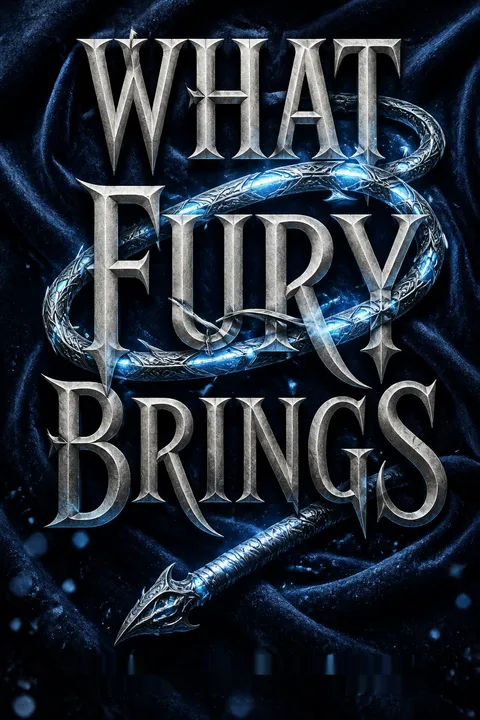

Plot Summary
Battlefield and Broken Kings
General Olerra Corasene, a formidable Amarran warrior, faces King Atalius of Brutus on the battlefield for the fourth time. In this matriarchal society, women rule and men are subjugated, a reversal of historical gender roles. Olerra's tactical brilliance leads to Atalius's humiliating defeat and capture, but she chooses to shame rather than kill him, sending him home naked and broken. This act is both a political maneuver and a personal statement of power, setting the stage for a story where pride, gender, and vengeance intertwine. Olerra's actions ignite a chain of events that will test the limits of tradition, loyalty, and the meaning of strength in a world built on the ruins of old injustices.
The Heir's Chains
Sanos, the eldest son and heir of King Atalius, returns home from brutal campaigns to find his father publicly shamed and his family walking on eggshells. The king's paranoia and cruelty are revealed through flashbacks and present-day abuse, as Sanos and his brothers endure both physical and psychological torment. The king's obsession with power and legacy isolates Sanos, making him both a weapon and a prisoner. The prince's longing for freedom and connection is palpable, but every act of defiance risks the lives of those he loves. The seeds of rebellion and the cost of survival are sown deep within Sanos's soul.
A General's Gambit
Olerra returns to the capital, Zinaeya, determined to secure her claim to the throne. Her cousin Glenaerys, a master of court intrigue, stands as her chief rival, wielding wealth and influence. Olerra's plan: kidnap a noble husband from Brutus to prove her strength and win the nobles' favor. With her loyal friend Ydra, she sets her sights on Prince Andrastus, rumored to be gentle and beautiful. The political stakes are high, and Olerra's personal history—her mother's murder by her own husband—drives her to prove she is unbreakable. The stage is set for a bold act that will upend two kingdoms.
Brothers, Bonds, and Bruises
Sanos celebrates his birthday with his brothers in a rare moment of camaraderie, but the shadow of their father's violence looms. The brothers' rituals—painful, competitive, and laced with dark humor—reveal both their closeness and their trauma. At the brothel, Sanos's longing for touch and normalcy is tinged with melancholy. When a mysterious Amarran woman appears, seeking his brother Andrastus, Sanos's impulsive decision to take his place sets fate in motion. The collision of desire, pride, and mistaken identity will have consequences none of them can foresee.
The Husband Heist
Olerra, disguised as a courtesan, seduces and drugs Sanos, believing him to be Andrastus. With Ydra's help, she spirits him away across the border. Sanos awakens, bound and humiliated, his identity still hidden. Olerra's confidence and strength both infuriate and intrigue him. The journey to Amarra is a battle of wills, with Olerra determined to "housebreak" her prize and Sanos plotting escape. The power dynamic is fraught with sexual tension, cultural misunderstanding, and the slow, painful erosion of old certainties.
The Prince's Capture
As Olerra and Ydra transport Sanos, the lines between captor and captive blur. Olerra's attempts at kindness are met with defiance, but her vulnerability—her lack of the magical "Gift" that empowers Amarran women—remains hidden. Sanos's pride and fear war with his growing fascination. Attempts at escape are thwarted, and Olerra's methods shift from gentle persuasion to public humiliation. The journey is a crucible, forging a strange connection between two people shaped by violence and expectation.
Housebreaking and Heartbreak
Upon arrival in Amarra, Sanos is paraded through the city, stripped, bathed, and displayed as a trophy. Olerra's need to prove her dominance to the court leads to a series of public humiliations, culminating in a night of sexual denial and frustration. The rituals of power and pleasure are both alien and alluring. Sanos's resistance is slowly worn down, but his sense of self is battered. Olerra, too, is conflicted—her role as conqueror is at odds with her desire for genuine connection. Both are trapped by the roles their societies demand.
Arrival in Amarra
Sanos is introduced to the bizarre, opulent world of Amarran nobility, where men are pampered, adorned, and controlled. Olerra's cousin Glenaerys flaunts her harem and her cruelty, while Olerra struggles to balance public strength with private doubt. The court is a minefield of alliances and betrayals. Sanos's presence is both a scandal and a prize, and Olerra's political future hangs on her ability to "tame" him. The tension between public performance and private longing grows ever sharper.
The Art of Submission
Olerra attempts to teach Sanos the ways of Amarran men—obedience, beauty, and silence. Their interactions are a dance of dominance and desire, with Olerra wielding both carrot and stick. Sanos's pride is wounded, but he cannot deny his attraction. The court watches, eager for signs of weakness. Olerra's secret—her lack of magical power—remains a ticking time bomb. The slow burn of their relationship is fueled by mutual challenge and the tantalizing possibility of something more.
Rivalry and Revelations
Glenaerys escalates her campaign against Olerra, using both political maneuvering and personal cruelty. A public wrestling match between Sanos and Glenaerys's champion becomes a spectacle of masculinity and humiliation. Olerra's victory is hard-won, but the cost is mounting. The court's approval is fickle, and every triumph is shadowed by the threat of exposure. The bonds between Olerra, Ydra, and Sanos are tested as old wounds and new desires come to the fore.
The Wrestling of Wills
Sanos's attempt to escape leads to a brutal confrontation with Olerra, revealing both her physical prowess and her emotional turmoil. The balance of power shifts again, as Olerra's need for control collides with Sanos's longing for agency. Their relationship becomes a battleground for trust, forgiveness, and the possibility of love. The scars of the past—Olerra's mother's murder, Sanos's father's abuse—are laid bare, and the path to healing is fraught with pain.
Escape and Consequence
Sanos's failed escape results in a day of public humiliation and discipline. Olerra, torn between affection and authority, subjects him to the rituals of submission—leashes, nipple clamps, and forced kneeling. The court is both judge and audience, and every gesture is loaded with meaning. Yet beneath the spectacle, a fragile intimacy begins to grow. Olerra's willingness to show Sanos the darkest corners of her world—the Pleasure Market, the Pit—forces both to confront the legacy of violence and the possibility of change.
The Pleasure Market
Olerra takes Sanos to the Pleasure Market, exposing him to the commodification and suffering of men in Amarra. The experience is both a punishment and a lesson, forcing Sanos to reckon with the parallels to his own society's treatment of women. The visit to the Pit, where rapists are punished with castration, is a visceral confrontation with the consequences of power. Olerra's fury and compassion are on full display, and Sanos's understanding of justice and gender is forever altered.
The Pit and the Guillotine
The spectacle of the penis guillotine is both a symbol and a reality—a society's attempt to right old wrongs with new violence. Sanos is sickened, but also forced to question his own complicity in systems of oppression. Olerra's explanation of Amarra's history—a revolution born of suffering—deepens the novel's exploration of vengeance, empathy, and the cycle of violence. Both characters are changed by what they witness, and the seeds of transformation are sown.
The Beating and the Debt
A fight in the gymnasium leads to Sanos accidentally injuring Glenaerys, a crime punishable by death. Olerra invokes the ancient right of substitution, taking his punishment upon herself. The brutal beating she endures is both a public spectacle and a private act of devotion. Sanos is left with a debt he cannot repay, and Olerra's political standing is shaken. The cost of love, loyalty, and leadership is measured in blood and bone.
The Price of Power
As Olerra heals under Ydra's care, both she and Sanos confront the consequences of their choices. The court is in turmoil, and the path to the throne is more uncertain than ever. Yet the ordeal forges a deeper bond between them, rooted in mutual sacrifice and understanding. Olerra's determination to win the throne is undiminished, but the stakes are now personal as well as political. The question of what kind of ruler—and what kind of lover—she will be hangs in the balance.
The Party and the Knife
At a lavish party thrown by Glenaerys, Sanos is called upon to perform, outshining the harem with a daring knife-throwing display. The act is both a spectacle and a declaration of loyalty. The court's favor shifts, but danger lurks—Glenaerys's machinations grow ever more desperate. The night is a turning point, as Olerra and Sanos move from wary allies to true partners, united by shared purpose and growing affection.
Secrets Unraveled
Glenaerys's schemes come to a head as she exposes Olerra's greatest secret: her lack of the Goddess's Gift. The revelation threatens to destroy Olerra's claim to the throne and her relationship with Sanos. In the same moment, Sanos's true identity as the crown prince is revealed, shattering the fragile trust between them. Both are left reeling, betrayed by those closest to them and by the lies they told themselves. The future of two kingdoms hangs by a thread.
The King's Return
King Atalius marches on Amarra, demanding the return of his heir. Olerra, reeling from personal and political loss, must negotiate a peace that will save her people and herself. The threat of war is both external and internal, as Glenaerys's treason is uncovered and the court's loyalty wavers. Olerra's resolve is tested as never before, and the cost of leadership becomes painfully clear.
Duel for a Future
Olerra challenges Atalius to single combat for Sanos's freedom and the future of both kingdoms. The duel is brutal, a clash of strength, skill, and will. Olerra's mastery of the whipblade turns the tide, and she slays the king with his own sword. The act is both vengeance and liberation, freeing Sanos and his family from a lifetime of abuse. The victory is hard-won, and the wounds—physical and emotional—run deep.
The Whipblade's Edge
With Atalius dead and Glenaerys exposed, Olerra and Sanos begin the work of healing their kingdoms and themselves. The trial of Glenaerys and her mother reveals old crimes and new possibilities. Olerra's lack of magical power is reframed as a source of empathy and strength. The path to the throne is cleared, but the scars of the past remain. The promise of a new order—one built on equality, compassion, and hard-won trust—emerges.
The Queen's Choice
Olerra is named crown princess, her worth proven not by magic but by courage, sacrifice, and vision. The court, once divided, rallies behind her. Sanos, now king of Brutus, stands at her side as partner and equal. Their union is both personal and political, a symbol of reconciliation and renewal. The wedding is a celebration of love, resilience, and the possibility of a world remade.
The Heir's True Name
In the aftermath of revelation and reconciliation, Olerra and Sanos confront the truth of their identities and their love. The journey from enemies to lovers is complete, but the work of building a just and lasting peace has only begun. The lessons of the past—about power, gender, and the cost of silence—inform their vision for the future. Together, they vow to break the cycle of violence and create a world where all are valued.
Treason and Truth
The trial of Glenaerys and Shaelwyn brings closure to old wounds and justice to the guilty. Olerra's personal history is rewritten, her mother's murder avenged. The bonds of family, friendship, and love are tested and affirmed. The new order is fragile but full of promise, built on the ashes of betrayal and the hope of something better.
The Crown Princess
Olerra's coronation is both an ending and a beginning. The union of Amarra and Brutus signals a new age of cooperation and equality. The scars of the past are acknowledged, but they do not define the future. Olerra and Sanos, partners in power and passion, stand ready to lead their people into a world remade by fury, love, and the hard-won wisdom of experience.
The Wedding and the World Remade
Olerra and Sanos's wedding is a celebration of everything they have fought for—freedom, equality, and the right to choose one's own destiny. Surrounded by family, friends, and former rivals, they pledge themselves to each other and to the work of building a better world. The story ends not with a happily ever after, but with the promise of ongoing struggle, growth, and the enduring power of love to heal even the deepest wounds.
Analysis
A searing, subversive exploration of power, gender, and healingWhat Fury Brings is both a thrilling romantasy and a pointed social commentary, using the reversal of gender roles to expose the deep wounds of patriarchy and the dangers of simply inverting systems of oppression. Levenseller's world is harsh, sexy, and unflinching, but never loses sight of the possibility of change. The novel's greatest strength lies in its characters—Olerra and Sanos are both products and critics of their societies, forced to confront the ways in which power corrupts, love heals, and true strength lies in vulnerability. The story refuses easy answers, insisting that justice requires both reckoning with the past and imagining a better future. The lessons are clear: cycles of violence can only be broken by empathy, honesty, and the courage to choose differently. In the end, What Fury Brings is a call to arms—not for domination, but for the radical act of loving, forgiving, and remaking the world together.
Review Summary
What Fury Brings has received mixed reviews. Many praise its unique premise of a matriarchal society and gender role reversal, finding it thought-provoking and addictive. Some appreciate the exploration of female rage and power dynamics. However, others criticize the book for its handling of consent issues, abusive relationships, and lack of character growth. Some readers found the world-building shallow and the romance problematic. The book's dark themes and explicit content have sparked debate about its marketing and intended audience. Overall, opinions are divided, with some loving the story and others finding it deeply uncomfortable.
People Also Read

Characters
Olerra Corasene
Olerra is the heart of the novel—a warrior, strategist, and would-be queen in a world where women rule and men are subjugated. Haunted by her mother's murder and her own lack of magical power, she is driven by both fury and compassion. Her relationships—with her aunt, her cousin Glenaerys, her friend Ydra, and especially with Sanos—reveal a complex psyche shaped by trauma, ambition, and longing for connection. Olerra's journey is one of self-discovery, as she learns to balance strength with vulnerability, dominance with empathy, and tradition with transformation. Her love for Sanos is both a challenge and a salvation, forcing her to confront her deepest fears and embrace a new vision of power.
Sanos Ladicus
Sanos is the crown prince of Brutus, raised in violence and isolation by a tyrannical father. His identity is forged in pain, but also in resilience and a fierce protectiveness for his family. Mistaken for his brother and kidnapped by Olerra, Sanos is forced to confront his own prejudices, desires, and capacity for change. His journey from captive to partner is marked by resistance, shame, and ultimately, love. Sanos's psychological complexity—his longing for agency, his fear of vulnerability, his struggle with trust—makes him both a foil and a complement to Olerra. Together, they embody the possibility of healing and the power of chosen family.
Glenaerys Corasene
Glenaerys is Olerra's cousin and chief rival for the throne. Brilliant, ruthless, and deeply wounded, she embodies the dangers of unchecked ambition and the corrosive effects of envy. Her cruelty toward men and her willingness to betray her own blood are rooted in a desperate need for validation and control. Glenaerys's relationship with Olerra is both intimate and adversarial, a mirror of the novel's central themes of power, gender, and the costs of survival. Her ultimate downfall is both a cautionary tale and a moment of catharsis.
King Atalius
Atalius is the embodiment of patriarchal violence—a man who rules through fear, manipulation, and brute strength. His abuse of Sanos and his other children is both personal and political, a means of maintaining control in a world that no longer values men as rulers. Atalius's psychological complexity lies in his insecurity, his need for legacy, and his inability to adapt. His death at Olerra's hands is both justice and liberation, freeing his family and his kingdom from a cycle of abuse.
Ydra
Ydra is Olerra's second-in-command and chosen sister, a warrior with a gentle heart. Her role as protector of vulnerable boys and her unwavering support for Olerra provide both comic relief and emotional grounding. Ydra's own struggles—with love, loyalty, and the demands of leadership—mirror Olerra's, and her presence is a constant reminder of the importance of chosen family and solidarity.
Andrastus Ladicus
Andrastus, the real target of Olerra's husband heist, is a poet and dreamer, ill-suited to the violence of his family and his world. His absence and mistaken identity drive much of the plot's tension, and his eventual appearance highlights the differences between strength and gentleness, power and vulnerability.
Queen Lemya
Olerra's aunt and the reigning queen of Amarra, Lemya is a figure of wisdom, strength, and pragmatism. Her guidance shapes Olerra's journey, and her own history of loss and resilience provides a model for leadership. Lemya's relationship with Olerra is both nurturing and demanding, a source of both comfort and challenge.
Shaelwyn
Glenaerys's mother and a key player in the court, Shaelwyn wields wealth and influence with ruthless efficiency. Her eventual exposure as the murderer of Olerra's parents is a shocking revelation, reframing the novel's central mysteries and providing a final act of justice.
Canus, Trantos, Ikanos (Sanos's brothers)
Each of Sanos's brothers represents a different response to trauma and power—Canus, the strong and loyal; Trantos, the peacemaker; Ikanos, the innocent. Their relationships with Sanos are marked by both rivalry and deep affection, and their presence provides both comic relief and emotional depth.
The Court and Nobility
The various nobles, soldiers, and courtiers of Amarra and Brutus serve as both obstacles and allies, reflecting the broader societal struggles at the heart of the novel. Their shifting loyalties and complex motivations underscore the difficulty of building a just and lasting peace.
Plot Devices
Gender Inversion and Social Satire
The novel's central conceit—a matriarchal society where women rule and men are subjugated—serves as both a plot device and a lens for social critique. By reversing historical gender roles, Levenseller exposes the absurdities and cruelties of patriarchy, forcing readers to confront the arbitrary nature of power and the deep scars of systemic injustice. The inversion is not played for utopia, but as a mirror to our own world's failings, using satire, exaggeration, and dark humor to illuminate the costs of oppression.
Mistaken Identity and the Double Life
The plot hinges on mistaken identity—Olerra kidnaps Sanos, believing him to be his brother Andrastus. This device drives both the romance and the political intrigue, as Sanos's true identity is hidden, revealed, and weaponized at key moments. The tension between appearance and reality, truth and deception, is mirrored in Olerra's own secret (her lack of magical power), creating a web of lies that must be unraveled for healing and justice to occur.
Public Spectacle and Private Intimacy
The novel repeatedly stages moments of public humiliation, spectacle, and ritual—battles, auctions, punishments, and sexual displays—contrasted with scenes of private vulnerability and tenderness. This structure highlights the tension between societal expectation and personal desire, and the ways in which power is both performed and subverted. The use of public trials, duels, and ceremonies as turning points underscores the importance of narrative, reputation, and the gaze of others.
The Cycle of Violence and the Hope of Change
The narrative is structured around cycles of violence—personal, familial, and societal. The characters are shaped by abuse, betrayal, and the legacy of old wounds. Yet the novel also offers the possibility of breaking these cycles through empathy, love, and the willingness to imagine a different future. The use of substitution, sacrifice, and mutual rescue as plot devices reinforces the theme that true power lies not in domination, but in the courage to be vulnerable and to choose differently.
Foreshadowing and Symbolism
The recurring imagery of weapons, chains, and the whipblade serves as both foreshadowing and symbol. The whipblade, in particular, is a marker of Olerra's unique strength—unconventional, dangerous, and hard-won. The use of armbands, jewelry, and ritual objects marks the shifting boundaries of power, ownership, and identity. The novel's structure—alternating between public and private, violence and tenderness—mirrors the characters' journeys from isolation to connection.
About the Author
Download PDF
Download EPUB
.epub digital book format is ideal for reading ebooks on phones, tablets, and e-readers.








































