
Plot Summary
Stolen Children, Shattered Destinies
The story opens with the theft of Ember children, including Sylah, whose red blood marks her as a potential ruler. Raised by Dusters to compete in the Aktibar trials, Sylah's life is shaped by loss, addiction, and the trauma of a massacre that leaves her and Jond as survivors. The empire's rigid caste system—Embers, Dusters, Ghostings—fuels cycles of violence and oppression. Sylah's path is intertwined with Anoor, the girl who took her place in the Keep, and Hassa, a Ghosting whose silent knowledge runs deep. As the tidewind grows ever more destructive, the seeds of rebellion and personal transformation are sown, setting the stage for a world on the brink of upheaval.
Ghostings' Hidden Sanctuary
Sylah and Jond's journey leads them to the Chrysalis, a hidden city of Ghostings built within a glass dune. Here, the Ghostings live free, their mutilations a mark of survival rather than shame. The elders reveal the truth of the empire's founding: the Ghostings' land was stolen, their knowledge of bloodwerk appropriated. The city is a testament to resilience, with children of mixed blood and a growing army preparing for the day they can reclaim what was lost. Sylah's sense of purpose is rekindled, but the weight of history and the complexity of identity press upon her, as she learns that freedom is never given, only taken.
The Truth Beyond the Sea
Tasked with seeking aid to stop the tidewind, Sylah, Jond, and a Ghosting crew set sail on the Baqarah, a subaquatic ship. The Marion Sea is perilous, haunted by the monstrous Tannin, a creation of ancient magic. As they cross, Sylah confronts the reality that the world is larger and more diverse than the empire's lies allowed her to believe. Eight blood colors exist, and the Zalaam—exiled zealots—are preparing for war. The journey is a crucible, testing loyalties and forcing Sylah to reckon with the cost of survival, the pain of addiction, and the hope of returning to Anoor.
Blood, Betrayal, and Power
Back in the empire, Anoor's rise to power is fraught with danger. Her blue blood, a secret in a world that values red, makes her both a symbol and a target. The Shadow Court is formed, alliances are tested, and the lines between friend and foe blur. Hassa's role as a watcher and Kwame's loyalty are put to the test as Anoor faces betrayal from within. The murder of Uka, Anoor's mother, sets off a chain of suspicion, with Anoor herself accused. The personal and political become inseparable, as love, ambition, and vengeance collide.
The Tannin's Deadly Toll
The Baqarah's passage is blocked by the Tannin, a godbeast born of forbidden magic. The only way forward is through sacrifice—prisoners are thrown to the beast, and Elder Zero gives his life. The horror of survival at such a price haunts Sylah and Jond, deepening their guilt and resolve. The Tannin is a living reminder of the world's imbalance, a creation that feeds on death and perpetuates the cycle of violence. The journey leaves scars, both physical and emotional, as the travelers reach the mainland changed and burdened.
Anoor's Trial and Exile
Anoor's attempt to reform the empire is derailed when she is accused of her mother's murder. Betrayed by those closest to her, she is put on trial, her fate seemingly sealed. With the help of her friends, she escapes into exile, hiding among the Dusters. The experience hardens her, stripping away illusions and forcing her to confront the limits of justice in a corrupt system. The loss of Kwame, executed as a spectacle, is a devastating blow, pushing Anoor toward a path of vengeance and transformation.
The Zalaam's Prophecy
The Zalaam, exiled to the Volcane Isles, have built a society obsessed with prophecy and sacrifice. Nayeli, the Wife of Kabut, seeks the Child of Fire, believing it will bring about the Ending Fire—a war to cleanse the world. The Zalaam's mastery of bone marrow magic, or godpower, is draining the world's life force, causing catastrophic weather and threatening all life. The prophecy becomes a self-fulfilling engine of fanaticism, as Nayeli's search leads her back to the empire and to Anoor, whom she believes is the prophesied child.
Bone Marrow and Betrayal
The tidewind shelters, meant to protect the vulnerable, are revealed to be sites of horror. Dusters and Ghostings are harvested for their bone marrow, fueling the Zalaam's magic. Hassa and Kwame's investigation leads to tragedy, as Kwame is captured and executed. The betrayal runs deep, implicating the disciples and the highest levels of power. The revelation shatters any remaining faith in the system, galvanizing those left behind to seek justice and retribution.
The Fifth Charter's Secret
At the Zwina Academy, Sylah and Jond uncover the secret of the fifth charter: the law of creation. The prophet of the Zalaam, once a councillor, used this power to create the Tannin, infusing it with soul and sacrifice. The cost of creation is madness and imbalance, as the world's energy is drained. The knowledge is both a weapon and a warning, as the Blood Forged alliance forms to resist the Zalaam's coming war. The past's mistakes haunt the present, and the line between savior and destroyer blurs.
The Blood Forged Alliance
In the City of Rain, survivors from across the world gather to form the Blood Forged, an alliance of scholars, warriors, and outcasts. The council is bound by blood and mindlink, pooling their knowledge and resources to prepare for war. Jond and Sylah's relationship is tested, as love and loyalty are weighed against duty. The alliance is fragile, beset by old wounds and new ambitions, but it is the last hope against the Zalaam's godbeasts and the world's unraveling.
The Child of Fire Revealed
Nayeli, revealed as Yona, claims Anoor as the Child of Fire, the prophesied leader who will bring the Battle Drum and ignite the Ending Fire. Anoor, hardened by loss and betrayal, embraces her role, vowing to destroy the empire's oppressors. The disciples' true allegiance is revealed—they are Sandstorm agents, manipulated by Nayeli to destabilize the empire. The lines between prophecy and manipulation, destiny and choice, are blurred as Anoor steps into her power, ready to reshape the world.
Sacrifice and the Battle Drum
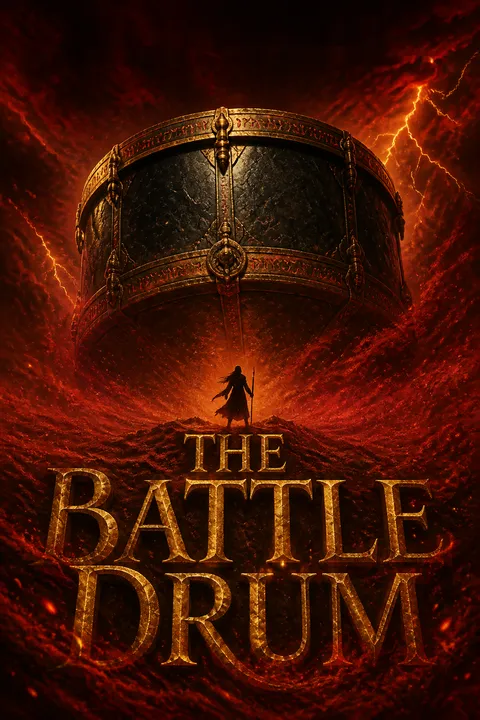
The cost of change is blood. Sacrifice—of self, of others, of innocence—is demanded at every turn. The Battle Drum sounds, calling the oppressed to arms and the powerful to account. The deaths of Kwame, Lio, and countless others fuel the fire of revolution. The world stands on the brink, with the Zalaam's armies gathering and the Blood Forged preparing for a final stand. The personal and the political merge, as vengeance and hope become indistinguishable.
Kwame's Death, Hassa's Grief
Kwame's public execution is a turning point. Hassa's grief is raw and consuming, but it becomes a crucible in which her resolve is forged. She learns to bloodwerk, defying the limitations imposed on Ghostings. The pain of loss is transformed into action, as Hassa vows to honor Kwame's memory by fighting for justice. The personal cost of revolution is laid bare, and the need for solidarity and courage is made clear.
The Tidewind Shelter's Horror
The true horror of the tidewind shelters is revealed: they are sites of systematic exploitation, where the vulnerable are drained of their marrow to fuel the Zalaam's magic. The complicity of the disciples and the highest echelons of power is exposed. Hassa and Gorn's investigation brings the truth to light, but at great personal risk. The revelation is a call to arms, as the survivors realize that the only way forward is through collective resistance.
The Return Across the Sea
Sylah, armed with the knowledge of the fifth charter and the orb of creation, returns across the sea to save Anoor and confront the Tannin. The journey is perilous, and the cost is high—Petal sacrifices herself to allow Sylah to succeed. The Tannin is diffused, the path home cleared, but the scars of sacrifice remain. Sylah's return is both a homecoming and a reckoning, as she prepares to face the consequences of all that has been lost and gained.
The Sandstorm's True Master
Nayeli, the Wife of Kabut, is revealed as the true master of the Sandstorm, orchestrating rebellion and chaos to prepare for the Ending Fire. Her manipulation of the disciples, the use of bone marrow magic, and her belief in the prophecy have set the world on a path to war. The personal histories of Sylah, Anoor, and Jond are revealed to be threads in Nayeli's web, each sacrifice and betrayal part of a larger design. The truth is both liberating and terrifying, as the survivors realize the scale of the conflict to come.
War on the Horizon
The Blood Forged and the Zalaam prepare for war. Armies are raised, alliances forged and broken, and the world's fate hangs in the balance. The cost of magic, the weight of prophecy, and the burden of leadership press upon Sylah, Anoor, and their allies. The lines between friend and enemy blur, as old wounds and new ambitions threaten to unravel everything. The final battle is coming, and only those willing to sacrifice everything will survive.
Reclaiming Power, Rebuilding Worlds
In the aftermath of loss and revelation, the survivors must decide what kind of world they will build. The old order is shattered, but the path forward is uncertain. Sylah, Anoor, Hassa, and Jond each find new purpose in the struggle to reclaim power and rebuild. The lessons of sacrifice, love, and resistance endure, offering hope that even in the ashes of the old world, something new and just can rise. The battle drum sounds, not just for war, but for the possibility of a better future.
Analysis
The Battle Drum is a sweeping epic that interrogates the nature of power, the cost of survival, and the possibility of justice in a world built on exploitation. Saara El-Arifi crafts a narrative that is both intimate and grand, weaving together personal trauma, political revolution, and ancient prophecy. The novel's central lesson is that freedom is never given—it must be taken, and the price is always high. Through the journeys of Sylah, Anoor, Hassa, and Jond, the story explores the ways in which history, identity, and magic are weaponized to maintain systems of oppression. The revelation that the empire's founding is rooted in theft and violence forces the characters—and the reader—to confront uncomfortable truths about complicity and resistance. The use of multiple perspectives and interwoven plotlines deepens the emotional impact, allowing for a nuanced exploration of grief, love, and hope. Ultimately, The Battle Drum is a call to arms: a reminder that the fight for justice is ongoing, that the past must be reckoned with, and that even in the ashes of the old world, the seeds of a better future can be sown.
Review Summary
People Also Read
Characters
Sylah Alyana
Sylah is a red-blooded Ember stolen as a child and raised by Dusters to be a weapon against the empire. Scarred by addiction, loss, and the trauma of massacre, she is both fierce and vulnerable. Her journey is one of self-discovery, as she grapples with her identity, her capacity for love, and the weight of her choices. Sylah's relationships—with Anoor, Jond, and Hassa—are fraught with betrayal and longing. Her mastery of bloodwerk and her willingness to confront the truth make her a catalyst for change, but her path is marked by sacrifice and the constant threat of self-destruction. Ultimately, Sylah's arc is one of reclamation: of power, of history, and of hope.
Anoor Elsari
Anoor, raised as an Ember but secretly a Duster, is a symbol of the empire's contradictions. Her intelligence, ambition, and compassion set her apart, but her blue blood makes her a target in a world obsessed with purity. Anoor's journey from sheltered outcast to revolutionary leader is marked by betrayal, loss, and the burden of impossible choices. Her love for Sylah is both a source of strength and vulnerability. Accused of her mother's murder, exiled, and hardened by Kwame's death, Anoor embraces her role as the Child of Fire, determined to reshape the world. Her arc is one of transformation, as she learns that true power comes not from birth, but from the willingness to fight for justice.
Hassa
Hassa, a Ghosting whose hands and tongue were severed, is a master of observation and survival. Her knowledge of the empire's secrets, her fluency in sign language, and her deep empathy make her indispensable to the rebellion. Hassa's grief over Kwame's death and her own suffering fuel her resolve to fight for justice. She learns to bloodwerk, defying the limitations imposed on her people, and becomes a symbol of resistance. Hassa's relationships—with Sylah, Anoor, and Kwame—are marked by loyalty, pain, and the hope of a world where Ghostings can live free. Her arc is one of empowerment, as she claims her place in the struggle for liberation.
Jond Alnua
Jond, a survivor of the Sandstorm massacre, is defined by his loyalty, his longing for connection, and his struggle with guilt. Trained as a weapon, manipulated by those in power, and haunted by betrayal, Jond's journey is one of self-forgiveness and growth. His love for Sylah is deep but complicated, and his role as a teacher and leader in the Blood Forged alliance gives him new purpose. Jond's willingness to sacrifice for others, his mastery of bloodwerk, and his eventual acceptance of his own worth make him a vital part of the resistance. His arc is one of healing, as he learns that survival is not enough—one must also choose to live.
Nayeli Ilrase (Yona Elsari)
Nayeli, known as Yona in the empire, is the Wife of Kabut and the true master of the Sandstorm. Her life is defined by sacrifice, ambition, and a relentless belief in prophecy. She orchestrates rebellion, manipulates her children and allies, and is willing to pay any price to bring about the Ending Fire. Nayeli's scars—physical and emotional—are marks of her devotion to Kabut and her willingness to do whatever it takes to fulfill the prophecy. Her relationship with Anoor is both maternal and exploitative, as she seeks to mold her into the Child of Fire. Nayeli's arc is one of tragic fanaticism, as her vision for a better world is built on the suffering of others.
Kwame Muklis
Kwame, an Ember servant elevated to Anoor's Shadow Court, is a beacon of kindness and loyalty in a brutal world. His love for Hassa, his devotion to Anoor, and his willingness to risk everything for those he cares about make his death all the more devastating. Kwame's execution is a turning point, exposing the cruelty of the system and galvanizing the survivors to action. His memory endures as a symbol of what is at stake in the fight for justice.
Petal
Petal, a Ghosting soldier and seafarer, is marked by trauma and resilience. Her role in the Baqarah's journey, her maintenance of the ship, and her ultimate sacrifice to the Tannin are acts of courage and love. Petal's struggle with guilt over the Embers' deaths and her quiet strength make her a poignant figure. Her death is a reminder of the cost of survival and the power of solidarity.
Kara
Kara, the councillor of the law of presence at the Zwina Academy, is a figure of power, precision, and mystery. Her mastery of deathcraft, her role in the Blood Forged alliance, and her complex relationship with Jond make her a key player in the coming war. Kara's past is marked by loss and ambition, and her willingness to challenge tradition is both a strength and a risk. Her arc is one of leadership, as she navigates the demands of survival and the need for change.
Gorn Rieya
Gorn, Anoor's chief of staff and the secret author of the Inquisitor Abena zines, is a figure of loyalty, wisdom, and quiet strength. Her willingness to sacrifice for Anoor, her role in the Shadow Court, and her heartbreak at being accused of murder reveal the depth of her character. Gorn's arc is one of endurance, as she continues to fight for justice even when trust is broken.
Hassa's Ancestors (The Ghosting Elders)
The Ghosting elders—Dew, Reed, Ravenwing, Zero—are the living memory of a stolen people. Their wisdom, resilience, and commitment to freedom shape the course of the rebellion. They guide Sylah, Hassa, and the others, teaching the value of history, the necessity of sacrifice, and the power of collective action. Their arc is one of legacy, as they pass on the tools and knowledge needed to reclaim what was lost.
Plot Devices
Prophecy and Oral Tradition
The Zalaam's prophecy of the Child of Fire and the Ending Fire is the engine of the narrative, driving characters to sacrifice, manipulate, and rebel. Oral tradition and prophecy are both tools of resistance and instruments of control, shaping the beliefs and actions of individuals and societies. The ambiguity of prophecy allows for multiple interpretations, blurring the line between destiny and choice. The tension between fulfilling and resisting prophecy is a central theme, as characters struggle to assert agency in a world governed by ancient words.
Bloodwerk and Deathcraft
Bloodwerk (deathcraft) is both a literal and symbolic source of power. Its use is tied to blood color, caste, and identity, and its cost is the world's very life force. The fifth charter's law of creation, the use of bone marrow (godpower), and the creation of the Tannin are all manifestations of the dangers of unchecked magic. The narrative structure uses bloodwerk as a metaphor for exploitation, addiction, and the corrupting influence of power. The evolution of magic—from a tool of survival to a weapon of war—mirrors the characters' own journeys.
Betrayal, Sacrifice, and Survival
Betrayal—personal, political, and historical—is a recurring plot device, forcing characters to confront the limits of trust and the necessity of sacrifice. The deaths of loved ones, the exposure of secrets, and the willingness to pay any price for survival are all used to propel the narrative forward. The cost of change is made explicit, and the line between victim and perpetrator is constantly blurred. Survival is never enough; it must be paired with the willingness to fight for something greater.
Multiple Perspectives and Interwoven Narratives
The story is told through multiple perspectives—Sylah, Anoor, Hassa, Jond, Nayeli, and others—allowing for a rich exploration of motive, identity, and consequence. The interwoven narratives create a tapestry of experience, highlighting the interconnectedness of personal and political struggles. The use of letters, journals, and oral histories adds layers of meaning and foreshadowing, inviting the reader to piece together the truth alongside the characters.
Foreshadowing and Symbolism
Recurring symbols—the spider, the drum, the joba tree, the Tannin—are used to foreshadow events and reinforce themes of sacrifice, power, and transformation. The tidewind, the recurring storms, and the ever-present threat of the Zalaam's magic serve as both literal and metaphorical warnings. The use of dreams, songs, and proverbs adds depth and resonance, connecting the characters' struggles to a larger, mythic framework.
The Ending Fire Trilogy Series
About the Author
Other books by Saara El-Arifi
Download PDF
Download EPUB
.epub digital book format is ideal for reading ebooks on phones, tablets, and e-readers.








































