
Plot Summary
Bonds Beyond the Border
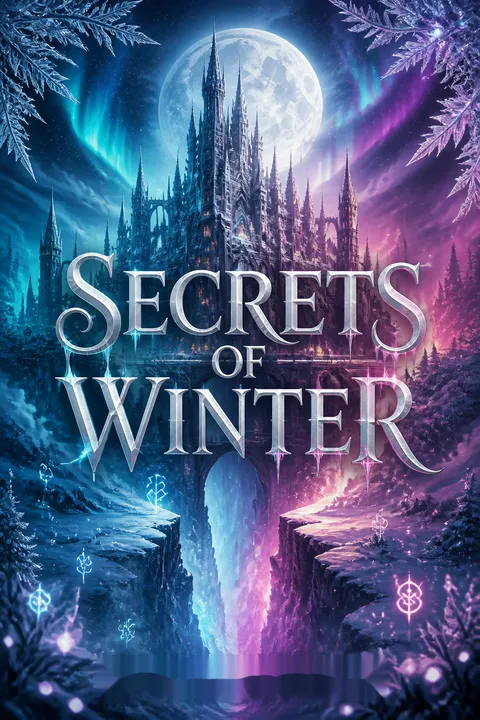
Talia, a human with mysterious powers, is caught between two fae realms: the vibrant Seelie of summer and the enigmatic Unseelie of winter. Her love is divided among three Seelie men—Sylas, Whitt, and August—and Corwin, the Unseelie arch-lord to whom she is soul-twined. As she prepares to cross the border for another week in the winter realm, Talia is wracked with uncertainty about her future, her loyalties, and the magic that binds her to both sides. The bonds she shares are not just romantic but political, as her unique abilities may hold the key to healing ancient curses plaguing both realms. The tension of impending choices and the weight of secrets set the stage for a journey that will test the limits of love, trust, and identity.
Secrets and True Names
Talia's rare ability to wield true names—a form of fae magic forbidden to humans—remains a closely guarded secret. Her powers are tied to her emotions: fear, joy, and freedom fuel her spells. The trauma of her past, including years of imprisonment and the loss of her family, haunts her, shaping her relationships and her magic. As she practices with her Seelie lovers, she struggles with the guilt of keeping secrets from Corwin and the anxiety of what her abilities might mean for the fragile peace between realms. The true names become both a tool and a symbol of her liminality, marking her as both an outsider and a potential savior.
Winter's Chilling Curse
Upon returning to the winter realm, Talia learns the Unseelie are suffering from a mysterious curse: a freezing illness that kills at random, leaving victims paralyzed and cold. Corwin hopes Talia's blood, which temporarily cures the Seelie's curse, might help his people. But her first attempts fail, deepening the sense of helplessness and urgency. The curse's randomness and severity have devastated the Unseelie, fueling their aggression toward the Seelie and their reluctance to trust outsiders. Talia's compassion drives her to keep searching for a cure, even as the burden of expectation grows heavier.
Divided Hearts, Divided Realms
Talia's week in the winter realm is marked by emotional turmoil. She grows closer to Corwin, exploring the depths of their bond, but her heart aches for her Seelie lovers. The political landscape is equally fraught: the Unseelie arch-lords are wary of revealing their curse to the Seelie, fearing weakness and betrayal. Talia's unique position as a bridge between realms becomes both an asset and a liability, as she is drawn into negotiations, secrets, and the ever-present threat of war. Her identity as a human, a lover, and a magical anomaly is tested at every turn.
The Unseelie Bargain
Corwin and Talia, with the help of his coterie, push for a parlay with the Seelie arch-lords, hoping to negotiate a truce and establish a Unseelie settlement in the summer realm to test if the curse can be cured by the land itself. The negotiations are tense, with old wounds and suspicions flaring on both sides. Talia's advocacy and unique perspective help sway the arch-lords, but the process exposes the deep divisions and the fragility of the peace. The settlement becomes a symbol of hope—and a potential flashpoint for renewed conflict.
Experiments in Hope and Despair
Talia and Corwin, aided by his coterie, embark on a series of experiments to cure the Unseelie curse. They try everything: blood, touch, song, tears, and combinations thereof. A breakthrough comes when Talia's hidden tears, shed in genuine grief, seem to cure a pregnant woman. But the success is fleeting; subsequent attempts fail, and the pressure mounts. The emotional toll on Talia is immense, as she grapples with guilt, exhaustion, and the fear of letting everyone down. The curse becomes a crucible, testing not just magic but the limits of empathy and endurance.
Parlay at the Heart
The Seelie and Unseelie arch-lords meet at the Heart, the magical nexus between realms, to negotiate terms for the settlement and reparations for decades of conflict. The meeting is fraught with suspicion, pride, and old grievances. Talia's presence as a mediator is both a blessing and a source of tension. The arch-lords' demands and concessions reveal the complexities of leadership, forgiveness, and the struggle to move beyond the past. The fragile peace is secured, but only just, and the future remains uncertain.
The Settlement's Shattered Peace
The newly established Unseelie settlement in the summer realm is attacked, its buildings destroyed and its people injured. Suspicion immediately falls on the Seelie, threatening to unravel the hard-won peace. Talia, Corwin, and August investigate, uncovering evidence that points not to the Seelie but to the Murk—the rat-shifting fae known for chaos and spite. The attack exposes the vulnerability of the alliance and the presence of enemies who thrive on division. The need for unity becomes more urgent than ever.
The Murk's Mischief Unleashed
The Murk's attack on the settlement is revealed to be a calculated act of sabotage, designed to reignite hostilities between the realms. Their ability to lie, manipulate, and evade detection makes them a dangerous wildcard. The arch-lords' paranoia and the Murk's provocations threaten to undo all progress. Talia's role as a bridge is tested as she must convince both sides to see past their suspicions and recognize the true enemy. The Murk's actions force the fae to confront the limits of their trust and the necessity of cooperation.
Love's Many Faces
Amid political turmoil, Talia's relationships with her lovers—Sylas, Whitt, August, and Corwin—grow more complex and intimate. She navigates jealousy, insecurity, and the challenge of loving multiple men in a world that barely understands her, let alone her heart. The men, too, must come to terms with sharing her, finding strength in vulnerability and unity in difference. Their love becomes a microcosm of the peace they hope to build: imperfect, hard-won, but fiercely cherished.
The Unraveling of Curses
After much trial and error, Talia discovers that the key to curing the Unseelie curse lies not in open displays of emotion but in hidden, private grief—tears shed in secret, mirroring the Unseelie's own repression. By embracing her own pain and offering it quietly, she is able to heal the afflicted. The revelation is both a triumph and a bittersweet reminder of the cost of healing. The curse's unraveling becomes a metaphor for the necessity of vulnerability and the courage to face what is hidden.
The Confirmation Ceremony
The day of Talia and Corwin's confirmation ceremony arrives, drawing fae from both realms to witness the union. The event is nearly sabotaged by political rivals, but Talia's magic and courage expose the deception and reaffirm her place among the Unseelie. The ceremony is both a personal and political milestone, solidifying her role as a bridge between worlds. Her Seelie lovers attend, their presence a testament to the new possibilities of unity and love that transcend old boundaries.
A Castle Between Worlds
Inspired by the need for a lasting solution, Corwin proposes—and Sylas agrees—to build a castle straddling the border, a home where Talia can be with all her lovers and serve as a living link between realms. The castle becomes a symbol of hope, cooperation, and the blending of differences. Its construction is both a magical and emotional feat, requiring trust, compromise, and the willingness to imagine a new future. The vision of a shared home offers a path forward, even as challenges remain.
The Price of Unity
The new alliance is met with skepticism, resistance, and the lingering threat of betrayal. Talia and her lovers must navigate the demands of leadership, the expectations of their people, and the ever-present risk of renewed conflict. The cost of unity is high: old wounds must be acknowledged, and new ways of living must be forged. The castle at the border stands as both a promise and a challenge, its success dependent on the willingness of all to embrace change.
Shadows of the Past
Corwin's past—his harsh judgment of a friend and lover, his mother's madness, and the scars of loss—comes to light, shaking Talia's trust and forcing both to confront the shadows that linger in their hearts. Zelpha, Corwin's coterie member and the sister of his lost lover, offers perspective and forgiveness, helping Talia see the complexity of fae life and the possibility of growth. The past cannot be erased, but it can be understood and integrated into a new story.
The Heart's Mysterious Will
Talia grapples with the inscrutable will of the Heart, the magical force that shapes fae destiny. She questions her role, her powers, and the meaning of her suffering and love. Conversations with Astrid and others reveal that even the oldest fae do not fully understand the Heart's patterns. Talia learns to trust her intentions and choices, finding meaning not in prophecy but in the courage to act and the willingness to love.
The Test of Loyalty
Political rivals attempt to discredit Talia during her confirmation ceremony by faking a curse and accusing her of betrayal. Talia's quick thinking and magical prowess expose the deception, winning the support of the Unseelie and cementing her place as Corwin's mate. The ordeal becomes a crucible, proving her loyalty, her power, and her right to belong. The public affirmation of her bond marks a turning point in her journey from outsider to leader.
A Brother's Return
Just as Talia begins to settle into her new life, news arrives that her long-lost brother may have survived the attack that tore her from the human world. The revelation opens a new chapter of uncertainty, hope, and potential reunion. The story ends on the cusp of this new quest, with Talia poised between past and future, love and loss, and the ever-unfolding magic of the fae realms.
Analysis
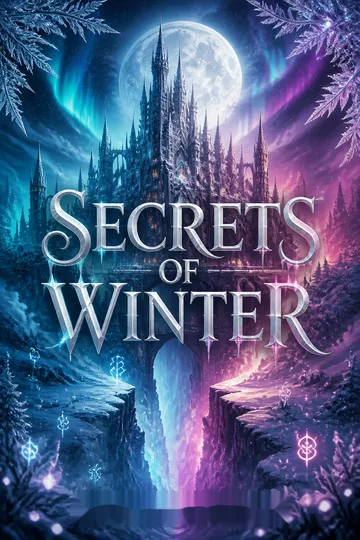
Eva Chase's Secrets of Winter is a lush, emotionally charged fantasy that uses the conventions of reverse harem romance and fae politics to explore themes of belonging, vulnerability, and the transformative power of love. At its core, the novel is about bridging divides—between realms, between lovers, and within the self. Talia's journey from traumatized outsider to beloved leader is both a personal and political arc, demonstrating that healing requires not just magic but the courage to face pain, embrace difference, and trust in connection. The story's polyamorous relationships are not just titillating but radical, offering a vision of love that is abundant, negotiated, and deeply communal. The curses that afflict the fae serve as metaphors for the wounds of history, pride, and repression, and their unraveling is tied to the willingness to be seen, to grieve, and to hope. The construction of a castle at the border is both a literal and symbolic act of creation, embodying the possibility of a new world built on cooperation and mutual respect. In a time when division and suspicion are all too familiar, Secrets of Winter offers a powerful lesson: that unity is possible, but only if we are willing to risk our hearts, confront our shadows, and imagine a future where love is not a zero-sum game but a force that multiplies and heals.
Review Summary
Secrets of Winter receives an overall rating of 4.03/5, with readers generally enjoying the deeper exploration of the Unseelie realm and Talia's growing relationship with Corwin. Many praise the world-building, steamy romance, and compelling cliffhanger endings that keep them reading. Common criticisms include pacing issues, particularly dragging middle sections, and some feeling their investment in the series waning. The revelation about Talia's brother left many readers unmoved. Most reviewers, even those with mixed feelings, indicate they'll continue the series.
People Also Read

Characters
Talia
Talia is a human woman marked by trauma, resilience, and a rare magical gift: the ability to wield true names and heal fae curses. Her psyche is shaped by years of captivity, loss, and the struggle to belong in a world that sees her as both anomaly and savior. Talia's relationships are polyamorous, deeply emotional, and politically charged, as she loves three Seelie men and is soul-twined to Corwin, the Unseelie arch-lord. Her journey is one of self-discovery, learning to trust her power, her heart, and her right to shape her own destiny. Talia's development is defined by her willingness to embrace vulnerability, her fierce compassion, and her determination to unite divided worlds.
Corwin
Corwin is the enigmatic ruler of the winter realm, burdened by the legacy of loss, a deadly curse, and the expectations of leadership. His soul-twined bond with Talia challenges his emotional reserve and forces him to confront both his past mistakes and his capacity for love. Corwin's psyche is marked by guilt, duty, and a longing for connection. His willingness to negotiate peace, share Talia with her Seelie lovers, and build a castle at the border reveals a capacity for growth and compromise rare among the fae. Corwin's arc is one of redemption, learning to trust, and embracing the possibility of happiness.
Sylas
Sylas is the reserved, scarred leader of the summer realm, whose stoicism masks deep passion and devotion. As Talia's lover and political ally, he navigates the complexities of leadership, love, and the demands of tradition. Sylas's relationship with Talia is both protective and empowering, as he learns to share her with others and to trust in the strength of their bond. His development is marked by a gradual opening to vulnerability, a willingness to challenge old norms, and a commitment to building a new future.
Whitt
Whitt is Sylas's cadre-chosen, a master of secrets, humor, and emotional intelligence. His love for Talia is playful, supportive, and deeply loyal. Whitt's role as spymaster gives him insight into the hidden currents of fae society, and his ability to find levity in darkness helps anchor Talia through her trials. Psychologically, Whitt balances a desire for connection with the burdens of duty and the scars of past mistakes. His arc is one of steadfastness, adaptability, and the courage to love without reservation.
August
August, the third of Talia's Seelie lovers, is the pack's lead warrior—physically strong, emotionally nurturing, and fiercely protective. His relationship with Talia is grounded in physical affection, encouragement, and a deep sense of belonging. August's development involves learning to share Talia, confronting his own insecurities, and embracing the complexities of polyamorous love. His warmth and steadiness provide a vital anchor for Talia and the pack.
Zelpha
Zelpha is a key member of Corwin's inner circle, known for her pragmatism, loyalty, and personal connection to Corwin's past. As the sister of Corwin's lost lover, she offers perspective, forgiveness, and support. Zelpha's role is both political and personal, helping Talia navigate the intricacies of Unseelie society and offering a model of resilience and growth. Her development is marked by the ability to balance loyalty, honesty, and the willingness to embrace change.
Laoni
Laoni is a formidable political rival, embodying the suspicion, pride, and rigidity of the Unseelie elite. Her skepticism toward Talia and the peace process drives much of the conflict, as she seeks to protect her people and her own power. Psychologically, Laoni is driven by fear of vulnerability and a need for control. Her arc is one of reluctant adaptation, forced to acknowledge Talia's value and the necessity of unity.
Terisse
Terisse's role as both a political leader and a victim of the curse brings the stakes of Talia's magic into sharp relief. Her public "illness" and the subsequent exposure of deception serve as a crucible for Talia's acceptance. Terisse embodies the tension between tradition and change, skepticism and hope.
Astrid
Astrid, a seasoned fae soldier, offers guidance, protection, and perspective to Talia and the pack. Her wisdom and pragmatism help ground the story's magical and emotional stakes. Astrid's development is subtle, marked by a growing acceptance of change and a willingness to support the next generation.
Harper
Harper, Talia's closest friend from the human world, provides a vital link to Talia's origins and a reminder of what has been lost and gained. Her presence offers comfort, perspective, and a touchstone for Talia's humanity. Harper's arc is one of adaptation, finding her own place in the fae world and supporting Talia's journey.
Plot Devices
Dual Realms and the Border
The summer and winter realms, separated by a magical border, serve as both setting and metaphor for the story's central conflicts. The border is a site of negotiation, danger, and transformation, reflecting the characters' internal divisions and the possibility of reconciliation. The construction of a castle straddling the border becomes the ultimate symbol of unity, requiring the blending of magic, trust, and love.
Curses as Emotional Metaphor
The curses afflicting the Seelie and Unseelie are not just plot obstacles but embodiments of their respective cultures' flaws: the Seelie's wildness and the Unseelie's repression. Talia's ability to heal is tied to her own emotional journey, requiring her to embrace vulnerability, grief, and the hidden parts of herself. The unraveling of the curses parallels the characters' growth and the breaking down of barriers between realms.
Polyamory and Chosen Family
Talia's polyamorous relationships challenge fae norms and serve as a microcosm of the peace process. The negotiation of jealousy, trust, and shared affection mirrors the larger work of building alliances and overcoming prejudice. The formation of a chosen family across boundaries becomes both a source of strength and a model for the realms' future.
Political Intrigue and Public Trials
The story employs political maneuvering, rivalries, and public tests—such as the confirmation ceremony and the staged curse—to heighten tension and force characters to prove their worth. These devices foreground the stakes of leadership, the dangers of suspicion, and the necessity of transparency and courage.
The Heart as Enigmatic Force
The Heart, the magical source at the center of the fae world, shapes destiny but remains inscrutable. Its will is both a source of hope and frustration, forcing characters to act without certainty and to find meaning in their own choices. The Heart's ambiguity allows for both prophecy and agency, inviting characters and readers alike to grapple with the mysteries of fate and free will.
Bound to the Fae Series
About the Author
Download PDF
Download EPUB
.epub digital book format is ideal for reading ebooks on phones, tablets, and e-readers.








































