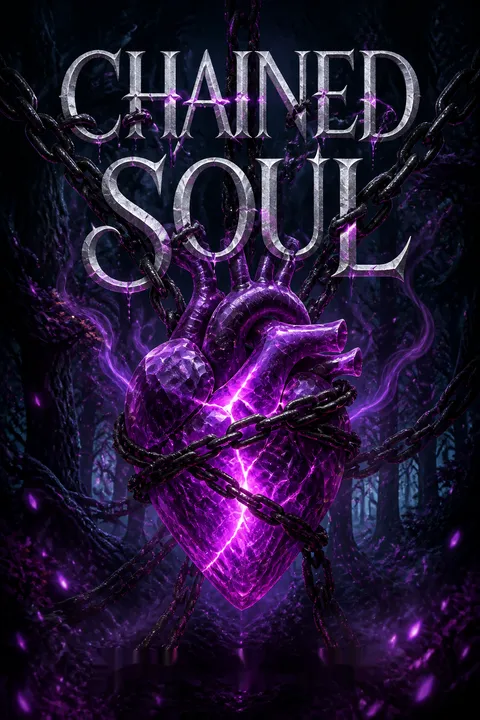

Plot Summary
Cursed Healer's Return Home
After escaping the Murk's clutches, Talia resumes healing the cursed fae, but the weight of those she couldn't save and the knowledge of her connection to the Murk's false Heart haunt her. The arch-lords debate how to handle the Murk threat, torn between vengeance and reason. Talia's mates, especially Corwin, strive to protect her, but she feels the burden of being both a savior and a potential weapon. The tension between hope and dread is palpable as Talia tries to reclaim her place, even as the seeds of war and suspicion grow.
Murk's Reluctant Ally
Madoc, a Murk knight, navigates Orion's paranoia after Talia's escape. He's wracked with guilt as innocents die for his actions, but he clings to the hope that Talia might broker peace. Orion, ever suspicious, plots further cruelty, and Madoc realizes the Murk king's leadership is as toxic as the prejudice they face. Madoc's internal conflict deepens: he wants to save his people, but not at the cost of his soul. The Murk's preparations for war continue, and Madoc's role as a double agent grows ever more dangerous.
Bonds and New Life
Amidst exhaustion and anxiety, Talia learns she's carrying a child—her mates' joy is palpable, but so is their protectiveness. The pregnancy brings hope and vulnerability, intensifying Talia's resolve to end the conflict. The fae's difficulty in having children makes this new life precious, and Talia's mates vow to defend her and their unborn child at all costs. Yet, the looming threat of the Murk and the curse's shadow over Talia's happiness remind her that peace is fragile and the future uncertain.
Blood Tracking and Betrayal
Whitt devises a spell using Talia's blood to track Murk, hoping to turn her curse into an advantage. The first mission, led by August, ends in disaster: the Murk ambush the fae, using their own tactics against them. Several fae die, and the survivors are left shaken. The incident exposes the Murk's cunning and the fae's underestimation of their enemy. Talia's guilt and the fae's grief deepen the rift between the realms, and the hope for a clean victory fades as both sides realize the cost of war.
Funeral Fires and Fears
The fae mourn their dead, and August is wracked with guilt over the failed mission. Talia reassures him of her trust, but the violence has left scars on everyone. The mates' relationships are tested as they grapple with their own darkness and the fear of losing each other. Talia's compassion for the Murk is met with skepticism, and the fae's willingness to trust is strained. The cycle of vengeance threatens to consume both sides, and Talia's role as a bridge between worlds becomes more precarious.
A Murk Messenger's Warning
Madoc is captured delivering a warning: Orion has triggered a deadly curse in Talia, set to kill her. The fae debate whether to trust him, but Talia insists on hearing him out. Madoc's warning is sincere, and he's willing to risk his life for Talia's safety. The arch-lords are divided, but Talia's faith in Madoc's intentions sways some. The urgency of the curse forces old enemies to consider cooperation, even as suspicion lingers and time runs short.
The Curse Awakens
The dormant curse in Talia erupts, causing agonizing pain and internal injuries. The fae's best healers are powerless, and suspicion falls on Madoc, though Talia defends him. The curse's unpredictable attacks leave Talia weakened and fearful for her unborn child. The fae scramble for solutions, but the Murk's magic is unlike anything they've faced. The realization that Talia's life hangs by a thread galvanizes her mates, but also exposes the limits of their power and the depth of their love.
Bargaining With the Enemy
The fae negotiate Madoc's release in exchange for intelligence on the Murk. Talia argues for trust and compassion, while the arch-lords demand leverage. Madoc agrees to risky terms, marking himself as a traitor to Orion. The uneasy alliance is fraught with suspicion, but Talia's conviction and Madoc's sincerity offer a glimmer of hope. The deal is sealed with magical proof, and Madoc is tasked with finding a cure for Talia's curse, even as the war draws closer.
The Heart's Impossible Choice
As Talia's condition worsens, the fae exhaust every magical and herbal remedy. The Heart of the Mists, source of all fae magic, is invoked, but offers no easy answers. The arch-lords debate mass violence against the Murk, but Talia refuses to let her cure come at the cost of genocide. The fae are forced to confront their own capacity for cruelty, and Talia's stand against becoming monsters herself becomes a turning point. The cost of victory is weighed against the value of mercy.
War Plans and Wounds
The fae prepare for war, but internal divisions and grief threaten their unity. Talia's fits become more frequent and severe, and her mates are torn between hope and despair. Madoc, isolated and mistrusted, continues to search for a cure, even as he's hunted by both sides. The Murk's plans accelerate, and the fae's desperation grows. The looming battle promises to be catastrophic, and the lines between friend and foe blur as survival becomes paramount.
Descent Into Despair
The curse's attacks intensify, leaving Talia bedridden and near death. She loses her unborn child in a torrent of blood and agony, and her mates are powerless to help. Grief and rage consume the household, and the fae's hope for a peaceful resolution dims. Madoc, now an outcast from both worlds, risks everything to return to Talia's side. The cost of the conflict becomes unbearably personal, and the prospect of any happy ending seems remote.
A Risky Alliance
Whitt devises a scheme to use Madoc as an unwitting guide to the Murk's Refuge, hoping to end the war by destroying the false Heart. The plan is fraught with ethical dilemmas and risks betraying Talia's trust. As alliances shift and desperation mounts, the fae are forced to consider whether the ends justify the means. Talia's faith in her mates and Madoc is tested, and the fragile hope for peace hangs by a thread.
The Parlay That Failed
A meeting with a powerful Murk sorceress, Delta, ends in chaos and bloodshed. Miscommunication and mutual distrust lead to violence, shattering the possibility of a negotiated peace. Madoc is blamed for the failure, and the fragile alliance collapses. Both sides retreat, nursing wounds and grievances. The dream of reconciliation seems lost, and the war's inevitability looms larger than ever.
The Price of Peace
As Talia's life ebbs away, Madoc learns the true cure for her curse: the willing sacrifice of someone who loves her. He returns, risking death at the hands of her mates, and offers his life. The fae are forced to confront the depth of Madoc's devotion and the limits of their own power. In a final act of love, Madoc slits his own throat, covering Talia in his blood and breaking the curse. His sacrifice is both a victory and a tragedy, leaving Talia and her mates to grapple with the cost of peace.
The Edge of Monstrosity
In the aftermath of Madoc's sacrifice, the fae must decide how far they're willing to go to win the war. Talia's stand against mass slaughter forces the arch-lords to reconsider their tactics. The line between justice and vengeance blurs, and the risk of becoming monsters themselves becomes real. The war's moral stakes are laid bare, and the choices made now will define the future of both realms.
The Curse's Final Assault
The curse reaches its climax, pushing Talia to the brink of death. Her mates and Madoc race against time to save her, but the only hope lies in an impossible act of love. As Talia's life slips away, the bonds between all the characters are tested to their limits. The final confrontation with mortality and fate forces everyone to reveal their true selves, and the outcome will shape the fate of the Mists.
Madoc's Desperate Return
Madoc, hunted and desperate, returns to Talia's side with the knowledge of the curse's cure. He risks everything, including his life, to save her. The fae, torn between suspicion and hope, must decide whether to trust their former enemy. In a moment of ultimate vulnerability, Talia and Madoc's connection transcends old boundaries, and the possibility of redemption emerges from the ashes of betrayal.
The Last Hope
After Madoc's sacrifice, Talia, revived but grieving, refuses to accept his death. She confronts the Heart of the Mists, demanding justice and mercy for Madoc and the Murk. Her impassioned plea, fueled by love and righteous anger, moves the Heart to restore Madoc to life and grant him a new connection to its magic. The miracle of resurrection offers a second chance—not just for Madoc, but for the possibility of peace between all fae.
The Sacrifice
In a scene of raw emotion, Madoc gives his life to save Talia, fulfilling the curse's impossible condition. The act is both devastating and transformative, breaking the cycle of vengeance and opening the door to reconciliation. Talia's mates, witnessing the depth of Madoc's love, are forced to reevaluate their own prejudices and the meaning of family. The boundaries between enemy and ally dissolve in the face of true sacrifice.
Resurrection and Reconciliation
Talia's plea to the Heart is answered: Madoc is resurrected, now bound to the true Heart of the Mists. The miracle unites the fae and the Murk in awe, and Talia's mates accept Madoc as one of their own. The new family, forged in suffering and love, stands as a symbol of hope for both realms. The possibility of peace, once unthinkable, becomes real as old wounds begin to heal.
A New Family Forged
Talia, her mates, and Madoc come together as a new kind of family, united by love, sacrifice, and shared purpose. The acceptance of Madoc by the others marks a turning point, not just for them but for the future of the Mists. The bonds formed in adversity prove stronger than old hatreds, and the promise of a better world glimmers on the horizon.
The Heart's Judgment
With Madoc's resurrection and acceptance, the fae and the Murk face a new future. The Heart's intervention signals a willingness to forgive and embrace all its children. The arch-lords, Talia, and Madoc begin to negotiate the terms of peace, even as old suspicions linger. The war is not yet over, but the possibility of reconciliation and coexistence is now within reach.
The War Begins
Just as hope dawns, word arrives: the Murk have invaded the Mists. The final battle is at hand, and the fate of both realms hangs in the balance. Talia, her mates, and Madoc must lead their people through the coming storm, armed with the lessons of love, sacrifice, and forgiveness. The story ends on the cusp of war, but with the promise that even in darkness, the light of the Heart endures.
Analysis
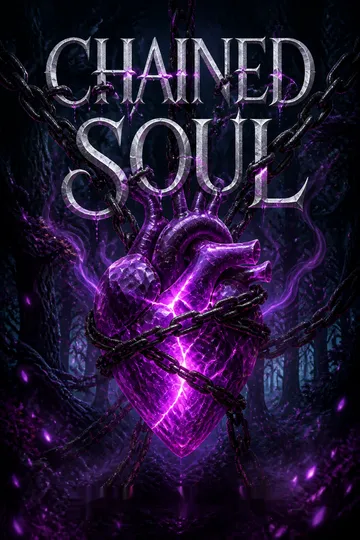
Chained Soulis a story about the cost of peace, the power of love, and the courage required to break cycles of vengeance. Eva Chase uses the fantasy setting of the Mists and the Murk to explore real-world themes: prejudice, trauma, and the struggle to see humanity in one's enemies. The curse at the heart of the plot is both a literal threat and a metaphor for generational wounds—its cure, requiring a willing sacrifice, forces characters to confront what they truly value. The novel's reverse harem structure is not just a romantic fantasy but a radical act of inclusion, modeling a world where love is abundant and boundaries are porous. The resurrection of Madoc, and his acceptance into Talia's family, signals that even the most entrenched divisions can be healed—but only through empathy, vulnerability, and the willingness to risk everything for a better future. The story's refusal to offer easy answers, and its insistence on the necessity of both justice and mercy, make it a timely meditation on what it means to be whole in a broken world.
Review Summary
Reviews for Chained Soul are largely positive, averaging 4.12/5. Readers praise the emotional depth, plot twists, and the introduction of Madoc as a compelling new mate. Many found the book heartbreaking, particularly regarding a pregnancy loss and Madoc's sacrifice. Common criticisms include slow pacing, repetitive emphasis on the protagonist Talia's virtues, and some feeling the miscarriage felt plot-convenient. The audiobook narration by Savannah Peachwood and Ryan West received high praise. Most agree it's among the strongest entries in the series, setting up an anticipated finale.
People Also Read
Characters
Talia
Talia is the human-born healer whose tears cure the fae's curse, but she is also the linchpin between the Seelie, Unseelie, and Murk. Her compassion, resilience, and refusal to become a tool or a monster define her journey. Talia's relationships—with her four mates and with Madoc—are marked by deep empathy and a willingness to see the good in others, even enemies. Her pregnancy and subsequent loss deepen her emotional arc, making her both vulnerable and fiercely determined. Talia's greatest strength is her ability to inspire trust and change, even in the face of betrayal and despair.
Madoc
Madoc is a master of illusions and a high-ranking Murk, torn between loyalty to his people and his conscience. His relationship with Talia transforms him from a hardened survivor into a self-sacrificing hero. Madoc's internal struggle—between the toxic leadership of Orion and the hope for peace—drives much of the plot. His ultimate act of love, sacrificing himself to save Talia, redeems him and bridges the gap between the Murk and the fae. Madoc's resurrection and acceptance into Talia's family symbolize the possibility of reconciliation and healing for all outcasts.
Corwin
Corwin, the Unseelie arch-lord, is Talia's soul-twined mate and the embodiment of loyalty and restraint. His inner world is marked by a constant struggle to balance duty, love, and the darkness within. Corwin's connection to Talia is both a source of strength and vulnerability, especially as he experiences her pain through their bond. His willingness to accept Madoc, despite jealousy and prejudice, marks his growth and the evolution of his leadership.
Sylas
Sylas is the calm, rational leader of the Seelie, providing stability and wisdom. His love for Talia is gentle but fierce, and he often acts as the voice of reason among the mates. Sylas's journey involves learning to trust not just Talia, but also those he once considered enemies. His acceptance of Madoc and willingness to challenge his own biases are key to the story's message of unity.
Whitt
Whitt is the clever, playful spymaster whose schemes often drive the plot forward. His relationship with Talia is marked by humor and deep affection, but also by guilt when his plans go awry. Whitt's willingness to collaborate with Madoc and to question his own methods reflects the story's theme of growth through vulnerability. His role as both a plotter and a peacemaker makes him essential to the group's dynamic.
August
August is the brawny, passionate mate whose protectiveness sometimes borders on ferocity. His struggle with guilt, especially after failed missions, and his fear of losing Talia reveal a tender core beneath his warrior exterior. August's journey is one of learning to trust—not just Talia, but also himself and those he once saw as threats. His eventual acceptance of Madoc is a testament to the power of love over instinct.
Orion
Orion is the charismatic but sadistic leader of the Murk, whose creation of the false Heart and the curse on Talia drive the central conflict. His manipulation, paranoia, and delight in suffering make him a formidable antagonist. Orion's actions force all other characters to confront their own darkness and the cost of victory. He represents the dangers of unchecked power and the consequences of generational trauma.
Celia
Celia is the oldest and most cautious of the Seelie rulers. Her skepticism and insistence on failsafes reflect the fae's long history of betrayal and loss. Celia's gradual shift—from suspicion to grudging acceptance of Madoc—mirrors the broader journey of the fae toward reconciliation. Her pragmatism is both a strength and a limitation.
Laoni
Laoni's bitterness and desire for vengeance are rooted in personal tragedy. Her journey is one of grappling with grief and the temptation to become what she hates. Laoni's eventual willingness to consider mercy, even if begrudgingly, signals the possibility of healing for even the most wounded.
Harper
Harper, Talia's best friend, represents the ordinary fae caught in extraordinary events. Her loyalty, kindness, and unrequited love for another arch-lord add depth to the story's emotional landscape. Harper's presence reminds Talia—and the reader—of the importance of small acts of love and courage in the face of overwhelming darkness.
Plot Devices
Dual Narratives and Shifting POV
The story alternates between Talia, Madoc, and her mates, allowing readers to experience the conflict from all sides. This structure humanizes the "enemy," exposes internal conflicts, and builds suspense as secrets and motivations are gradually revealed. The shifting POVs also allow for intimate psychological exploration, especially as characters confront their own prejudices and fears.
The Curse as Catalyst
Talia's curse is both a literal and symbolic threat, forcing characters to confront the limits of their power and the cost of their choices. The curse's progression creates urgency, while its cure—requiring a willing sacrifice—forces a reckoning with love, loyalty, and the meaning of family. The curse also serves as a mirror for the larger conflict, highlighting the dangers of vengeance and the possibility of redemption.
The Heart(s) as Symbol and Arbiter
The Heart of the Mists and the Murk's false Heart are more than sources of magic—they are embodiments of the world's values and divisions. The true Heart's eventual acceptance of Madoc, and its refusal to grant easy answers, reflect the story's themes of forgiveness, justice, and the need for active reconciliation. The Hearts' roles in granting and withholding power force characters to question what makes someone worthy of love and belonging.
Foreshadowing and Reversal
Early hints about the nature of the curse, the possibility of peace, and the limits of fae magic set up later reversals. The failed parlay, Madoc's apparent betrayal, and Talia's near death all seem to foreclose hope—only for love and sacrifice to open new paths. The narrative structure uses despair to heighten the impact of redemption, making the eventual reconciliation feel earned rather than easy.
Found Family and Polyamory
The reverse harem structure is not just romantic—it's political. Talia's ability to love and be loved by multiple partners, and eventually by Madoc, challenges the rigid boundaries that have kept the fae divided. The formation of a new, chosen family becomes a model for the world's healing, suggesting that unity is possible only when old prejudices are set aside.
Bound to the Fae Series

About the Author
Download PDF
Download EPUB
.epub digital book format is ideal for reading ebooks on phones, tablets, and e-readers.








































