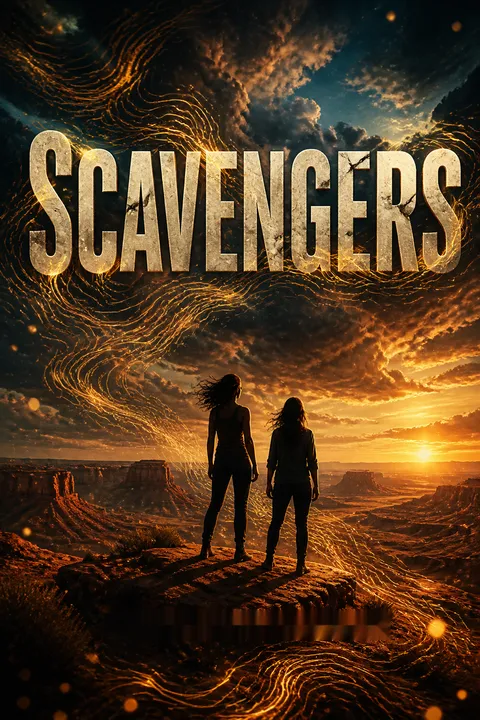

Plot Summary
Weathering the Storm
Bea, a commodities analyst, makes a disastrous weather prediction at her Wall Street job, leading to a market panic and her firing. The error, rooted in the unpredictable nature of weather and human ambition, leaves her adrift. Reeling from professional disgrace, the death of her grandmother, and a failed relationship, Bea is forced to confront the fragility of her carefully constructed life. The storm that ruined her career becomes a metaphor for the chaos and uncertainty that now defines her existence. With her finances dwindling and her sense of self shaken, Bea seeks refuge with her eccentric mother, Christy, in Utah—a move that promises both confrontation and the possibility of renewal.
Unwelcome Homecomings
Arriving in Salt Lake City, Bea is greeted not by comfort but by Christy's cluttered, plant-filled home and a wall of avoidance. Their reunion is fraught with tension, old wounds, and the unspoken reality that both women are running out of options. Christy's life is a patchwork of failed relationships, financial instability, and impulsive decisions, while Bea's is defined by control and calculation. Their dynamic is a push-pull of resentment and dependence, each blaming the other for their shared misfortunes. The house, filled with fake plants and faded memories, becomes a battleground for their unresolved grief and mutual disappointment.
The Treasure Map Obsession
Christy reveals her latest obsession: an online treasure hunt inspired by a cryptic poem and a rumored million-dollar prize. Her dining table is covered with a sprawling, homemade map—an intricate collage of clues, theories, and dreams. The hunt, fueled by an online community called the Conversation, offers Christy purpose and connection in the wake of loss. For Bea, the map is both a symbol of her mother's escapism and a reminder of their precarious financial reality. The treasure becomes a stand-in for hope, a fantasy that distracts from the harshness of their circumstances and the limits of their relationship.
Mother-Daughter Fault Lines
As Bea settles in, the friction between mother and daughter intensifies. Christy's history of impulsive choices—bankruptcy, failed marriages, and shoplifting—clashes with Bea's need for order and control. Their arguments spiral from money to past betrayals, each woman weaponizing old grievances. Yet beneath the anger is a deep, unspoken longing for understanding and forgiveness. The treasure hunt, at first a point of ridicule, becomes a shared project, a way for them to reconnect and confront the patterns that have kept them apart.
The Hunt Begins
Christy convinces Bea to join her on a trip to Mercy, a remote Utah town rumored to be near the treasure's location. The journey is both literal and metaphorical—a chance to escape eviction, financial ruin, and the ghosts of their past. Along the way, they encounter a cast of locals and fellow treasure hunters, each with their own motives and secrets. The landscape is harsh and beautiful, mirroring the emotional terrain the women must navigate. The hunt tests their resilience, trust, and willingness to let go of old narratives.
Lost in the Desert
The desert proves more treacherous than anticipated. Bea and Christy quickly become lost, dehydrated, and overwhelmed by the unforgiving environment. Their vulnerability exposes the limits of Christy's research and Bea's skepticism. Just as desperation sets in, they are rescued by Tag and Hank, two local climbers who offer both practical aid and a glimpse of a different way of living. The experience humbles both women, forcing them to rely on others and each other in ways they haven't before.
Strangers and Saviors
Tag and Hank become unlikely allies, guiding Bea and Christy back to safety and introducing them to the rhythms of small-town life. As they recover, the lines between strangers and friends blur. Tag, in particular, forms a tentative bond with Bea, offering her kindness and acceptance she hasn't felt in years. Meanwhile, Christy's online collaborator, Bob, arrives in Mercy, bringing with him both hope and danger. The treasure hunt community, once a source of camaraderie, reveals its darker, more competitive side.
The Conversation
The Conversation, the online forum dedicated to the treasure hunt, is a microcosm of ambition, delusion, and longing. Christy and Bob's partnership is tested by the arrival of a brash newcomer, NCGuy, whose aggressive tactics and cryptic posts sow discord. The forum's culture of amateur expertise and coded language mirrors the larger search for meaning and belonging. As the hunt intensifies, the boundaries between online fantasy and real-world consequences begin to blur, with dangerous results.
Bob and the Boy
Bob, once a steady if distant presence, becomes increasingly erratic under the influence of NCGuy, a mysterious young man with unclear motives. Their alliance, built on mutual suspicion and ambition, unravels as they pursue the treasure at any cost. Christy, caught between loyalty and self-preservation, is forced to confront the reality of Bob's manipulations. The tension culminates in a series of betrayals, thefts, and a violent confrontation that leaves everyone changed.
Eviction and Escape
Back in Mercy, Bea and Christy face eviction, financial ruin, and the collapse of their fragile plans. The loss of Christy's map—a symbol of her hope and agency—devastates her. Yet in the aftermath, mother and daughter are forced to reckon with what truly matters. Their shared vulnerability becomes a catalyst for honesty, forgiveness, and a new kind of partnership. The treasure, once a source of division, becomes secondary to the possibility of starting over.
Mercy's Secrets
Mercy is a town shaped by cycles of boom and bust, hope and disappointment. Its history—of indigenous displacement, environmental exploitation, and nuclear fallout—echoes in the lives of its residents. The town's present is marked by economic hardship, generational divides, and the encroachment of outsiders. Yet within this landscape, moments of connection, generosity, and resilience emerge. Bea and Christy, outsiders themselves, find unexpected belonging among the town's misfits and survivors.
Flood and Aftermath
A sudden, devastating flood sweeps through Mercy, upending the search for the treasure and exposing the limits of human control. The disaster claims lives, destroys property, and forces the community to confront its own fragility. In the aftermath, the lines between winners and losers, hunters and hunted, blur. The treasure, if it ever existed, is lost to the elements. For Bea and Christy, the flood is both an ending and a beginning—a chance to let go of old obsessions and embrace the uncertainty of the future.
The Truth About Treasure
The myth of the treasure is revealed to be just that—a myth, sustained by longing, projection, and the need for meaning. The real riches are found in the relationships forged, the lessons learned, and the willingness to start anew. Bea and Christy, having lost almost everything, discover a different kind of wealth in each other and in the community they've found. The search for gold gives way to the search for connection, purpose, and self-acceptance.
Loss, Letting Go, and Love
In the wake of loss—of money, home, illusions—Bea and Christy are finally able to see each other clearly. Their relationship, once defined by blame and disappointment, becomes a source of comfort and strength. They learn to forgive themselves and each other, to accept the messiness of their shared history, and to find joy in small, everyday moments. The act of letting go—of the treasure, of old resentments, of the need for control—opens the door to love and renewal.
The Conversation Ends
The online forum that once united the treasure hunters implodes in the wake of scandal, tragedy, and disillusionment. Bans, betrayals, and the exposure of secrets leave the community fractured and diminished. Yet in the real world, new connections and possibilities emerge. Bea and Christy, no longer defined by the hunt or the past, begin to imagine a different kind of future—one rooted in honesty, mutual support, and the acceptance of uncertainty.
New Beginnings in Mercy
As the dust settles, Bea and Christy face a choice: return to their old lives or build something new in Mercy. The town, with its scars and secrets, offers both risk and opportunity. For the first time, both women are able to imagine a future not defined by fear, regret, or the pursuit of impossible dreams. Instead, they choose each other, community, and the messy, beautiful work of starting over. The treasure, it turns out, was never gold—it was the chance to be seen, to belong, and to begin again.
Analysis
Scavengers is a novel about the stories we tell ourselves to survive—about the myths of success, family, and fortune that both sustain and imprison us. Through the lens of a mother-daughter relationship strained by loss, disappointment, and the lure of fantasy, Kathleen Boland explores the human need for meaning in a world defined by uncertainty and change. The treasure hunt at the novel's center is both a literal quest and a metaphor for the search for value, belonging, and self-worth. The online community that sustains the hunt is a double-edged sword: a source of connection and purpose, but also of rivalry, delusion, and danger. Ultimately, the novel suggests that true treasure is not found in gold or certainty, but in the messy, imperfect work of loving and forgiving ourselves and each other. The desert, with its beauty and brutality, becomes a crucible for transformation—a place where old stories are washed away and new beginnings are possible. In a world where storms—literal and metaphorical—are inevitable, Scavengers offers a hard-won hope: that even after loss, we can choose each other, choose community, and choose to begin again.
Review Summary
Scavengers by Kathleen Boland follows Bea, a fired NYC commodities analyst, who visits her eccentric mother Christy in Utah. They embark on a treasure hunt based on cryptic clues, meeting quirky characters along the way. Reviews are mixed: readers praise the unique plot, vivid Utah setting, and complex mother-daughter relationship, but criticize irregular pacing, frustrating character decisions, and lack of resolution. Some found the characters infuriatingly realistic yet compelling, while others struggled with unclear narrative voice and excessive drinking scenes. The debut novel divides readers between those captivated by its literary style and those disappointed by unfulfilled adventure expectations.
People Also Read






Characters
Bea Macon
Bea is a former Wall Street commodities analyst whose life unravels after a disastrous weather prediction costs her job and reputation. Defined by her need for order, achievement, and self-sufficiency, Bea is both fiercely independent and deeply lonely. Her relationship with her mother, Christy, is fraught with resentment, blame, and unspoken longing. Bea's journey is one of forced vulnerability: as she loses her career, financial security, and illusions of control, she is compelled to confront her own limitations and the pain of her past. Through the chaos of the treasure hunt and the trials of Mercy, Bea learns to accept uncertainty, forgive herself and her mother, and open herself to new forms of connection and love.
Christy Macon
Christy is Bea's mother, a woman whose life is a series of reinventions, escapes, and obsessions. Prone to impulsive decisions—bankruptcy, shoplifting, failed relationships—Christy is both maddeningly irresponsible and deeply loving. Her fixation on the treasure hunt is a way to fill the void left by loss, illness, and the disappointments of adulthood. Christy's relationship with Bea is a tangle of guilt, pride, and unmet needs; she both resents and relies on her daughter's competence. Over the course of the novel, Christy is forced to reckon with the consequences of her choices, the limits of fantasy, and the possibility of real, imperfect love. Her arc is one of humility, acceptance, and the rediscovery of joy in the everyday.
Tag (Taggart Rae Peterson)
Tag is a local climber and bartender in Mercy, originally from the Pacific Northwest. Having drifted from place to place, Tag finds a sense of home in the rhythms of small-town life and the beauty of the desert. He is kind, patient, and quietly competent—a foil to Bea's anxiety and Christy's chaos. Tag's own history of loss and reinvention makes him empathetic to the Macon women's struggles. His budding relationship with Bea is marked by mutual respect, vulnerability, and the slow building of trust. Tag represents the possibility of starting over, of finding connection and meaning outside of ambition or escape.
Hank
Hank is Tag's friend and coworker, a lifelong resident of Mercy with a sharp tongue and a deep sense of loyalty. He is skeptical of outsiders and the treasure hunt, but ultimately proves to be a steadfast ally. Hank's humor and pragmatism ground the more fantastical elements of the story. His relationship with Tag is brotherly, marked by teasing and mutual support. Hank's presence in the narrative highlights the importance of community, tradition, and the small acts of kindness that sustain people through hardship.
Bob (OnlyBob)
Bob is Christy's online collaborator and would-be romantic partner, a veteran treasure hunter whose motives are increasingly suspect. Charismatic but evasive, Bob is both a source of hope and danger for Christy. His partnership with NCGuy, a mysterious and volatile newcomer, reveals the darker side of the treasure hunt community—rivalry, paranoia, and the willingness to betray others for personal gain. Bob's ultimate fate is a cautionary tale about the costs of obsession and the limits of trust.
NCGuy (Clayton Woods)
NCGuy is a young, aggressive newcomer to the Conversation, whose cryptic posts and reckless behavior sow discord and danger. His alliance with Bob is opportunistic and ultimately destructive. NCGuy's presence exposes the vulnerabilities of the online community and the real-world consequences of virtual rivalries. His disappearance after the flood leaves a trail of unanswered questions and unresolved trauma.
Jim
Jim is Hank's father, a widower who offers Christy shelter and companionship in the aftermath of the flood. He represents the quiet strength and generosity of Mercy's older generation. Jim's kindness and acceptance provide Christy with a sense of belonging and stability she has long lacked. His relationship with Christy is understated but deeply meaningful, a reminder that love and connection can be found in unexpected places.
Woody (the dog)
Woody is the dog rescued by Bea and Christy after the flood, a silent witness to the story's violence and redemption. Her presence is a source of comfort and healing, embodying the possibility of new beginnings and the enduring power of care.
Gertie
Gertie, Bea's grandmother and Christy's mother, is a shaping force in both women's lives. Her death sets the story in motion, and her legacy—of resilience, disappointment, and love—haunts the narrative. Gertie's memory is both a burden and a blessing, a reminder of what has been lost and what endures.
The Poet / MadMax
The Poet is the author of the treasure poem and the mythic figure behind the Conversation. MadMax, the forum's moderator, is later revealed to be the Poet's son, the true architect of the online community. Together, they represent the allure and danger of mythmaking, the power of stories to unite and divide, and the ultimate futility of seeking meaning in fantasy rather than reality.
Plot Devices
The Treasure Hunt and The Conversation
The central plot device is the treasure hunt—a literal and metaphorical search for value, purpose, and belonging. The hunt is orchestrated through a cryptic poem and sustained by an online forum, the Conversation, which becomes a surrogate family for its participants. The hunt's rules, clues, and rivalries mirror the characters' internal struggles: the desire for control, the fear of failure, the longing for connection. The Conversation's culture of amateur expertise, coded language, and shifting alliances serves as both a source of hope and a breeding ground for obsession, paranoia, and betrayal. The hunt's ultimate futility—no one finds the treasure, and the search leads to loss and tragedy—underscores the dangers of seeking fulfillment in fantasy rather than reality.
Mother-Daughter Dual Narrative
The novel's structure alternates between Bea and Christy's perspectives, allowing for a deep exploration of their psychological landscapes and the evolution of their relationship. Their parallel arcs—each marked by loss, disappointment, and the search for meaning—converge in moments of crisis and reconciliation. The dual narrative highlights the generational patterns that shape their lives, the ways in which love and resentment are intertwined, and the possibility of breaking free from old scripts.
Setting as Metaphor
The Utah desert, and the town of Mercy in particular, is both a literal and symbolic landscape. Its beauty and danger reflect the characters' internal states: isolation, vulnerability, and the potential for renewal. The desert's history—of indigenous displacement, environmental exploitation, and cycles of boom and bust—echoes the characters' struggles with legacy, survival, and the search for home. The flood, a climactic event, serves as both a literal disaster and a metaphor for the uncontrollable forces that shape human lives.
Online Community and Anonymity
The Conversation, as an online forum, is a space of both intimacy and deception. It offers Christy and others a sense of belonging and purpose, but also enables rivalry, manipulation, and the blurring of fantasy and reality. The anonymity of the internet allows for reinvention and escape, but also for the escalation of conflict and the abdication of responsibility. The forum's collapse mirrors the characters' disillusionment and the necessity of facing the real world.
Foreshadowing and Circularity
The novel employs foreshadowing through recurring motifs—storms, floods, lost objects, and failed searches. The characters' histories repeat in new forms, suggesting both the difficulty of breaking free from old patterns and the possibility of transformation. The story's ending, with Bea and Christy returning to the springs and finding something unexpected, echoes the beginning's themes of hope, loss, and the search for meaning.
Download PDF
Download EPUB
.epub digital book format is ideal for reading ebooks on phones, tablets, and e-readers.








































