
Plot Summary
Bloodlines and Prophecy
The Duncan family's story begins with a bloodline passed from mother to daughter, each inheriting unique gifts and a dangerous destiny. The narrator's mother, a healer and witch, warns her daughter of the perilous inheritance: a potent elixir in their veins, a legacy of both power and persecution. The Old One, an ancient force of nature, has chosen the narrator for a special mission—to watch over the Duncans and await the birth of the most powerful among them. This chapter sets the stage for a saga of women marked by both extraordinary abilities and the ever-present threat of violence from a world that fears their strength.
Sisters Torn Apart
Brigid and Phoebe Duncan, daughters of different fathers, grow up inseparable yet fundamentally different. Their bond is tested by jealousy, misunderstanding, and the weight of their family's expectations. Brigid's dark gift—seeing death—contrasts with Phoebe's healing touch. A tragic misunderstanding after their mother Flora's suicide shatters their relationship, sending them on separate paths. Phoebe, feeling abandoned, retreats into isolation, while Brigid, haunted by guilt and anger, forges a solitary life. Their estrangement becomes a wound that festers for decades, shaping their destinies and the fate of the Duncan line.
The Ghost of Wild Hill
Bessie, the original witch of Wild Hill, narrates her own story of persecution, survival, and vengeance. Hanged for witchcraft by colonists, her spirit fuses with the land, becoming its eternal protector. Bessie's presence haunts the Duncan estate, guiding and warning her descendants. She is both a comfort and a reminder of the violence women like her have endured. Her story is a testament to the resilience of women who, denied power in life, find ways to shape the world from beyond the grave. Bessie's legacy is the foundation upon which the Duncans' power—and their curse—rests.
Gifts and Curses
Each Duncan woman discovers her unique gift: Brigid foresees death, Phoebe heals, and others in the line wield powers over nature, chemistry, and fate. These abilities are both blessings and sources of pain, isolating them from the world and each other. The family's matriarchs teach the girls to use their gifts wisely, warning that power comes with responsibility and danger. The sisters' rivalry intensifies as they struggle to accept their roles—one as a bringer of death, the other as a healer. Their gifts set them apart, but also bind them to the family's ancient mission.
The Key and the Calling
A mysterious key, delivered by a raven, becomes a symbol of the family's fate. Passed from Bessie to Phoebe and then to Sibyl, Phoebe's daughter, the key is said to open a door only when the time is right. The prophecy of The Three—three women destined to change the world—hangs over the family. Flora, Brigid, and Phoebe believe they are The Three, but the truth is more complex. The key's true purpose remains hidden, a puzzle piece in the larger design of the Old One, waiting for the next generation to claim their power.
The Old One's Design
The Old One, a primordial force, has watched humanity's destruction of the earth with growing fury. She bestows gifts on certain bloodlines, preparing them to restore balance when the time comes. The Duncans are her chosen instruments, tasked with toppling tyrants and avenging the wronged. The Old One's methods are ruthless—storms, plagues, and death—but always in service of a greater equilibrium. The Duncans' story is revealed as part of a cosmic plan, their suffering and sacrifices necessary to awaken a new age where women reclaim their rightful power.
Death's Chosen Daughter
Brigid's ability to foresee death isolates her, making her both a witness and an agent of fate. She struggles with the morality of her gift, haunted by visions she cannot prevent and deaths she cannot stop. When called upon to kill in service of the Old One, Brigid discovers a dark satisfaction in punishing the wicked. Her journey is one of self-acceptance, as she learns to wield her power not as a curse, but as a weapon against those who harm the innocent. Brigid's path is lonely, but her resolve is unbreakable.
Love and Betrayal
Flora's love affair with Calum Geddes, a charismatic but ultimately destructive man, brings both joy and tragedy to the Duncan family. Calum's ambition and betrayal set in motion a chain of events that leads to Flora's suicide and the sisters' estrangement. The pain of lost love echoes through generations, shaping the women's relationships and choices. Brigid's later romance with Liam, Calum's son, mirrors her mother's fate, forcing her to confront the possibility of repeating the same mistakes—or breaking the cycle at last.
Sacrifice and Survival
The Duncans' history is marked by sacrifice—women who give their lives for the greater good, mothers who die in childbirth, and daughters who risk everything to protect their kin. Flora's suicide is revealed as a deliberate act, clearing the way for her daughters and granddaughter to fulfill their destiny. The theme of sacrifice runs deep, challenging the notion that women's suffering is ordinary or expected. Instead, it is reframed as the ultimate strength, the soil from which new power and hope can grow.
The Third Awakens
Sibyl, Phoebe's daughter, grows up believing she is ordinary, shielded from her family's secrets. But when the time comes, she is called to Wild Hill and initiated into the legacy of The Three. Through visions and ancestral guidance, Sibyl discovers her true gifts: the ability to commune with the dead, access the knowledge of her foremothers, and, ultimately, to turn the tide of fate. Her awakening marks the fulfillment of the prophecy and the beginning of a new era for the Duncans and all women like them.
Reunion at Wild Hill
Decades after their estrangement, Brigid and Phoebe are summoned back to Wild Hill, joined by Sibyl. Old wounds are reopened, secrets are confessed, and forgiveness is hard-won. The sisters confront the truth about their past, their mother's death, and the roles they must play in the coming revolution. United at last, they prepare to face the gathering storm, drawing strength from their shared history and the power of their bloodline. The reunion is both a healing and a rallying cry.
The Gathering Storm
As climate disasters and social unrest sweep the world, the Duncans' enemies—powerful men who have profited from destruction—gather for a final reckoning. Liam, now head of his father's media empire, invites Brigid and her family to a party attended by the world's elite. The stage is set for a confrontation between the forces of the old order and the rising power of women. The Duncans, guided by ancestral wisdom and the Old One's will, prepare to strike a decisive blow.
The Poisoned Feast
Sibyl, embracing her role as The Third, prepares a feast laced with a deadly mushroom poison, targeting the corrupt men who have ruled unchecked. The act is both vengeance and justice, a symbolic cleansing of the world's rot. As the poison takes effect, chaos erupts, and the Duncans must navigate the fallout. The moment is both triumphant and tragic, as the cost of revolution becomes clear. The poisoned feast is the culmination of generations of suffering and resistance.
The Witch Hunt
In the aftermath of the massacre, suspicion falls on Brigid, who is accused of orchestrating the deaths. A modern-day witch hunt ensues, echoing the violence that claimed Bessie centuries before. Brigid faces betrayal from within and without, forced to confront the limits of her power and the depth of her courage. The chapter is a meditation on the persistence of misogyny and the necessity of solidarity among women in the face of oppression.
Turning the Tide
Brigid is drowned by the mob, seemingly lost to the world. But through the combined power of her sister's healing and Sibyl's command of the elements, she is revived. The act is both literal and symbolic—a resurrection that signals the dawn of a new age. Sibyl unleashes a tidal wave that sweeps away the last vestiges of the old order, fulfilling the prophecy and cementing her place as the harbinger of change. The Duncans' victory is hard-won, but it marks the beginning of a revolution.
The Others Arrive
As the dust settles, women from around the world—witches, healers, and avengers—are drawn to Wild Hill. The Duncans realize they are not alone; their struggle is part of a larger movement. The mansion, once sealed, becomes a sanctuary for the rising tide of female power. The arrival of the others signals the birth of a new community, united by shared purpose and the promise of a better world. The revolution is no longer a family affair—it is a global uprising.
Legacy of the Daughters
The story comes full circle as the Duncans reflect on the sacrifices and triumphs of their foremothers. The legacy of Wild Hill is not just one of pain, but of resilience, wisdom, and love. The women honor their ancestors, recognizing that their own struggles are part of a continuum stretching back centuries. The chapter is a celebration of the enduring power of women's stories and the unbreakable bonds of sisterhood.
A New Age Dawns
With the old order swept away, the Duncans and their allies look to the future. The world is changed, but the work is just beginning. The women of Wild Hill stand as beacons of hope, ready to lead humanity into a new era of balance, justice, and harmony with nature. The final chapter is both an ending and a beginning—a promise that the revolution will continue, carried forward by the daughters of the Old One.
Analysis
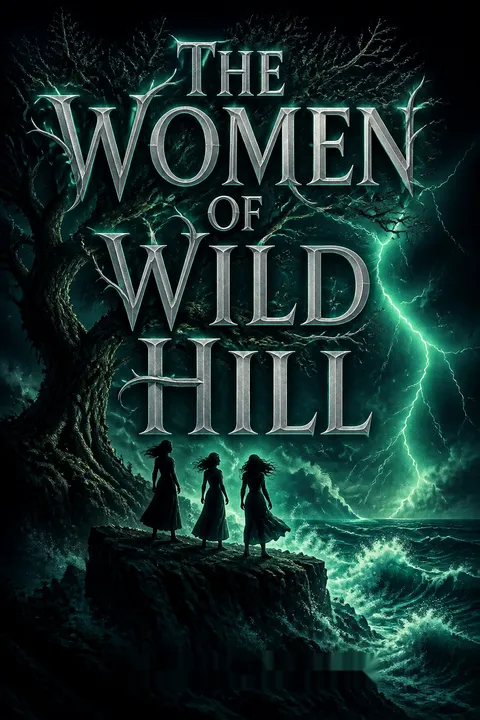
Kirsten Miller's The Women of Wild Hill is a fierce, darkly funny, and deeply moving feminist epic that reimagines the witch as both victim and avenger. Through the saga of the Duncan family, Miller explores the intergenerational trauma and resilience of women who have been persecuted for their power, yet persist in shaping the world from the margins. The novel's central message is that true change requires both sacrifice and solidarity—women must confront their own wounds, forgive each other, and unite against the forces that seek to divide and destroy them. By blending elements of myth, history, and contemporary thriller, Miller crafts a narrative that is both timeless and urgently relevant. The use of poison as a weapon is a powerful metaphor for the subversive ways women have survived and resisted oppression. The story's conclusion, in which the Duncans' revolution sparks a global awakening, is both a cathartic fantasy and a call to arms. In a world still shaped by patriarchal violence, The Women of Wild Hill insists that the future belongs to those who dare to reclaim their power, rewrite the rules, and turn the tide.
Review Summary
People Also Read

Characters
Brigid Duncan (Laguerre)
Brigid is the elder Duncan sister, marked from childhood by her ability to foresee death. This gift isolates her, making her both a passive observer and, eventually, an active punisher of the wicked. Her psychological journey is one of grappling with helplessness, rage, and the moral ambiguity of her power. Brigid's relationships are fraught—she distances herself to avoid pain, yet yearns for connection, especially with her sister Phoebe. Her arc is defined by sacrifice, as she ultimately chooses to risk everything for her family and the greater good. Brigid's development is a meditation on the cost of power and the possibility of redemption through love and solidarity.
Phoebe Duncan
Phoebe, the younger sister, embodies the light to Brigid's darkness. Gifted with the power to heal, she is compassionate, practical, and fiercely protective of those she loves. Her relationship with Brigid is complex—marked by rivalry, misunderstanding, and deep, unspoken love. Phoebe's psychological struggle centers on her desire for normalcy and her resentment of the burdens placed upon her. As a mother to Sibyl, she tries to shield her daughter from the family's legacy, only to realize that true strength lies in embracing one's destiny. Phoebe's journey is one of forgiveness, self-acceptance, and the realization that healing and destruction are two sides of the same coin.
Sibyl Duncan-Fox
Sibyl grows up believing she is ordinary, unaware of her inheritance. Her awakening is both a personal and cosmic event—she discovers the ability to commune with her ancestors, access their knowledge, and ultimately wield the power to "turn the tide." Sibyl's psychological arc is about stepping into her power, overcoming self-doubt, and accepting the weight of her role. Her relationships with her mother and aunt are initially strained but become the foundation of a new sisterhood. Sibyl represents the hope of a new generation—one that learns from the past but is unafraid to forge a new path.
Flora Duncan
Flora is the mother of Brigid and Phoebe, a charismatic and unconventional woman whose choices shape the fate of her family. Her love affair with Calum Geddes is both her greatest joy and her undoing. Flora's suicide is revealed as a deliberate sacrifice, clearing the way for her daughters and granddaughter to fulfill their destiny. Psychologically, Flora is both nurturing and enigmatic, a woman who embraces pleasure but is willing to pay the ultimate price for her family's future. Her presence lingers as a guiding spirit, embodying the theme of maternal sacrifice.
Bessie (The Ghost of Wild Hill)
Bessie's spirit, fused with the land, is the original witch of Wild Hill. Her story of persecution and vengeance sets the tone for the family's legacy. Bessie is both a comfort and a warning—a reminder of the violence women have endured and the power they can wield in response. She guides her descendants, orchestrates key events, and ultimately finds peace only when her mission is complete. Bessie's character is a meditation on justice, memory, and the enduring power of women's stories.
Calum Geddes
Calum is Flora's lover and the father of Liam. His ambition and moral weakness set in motion the events that lead to Flora's death and the sisters' estrangement. Calum is both a victim and an agent of the patriarchal order, embodying the dangers of unchecked male power. His legacy is one of destruction, but also of unintended consequence—his actions ultimately bring about the revolution he sought to prevent.
Liam Geddes
Liam, Calum's son, inherits his father's empire and becomes both a love interest for Brigid and a key player in the Old One's plan. Torn between loyalty to his lineage and his feelings for Brigid, Liam's psychological struggle is one of agency versus destiny. He is both a betrayer and a victim, forced to choose between complicity and resistance. Liam's development is a commentary on the possibility of change within the structures of power.
Ivy Duncan
Ivy, Flora's grandaunt, is a master of plants and poisons. She serves as a mentor to the younger Duncans, teaching them to use their gifts wisely. Ivy's psychological profile is one of discipline, curiosity, and understated strength. Her legacy is the knowledge she passes down, particularly the secret of the deadly mushrooms that become the instrument of revolution.
Lilith Duncan
Lilith, Flora's mother, is outwardly ordinary but secretly a master of chemistry and poison. Her work in developing a deadly toxin is both a scientific achievement and an act of vengeance against the world's evildoers. Lilith's psychological arc is about embracing her power in a world that underestimates her, and her legacy is the weapon that enables her descendants to change the world.
Harriett Osborne
Harriett is a powerful witch from outside the Duncan line, representing the global network of women awakening to their power. She serves as both a mirror and a guide for Brigid, offering wisdom and solidarity. Harriett's presence signals the expansion of the story from a family saga to a worldwide movement, embodying the theme of collective action.
Plot Devices
Matrilineal Inheritance and Prophecy
The narrative is structured around the inheritance of supernatural gifts passed from mother to daughter, with each generation adding new abilities and burdens. The prophecy of The Three—three women destined to change the world—serves as both a source of hope and a source of tension, as characters struggle to understand and fulfill their roles. The use of a mysterious key, ancestral visions, and the guidance of the ghost Bessie are recurring motifs that drive the plot forward and connect past, present, and future.
Duality and Complementarity
The story repeatedly explores the dual nature of the Duncans' gifts—every power has its shadow, every blessing its curse. The sisters' rivalry and eventual reconciliation embody the theme that true strength comes from unity and balance. The narrative structure often pairs chapters or scenes to highlight contrasts and complementarities, reinforcing the idea that revolution requires both destruction and creation.
Foreshadowing and Ancestral Memory
Characters frequently experience prophetic dreams, ancestral visitations, and moments of déjà vu that foreshadow key events. The past is ever-present, with the stories of previous generations shaping the choices of the current one. The use of ancestral memory as both a plot device and a source of wisdom allows the narrative to weave together multiple timelines and perspectives, creating a sense of inevitability and continuity.
Feminist Revenge Fantasy
The central plot device is the use of poison—a traditionally feminine weapon—to enact justice on the world's most powerful men. The narrative structure builds toward a climactic act of collective vengeance, reframing the witch hunt as a revolution. The story employs elements of the thriller and the gothic, using suspense, horror, and dark humor to critique the structures of male dominance and celebrate female agency.
The Gathering and the Club
The climax is orchestrated through the device of a gathering—a party attended by the world's elite, brought together by the machinations of both the Duncans and their adversaries. This setting allows for the convergence of multiple plot threads, the exposure of secrets, and the execution of the final act of revolution. The club of powerful men serves as both a literal and symbolic target, representing the entrenched systems the Duncans are destined to dismantle.
About the Author


Download PDF
Download EPUB
.epub digital book format is ideal for reading ebooks on phones, tablets, and e-readers.








































