
Plot Summary
Escape Into the Wild
Ily and her fellow jewels, battered and traumatized, seize a rare chance to escape Victor's fortress. Led by the wounded but determined Peter, they race across the grounds, pursued by their sadistic Masters. The group's unity is fragile, hope flickering as the reality of their situation—collars, cameras, and the ever-present threat of violence—clashes with the dream of freedom. The wildness of the island mirrors their desperation, and as they plunge into the forest, the bonds of trauma and survival begin to forge new alliances. Yet, the specter of betrayal and the knowledge that not all will make it to safety hangs over every step.
Hunters and Hunted
Henri, once a reluctant Master, is forced into the hunt alongside other predators. The game is rigged, the rules a pretense—capture means death or worse for the jewels. Henri's internal struggle intensifies as he witnesses the depravity of his peers and confronts his own capacity for violence. The line between hunter and hunted blurs, and the island becomes a crucible for both cruelty and reluctant heroism. Henri's obsession with Ily drives him to acts of both protection and brutality, as he realizes that to save her, he may have to become the very monster he despises.
Temple of Facets
The fleeing jewels find temporary refuge in the Temple of Facets, a cavernous, torch-lit chamber that serves as both sanctuary and site of ritualized murder. The altar at its center, stained with the blood of past victims, is a chilling reminder of their likely fate. As secrets are unearthed—skulls in cupboards, jars once filled with organs—the group's hope is tested. Peter's knowledge of the temple's true purpose, and the revelation of the Masters' blood rituals, shatter any illusions of mercy. The jewels splinter, some choosing to risk the sea, others to hide, all haunted by the specter of the Diamond Kiss.
Monsters in the Dark
Henri's journey through the caves is both literal and psychological. Pursued by his own darkness and the depravity of other Masters, he is forced to kill to protect Ily. The act is both a release and a damnation, as he recognizes the monster within. The caves, with their glow worms and labyrinthine passages, become a metaphor for Henri's fractured psyche. Each act of violence distances him from his humanity, yet his love for Ily remains a fragile tether to the light. The line between savior and destroyer grows ever thinner.
Fractured Alliances
As the jewels' numbers dwindle, alliances are tested. The trauma of the caves, the rising tide, and the ever-present threat of discovery push the survivors to their limits. Ily, Rachel, and Mollie struggle to keep Peter alive, their journey through darkness a testament to both resilience and the cost of hope. The group's unity is shattered by fear and exhaustion, yet small acts of kindness and shared suffering forge bonds that may outlast the fortress itself. The promise of escape is both a beacon and a curse, as the reality of their situation becomes ever more dire.
Blood and Betrayal
The outside world offers no safety, as the group is discovered by Masters. Henri, driven by a mix of love and rage, intervenes in a brutal confrontation. The violence is both cathartic and horrifying, as the cost of survival becomes clear. Ily's pain and Henri's descent into savagery mirror each other, their bond forged in blood and betrayal. The aftermath leaves the survivors physically and emotionally scarred, the line between victim and perpetrator increasingly blurred. The fortress, once a symbol of oppression, now beckons as the only hope for survival.
The Altar's Shadow
The survivors' return to Victor's fortress is marked by exhaustion, suspicion, and the ever-present threat of retribution. Henri's claim over Ily, Rachel, and Mollie is both a shield and a prison, as Victor's rules offer only the illusion of safety. The cost of survival is measured in bruises and broken trust, as the group is forced to navigate the treacherous politics of the fortress. The shadow of the altar looms over all, a reminder that freedom is both tantalizingly close and impossibly distant.
The Breaking Point
In the aftermath of violence, Ily and Henri are forced to confront their own pain and the limits of their endurance. Medical care is both a necessity and a battleground, as the scars of trauma—physical and psychological—are laid bare. Drugs offer temporary respite, but also strip away defenses, leading to confessions and moments of raw vulnerability. The language of pain becomes a twisted form of intimacy, as Ily and Henri navigate the boundaries of love, hate, and survival. The fortress becomes both a sanctuary and a crucible, forging bonds that may not survive the next ordeal.
Return to the Fortress
Life in the fortress resumes with new rules and new dangers. Victor's manipulations grow ever more insidious, as he pits Master against jewel, friend against friend. The survivors are forced to play roles—obedient, defiant, broken, or cunning—each mask a means of survival. Henri and Ily's relationship becomes a performance, their true feelings hidden beneath layers of pain and pretense. The war for freedom moves underground, as alliances are forged in kitchens and whispers, and the line between game and reality blurs.
Shattered and Bound
The relationship between Ily and Henri deepens, shaped by shared trauma and the ever-present threat of violence. Their love is both a weapon and a wound, as they navigate the demands of Victor's games and the expectations of their fellow survivors. Pain becomes a language, pleasure a form of rebellion. The cost of survival is measured in scars—physical, emotional, and spiritual—as the group prepares for the next phase of their war. The fortress, once a place of horror, becomes a stage for both suffering and hope.
Laughter in the Dark
Amidst the darkness, moments of laughter and connection offer brief respite. Henri and Ily find solace in each other, their banter and shared secrets a lifeline in a world gone mad. The language of pain is balanced by the language of love, as the group clings to small joys and fleeting moments of normalcy. The war for survival is fought not just with weapons and plans, but with humor, kindness, and the stubborn refusal to let go of hope.
The Language of Pain
The boundaries between pleasure and pain, love and hate, blur as Henri and Ily's relationship evolves. The games they are forced to play become both a means of survival and a source of addiction, as the line between performance and reality fades. The fortress becomes a crucible for transformation, as the survivors are forced to confront their own desires, fears, and the cost of freedom. The language of pain becomes a form of communication, a way to assert agency in a world designed to strip it away.
Twin Flames Ignite
The connection between Ily and Henri deepens into something transcendent and terrifying. Their bond, described as twin flames, is both a source of strength and a harbinger of destruction. The intensity of their love threatens to consume them, even as it offers the only hope of salvation. The war for freedom becomes a war for their souls, as they struggle to balance the demands of survival with the need for connection. The promise of escape is both a beacon and a curse, as the cost of love becomes ever more apparent.
Victor's Games
Victor's control over the fortress tightens, as he manipulates both Masters and jewels with ever more elaborate games. The survivors are forced to navigate a web of alliances, betrayals, and shifting power dynamics. The war for freedom becomes a game of strategy, as each move is countered by Victor's cunning. The cost of rebellion is measured in blood and broken trust, as the group is forced to confront the reality that not all will survive. The fortress becomes both a prison and a battlefield, as the final confrontation looms.
The War Room
The survivors' war for freedom moves underground, as plans are hatched in kitchens and whispers. The group expands its network, recruiting staff and even sympathetic Masters and guards. The line between friend and foe blurs, as trust becomes both a weapon and a liability. The cost of rebellion is measured in risk and sacrifice, as the group prepares for a final, desperate bid for freedom. The fortress, once a place of horror, becomes a crucible for hope and resistance.
The Price of Survival
The cost of survival becomes ever more apparent, as the group is forced to make impossible choices. Sacrifice and guilt weigh heavily, as the line between victim and perpetrator blurs. The war for freedom demands not just courage, but the willingness to do whatever it takes—even if it means becoming the very thing they despise. The fortress becomes both a sanctuary and a prison, as the survivors grapple with the price of hope.
The Gathering Storm
As the date of the planned rebellion approaches, tension mounts within the fortress. Victor's suspicions grow, and the survivors' carefully laid plans are threatened by betrayal and unforeseen complications. The storm of violence and retribution gathers on the horizon, as the cost of hope becomes ever more apparent. The fortress becomes a powder keg, ready to explode at the slightest spark.
The Final Masquerade
Victor's Halloween masquerade becomes the stage for the final confrontation. Masks—literal and figurative—fall away, revealing true intentions and hidden alliances. The survivors' plans are exposed, and the line between game and reality vanishes. The cost of rebellion is paid in blood, as the fortress becomes a battleground for freedom and vengeance. The promise of escape is both a beacon and a curse, as the survivors are forced to confront the reality of their situation.
Descent to the Temple
Victor, having uncovered the rebellion, leads Ily, Henri, Peter, and the remaining Masters and guards into the depths of the fortress. The journey through the dungeons and tunnels is both a literal and psychological descent, as the survivors are stripped of hope and agency. The Temple of Facets, once a place of sanctuary, becomes the site of their final trial. The cost of rebellion is measured in blood and sacrifice, as the survivors are forced to confront the reality of their fate.
The Diamond Kiss
On the altar of the Temple of Facets, Ily is prepared for ritualized murder—the Diamond Kiss. Victor's ultimate game is revealed: to force Henri to kill the woman he loves, to prove that love is a weakness to be eradicated. The survivors' rebellion is crushed, hope extinguished. Yet, in the face of death, love endures. Henri and Ily's bond, forged in pain and defiance, becomes both a weapon and a shield. The story ends on the edge of oblivion, with the promise that the final battle—and the ultimate price—are yet to come.
Analysis
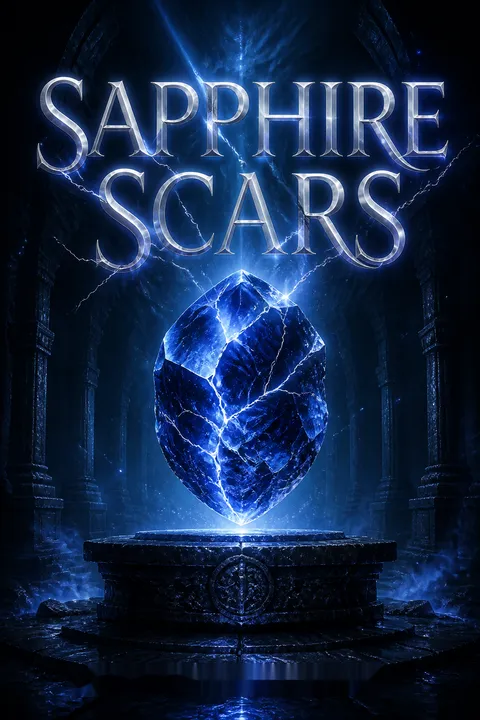
A modern dark romance of trauma, agency, and the cost of hopeSapphire Scars is a harrowing exploration of survival, love, and the psychological cost of captivity. Pepper Winters crafts a narrative that is both brutal and tender, forcing readers to confront the realities of trauma, the complexities of agency, and the power of connection in the face of overwhelming darkness. The story's structure—built around ritualized violence, shifting alliances, and the slow build to rebellion—mirrors the psychological journey of its characters, as they are broken, remade, and forced to choose between hope and despair. The relationship between Ily and Henri, described as twin flames, is both a source of strength and a harbinger of destruction, embodying the story's central tension between love and violence, freedom and captivity. The novel's willingness to dwell in ambiguity—to blur the line between victim and perpetrator, pleasure and pain, love and hate—makes it a challenging but ultimately rewarding read. The lesson is clear: survival is not just about escaping physical captivity, but about reclaiming agency, forging connection, and finding hope even in the darkest of places.
Review Summary
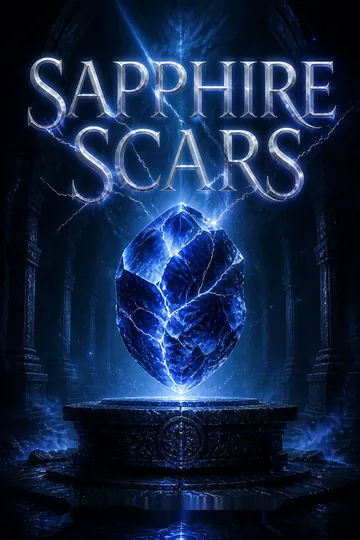
Sapphire Scars is the third installment in Pepper Winters' Jewelry Box series, receiving mostly positive reviews. Readers praise the intense, dark storyline and character development, particularly Henri and Ily's complex relationship. Many found the book emotionally gripping and suspenseful, with vivid writing that immerses readers in the characters' experiences. Some reviewers noted it was darker than previous books, while others felt it was repetitive. The cliffhanger ending left readers eager for the final book. Overall, fans appreciate Winters' ability to craft a compelling, emotionally charged narrative.
People Also Read


Characters
Ilyana "Ily" Sharma
Ily is the emotional and moral center of the story—a jewel whose journey from innocence to hardened survivor is marked by trauma, courage, and an unbreakable will. Her relationships with Peter (soulmate/friend) and Henri (twin flame/lover) define her arc, as she navigates the horrors of captivity and the complexities of love and agency. Ily's psychological resilience is both her greatest strength and her deepest vulnerability; she is able to find hope and connection even in the darkest circumstances, yet the cost of survival is measured in scars—physical, emotional, and spiritual. Her ability to ground herself, to find moments of peace and humor, and to inspire rebellion in others makes her both a leader and a target. Her love for Henri is both a salvation and a curse, as their bond threatens to destroy them both.
Henri Mercer
Henri is a man at war with himself—a Master by circumstance, a monster by inheritance, and a reluctant savior by choice. His relationship with Ily is the axis on which his transformation turns, as love and violence become inseparable. Henri's past is marked by abuse, trauma, and a legacy of darkness; his struggle to reconcile his capacity for brutality with his longing for connection drives much of the narrative's psychological tension. His descent into violence is both a means of survival and a source of self-loathing, yet his willingness to sacrifice himself for Ily and the other jewels reveals a capacity for redemption. Henri's arc is one of self-discovery, as he learns to accept both the light and darkness within him, and to wield his monstrousness as both a weapon and a shield.
Peter "Paavak" Chauhan
Peter is the de facto leader of the jewels—a survivor whose wit, courage, and self-sacrifice make him both a beacon of hope and a tragic figure. His unrequited love for Ily, his friendship with Rachel and Mollie, and his willingness to endure pain for the sake of others define his arc. Peter's psychological complexity is rooted in both trauma and resilience; he is haunted by the deaths he has witnessed and the compromises he has made, yet he remains fiercely protective of those he loves. His relationship with Henri is fraught with rivalry, respect, and the shared burden of loving Ily. Peter's ultimate fate is a testament to the cost of hope and the price of rebellion.
Victor
Victor is the mastermind behind the fortress—a man whose charm, intelligence, and cruelty make him both a compelling villain and a symbol of systemic evil. His manipulation of both Masters and jewels, his penchant for ritualized violence, and his obsession with control define the psychological landscape of the story. Victor's relationship with Henri is particularly complex, as he seeks both to mold and to destroy him, seeing in Henri both a protégé and a threat. Victor's games are both literal and metaphorical, designed to strip his victims of agency and to prove that love is a weakness to be eradicated.
Rachel
Rachel is a jewel whose journey from victim to co-conspirator is marked by both suffering and resilience. As Victor's favorite and the mother of his child, she occupies a precarious position within the fortress, forced to navigate the demands of her captor and the needs of her fellow jewels. Her friendship with Ily and Mollie, her scientific knowledge, and her willingness to risk everything for the sake of rebellion make her a key figure in the war for freedom. Rachel's arc is one of transformation, as she learns to wield her own pain as a weapon and to find hope in the possibility of escape.
Mollie
Mollie is a jewel whose scientific expertise and quiet determination make her the architect of the group's rebellion. Her partnership with Rachel, her friendship with Ily, and her willingness to risk everything for the sake of freedom define her arc. Mollie's psychological complexity is rooted in both trauma and intellect; she is able to compartmentalize her suffering and to focus on the practicalities of survival, yet the cost of rebellion weighs heavily on her. Her role as a planner and a doer makes her both indispensable and vulnerable.
Ben and Stewart
Ben and Stewart are Masters whose initial complicity in Victor's system is gradually replaced by guilt, love, and a desire for redemption. Their relationships with their jewels, Abby and Penelope, become a catalyst for their transformation, as they move from passive participants to active conspirators in the rebellion. Their willingness to risk everything for the sake of love and freedom complicates the moral landscape of the story, blurring the line between victim and perpetrator.
Abby and Penelope
Abby and Penelope are jewels whose relationships with Ben and Stewart offer a glimpse of hope and the possibility of a life beyond the fortress. Their willingness to trust, to love, and to risk everything for the sake of freedom makes them both symbols of resilience and reminders of the cost of survival. Their arcs are marked by both trauma and the possibility of redemption, as they navigate the complexities of love, agency, and the hope for a new beginning.
Faiza
Faiza is a former staff member turned jewel, whose knowledge of the fortress and willingness to risk everything make her the linchpin of the group's rebellion. Her ability to move between worlds—staff and jewel, insider and outsider—makes her both a valuable asset and a target. Faiza's arc is one of transformation, as she learns to wield her own suffering as a weapon and to find hope in the possibility of escape.
The Guards
The guards are both enforcers and prisoners, their complicity in Victor's system rooted in both self-preservation and the hope for eventual freedom. Their willingness to turn against Victor, to hide weapons and aid the rebellion, complicates the moral landscape of the story. Their arcs are marked by both guilt and the possibility of redemption, as they navigate the line between perpetrator and victim.
Plot Devices
Ritualized Violence and Games
The story is structured around a series of ritualized games and ceremonies—Emerald Bruises, the Diamond Kiss, Topaz Torment, and others—that serve both as literal events and as metaphors for the psychological warfare waged within the fortress. These games are used by Victor to assert control, to strip his victims of agency, and to blur the line between performance and reality. The games also serve as crucibles for character development, forcing the survivors to confront their own limits, desires, and the cost of survival.
Dual Perspectives and Psychological Depth
The narrative alternates between Ily and Henri, offering a deep psychological portrait of both victim and perpetrator. This dual perspective allows for a nuanced exploration of trauma, love, and the struggle for agency. The use of internal monologue, confessions, and moments of vulnerability creates a sense of intimacy and immediacy, drawing the reader into the characters' emotional landscapes.
Foreshadowing and Symbolism
The story is rich in foreshadowing and symbolism—light and darkness, jewels and scars, the altar and the maze. The Temple of Facets, the altar, and the various games serve as both literal and metaphorical sites of transformation, where characters are tested, broken, and remade. The motif of twin flames, the language of pain, and the recurring image of the maze all serve to underscore the themes of entrapment, transformation, and the search for freedom.
Rebellion and Underground Resistance
The war for freedom is waged in kitchens, whispers, and hidden rooms. The survivors' rebellion is built on trust, sacrifice, and the willingness to risk everything for the sake of hope. The slow build to revolt, the recruitment of staff and guards, and the careful planning of the final coup create a sense of mounting tension and inevitability. The rebellion is both a literal and psychological battle, as the survivors are forced to confront the cost of hope and the price of survival.
Trauma, Healing, and the Language of Pain
The story explores the complex relationship between pain, pleasure, and healing. The language of pain becomes a means of communication, a way to assert agency in a world designed to strip it away. The survivors' willingness to find moments of joy, humor, and connection amid suffering is both a testament to resilience and a reminder of the cost of survival. The line between victim and perpetrator, love and hate, pleasure and pain, is constantly blurred.
The Jewelry Box Series Series


About the Author
Other books by Pepper Winters



Download PDF
Download EPUB
.epub digital book format is ideal for reading ebooks on phones, tablets, and e-readers.








































