



Plot Summary
A Fork Through Cake
Kenji1 sits alone late at night in the Sanctuary dining tent after Warner4's birthday celebration. Most guests have left, couples pairing off: Lily and Ian, Brendan and Winston, Sonya and Sara, Nouria9 and her wife Sam.10
Kenji1 stares at his uneaten cake, stabbing it repeatedly with his fork until the vanilla sponge collapses into a scarred mess. He feels queasy and angry. His tension has been building for hours because Adam7 and James8 never arrived at the Sanctuary. When Kenji1 raised his concerns, Ian dismissed him, saying Adam7 chose to stay behind and seek immunity.
Winston told him James8 is not his responsibility. Castle5 gave him a pitying look. Even Brendan said to let it go. But Kenji1 cannot let it go. He knows Adam7 would never risk James8's life by staying anywhere near Anderson,6 and something feels profoundly wrong.
Kenji's isolation at the celebration reveals the hidden cost of being the group's emotional buoy. He has built an identity as the funny, easygoing friend, which serves everyone else's comfort but leaves him without space for his own fear or grief. His friends' dismissal of his concerns about Adam and James is not malice but a failure of imagination: they cannot see past his performance to the genuine alarm beneath. The mutilated cake becomes an externalization of his internal state. He is someone who usually devours life, but now he can only destroy what should nourish him.
Where Is Your Heart?
Nazeera2 approaches, prying the fork from Kenji1's hand. She eats cake off his used utensil, then recoils when he points it out. Their shared laughter breaks some tension, but when Nazeera2 asks what is wrong, Kenji1 deflects. She follows him outside, and their conversation turns hostile.
Kenji1 accuses her of being unpredictable, of flying solo with no real allegiances. He tells her she is cruel, condescending, and impossible to trust because she never opens up emotionally. Nazeera2's stony exterior cracks: for one excruciating second, she looks like a wounded child, eyes glittering with unshed tears.
She asks if he thought she was a machine when she kissed him. Kenji,1 exhausted and unfiltered, shouts that he looks at her like he is in love with her, that she is the most beautiful woman he has ever seen, and that nothing between them makes sense. Then he flees into the night.
The confrontation between Kenji and Nazeera dramatizes two opposing trauma responses colliding. Kenji, raised in scarcity and loss, demands emotional transparency as proof of trustworthiness. Nazeera, forged in the supreme commanders' world of surveillance and betrayal, experiences vulnerability as mortal danger. When Kenji calls her a machine, he wounds her not because it is false but because she fears it is true. His confession that he looks at her like he is in love with her is both a weapon and a gift: it strips away pretense but leaves them both exposed to a connection neither knows how to navigate.
Scrap Metal Without Them
Back in his room, Kenji1 sinks to the floor and crumbles. He thinks of his mother, dead for years now, and the grief sideswipes him so violently he cannot catch his breath. He sobs, pressing his fists against his eyes, trying to drive the tears back into his skull.
He remembers how she used to rock him after nightmares, running her fingers through his hair, whispering jokes in his ear. She was the funniest person he ever knew. Now, in the cold dark of his borrowed room at the Sanctuary, he feels like scrap metal: without the people and places he loves, the nuts and bolts holding him together come loose.
Eventually, he pulls himself upright, showers in scalding water, and tries to sleep. But he cannot. He wanders the room at dawn, throwing balled-up socks at the wall, feeling off-balance and physically ill.
Kenji's solitary breakdown illuminates the architecture of his grief. His mother's death left him with an internal void he fills through service, humor, and fierce loyalty to his found family. But these coping mechanisms require constant maintenance, and when exhaustion depletes him, the grief floods back. His metaphor of being scrap metal without the people who hold him together is a precise psychological portrait of attachment-based identity. He does not merely love his people; he is constituted by them. Without them, he feels he ceases to cohere as a self.
Fourteen Hours of Silence
Brendan bangs on Kenji1's door at dawn and leads him to a war room where Castle,5 Nouria,9 Sam,10 and the others are gathered. Juliette3 and Warner4 are conspicuously absent. Castle,5 looking devastated, tells Kenji1 he was right: Anderson6 has taken Adam7 and James8 hostage.
Worse, Nouria9 reveals Anderson6 has custody of all the supreme commanders' children. Sam,10 using her long-distance sight, has confirmed the hostages are being held in Sector 45. Kenji1 erupts when he learns the Sanctuary leaders knew for fourteen hours and said nothing, even during the birthday celebration.
Nouria9 and Sam10 explain they needed to verify Anderson6's planted information before spreading panic. Kenji1 demands Juliette3 be brought in. When Castle5 tells him to calm down, Kenji1 storms out, furious that the leaders are treating Juliette3 like porcelain rather than the warrior she is.
The war room scene exposes a secondary conflict beyond the hostage crisis: the awkward transfer of power between Castle and his daughter Nouria. Castle, once the unquestioned leader of Omega Point, now must defer to Nouria's authority at the Sanctuary. This generational and relational tension complicates every decision. The fourteen-hour delay in sharing critical information is not just tactical caution; it is a statement about who controls the narrative. Kenji's fury registers this political undercurrent even if he cannot fully articulate it. His demand for Juliette's inclusion is a demand for the old order's transparency.
Face Down in the Grass
Kenji1 goes directly to Juliette3 and Warner4's quarters, ringing the doorbell repeatedly at dawn. Warner4 threatens to kill him through the door, but Juliette3 answers, fully dressed and ready. When Kenji1 tells her about the hostages, she follows him immediately. Back in the war room, everyone glares at Kenji1 for disobeying orders.
Juliette3 confronts the group, arguing Warner4 should have been consulted first since James8 is his little brother and he knows Anderson6 better than anyone. Nazeera2 pointedly asks Kenji1 why he did not share his suspicions with her. But before he can answer, his body gives out.
Lingering sedatives from Nazeera2 drugging him on the plane, combined with days without sleep and crushing stress over James,8 finally overwhelm him. He stumbles, crashes onto the grass. Voices swirl around him: the healer twins explaining the drugs must run their course, Nazeera2 arguing with them, Juliette3 defending him. He mumbles that he is fine, that the ceiling looks like spiders, and sinks into darkness.
Kenji's physical collapse is the body's rebellion against prolonged neglect. He has been running on adrenaline, suppressing grief, managing others' emotions, and surviving on no sleep since before the plane crash. Nazeera's sedatives were the catalyst, but the true cause is deeper: his body is finally cashing checks his willpower has been writing for days. The scene also functions as a narrative reset, forcing the other characters to see Kenji not as comic relief but as a fragile human being. Nazeera's guilt, Juliette's defense, and the healers' clinical detachment each represent different modes of care.
A Boot Between His Shoulders
Kenji1 wakes alone in his room at night, starving but feeling clearer. The IV is gone, a fresh bandage wraps his forearm. He decides to shower and scavenge for food. As he pulls his shirt over his head, momentarily blinded by the fabric, his arm collides with a body.
An intruder. He yanks the shirt free, grabs the semiautomatic hidden in his pant leg, but a heavy boot slams between his shoulder blades, knocking him to the floor. The door swings open. Kenji1 seizes his gun and gives chase into the freezing night.
Shirtless, running on fumes, he tracks the figure through suffocating forest darkness. He hurls his gun at the fleeing shadow, hears a surprised intake of breath, and tackles them to the damp grass. When he shifts to see who it is, his mind reels: it is Nazeera,2 her hair loose, eyes wild with terror.
The midnight chase through the forest is a physical manifestation of the emotional pursuit that has defined Kenji and Nazeera's relationship. She runs; he chases. She hides; he demands she show herself. When he tackles her to the ground, the violence of the collision mirrors the violence of their earlier verbal confrontation. But here, in the dark, stripped of uniforms and social scripts (Kenji is literally shirtless), they are finally forced into a rawness that no training can prepare them for. The chase is absurd and terrifying and, in its way, profoundly intimate.
You Were My First Kiss
Still on the forest floor, Kenji1 demands the truth. Nazeera,2 looking more mortified than he has ever seen her, admits she is terrible at showing positive emotion. She was trained for combat, for espionage, for every high-stakes scenario except relationships and intimacy.
Then she confesses: Kenji1 was her first kiss. He is stunned into silence. She says she likes him, a lot, but has spent her life avoiding anything she might be bad at, including emotional vulnerability. When he asks why she chose him that day for her first kiss, her eyes go soft.
She tells him she thinks he might be the best person she has ever met. Kenji1 reaches out tentatively, grazing her cheek with his fingertips. She trembles beneath his touch, closing her eyes. They are suspended in something fragile and new. Then a bloodcurdling scream shatters the night.
Nazeera's confession that Kenji was her first kiss reframes their entire history. Her coldness was not indifference but terror; her unpredictability was not manipulation but inexperience. She is a woman who was taught to kill before she was taught to feel, and her emotional development is stunted accordingly. When she says Kenji might be the best person she has ever met, she is not flattering him; she is naming the quality that terrifies her most: his emotional courage. He feels openly, messily, and without armor. She has never been allowed that freedom.
Emmaline, Please Don't
Kenji1 and Nazeera2 bolt toward the source of the scream, out past the Sanctuary's protection. What they find is apocalyptic. The horizon swings violently, sun and darkness trading places. The earth puckers and cracks, divots forming in midair. Clouds tumble sideways.
Trees bend and flicker. People try to run but collapse, plunged from light into darkness and back again in nauseating pulses. Nazeera2 turns and sprints back toward camp. Kenji1 follows. They find Juliette3 on her knees at the entrance, her hands clamped around her temples, her face a mask of pure agony.
Warner4 crouches beside her, pale and terrified, shouting words Kenji1 cannot hear. Then Juliette3 screams, not outward but inward, an expression of horror and grief. She cries out a single, unmistakable plea: Emmaline,11 please do not do this.
The cliffhanger ending yanks the story from interpersonal drama into cosmic catastrophe. Emmaline's reality-warping power makes literal what the novella has been exploring metaphorically: that trauma fractures the world. Juliette's scream is both plea and recognition. Her sister is not a monster but a wounded child with godlike power, and the distinction collapses under the weight of consequence. The scene also completes Kenji's arc from isolation to connection. He is no longer alone with his fear; he is running toward danger with Nazeera at his side, fully integrated into the collective crisis.
Analysis
Reveal Me is a novella about visibility. Kenji Kishimoto,1 the series' comic relief, steps into the spotlight to reveal what his humor has been concealing: profound loneliness, unresolved grief for his dead mother, and the exhausting emotional labor of being everyone's support while receiving little in return. His mutilated cake at Warner4's birthday party is a small, perfect symbol of a man who can no longer consume what should sustain him. The central romance between Kenji1 and Nazeera2 is structured as a mutual unveiling. Kenji1 drops his easygoing mask to show Nazeera2 his anger, his fear, and his need. Nazeera,2 in turn, dismantles her cold warrior persona to reveal someone who was never taught how to love or be loved. Her confession that Kenji1 was her first kiss is not a trivial detail; it is the key to her entire character. She is a supreme commander's daughter who can turn invisible, fly, and kill without hesitation, but she has no emotional training manual. In a world that forged her into a weapon, Kenji1's emotional rawness is both alien and magnetic. The book also dramatizes a quieter tragedy: the way groups can fail their most outwardly resilient members. Kenji1's friends dismiss his fears about Adam7 and James8 because they are used to him being the one who lightens the mood, not the one who sounds the alarm. When he finally collapses from exhaustion and lingering drugs, it is a body-level truth telling. His immune system, like his psyche, has been depleted by the demands of constant performance. The cliffhanger with Emmaline11 reminds readers that personal dramas unfold against apocalyptic backdrops. Kenji1 and Nazeera2's fragile new connection is immediately tested by a world that is literally breaking apart. The novella argues, gently but firmly, that love in such a world is not a distraction from the fight but a necessary form of sustenance for it.
Review Summary
Reveal Me receives mostly positive reviews, with readers praising Kenji's point of view and his relationship with Nazeera. Many appreciate the character development and emotional depth, particularly Kenji's vulnerability. Some criticize the angst and drama, while others find it fitting. Readers express frustration at Kenji's lack of happiness and hope for a satisfying conclusion to his story. The novella is seen as a good bridge to the final book, refreshing readers' memories and building anticipation. Overall, Kenji remains a fan-favorite character.
People Also Read






Characters
Kenji Kishimoto
The Resistance's Hidden HeartKenji is the emotional center of the resistance, known for his humor, loyalty, and relentless optimism in the face of horror. Beneath the jokes, he carries profound grief for his dead mother and a deep fear of being left behind. His friendships, particularly with Juliette3 and young James8, are the scaffolding of his identity. He struggles with feeling that his emotional needs are invisible to others, who are accustomed to him being the buoy that keeps everyone else afloat. His romantic inexperience and vulnerability around Nazeera2 reveal a young man who has spent so long caring for others that he has forgotten how to be cared for himself. He craves genuine connection but fears being seen as a burden.
Nazeera Ibrahim
The Warrior Unarmed by LoveNazeera is the daughter of the supreme commander of Asia, trained from childhood to be a super soldier. She possesses invisibility, flight, and lethal combat skills, but her emotional education was entirely neglected. She has spent her life avoiding relationships and intimacy because she was never taught how to navigate positive emotions. Her cold, calculating exterior is armor against a world where vulnerability equals death. Her piercing, her leather hood, and her imperious demeanor are all performances of invulnerability. Kenji1 disarms her because he refuses to accept the sterilized version of herself she presents to the world. When she confesses that he was her first kiss, she is admitting to an emotional poverty that her wealth of physical power cannot compensate for.
Juliette Ferrars
The Reluctant RevolutionaryJuliette Ferrars is Kenji1's best friend and the most powerful known mutant, Juliette leads the resistance despite her youth. She is one of the few people who truly sees Kenji1's emotional depth and offers him genuine understanding without judgment. Her relationship with Warner4 complicates her leadership role, and her traumatic connection to her sister Emmaline11 becomes the cliffhanger's focal point. She struggles with recovered memories and the weight of her destructive capabilities.
Aaron Warner Anderson
The Rehabilitated Former VillainFormerly the resistance's most feared enemy, Warner is now Juliette3's devoted partner and a crucial ally. He is James8's older half-brother and understands their monstrous father Anderson6 better than anyone. His possessiveness over Juliette3 creates friction with Kenji1, though a grudging respect underlies their antagonism. His birthday celebration bookends the novella, highlighting his journey from isolated weapon to man with something worth celebrating.
Castle
The Displaced PatriarchFormer leader of Omega Point and Nouria9's father, Castle now occupies an uncertain position at the Sanctuary where his daughter holds authority. He is wise, patient, and paternal toward Kenji1, but his tendency to manage emotions rather than sit with them leaves Kenji1 feeling unheard. He represents the old order of the resistance, one that is being reshaped by new, younger leadership.
Anderson
The Supreme PredatorSupreme commander of North America and father to Warner4, Adam7, and James8. His hostage-taking of the supreme commanders' children drives the plot. His cruelty toward his own sons makes him the embodiment of the Reestablishment's inhumanity.
Adam Kent
The Captive BrotherJames8's older brother and legal guardian. A former soldier who spent his life protecting James8 from their abusive father, Anderson6. His decision to stay behind for immunity now seems tragically naive, and his captivity is the source of Kenji1's deepest anxiety.
James Kent
The Child HostageAdam7's ten-year-old brother, whom Kenji1 loves fiercely. James possesses healing powers and represents the innocence the resistance fights to protect. His captivity by Anderson6 is the emotional core of Kenji1's desperation throughout the novella.
Nouria
The Sanctuary's CommanderNouria is Castle5's daughter and leader of the Sanctuary resistance. She controls light and runs her operation with firm authority, sometimes clashing with her father's more collaborative style. Her decision to withhold information about the hostages for fourteen hours reveals her prioritization of operational security over emotional transparency. She is pragmatic, powerful, and unafraid to assert her authority.
Sam
The Far-SeerSam is Nouria9's wife, whose power to see across vast distances allows her to confirm Anderson6's hostage claims. She is calm, diplomatic, and often softens Nouria9's sharper edges. Her sleepless night of scanning Sector 45 demonstrates her dedication.
Emmaline
The World-BreakerEmmaline is Juliette3's sister, whose reality-warping powers fracture the world in the novella's cliffhanger ending. She is not seen directly but her presence is apocalyptic. Her motives and state of mind remain mysterious, but Juliette3's plea suggests she is acting from pain rather than pure malice.
Plot Devices
Nazeera's Sedative
Lingering drug causes Kenji's collapseAdministered by Nazeera2 to keep Kenji1 unconscious during the escape flight with Anderson6. The drug was dosed higher than standard because Nazeera2 feared he would wake and compromise the mission. Days later, when combined with severe sleep deprivation and extreme emotional stress, the lingering traces in Kenji1's system cause his dramatic physical collapse during the war room meeting. The drug serves as a physical manifestation of Nazeera2's paradoxical care: her methods protect him but also harm him, mirroring her emotional pattern of pushing him away to keep him safe. Its delayed effect also dramatizes how trauma and stress accumulate invisibly before crashing down.
Sam's Long-Distance Sight
Verifies hostage intelligence across continentsSam10 can project her vision across vast distances, allowing her to confirm that Anderson6 is indeed holding the supreme commanders' children in Sector 45. Her power took fourteen hours of focused searching to produce results, and even then she could only find enough evidence to support the claims rather than absolute certainty. This limitation creates tension between the need for swift action and the demand for verified intelligence. Her ability represents the new resources available at the Sanctuary but also the friction they cause with old-guard resistance members accustomed to Castle5's decision-making style.
The Sanctuary
Fortified base with internal politicsNouria9's hidden resistance base, built with canvas exteriors over solid freestanding structures, powered by her light abilities and protected by advanced security. It is cleaner, brighter, and better resourced than Omega Point, stocked with amenities like hot water and individual quarters. However, the Sanctuary also introduces complicated power dynamics: Nouria9 and Sam10 run it on their terms, Castle5 has diminished authority, and the new arrivals must navigate unfamiliar hierarchies. The base's security is apparently penetrable, as Nazeera2's midnight intrusion and the eventual reality-warping catastrophe both demonstrate.
Nazeera's Invisibility
Stealth power and emotional metaphorNazeera2 can turn invisible at will, a power she used during the asylum escape and again when she panics in Kenji1's room. Her invisibility is both a tactical asset and a psychological metaphor for her approach to relationships: she hides when she feels vulnerable, disappears rather than confront emotional complexity. Kenji1 repeatedly demands she show herself, both literally and figuratively, and her gradual willingness to remain visible to him tracks her emotional development. The power's limitation, that it cannot hide her from genuine connection, becomes the novella's central romantic argument.
Anderson's Hostage Trap
Transparent trap that still compels actionAnderson6 deliberately planted information about holding the supreme commanders' children hostage to lure out the rebel groups protecting the survivors. The trap is transparent but effective: even knowing it is likely a setup, the resistance cannot ignore children in danger. This creates the central strategic dilemma of the novella. The fourteen-hour verification delay, the power struggle between Nouria9 and Castle5, and Kenji1's physical collapse all stem from the pressure this trap exerts on the group. It forces the Sanctuary's leaders to weigh operational security against moral obligation.
FAQ
Synopsis & Basic Details
What is Reveal Me about?
- Kenji's internal turmoil: The novella primarily follows Kenji Kishimoto's perspective as he grapples with intense anxiety and fear following a dangerous mission, particularly concerning the unexplained absence of his friends, Adam and James.
- Post-mission tension: Set immediately after the events of Defy Me, the story takes place at the Sanctuary, a seemingly safe haven, but Kenji's inability to relax highlights the lingering trauma and uncertainty faced by the characters.
- Unraveling secrets: Kenji's persistent questioning leads to the shocking revelation that Adam and James, along with other children of supreme commanders, have been taken hostage by Anderson, setting the stage for the next major conflict.
Why should I read Reveal Me?
- Deep dive into Kenji: The novella offers an intimate, first-person look into Kenji's mind, revealing his vulnerabilities, fears, and the emotional weight he carries beneath his usual humorous facade, providing significant character development.
- Explore key relationships: It provides crucial insights and development for the complex dynamic between Kenji and Nazeera, moving their relationship forward in unexpected ways, and also highlights the unique bond between Kenji and Juliette/Ella.
- Bridge to the next book: Reveal Me serves as a vital bridge between Defy Me and Imagine Me, setting up the central conflict involving the captured children and escalating the stakes for the entire group.
What is the background of Reveal Me?
- Immediate aftermath of Defy Me: The story picks up directly after the group's escape from Anderson and the asylum, with the characters seeking refuge at the Sanctuary, a resistance base led by Castle's daughter, Nouria.
- Anderson's continued threat: Despite his apparent defeat and the group's escape, Anderson is revealed to be alive and actively consolidating power by targeting the children of his rivals, demonstrating the ongoing danger they face from the Reestablishment.
- New resistance dynamics: The Sanctuary introduces a new setting and leadership structure under Nouria and Sam, creating tension and differing perspectives on strategy compared to Castle and the Omega Point team.
What are the most memorable quotes in Reveal Me?
- "Where the fuck are Adam and James?": This repeated internal question encapsulates Kenji's central anxiety and determination, highlighting his deep loyalty and foreshadowing the major plot revelation.
- "You clearly have no idea how to work in a group... Which makes you nothing more than a liability.": Kenji's harsh accusation towards Nazeera reveals his frustration with her secretive nature and his need for trust in their dangerous world, marking a low point in their conflict.
- "You were my first kiss.": Nazeera's unexpected confession to Kenji completely reframes her earlier actions and reveals a profound vulnerability, shifting the entire dynamic of their relationship and challenging Kenji's perceptions.
What writing style, narrative choices, and literary techniques does Tahereh Mafi use?
- First-person, stream-of-consciousness: The narrative is told entirely from Kenji's perspective, utilizing his distinct voice, internal monologues, and often chaotic thought processes ("My head is full of noise, blood rushing to my ears").
- Sensory and emotional intensity: Mafi employs vivid descriptions of Kenji's physical and emotional state, using metaphors like "tension gathers in my shoulders, knotting together" or "Anger... closing its hands around my neck" to convey his turmoil.
- Repetition and fragmented sentences: The use of repetition ("over and over and over again," "I don't know. I don't know.") and short, fragmented sentences reflects Kenji's agitated state of mind and the overwhelming nature of his experiences.
Hidden Details & Subtle Connections
What are some minor details that add significant meaning?
- Mutilated cake symbolism: Kenji's initial action of stabbing and disfiguring the cake ("Mutilated") symbolizes his internal distress and inability to partake in the celebration, reflecting his underlying anxiety about Adam and James.
- Sanctuary's deceptive appearance: The description of the Sanctuary as a "fancy campsite" with "whitewashed wooden beams" and "cream-colored canvas shrouding everything" suggests a superficial peace or temporary facade over a potentially unstable reality, hinting at the chaos to come.
- Specific items on the table: The presence of "papers, waterlogged blueprints, a ruler, three pocketknives, and several old cups of coffee" on the war room table paints a picture of hurried, stressed planning and resourcefulness, subtly indicating the pressure the Sanctuary leadership is under even before Kenji is fully informed.
What are some subtle foreshadowing and callbacks?
- Kenji's physical symptoms: Kenji's unexplained physical deterioration – feeling "queasy," "shaking," "freezing," "blurred vision" – subtly foreshadows the twins' later explanation that he is suffering from the lingering effects of the drugs and extreme stress.
- Nazeera's awkwardness and hesitation: Nazeera's initial difficulty communicating and her later statement, "I'm not good at this," foreshadow her confession of emotional inexperience and the true, non-malicious reason for her actions.
- Juliette's unique connection to Emmaline: Juliette's final scream, calling out "Emmaline," is a direct callback to the events of Defy Me and strongly foreshadows Emmaline's direct involvement in the ensuing environmental chaos.
What are some unexpected character connections?
- Kenji and James's deep bond: The twins, Sara and Sonya, reveal the unexpected depth of Kenji's relationship with James, stating, "Kenji loves James. More than most people know... He and James have a special bond," explaining Kenji's intense reaction to his disappearance.
- Warner's empathy through shared trauma: Juliette highlights Warner's unique connection to James's plight, explaining that "if anyone knows what it's like to be ten years old and tortured by Anderson, it's Aaron," suggesting a shared trauma that allows him a specific understanding others lack.
- Nazeera's hidden emotional depth: Nazeera's confession that Kenji was her "first kiss" and her admission of liking him "a lot" reveals a surprising layer of emotional vulnerability beneath her often cold and unpredictable exterior, creating an unexpected connection based on genuine feeling.
Who are the most significant supporting characters?
- Nazeera Ibrahim: Her complex relationship with Kenji, her mysterious actions, and her surprising confession drive a major emotional arc and reveal crucial information about her character and motivations.
- Castle: As a figure of authority and mentor, Castle's interactions with Kenji highlight Kenji's emotional state and the changing dynamics of leadership within the resistance, particularly his conflict with Nouria.
- Sara and Sonya (the twins): Beyond their healing abilities, the twins provide vital medical context for Kenji's physical state and offer key insights into the depth of his bond with James, adding a layer of psychological analysis.
Psychological, Emotional, & Relational Analysis
What are some unspoken motivations of the characters?
- Kenji's fear of abandonment: Kenji's intense worry for Adam and James, and his frustration when others dismiss his fears, is implicitly driven by his past trauma and fear of losing the people he considers family, stemming from the loss of his mother and the instability of his life.
- Nazeera's struggle with vulnerability: Nazeera's unpredictable behavior and initial coldness are unspoken defense mechanisms stemming from her lack of experience with positive emotional connection ("I was never shown how. Never taught how to do it"), making her attempts to show care appear confusing or even hostile.
- Sanctuary leadership's protective instincts: Nouria and Sam's decision to withhold information from Kenji and Juliette, while framed as strategic ("had to be sure," "good for morale"), also carries an unspoken element of trying to shield them from distress, particularly given Juliette's recent trauma and Kenji's known emotional intensity.
What psychological complexities do the characters exhibit?
- Kenji's coping mechanisms: Kenji cycles through humor, denial ("I'm not right. I'm never right"), anger, and emotional collapse ("I crumble under the weight of it") as he processes stress and fear, showcasing a complex response to trauma and uncertainty.
- Nazeera's emotional illiteracy: Nazeera explicitly states her difficulty with "properly reciprocate positive emotion" and her tendency to "avoid doing things I know I'll be bad at," revealing a psychological block rooted in her upbringing that makes genuine connection challenging for her.
- Warner's controlled intensity: Warner's initial furious reaction to Kenji at his door, quickly shifting to concern when he perceives Kenji's distress, demonstrates his tightly controlled emotions and his ability to read situations, highlighting the psychological impact of his own past and his protective nature towards Juliette.
What are the major emotional turning points?
- Kenji's breakdown over James: Kenji's moment of collapse in his room, thinking of his mother and feeling "violently drowned by emotion" over the missing boys, is a critical turning point where his emotional facade crumbles, revealing the depth of his pain and fear.
- The revelation of the hostage situation: Castle's confirmation that Anderson has taken Adam and James hostage shatters Kenji's denial and shifts his emotional state from anxious worry to desperate urgency and renewed determination.
- Nazeera's confession and Kenji's reaction: Nazeera revealing Kenji was her first kiss and admitting her feelings fundamentally alters Kenji's perception of her actions and their relationship, moving him from anger and suspicion to stunned vulnerability and the possibility of connection.
How do relationship dynamics evolve?
- Kenji and Nazeera's volatile bond: Their relationship transforms from one of mutual suspicion and conflict, marked by harsh words and physical confrontation, to a fragile understanding built on Nazeera's unexpected vulnerability and Kenji's stunned acceptance, hinting at a potential romantic future.
- Kenji and Juliette's unwavering support: Juliette's immediate recognition of Kenji's distress and her defense of his character ("If you had any idea what it was like to fight with Kenji by your side, you'd never have thought of him as a liability") reinforces their deep, unconditional friendship and mutual trust.
- Kenji and Castle's strained mentorship: Kenji's outburst and disrespect towards Castle and Nouria highlight the tension between Kenji's emotional reactions and Castle's attempts at leadership, showing the strain on their father-son-like dynamic under pressure.
Interpretation & Debate
Which parts of the story remain ambiguous or open-ended?
- The exact nature of the final chaos: While Juliette screams "Emmaline," the precise mechanism and full extent of the environmental disruption (sky splitting, earth cracking, horizon moving) remain unclear, leaving the immediate consequences and Emmaline's control over her power ambiguous.
- Anderson's ultimate goal: Anderson's motivation for taking the children hostage is stated as wanting "something from us," but the specific demands or larger strategic purpose behind this move are not revealed, leaving his long-term plan open to interpretation.
- The Sanctuary's true security: Despite being described as a refuge, the ease with which Nazeera (and potentially others) can move in and out undetected, culminating in the final chaotic breach, raises questions about the Sanctuary's actual safety and preparedness.
What are some debatable, controversial scenes or moments in Reveal Me?
- Nazeera drugging and kidnapping Kenji: Nazeera's decision to drug Kenji and transport him against his will is highly debatable; while she claims it was "the only way" to save his life and the mission, Kenji argues she should have trusted him and communicated, raising questions about her methods and trust in her allies.
- Kenji's harsh verbal attack on Nazeera: Kenji's cruel words calling Nazeera "cruel and unfeeling," a "machine," and stating she's "not a nice person" are controversial due to their severity and timing, especially given his later regret and Nazeera's hidden vulnerability, sparking debate about whether his reaction was justified by her actions or an overreach fueled by his own stress.
- Nouria and Sam withholding information: The Sanctuary leaders' choice to delay informing Kenji and Juliette about the hostage situation for fourteen hours is controversial; they cite strategic reasons, but Kenji argues it was a betrayal of trust and potentially endangered Adam and James by delaying action.
Reveal Me Ending Explained: How It Ends & What It Means
- Emmaline's power unleashed: The novella ends with a sudden, catastrophic environmental collapse triggered by Juliette's scream of "Emmaline," strongly implying that Emmaline, Juliette's powerful and unstable sister, is the source of the chaos, likely reacting to Anderson's actions or the threat to the children.
- A new, global threat: The surreal and widespread nature of the disruption ("sky is split," "earth beneath us has begun to pucker and crack," "horizon moves") signifies that the conflict has escalated beyond conventional warfare, introducing Emmaline's immense, uncontrollable power as a major, potentially world-altering threat.
- Cliffhanger and shift in focus: The ending serves as a dramatic cliffhanger, immediately shifting the narrative's focus from the hostage situation to the immediate, overwhelming danger posed by Emmaline's power, setting up the central conflict and stakes for the next book, Imagine Me. This Reveal Me ending explained highlights the unpredictable and devastating consequences of Anderson's manipulations.
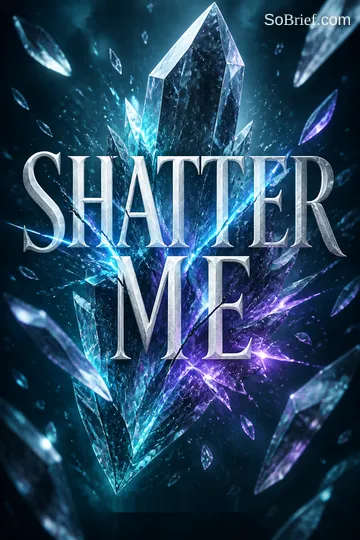
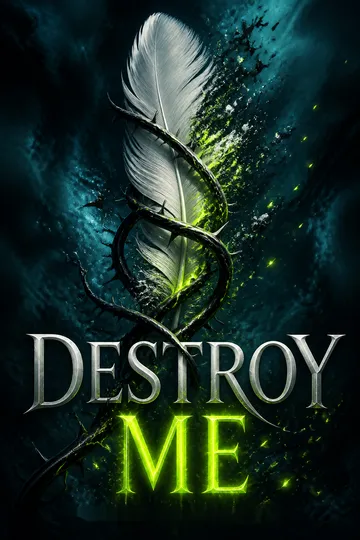
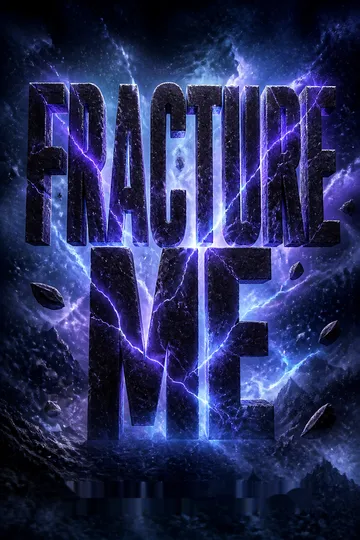
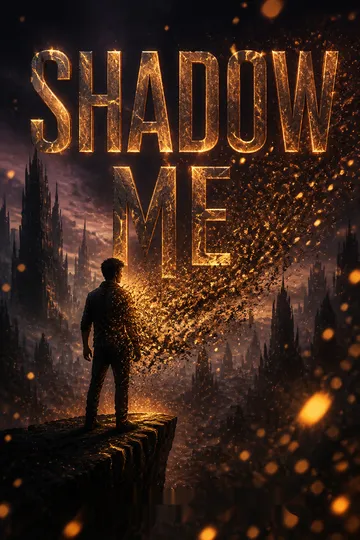
Shatter Me Series



About the Author
Other books by Tahereh Mafi







Download PDF
Download EPUB
.epub digital book format is ideal for reading ebooks on phones, tablets, and e-readers.








































