
Key Takeaways
1. Latino Racial Innocence: A Cloak for Anti-Blackness
However, all the while Afro-Latinos and African Americans suffer from discrimination at the hands of Latinos who claim that their racially mixed cultures immunize them from being racist.
Unveiling complicity. Many Latinos operate under a "racial innocence" cloak, believing their mixed heritage inherently protects them from racism. This pervasive belief, however, masks a significant reality: Latinos can and do perpetuate anti-Black discrimination against both Afro-Latinos and African Americans. This denial hinders a full understanding of U.S. racism, often diverting attention from the complex, interwoven nature of bias beyond the traditional White-Black dynamic.
Beyond White supremacy. While White non-Hispanic supremacy remains a critical issue, the declining White population necessitates a broader examination of anti-Blackness. Latinos, as a multihued and growing ethnic group, are often mistakenly viewed as immune to racism. Yet, their complicity in anti-Blackness powerfully illustrates how people of color can reinforce and sustain racial hierarchies, impacting public policy and anti-discrimination law enforcement.
Ignoring lived experiences. Despite anecdotal claims of harmony, Afro-Latinos and African Americans consistently report experiencing anti-Black bias from Latinos. This denial is often accompanied by references to racial mixture (mestizaje) as a shield against accusations of racism, or by dismissing incidents as mere cultural misunderstandings or inconsequential compared to White non-Hispanic racism. Such dismissals undermine the very real harms inflicted, from workplace discrimination to physical violence, and highlight the urgent need to disrupt this public ignorance.
2. The Deep Roots of Latino Anti-Blackness: Beyond U.S. Borders
Thus, negative attitudes toward Blackness in general and Black Americans in particular develop long before immigrants land in the United States.
Historical legacy. Anti-Black racism is deeply entrenched in Latin America and the Caribbean, a direct legacy of chattel slavery where over 90% of enslaved Africans were brought to these regions. This history established a pervasive racial hierarchy where lighter skin and European features correlate with socioeconomic opportunity, while darker skin and African features severely limit social mobility. This pigmentocracy persists today, with Afro-Latinos often occupying the poorest socioeconomic strata.
Familial indoctrination. The family unit frequently serves as an incubator for anti-Blackness, inflicting deep racial scars on Afro-Latinos. Preferential treatment for lighter-skinned children, negative appraisals of Black facial features and hair texture, and "soft segregation" at family gatherings are common. This familial pressure extends to dating preferences, with a widespread obsession with "adelantando la raza" (improving the race) by marrying lighter partners, a practice rooted in "blanqueamiento" (whitening).
Transnational prejudice. Latino immigrants often arrive in the United States with these ingrained anti-Black attitudes, which are then transmitted to younger generations. Studies show that Latino immigrants can harbor negative racial stereotypes that even exceed those of U.S. native-born Whites, particularly regarding perceptions of African Americans. This transnational nature of anti-Black bias discredits the notion that Latino anti-Black sentiment is solely a product of learning U.S. racial norms.
3. "White" Latino Spaces: Exclusion in Public and Educational Spheres
Latinos learn the Latin American/Caribbean-style racial hierarchy rules in public leisure spaces and schools, the two spheres in which the rules are most intensely indoctrinated outside the home.
Racialized public spaces. Latinos actively construct and police "White" Latino spaces in the U.S., mirroring Latin American and Caribbean racial structures. This is evident in public accommodations like restaurants, country clubs, and stores, where Afro-Latinos and African Americans face exclusion or discriminatory treatment. Often, "race-neutral" reasons are given for denial of service, such as:
- "No tables available"
- "Reservations required"
- "Out of food"
- "We don't work on Black hair here"
Educational environments. Anti-Blackness permeates educational settings, from college campuses to K-12 schools. Afro-Latino college students report significant social exclusion and harassment from other Latinos, who mock their appearance and question their Latino identity. This intragroup conflict is exacerbated by Latino student organizations, which can become sites of harassment.
Teacher and administrator bias. Latino educators and school administrators also contribute to anti-Black environments. Historically, Afro-Puerto Rican bibliophile Arturo Schomburg was told by his teacher that "Black people had no history." Today, Latino teachers have been observed:
- Ostracizing Black students
- Segregating Black students in classrooms
- Disproportionately punishing Black students
- Over-sexualizing Black and Afro-Latino students
These biases, often rooted in racial stereotypes, create hostile learning environments and contribute to the "adultification" of Black children, pushing them towards the school-to-prison pipeline.
4. Workplace Discrimination: Systemic Anti-Blackness in Latino-Dominated Environments
Indeed, the Latino anti-Black discrimination cases that are most frequently resolved in favor of the Black complainant (whether they be Afro-Latino, Afro-Caribbean, African American, or an African immigrant) are cases like Edward’s in which there is clear preferential treatment of Latino employees at the expense of identifiable Black employees who are demeaned, in addition to cases of overt anti-Black racial harassment and intentionally unfavorable treatment.
Overt and subtle bias. Latino anti-Blackness in the workplace manifests through both overt racial harassment and systemic exclusion. Black employees, including Afro-Latinos and African immigrants, face racial slurs, threats, and discriminatory treatment from Latino supervisors and coworkers. This can include:
- Racialized wage structures
- Unfavorable work shifts and hours
- Denial of necessary tools or resources
- Exclusion from promotions or training opportunities
Judicial blind spots. The legal system often struggles to recognize and address Latino anti-Black discrimination. Judges frequently dismiss claims by Afro-Latinos, mistakenly equating a "diverse" Latino staff with an absence of bias, or failing to understand the nuanced racial hierarchies within Latino communities. This judicial incomprehension is particularly acute when Latino judges, who may not have personally experienced anti-Black bias, set an impossibly high threshold for what constitutes "real racism," often demanding evidence of physical violence.
Systemic exclusion. Beyond individual acts, Latino anti-Black bias contributes to structural racism in the labor market. Latino-run job placement agencies have been found to systematically exclude African American applicants in favor of Latinos, based on stereotypes about work ethic. Latino business owners have also implemented blanket policies refusing to hire Black people, openly using racial slurs and enforcing racial exclusivity, even at the expense of their own financial interests. This systemic exclusion reinforces a secondary racial-caste system, particularly in Latino-dominated industries and geographic areas.
5. Housing Segregation: Latino Landlords and Neighbors as Agents of Exclusion
Even more disturbing perhaps is that our national law and many state laws prohibiting racial discrimination in the rental and purchase of housing purposely exempt landlords who are owner-occupiers of small-scale multiple dwelling units (such as a building of four units or fewer).
Informal market discrimination. The "Mrs. Murphy" exception in fair housing laws, which exempts small-scale owner-occupiers from anti-discrimination rules, inadvertently enables widespread bias in the informal housing market. This is particularly problematic in Latino-dominated areas where "Mrs. Moraleses" control access to apartment shares and rentals. Afro-Latinos and African Americans are frequently denied housing after initial phone inquiries, only to be told the unit is "unavailable" upon in-person viewing, a classic sign of racial discrimination.
Active exclusion and harassment. Latino landlords, property managers, and neighbors actively participate in anti-Black housing discrimination. Examples include:
- Charging Black tenants higher rents or security deposits
- Denying access to common facilities like pools or courtyards
- Subjecting Black families to persistent racial slurs and vandalism
- Imposing a "Black Tax" on home sales to Black purchasers
- Explicitly stating a refusal to rent to Black people
Judicial and systemic challenges. Despite blatant acts of discrimination, legal claims are often difficult to pursue due to victims' immediate need for housing and the legal system's blind spots. Juries may accept "Latina shield of immunity" defenses, where landlords claim their mixed-race heritage precludes them from being biased. Fair housing centers, with limited resources, often prioritize White-Black testing, leaving Latino-Black discrimination under-investigated. This perpetuates residential segregation, where Blackness specifically penalizes Latinos in the housing market, regardless of skin color.
6. Physical Violence: The Criminal Justice System's "Brown" vs. Black Dynamic
With that single statement, Ramos encapsulated the perversity of Latino anti-Black violence—the Latino Teflon shield against racism charges while being racist.
Latino white supremacists. The notion of Latino racial innocence is starkly challenged by the presence of Latinos in White supremacist groups and their involvement in anti-Black violence. Individuals like Alex Michael Ramos (Puerto Rican) at Charlottesville and George Zimmerman (Peruvian American) killing Trayvon Martin exemplify this disturbing trend. These Latinos often invoke their "Hispanic" identity as a "Teflon shield" against accusations of racism, even while actively participating in hate crimes.
Prisons and gangs. Within the criminal justice system, Latino prison gangs align with White supremacist groups, enforcing explicit norms of racial segregation and anti-Blackness. The "convict code" indoctrinates Latino inmates against associating with African Americans, dictating rules of racial segregation and violence. Latino street gangs, often affiliated with prison gangs, systematically target African Americans with the explicit goal of "ethnic cleansing" from "Latino spaces," leading to:
- Unprovoked physical attacks on random Black people
- Firebombings of Black residences
- Conspiracies to murder African Americans
- Racial slurs and graffiti at crime scenes
Law enforcement bias. Latino police officers also exhibit anti-Blackness, often acting on stereotypes of Black criminality. Incidents like Brian T. Encinia's violent arrest of Sandra Bland and Jeronimo Yanez's killing of Philando Castile, both Latino officers, highlight this issue. In Puerto Rico, where Latino officers dominate, similar racial aggression and harassment against Afro-Latinos are documented, demonstrating that this bias is not merely an attempt to ingratiate with White non-Hispanic police hierarchies.
7. The Racial Bribe: How Latinos Align with Whiteness to Subordinate Blackness
A “racial bribe is a strategy that invites specific racial or ethnic groups to advance within the existing black-white racial hierarchy by becoming ‘white’ . . . to secure high status for individual group members within existing hierarchies.”
Seeking social status. The concept of a "racial bribe" explains how light-skinned Latinos are incentivized to align with Whiteness, gaining social status by maintaining distance from Blackness. This involves consciously or implicitly rejecting identification with Blackness and exalting Whiteness within Latino communities. This dynamic is evident in the vociferous denial of "White Latino privilege" by many Latinos, who resist acknowledging how their pigment, phenotype, and hair texture afford them societal advantages.
Contested Whiteness. Even Latinos whose claims to Whiteness are "contested" by others may express amplified notions of colorblindness, seeking to legitimate their group membership as White. This "Latino ethnic nationalism" often promotes a color-blind "Latinidad" that overlooks internal racial hierarchies. This allows White Latinos to enjoy their privilege while denying their role in the oppression of Blackness, hindering genuine group solidarity and social justice efforts.
Voting patterns. This alignment with Whiteness can even influence political choices, as seen in some Latinos' support for candidates who overtly express anti-Latino bias. Like working-class White non-Hispanics who vote against their economic interests for racial identity, White-identified Latinos may prioritize an association with White privilege. This complex interplay of race and politics underscores how ignoring Latino racial identity disserves collective Latino political and social justice reform efforts.
8. Census Politics: Obscuring Afro-Latino Identity and Racial Disparities
Collapsing Latino/Hispanic ethnic identity into the list of racial categories with Black in particular risks obscuring the number of Afro-Latinos and the monitoring of socioeconomic status differences of Latinos that exist across race.
Impact on civil rights. The U.S. Census Bureau's categorization of race and ethnicity significantly impacts the implementation of civil rights laws. Proposals to combine "Latino" or "Hispanic" into a single racial category, rather than a separate ethnicity question, risk obscuring the true number of Afro-Latinos and the socioeconomic disparities within the broader Latino community. This is because racial disparities are identified by comparing census counts to representation in various sectors.
Latino cultural flight from Blackness. Latino anti-Black bias, coupled with a cultural tendency to distance from Blackness, already leads to an undercount of Afro-Latinos on census forms. Historically, Latinos prefer to view Blackness as external to their national identities, often displacing it onto other groups. The 2020 census, by listing "African American, Jamaican, Haitian, Nigerian, Ethiopian, Somali, etc." as Black ethnic origins but excluding Latino ethnicity, further discouraged the recognition of Latino Blackness.
Obfuscating White privilege. The 2020 census also saw a significant shift, with many White-identified Latinos moving from selecting "White alone" to "White in combination with other racial categories" or "Some Other Race." This "multiracial" self-identification, often driven by a discomfort with being implicated in racism, effectively obscures White Latino privilege and makes it harder to quantify racial disparities among Latinos. Without racially specific data, employers can claim to "hire Latinos" while systematically rejecting Afro-Latinos, making racism harder to prove and address.
9. Fragile Coalitions: The Challenge of Latino-African American Solidarity
Failing to acknowledge Latino anti-Black bias thus hinders the cross-racial cooperation necessary for unity mapping and the important project of making the Latino vote count.
Undermining solidarity. Despite shared experiences of discrimination, Latino anti-Blackness poses a significant challenge to building robust and lasting coalitions with African American communities. When Latinos experience discrimination from other Latinos, their sense of "linked fate" decreases, leading to less collective belonging and hindering unified political action. This internal conflict is often overlooked by Latino leaders focused on a homogeneous "Latinidad."
Obstacles to political cooperation. In electoral politics, anti-Black bias complicates efforts like "unity mapping," where diverse groups collaborate to design equitable electoral districts. Latino residents have expressed reluctance to be in the same districts as African Americans, driven by anti-Black sentiments. This internal resistance undermines the collective political power of communities of color, especially as the Supreme Court narrows the applicability of the Voting Rights Act.
Moments of alliance. Despite these challenges, productive Latino-African American coalitions have emerged, often in response to social crises. Examples include:
- The Young Lords' alliance with the Black Panthers in the 1960s for community services.
- Latino communities' strong support for Harold Washington's mayoral campaign in Chicago.
- Interethnic advocacy organizations like the Community Coalition in Los Angeles.
- Worker-based coalitions and groups like the Black Alliance for Just Immigration (BAJI).
These efforts, however, remain fragile and underscore the ongoing need to address anti-Blackness within Latino communities for true solidarity to flourish.
10. Dismantling Racism: The Imperative to Confront Latino Anti-Blackness
Educating both lawyers and judges about how Latinos are not only victims of discrimination but also part of the problem of societal discrimination will fortify the ability of law to redress discrimination in an increasingly diverse society.
Beyond individual prejudice. The narratives in this book reveal that Latino anti-Blackness is not merely cultural prejudice but an active collaboration in sustaining structures of racism. When Latinos deny access to opportunities—be it a home, a job, education, or public spaces—based on race, they become part of the problem of racism, regardless of their own experiences as victims of prejudice. This "Latino racial innocence" must be challenged and dismantled.
Educating legal actors. For anti-discrimination law to be effective in an increasingly diverse society, legal actors—lawyers, judges, and juries—must be educated about the specific manifestations and nuances of Latino anti-Black bias. This includes understanding:
- The historical and transnational roots of anti-Blackness in Latin America.
- The distinction between race and ethnicity, and how they intersect.
- The role of phenotype, hair texture, and class in Latino racial hierarchies.
- The "racial bribe" and the pursuit of Whiteness within Latino communities.
A path forward. The successful case of Victor Rivera Sanchez against Sears Roebuck in Puerto Rico, where expert testimony illuminated the company's racial hierarchy, serves as a model. By explicitly educating the judiciary and juries, lawyers can counter the "Latinos can't be prejudiced" defense. Confronting Latino anti-Blackness is not about shaming, but about recognizing complicity as a step towards becoming part of the solution, ensuring that racial equality efforts are truly comprehensive and transformative.
Review Summary
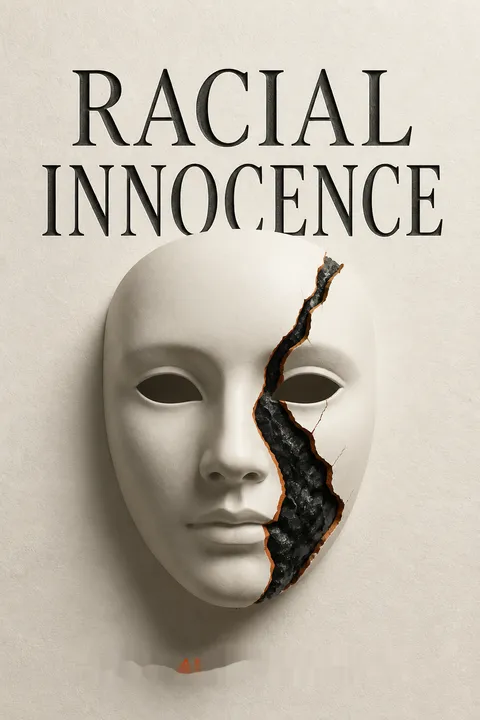
Racial Innocence exposes anti-Black racism within Latino communities, challenging the notion that Latinos cannot be racist. Reviewers praise Hernández's well-researched examination of discrimination in employment, housing, education, and criminal justice, supported by legal cases and statistics. Many readers found the book personally resonant, reflecting on colorism and prejudice within their own families and communities. While some noted its academic, dissertation-like style, most considered it essential reading that reveals how white supremacy operates among people of color and affects Afro-Latinos particularly.
People Also Read






Download PDF
Download EPUB
.epub digital book format is ideal for reading ebooks on phones, tablets, and e-readers.








































