
Plot Summary
Ice, Memory, and Rescue
Gwen's earliest memory is of falling through ice, her sister Mic saving her, and the sense that their bond is unbreakable. Years later, Gwen is again on the edge of death, this time in Neverland, captured and tortured. Her sister's fierce love and the arrival of her "boys"—the Lost Boys—pull her back from the brink. The trauma of her past and present blend, but the message is clear: love and loyalty are her lifelines. The emotional stakes are set, and Gwen's journey is one of survival, sacrifice, and the power of chosen family.
Sisters' Bond, Sisters' Wrath
Gwen's relationship with her sister Mic is the emotional core of her life. When Mic is threatened, Gwen's resolve hardens, and she is transformed from a grieving, uncertain woman into a force of nature. The sisters' reunion is bittersweet, as Mic's health is restored by Neverland's magic, but the cost is high. Gwen's journey is mirrored by Mic's, both women forced to confront their mortality, their past, and the price of love. Their bond is tested by the dangers of Neverland, but it is also the source of their greatest strength.
The Pirate's Bargain
Captain James Hook, once a Lost Boy himself, is both nemesis and lover. His history with Peter Pan is fraught with betrayal and longing. Hook's bargain with Gwen and the Lost Boys is a dance of power, desire, and revenge. He offers aid, but always at a price. The lines between enemy and ally blur as Gwen's feelings for Hook deepen, and the old wounds between Hook and Peter threaten to tear the group apart. The pirate's code is one of survival, but also of unexpected honor.
Tiger Lily's Downfall
Tiger Lily, once a powerful Fae princess, is consumed by jealousy and her own dark magic. She manipulates Peter, tortures Gwen, and seeks to control Neverland through fear. Her downfall is brutal—betrayed by her own, killed by Hook, and her death sends shockwaves through the realms. With her demise, the balance of power in Neverland shifts, but the cost is high. The trauma lingers, and the threat of new enemies looms.
The Lost Boys' Fracture
The aftermath of battle leaves the Lost Boys fractured. Gwen's relationships with Peter, Tripp, Ryder, Eben, and even Hook are tested by jealousy, secrets, and the scars of violence. The boys struggle to accept Gwen's love for more than one of them, and the old rivalries resurface. The pain of almost losing each other forces confessions, forgiveness, and a new understanding of what it means to be family. The emotional wounds are deep, but the bonds are stronger.
The Queen's Awakening
Gwen is no longer just a survivor—she is awakening to her own power. The bone faerie's curse, the Osakren's magic, and the trials of Neverland force her to confront her destiny. She is chosen by the Divine, but the price is steep. Gwen must learn to wield magic, command loyalty, and accept the crown. Her journey is one of self-discovery, as she moves from victim to queen, from lover to leader.
The Bone Faerie's Price
The bone faerie, Peytra, is both guide and tormentor. She offers Gwen the power to save her loved ones, but every gift comes with a price. The Osakren—a relic of death and memory—becomes part of Gwen, marking her as both weapon and target. The faerie's riddles and demands force Gwen to make impossible choices, and the threat of losing herself, or her lovers, hangs over every decision. The lesson is clear: magic is never free, and every bargain has consequences.
The Bastard Prince Arrives
Dorian, the bastard prince of the First Realm, arrives in Neverland, bringing with him an army of darkness and a hunger for power. He is beautiful, cruel, and nearly unstoppable. His magic is ancient, his ambitions cosmic. He seeks the Osakren, and will destroy anyone in his path. The Lost Boys, Gwen, and their allies must unite or be consumed. The battle for Neverland becomes a battle for the fate of all realms.
The Void and the Osakren
Gwen is taken into the void by the bone faerie, where time and space blur. She is stripped of her magic, forced to confront her fears, and trained in the use of the Osakren. The void is both prison and crucible. Gwen's love for her boys, her pain, and her hope become the keys to unlocking her power. She learns that true strength comes from sacrifice, and that the greatest magic is love itself.
The Army from Nothing
With Neverland on the brink, Gwen calls forth an army of the dead—spirits, skeletons, and lost souls—using the Osakren and the magic of her bonds. The living and the dead unite under her banner. The Lost Boys, Hook, and their allies rally to her side. The lesson of the bone faerie is fulfilled: from nothing, Gwen creates hope. The army marches on Black Lake Castle, ready for the final battle.
The Battle for Neverland
The battle is brutal and costly. The dead clash with Dorian's forces, the living fight for their future, and Gwen faces Dorian in a duel of magic and will. The bonds between Gwen and her lovers are tested to the breaking point. Sacrifices are made, and the line between victory and annihilation is razor-thin. The true enemy is not just Dorian, but despair, fear, and the temptation to give up hope.
The Ultimate Sacrifice
In the aftermath, Gwen is forced to make the ultimate sacrifice. The curse of the Inalto demands a life, and rather than let any of her lovers die, Gwen takes her own life on her wedding day. Her death is both an act of love and a final defiance of fate. The pain of loss is overwhelming, but her sacrifice breaks the curse, and the Divine intervenes.
Resurrection and Redemption
Gwen is resurrected by the Divine, her sacrifice having proven her worth. The curse is broken, Kían's spirit is banished, and the bonds of love are restored. The Lost Boys, Hook, and Gwen are reunited, their wounds beginning to heal. The lesson is clear: true love is stronger than death, and redemption is possible for even the most broken souls.
The Wedding of the Lost Boys
The long-awaited wedding takes place. Gwen, crowned Queen of the Lost Boys, marries Peter, Tripp, Ryder, Eben, and James Hook. The ceremony is a celebration of survival, love, and the forging of a new family. The scars of the past remain, but the future is bright. The vows are spoken, the bonds are sealed, and the promise of happily ever after is made.
Happily Ever After
In the aftermath, Neverland begins to heal. The Lost Boys, Gwen, and their allies rebuild, finding joy in the simple pleasures of life. The trauma lingers, but love endures. The message is one of hope: even in a world of magic and danger, happiness is possible. The story ends not with an ending, but with a new beginning.
Letters from Hiraeth
A letter from Mic in the distant realm of Hiraeth reminds Gwen that the adventure is never truly over. The bonds of sisterhood, love, and loyalty stretch across worlds. The future is uncertain, but the promise of more adventures, more challenges, and more love remains. The story closes with the sense that, for the Queen of the Lost Boys, the greatest adventure is still to come.
Analysis
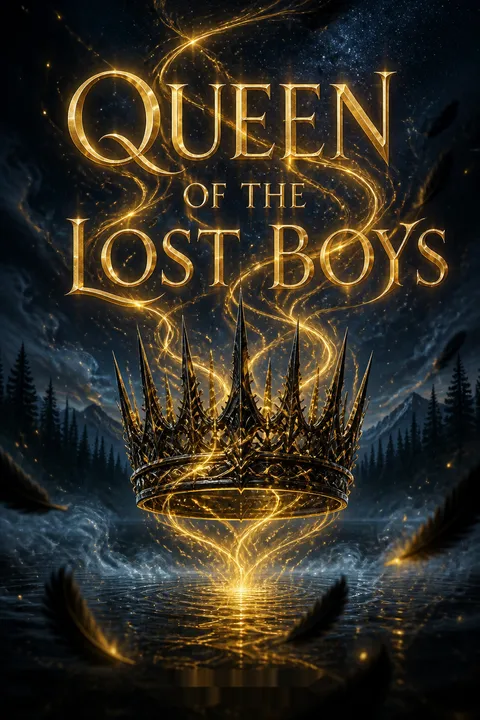
Queen of the Lost Boys is a bold, emotionally charged reimagining of the Peter Pan mythos, blending dark fantasy, erotic romance, and psychological depth. At its core, the novel is about the transformative power of love—romantic, familial, and self-love—and the cost of survival in a world marked by trauma and betrayal. The polyamorous structure challenges traditional notions of romance, offering a vision of chosen family that is messy, plural, and redemptive. The story's use of magic as a metaphor for trauma and healing is both powerful and resonant: every gift comes with a price, every wound is a source of strength, and every sacrifice is a test of character. The narrative's nonlinear structure, rich symbolism, and psychological complexity invite readers to reflect on their own journeys of healing and self-discovery. Ultimately, Queen of the Lost Boys is a story about the courage to love, the necessity of forgiveness, and the hope that, even in the darkest of worlds, happily ever after is possible—not as an ending, but as a new beginning.
Review Summary
Queen of the Lost Boys received mixed reviews. Many readers loved the steamy romance and magical Neverland setting, praising the character development and exciting plot. Some found it a satisfying conclusion to the trilogy. However, others criticized plot holes, rushed pacing, and underdeveloped elements. The spice level was generally well-received, though some felt it overshadowed the story. Overall, opinions varied widely, with some hailing it as a favorite and others finding it disappointing or confusing.
People Also Read
Characters
Gwendolyn "Gwen" Darling
Gwen is the emotional and narrative heart of the story. Haunted by trauma, fiercely loyal to her sister Mic, and drawn into the chaos of Neverland, she is transformed from a grieving, uncertain woman into a powerful queen. Her relationships with the Lost Boys and Hook are complex—she loves deeply, but is never defined by any one man. Gwen's journey is one of self-discovery, sacrifice, and the acceptance of her own power. She is marked by the Osakren, cursed by the bone faerie, and chosen by the Divine. Her greatest strength is her capacity for love, and her willingness to sacrifice everything for those she cares about. Gwen's arc is one of healing, leadership, and the forging of a new family.
Peter Pan
Peter is both the boy who never grew up and a man forced to confront the consequences of his actions. His rivalry with Hook, his love for Gwen, and his struggle to lead the Lost Boys define his arc. Peter is proud, impulsive, and sometimes selfish, but his devotion to his chosen family is unwavering. He is transformed by Gwen's love, forced to grow up and accept responsibility. Peter's journey is one of redemption, as he learns that true leadership is not about power, but about sacrifice and love.
Captain James Hook
Hook is a study in contradictions: once a Lost Boy, now a pirate captain, both enemy and ally. His history with Peter is fraught with betrayal and longing. Hook's love for Gwen is transformative, softening his edges and giving him a reason to hope. He is haunted by his past, but finds redemption in his willingness to fight for Gwen and the Lost Boys. Hook's arc is one of forgiveness, self-acceptance, and the realization that even the most broken souls can find love.
Tripp
Tripp is the calm in the storm, the voice of reason among the Lost Boys. His love for Gwen is quiet but fierce, and he is often the one to hold the group together when things fall apart. Tripp's strength is his reliability—he is always there when needed, willing to sacrifice for the greater good. His journey is one of learning to accept help, to trust in love, and to find his own worth beyond being the caretaker.
Ryder
Ryder is the light in the darkness, always ready with a joke or a smile. But beneath his cheerful exterior is deep pain—guilt over his past, trauma from Dorian's torture, and fear of not being enough. Ryder's arc is one of healing, as he learns to forgive himself, accept love, and reclaim his joy. His relationship with Gwen is both playful and profound, and his survival is a testament to the power of hope.
Eben
Eben is the most tormented of the Lost Boys, haunted by abuse, anger, and a fear of love. His relationship with Gwen is intense, marked by both pain and pleasure. Eben's journey is one of learning to trust, to let go of his self-loathing, and to accept that he is worthy of love. His arc is a powerful exploration of trauma, healing, and the possibility of redemption.
Michaela "Mic" Darling
Mic is Gwen's anchor, the reason she returns to Neverland and the source of her greatest strength. Mic's own journey—from illness to healing, from victim to adventurer—mirrors Gwen's. Her departure to Hiraeth is both a loss and a promise: the bond of sisterhood endures, and the adventure is never truly over.
The Bone Faerie (Peytra)
The bone faerie is both guide and tormentor, offering Gwen power at a terrible price. Her riddles, bargains, and demands force Gwen to confront her own darkness. Peytra's true identity—as a fallen Fae, Dorian's sister, and a victim of cosmic injustice—adds depth to her role. She is both warning and example: magic is never free, and every choice has consequences.
Dorian, the Bastard Prince
Dorian is the ultimate threat: beautiful, cruel, and nearly unstoppable. His magic is ancient, his ambitions cosmic. He seeks the Osakren and the destruction of Neverland. Dorian is both a mirror and a warning—what happens when power is divorced from love, when ambition becomes all-consuming. His defeat is hard-won, and the scars he leaves behind are lasting.
Amara
Amara is the voice of wisdom, the keeper of Neverland's secrets, and Gwen's most trusted advisor. She is both nurturing and demanding, pushing Gwen to accept her destiny while offering comfort and support. Amara's own history is marked by loss and sacrifice, and her guidance is shaped by hard-won experience. She is the embodiment of the Divine's will, and her presence is a reminder that even in a world of chaos, there is order and purpose.
Plot Devices
Nonlinear Narrative and Memory
The narrative structure is nonlinear, blending flashbacks, memories, and present action. Gwen's journey is shaped by her past—her childhood trauma, her bond with Mic, her history with the Lost Boys. The use of memory as both weapon and healing tool is central: the Osakren is a relic of memory, the bone faerie's riddles are lessons from the past, and the characters' growth is measured by their ability to confront and integrate their histories.
Polyamorous Romance and Chosen Family
The central romance is not a traditional love triangle, but a polyamorous web of relationships. Gwen's love for Peter, Hook, Tripp, Ryder, and Eben is both her greatest strength and her greatest vulnerability. The story explores jealousy, forgiveness, and the forging of a chosen family. The bonds between the characters are tested by trauma, betrayal, and the threat of loss, but ultimately endure.
Magic as Metaphor for Trauma and Healing
The Osakren, the bone faerie's curse, and the power struggles of Neverland are all metaphors for trauma, recovery, and the cost of survival. Gwen's journey is one of learning to wield her own power, to accept help, and to heal. The price of magic is always high, and every bargain is a test of character.
Foreshadowing and Prophecy
The story is laced with foreshadowing: the bone faerie's riddles, the prophecies of the Divine, and the recurring motif of sacrifice. The characters are often warned of the price of their choices, but the true meaning is only revealed in hindsight. The tension between fate and free will is a constant undercurrent.
Resurrection and the Power of Sacrifice
The climax hinges on Gwen's willingness to sacrifice herself for her loved ones. Her death and resurrection are both literal and symbolic: the breaking of the curse, the banishing of Kían, and the restoration of hope. The message is clear: true love is stronger than death, and redemption is possible for even the most broken souls.
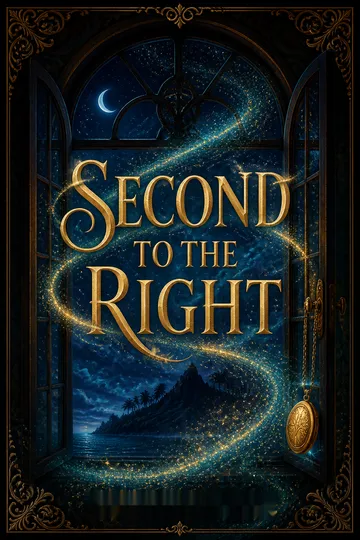
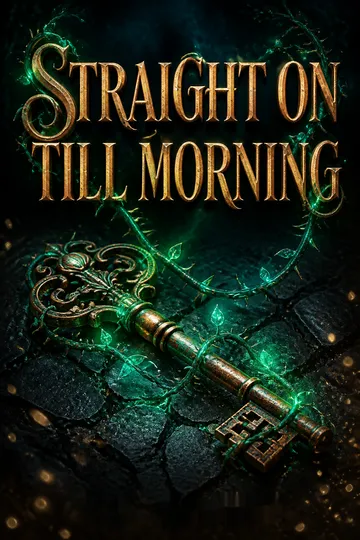
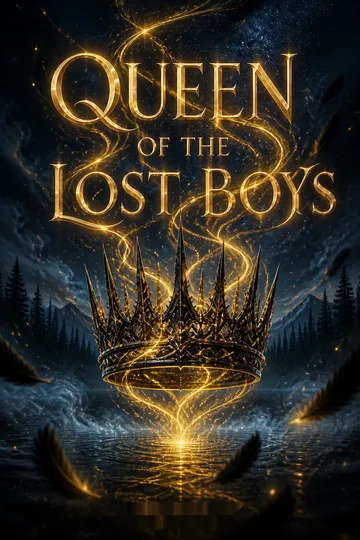
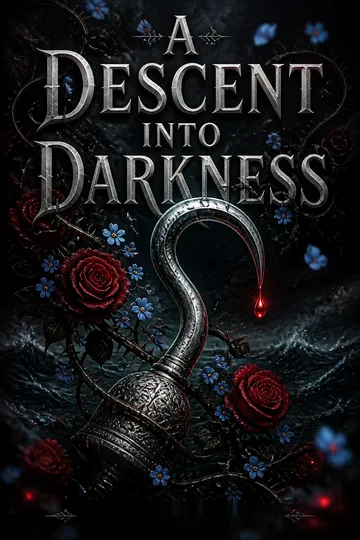
The Neverland Chronicles Series
About the Author
Download PDF
Download EPUB
.epub digital book format is ideal for reading ebooks on phones, tablets, and e-readers.








































