
Plot Summary
Window Open, Worlds Collide
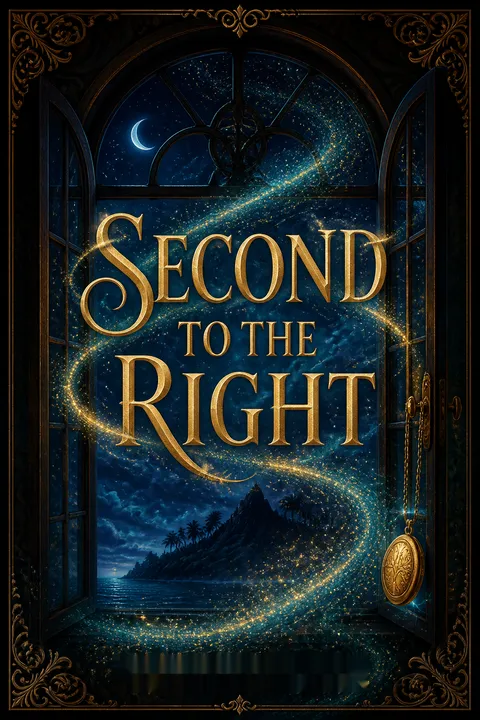
Gwen's life in London is marked by loss and responsibility, caring for her terminally ill sister Michaela. On her eighteenth birthday, a sense of foreboding lingers as she prepares for a night out. Unbeknownst to her, Peter Pan—no longer a boy, but a man changed by time and heartbreak—watches from the shadows, drawn to Gwen as he once was to Wendy. The window, both literal and symbolic, becomes the portal between worlds. When Gwen's world is shattered by betrayal, Peter seizes the moment, entering her life and setting in motion a journey that will test the boundaries between fantasy and reality, innocence and desire.
Birthday Betrayal and Escape
Gwen's birthday celebration with her sister and boyfriend Jamie spirals into disaster. Jamie's infidelity is exposed in a public, humiliating scene, and his aggression leaves Gwen bruised and emotionally devastated. Michaela's gift of a family locket, inscribed with a memento mori, becomes a talisman of both love and loss. Gwen's pain and vulnerability draw Peter to her side, and in her darkest moment, he offers escape—not just from her room, but from her entire world. The open window becomes her passage to Neverland, a place where pain and possibility coexist.
Flight to Neverland
Peter whisks Gwen away, teaching her to fly with faith, trust, and a touch of faerie dust. The journey is both literal and metaphorical, as Gwen leaves behind the weight of her responsibilities and heartbreak. Neverland is vibrant, sensual, and dangerous—a place where time bends and memories blur. Gwen awakens in a meadow, greeted by the jealous faerie Lilleybell and the promise of adventure. The rules of Neverland are different, and Gwen must quickly adapt, discovering that here, desire and danger are never far apart.
Lost Boys, New Desires
Gwen is introduced to Peter's Lost Boys—Tripp, Ryder, and Eben—each with their own scars and secrets. The camaraderie is immediate, but so is the sexual tension. Neverland's magic amplifies emotions, and Gwen finds herself drawn to each of the boys in different ways. The camp in the treetops is a haven of freedom and temptation, where old wounds and new desires intermingle. As Gwen navigates the dynamics of the group, she begins to shed her old self, embracing the possibility of pleasure and connection.
Faerie Jealousy, Old Wounds
Lilleybell's jealousy toward Gwen is palpable, her barbs revealing the deep-seated rivalries and unresolved feelings that linger in Neverland. The faerie's history with Peter and the Lost Boys complicates Gwen's integration into the group. Old wounds—Peter's heartbreak over Wendy, the boys' abandonment, and the faerie's possessiveness—surface, threatening to unravel the fragile bonds forming between Gwen and her new companions. Gwen's own insecurities are triggered, forcing her to confront the shadows of those who came before her.
Lagoon Temptations
A visit to Mermaid Lagoon exposes Gwen to the seductive and perilous beauty of Neverland. The mermaids, alluring yet deadly, mirror the duality of the island itself. The boys' playful rivalry for Gwen's attention escalates, culminating in a game of dares and kisses that blurs the lines between friendship and desire. The lagoon becomes a crucible for Gwen's awakening sexuality, as she navigates the pleasures and perils of intimacy with the Lost Boys, each encounter deepening her connection and complicating her loyalties.
Knives, Trust, and Training
Eben teaches Gwen to wield throwing knives, empowering her to defend herself in a world where danger is ever-present. The training sessions are charged with intimacy and trust, as Gwen learns not only the skills of survival but also the vulnerabilities of her companions. The Lost Boys share their stories of loss and abandonment, revealing the pain that brought them to Neverland. Gwen's own sense of agency grows, as does her understanding of the complex web of relationships that binds the group together.
Pirate Shadows and Peril
The return of Captain Hook and his pirates casts a shadow over Neverland. A reconnaissance mission turns violent, and Gwen is captured, her locket stolen. The encounter with Hook is both terrifying and strangely alluring, as he embodies the seductive danger that pervades the island. Peter's rage and guilt over Gwen's capture expose the depth of his feelings, while the boys' frantic efforts to rescue her reveal the strength—and fragility—of their bonds. The violence of the pirates is a stark reminder that Neverland's beauty is always tinged with peril.
Hook's Seduction, Peter's Pain
Held captive by Hook, Gwen is confronted with truths and lies about Peter, Wendy, and the nature of obsession. Hook's charisma and darkness tempt Gwen, blurring the lines between enemy and lover. Meanwhile, Peter is consumed by grief and fury, his connection to Neverland destabilized by Gwen's absence. The Lost Boys are torn between loyalty and self-preservation, and the island itself seems to mourn. Gwen's choices in captivity—her willingness to embrace pleasure even in danger—mark a turning point in her journey from innocence to self-knowledge.
May Day Revelations
The May Day festival is a celebration of fertility, connection, and the cycles of life and death. Gwen is transformed by the rituals, adorned and worshipped as the Queen of the Lost Boys. The boundaries between love, lust, and loyalty dissolve in a night of ecstatic union, as Gwen and the boys surrender to the magic of the island and each other. Yet beneath the revelry, secrets and betrayals simmer. The festival is both a culmination and a reckoning, as Gwen must confront the consequences of her desires and the limits of Neverland's enchantment.
Tiger Lily's Deception
Tiger Lily's machinations come to light, revealing the political and personal stakes of Gwen's presence in Neverland. The Council's vote, influenced by fear and self-interest, condemns Gwen to exile. Tiger Lily's alliance with Hook and her manipulation of events expose the fragility of trust in a world built on secrets. Gwen's sense of betrayal is compounded by the realization that even those she trusted most are capable of deception. The island's magic, once a source of liberation, becomes a prison.
Across the Veil, Homebound
Gwen is escorted across the Veil by Lucius, a fae prince, leaving Neverland behind. The journey is bittersweet, as memories of her time with Peter and the Lost Boys begin to fade. The acorn necklace and her mother's locket become her only tangible links to the world she is leaving. The pain of separation is acute, but Gwen is determined to reclaim her life and care for Michaela. The return to London is a return to responsibility, but also to agency and choice.
Sister's Truth, Heart's Choice
Gwen's reunion with Michaela is both joyful and heartbreaking. Michaela, wise beyond her years, urges Gwen to pursue her own happiness, even if it means returning to Neverland. The sisters confront the reality of Michaela's illness and the limits of love and sacrifice. Gwen is forced to choose between duty and desire, between the world she knows and the world she longs for. The possibility of return—of unfinished business and unresolved love—lingers, as Gwen contemplates the meaning of home and belonging.
Council's Vote, Peter's Fury
Back in Neverland, Peter is consumed by rage and grief over Gwen's loss. The Council's vote to abandon her reveals the political machinations and personal betrayals that underlie the island's magic. The Lost Boys are divided, their loyalty to Peter tested by fear and self-preservation. Peter's fury threatens to unravel the fabric of Neverland itself, as storms rage and alliances fracture. The question of love—its power to heal or destroy—becomes the central conflict, with no easy answers.
Letters, Loss, and Longing
Gwen writes a letter to Peter and the boys, pouring out her love, anger, and sorrow. The act of writing becomes an act of closure, but also of hope. The memories of Neverland—of ecstasy and betrayal, of love and loss—are both a burden and a gift. Gwen's longing for what was and what might have been is tempered by the knowledge that some stories are never truly finished. The letter is both an ending and a beginning, a bridge between worlds.
To Be Continued
The story ends with the promise of continuation. The window remains open, both literally and metaphorically, as Gwen, Peter, and the Lost Boys are left to grapple with the consequences of their choices. The boundaries between worlds, between love and obsession, between freedom and responsibility, remain porous. The adventure is not over; the next chapter awaits, just beyond the Veil.
Analysis
Modern analysis: Desire, agency, and the cost of escapeSecond to the Right reimagines the Peter Pan mythos as a sensual, psychologically rich exploration of love, loss, and the longing for escape. The novel interrogates the fantasy of Neverland—not as a place of eternal childhood, but as a crucible for adult desire, trauma, and transformation. Gwen's journey is emblematic of the modern struggle to balance selflessness and self-fulfillment, to claim pleasure without abandoning responsibility. The reverse harem structure challenges monogamous norms, offering a vision of love that is abundant, complex, and fraught with risk. The story's use of time distortion and memory loss serves as a cautionary tale about the dangers of escapism and the necessity of facing reality. Ultimately, the novel suggests that true growth comes not from fleeing pain, but from embracing the full spectrum of experience—joy and sorrow, love and loss, freedom and duty. The open window at the story's end is both a promise and a warning: every escape has its price, and every return is a new beginning.
Review Summary
Second to the Right receives mixed reviews, with an average rating of 3.58/5. Some praise its steamy Peter Pan retelling and enjoyable characters, while others criticize poor writing, lack of plot, and underdeveloped world-building. Positive reviews highlight the sexy Lost Boys and Hook, while negative reviews cite issues with grammar, pacing, and character development. Many readers find the protagonist Gwen annoying and the relationships rushed. Despite criticisms, some readers eagerly anticipate the sequel, while others DNF'd or regret reading it.
People Also Read
Characters
Gwen (Gwendolyn Mary Darling Carlisle)
Gwen is a young woman marked by loss, responsibility, and longing. Caring for her terminally ill sister Michaela, she is thrust into adulthood too soon, her sense of self shaped by duty and grief. Gwen's journey to Neverland is both an escape and an awakening, as she confronts her desires, fears, and the possibility of pleasure. Her relationships with Peter and the Lost Boys are transformative, challenging her notions of love, loyalty, and agency. Gwen's psychological arc is one of self-discovery—learning to balance selflessness with self-fulfillment, and to claim her own story even as she is swept up in the stories of others.
Peter Pan
Peter is no longer the eternal boy; he is a man scarred by loss and the passage of time. His refusal to grow up has become a curse, and his connection to Neverland is both a source of power and vulnerability. Peter's obsession with Wendy—and by extension, Gwen—reveals his fear of abandonment and his longing for love that endures. His leadership of the Lost Boys is marked by both charisma and insecurity, and his relationship with Gwen is fraught with desire, jealousy, and the shadow of past betrayals. Peter's psychological struggle is between freedom and attachment, between the need to protect and the fear of being left behind.
Michaela
Michaela is Gwen's older sister, her anchor and conscience. Battling terminal illness, Michaela embodies both fragility and strength. Her gift of the family locket is a symbol of love, mortality, and the importance of living fully. Michaela's acceptance of her fate and her encouragement for Gwen to pursue happiness reveal a selflessness that contrasts with Gwen's guilt and longing. Michaela's presence grounds the story in reality, reminding Gwen—and the reader—of the costs and responsibilities of love.
Tripp
Tripp is the Lost Boy who offers stability and care. His past is marked by abandonment and a longing for belonging, which he finds in Neverland and in his devotion to Gwen. Tripp's chivalry and emotional intelligence make him both a lover and a confidant. His struggle is to reconcile his need for connection with his fear of loss, and to support Gwen's agency even as he desires her for himself.
Ryder
Ryder is the charming, flirtatious Lost Boy whose humor and bravado conceal deeper wounds. His dyslexia and family disappointment drive him to seek validation through pleasure and performance. Ryder's relationship with Gwen is marked by both levity and genuine affection, and his willingness to share her with the others reveals a capacity for generosity and self-awareness. Ryder's arc is one of learning to value himself beyond his ability to entertain or seduce.
Eben
Eben is the dark, enigmatic Lost Boy whose aloofness masks intense emotion. His tattoos and piercings are both armor and invitation, signaling a past of pain and rebellion. Eben's connection to Gwen is charged with sexual tension and mutual recognition of brokenness. His struggle to balance loyalty to Peter, desire for Gwen, and his own sense of worth drives much of the story's conflict. Eben's arc is about learning to trust and to risk vulnerability.
Lilleybell (Lill)
Lilleybell is the faerie whose possessiveness and spite catalyze much of the story's drama. Her single-minded emotions and history with Peter and the Lost Boys make her both a rival and a cautionary figure. Lill's actions are driven by fear of abandonment and a desperate need for validation. Her transformation from antagonist to tragic figure reveals the costs of jealousy and the limits of magic to heal emotional wounds.
Captain James Hook
Hook is the embodiment of Neverland's dark allure. Handsome, dangerous, and cunning, he is both enemy and lover, tempting Gwen with the promise of freedom and pleasure. Hook's own obsessions and wounds mirror Peter's, and his relationship with Gwen is a dance of power, seduction, and mutual recognition. Hook's psychological complexity lies in his ability to both harm and heal, to offer escape and to demand surrender.
Tiger Lily
Tiger Lily is the Fae princess whose loyalty to her people and to Neverland drives her to betray Gwen and Peter. Her actions are motivated by a belief in the greater good, but also by personal ambition and unresolved feelings for Peter. Tiger Lily's arc is one of power and sacrifice, revealing the costs of leadership and the dangers of placing duty above empathy.
Lucius
Lucius, the fae prince who escorts Gwen across the Veil, is a figure of both irritation and unexpected compassion. His brusque manner conceals a longing for connection, and his fascination with Michaela hints at stories yet to be told. Lucius represents the possibility of new beginnings and the complexity of love in a world where nothing is as it seems.
Plot Devices
Portal Fantasy and the Open Window
The open window is the central plot device, serving as the literal and metaphorical threshold between worlds. It represents possibility, danger, and the choice to leave or return. The portal fantasy structure allows for the exploration of identity, desire, and the costs of escape. The window's openness is both invitation and warning, a reminder that every journey has consequences.
Reverse Harem and Polyamory
The reverse harem structure is used to explore themes of agency, pleasure, and the complexity of love. Gwen's relationships with Peter and the Lost Boys challenge traditional notions of fidelity and possession, allowing for a nuanced exploration of jealousy, trust, and the possibility of loving more than one person. The polyamorous dynamic is both a source of ecstasy and conflict, revealing the limits and possibilities of connection.
Time Distortion and Memory Loss
Time in Neverland moves differently, and memories of the outside world fade the longer one stays. This device heightens the stakes of Gwen's journey, forcing her to choose between the pleasures of the present and the responsibilities of the past. The fading of memory is both a blessing and a curse, a metaphor for the seductive danger of escapism.
Ritual and Transformation
Rituals—spring cleaning, May Day, and the various rites of passage—structure the narrative and mark moments of transformation. These rituals are both celebrations and reckonings, forcing characters to confront the cycles of life, death, and desire. The rituals serve as catalysts for change, both personal and communal.
Letters and Tokens
Physical tokens—the locket, the acorn necklace, the thimble—anchor the characters' emotional journeys and serve as reminders of love, loss, and the passage of time. Letters, both written and unwritten, become acts of closure and hope, bridging the gap between worlds and hearts.
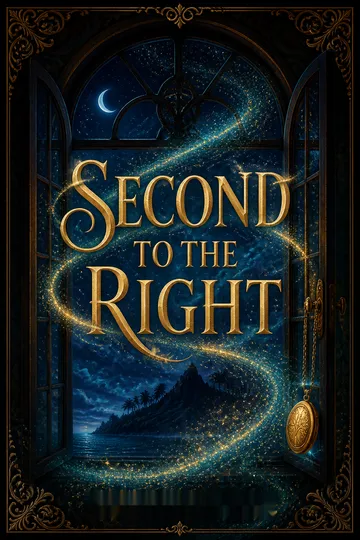
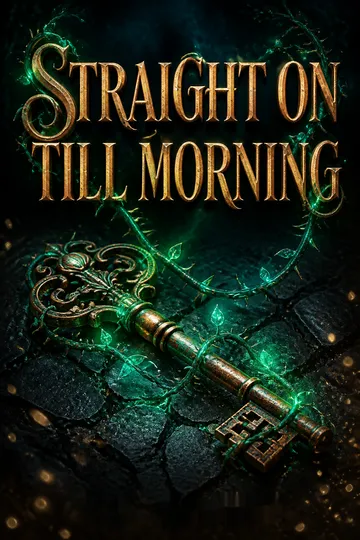
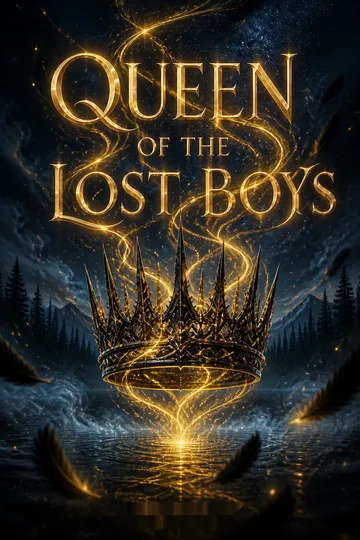
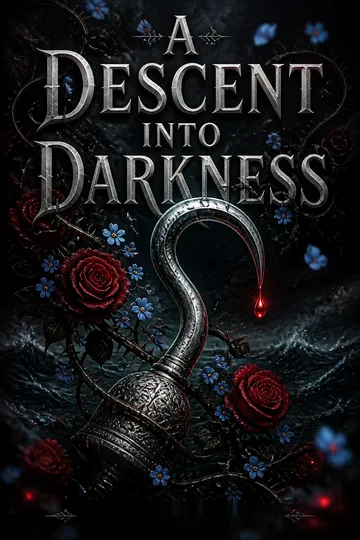
The Neverland Chronicles Series
About the Author
Download PDF
Download EPUB
.epub digital book format is ideal for reading ebooks on phones, tablets, and e-readers.








































