
Plot Summary
Haunted Beginnings in Paris
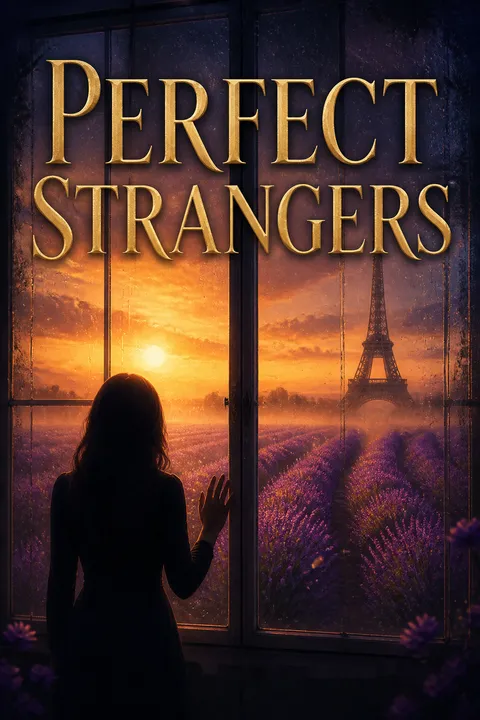
Olivia, a writer shattered by loss, arrives in Paris to escape the ghosts of her past. She's haunted by the death of her daughter and the collapse of her marriage, seeking solace in the borrowed apartment of her agent, Estelle. The city's beauty is a cruel contrast to her inner emptiness. Olivia's days are filled with bourbon, insomnia, and the relentless ache of memory. She's surrounded by reminders of love and life, yet feels like a stranger among the living, her heart encased in ice, her mind circling the pain she cannot outrun.
The Exhibitionist Neighbors
Olivia's isolation is pierced by the uninhibited passion of her neighbors, Gigi and Gaspard, whose lovemaking is visible and audible from her window. Their raw, unapologetic sexuality stirs something dormant within her, igniting both envy and arousal. For the first time in years, Olivia feels a flicker of desire, a reminder that she is still alive beneath her grief. The neighbors' exhibitionism becomes a strange form of inspiration, both tormenting and awakening her, setting the stage for her own reawakening.
Electric Encounters
At a Parisian café, Olivia's world tilts when she locks eyes with James, a devastatingly handsome artist. Their banter is charged, his gaze disarming, and Olivia is both drawn to and wary of his intensity. James's interest is immediate and unfiltered, and he asks to draw her, seeing something "haunted" in her eyes. Olivia's defenses are up, but the connection is undeniable—a jolt of electricity that shakes her from her emotional numbness and hints at the possibility of something more.
Portraits of Grief
Olivia attends a party in her building, only to discover James is the guest of honor, celebrated for his collection "Perspectives of Grief." His portraits capture the raw agony of loss, reflecting Olivia's own suffering. The recognition between them is profound—two souls marked by tragedy, drawn together by a shared understanding of pain. Olivia agrees to sit for James, not just as a model, but as a fellow traveler through the dark corridors of grief, their connection deepening with every glance.
Rules of Engagement
Olivia and James negotiate the terms of their relationship: no personal questions, no strings, just pleasure and presence. Their chemistry is explosive, and their encounters are both playful and intense. They explore each other's desires, pushing boundaries and discovering new facets of themselves. Yet beneath the surface, vulnerability simmers—each is afraid of being seen, of being hurt, of what might happen if they let go of control. The rules are meant to protect, but also to contain the wildfire between them.
Dinner and Disclosure
Over a candlelit dinner, Olivia and James's banter gives way to deeper confessions. The conversation turns to grief, loneliness, and the scars they both carry. Olivia is overwhelmed by the tenderness James offers, and the way he sees through her defenses. Their physical connection becomes a conduit for healing, but also exposes the rawness beneath. The night ends in passion, but also in tears—proof that feeling, even when it hurts, is better than numbness.
The Art of Desire
Their affair intensifies, blending erotic exploration with emotional risk. James's dominant streak awakens Olivia's long-suppressed desires, and she finds liberation in surrendering control. Their lovemaking is both a balm and a crucible, burning away shame and fear. Through touch, words, and trust, Olivia begins to reclaim her body and her sense of self. The boundaries between pain and pleasure, past and present, blur as they lose themselves in each other.
Boundaries and Surrender
As Olivia and James grow closer, the rules they set begin to fray. Vulnerability seeps in through laughter, arguments, and moments of quiet understanding. Olivia's creativity returns, her writing flowing for the first time in years. Yet shadows remain—James is evasive about his past, and Olivia senses he is hiding something. Their intimacy is both a refuge and a risk, as each wonders how much of themselves they can safely reveal.
Breaking and Healing
Olivia's ex-husband, Chris, reappears, bringing with him reminders of old wounds and unresolved guilt. His presence stirs up memories of their daughter's death and the unraveling of their marriage. Olivia is forced to confront the ways she has tried to outrun her pain, and the limits of her own forgiveness. The collision of past and present threatens the fragile peace she has found with James, forcing her to choose between retreat and courage.
Inspiration and Distraction
Despite the turmoil, Olivia's writing flourishes, fueled by her affair with James and the emotional risks she is taking. She finds inspiration in the city, in her neighbors, and in the messy, beautiful process of living again. Her friendships deepen, and she begins to imagine a future beyond grief. Yet the specter of loss remains, a reminder that happiness is always shadowed by the possibility of pain.
Secrets and Shadows
The truth about James's past comes to light: he is not just an artist, but a contract killer with a code. His art is both penance and confession, and his connection to Olivia is more complicated than she realized. The revelation is both a shock and a strange relief—finally, the shadows that have haunted their relationship are named. Olivia must decide whether to accept James as he is, or to walk away from the only person who has made her feel alive in years.
The Past Returns
Chris's secrets are revealed: he is involved in arms dealing, and the death of their daughter was collateral damage in a world of violence and betrayal. Olivia is caught between two men shaped by darkness, each offering a different kind of salvation and damnation. The lines between victim and perpetrator, love and hate, blur as Olivia confronts the truth about her past and the choices that brought her here.
Unraveling Truths
Olivia is swept into a world of danger as James's enemies close in. Violence erupts, and she is forced to confront the reality of the man she loves. The quest for vengeance becomes a crucible, burning away illusions and forcing Olivia to face the darkest parts of herself. In the end, justice is served, but at a cost—innocence is lost, and the possibility of redemption hangs in the balance.
The Assassin's Confession
In the aftermath, James confesses the full truth of his life and his love for Olivia. Their bond is forged in fire, tempered by honesty and acceptance. Olivia must decide whether to embrace the darkness that comes with loving James, or to retreat into the safety of solitude. The choice is both terrifying and exhilarating—a leap of faith into the unknown.
Vengeance and Forgiveness
With vengeance achieved, Olivia is left to grapple with forgiveness—of herself, of Chris, of the world that took her daughter. The lavender fields of Provence become a symbol of healing and rebirth, a place where pain and beauty coexist. Olivia learns that forgiveness is not forgetting, but choosing to live despite the scars. Love, in all its messiness, becomes her path forward.
The Lavender Fields
Olivia and James find peace in the lavender fields, building a life together marked by passion, creativity, and the promise of new beginnings. The past is not erased, but transformed—a source of strength rather than sorrow. The fields become a sanctuary, a place where love endures beyond loss, and where hope is possible even after devastation.
The Final Illusion
The narrative fractures as Olivia awakens in a psychiatric hospital, paralyzed and diagnosed with ALS. The entire Parisian affair, her romance with James, and her journey of healing are revealed to be the product of a psychotic break—a beautiful, elaborate hallucination constructed by a mind desperate for escape. The truth is devastating: her daughter's death was an accident, her marriage is over, and her body is failing.
Awakening and Acceptance
In the aftermath of her awakening, Olivia must come to terms with the loss of her imagined world and the reality of her condition. With the support of friends and caregivers, she begins to write her story, transforming pain into art. The boundaries between reality and fantasy blur, but Olivia finds solace in the act of creation, in the love she imagined, and in the hope that even in suffering, beauty and meaning can be found.
Analysis
Perfect Strangers is a masterful exploration of grief, desire, and the fragile boundaries between reality and fantasy. Through Olivia's journey, the novel interrogates the ways we cope with unbearable loss—retreating into imagination, seeking solace in art, and risking everything for the hope of connection. The eroticism is not gratuitous, but integral: it is through pleasure and vulnerability that Olivia reclaims her agency and begins to heal. The novel's structure—layered, recursive, and ultimately destabilizing—mirrors the psychological experience of trauma and recovery. The final reveal, that Olivia's Parisian affair was a hallucination born of psychosis and terminal illness, is both devastating and redemptive: it reframes the entire narrative as an act of survival, a testament to the mind's power to create meaning in the face of annihilation. The book's ultimate message is one of compassion—for ourselves, for the stories we tell to endure, and for the possibility of beauty even in suffering. In a world where pain is inevitable, Perfect Strangers insists that love, in all its forms, is the only true salvation.
Review Summary
Perfect Strangers received mixed reviews, with many praising its unexpected plot twists and steamy romance. Some readers felt cheated by the multiple surprises, while others appreciated the author's creativity. The story follows Olivia, a writer in Paris, and James, an artist, as they begin a passionate affair. Many reviewers were shocked by the ending, which drastically changed their perception of the entire book. Despite the divisive reactions, most agreed that the writing was strong and the story was unpredictable, making it a memorable read for both fans and critics.
People Also Read






Characters
Olivia Rossi
Olivia is a woman hollowed by loss—the death of her young daughter and the collapse of her marriage have left her emotionally numb and creatively blocked. She is introspective, self-deprecating, and fiercely intelligent, with a biting sense of humor that masks her vulnerability. Olivia's journey is one of reawakening: through desire, art, and risk, she learns to feel again. Her relationships—with James, her friends, and her own past—force her to confront the depths of her pain and the possibility of healing. Psychologically, Olivia is marked by survivor's guilt, self-blame, and a desperate longing for connection. Her development is a slow, painful emergence from the cocoon of grief into the messy, unpredictable world of the living. Ultimately, she is both the architect and the prisoner of her own illusions, her story a testament to the power of imagination and the resilience of the human spirit.
James Blackwood
James is the embodiment of contradiction: a man of beauty and violence, tenderness and danger. Outwardly, he is a charismatic, talented artist whose portraits capture the rawness of human grief. Beneath the surface, he is a contract killer haunted by his own losses and the moral ambiguity of his work. James is drawn to Olivia's pain, recognizing in her a kindred spirit. His dominant, protective nature is both a source of comfort and a challenge, forcing Olivia to confront her own desires and fears. Psychologically, James is marked by guilt, loneliness, and a yearning for redemption. His development is shaped by his willingness to be seen, to risk vulnerability, and to seek forgiveness. In the end, he is both savior and destroyer, a symbol of the darkness that can coexist with love.
Chris Ridgewell
Chris is Olivia's ex-husband, a man whose ambition and secrets have devastating consequences. Outwardly successful and composed, he is inwardly fractured by guilt and regret. His involvement in arms dealing and the circumstances surrounding their daughter's death reveal a capacity for moral compromise and self-deception. Chris's relationship with Olivia is marked by distance, misunderstanding, and unresolved pain. Psychologically, he is driven by a need for control and a fear of vulnerability. His development is a cautionary tale about the costs of ambition and the dangers of emotional isolation.
Estelle
Estelle is Olivia's literary agent and confidante, a woman of sharp wit, fierce loyalty, and unyielding support. She is both mentor and taskmaster, pushing Olivia to confront her demons and reclaim her voice. Estelle's own eccentricities and resilience serve as a model for survival, and her relationship with Olivia is a source of grounding and reality. Psychologically, Estelle is pragmatic, compassionate, and unafraid to speak hard truths. She represents the possibility of connection and the importance of chosen family.
Kelly
Kelly is Olivia's irreverent, loving friend, a source of humor and perspective amid chaos. She is the voice of reason and the keeper of Olivia's secrets, offering both tough love and unconditional support. Kelly's own struggles with marriage and motherhood mirror Olivia's, creating a bond of empathy and shared experience. Psychologically, Kelly is resilient, adaptable, and fiercely protective. Her presence is a reminder that friendship can be a lifeline in the darkest times.
Gigi
Gigi is the uninhibited, passionate neighbor whose public displays of sexuality awaken Olivia's dormant desires. She is a symbol of life's rawness, a reminder that pleasure and pain are intertwined. Gigi's exuberance and lack of shame challenge Olivia's inhibitions and serve as a catalyst for her own exploration. Psychologically, Gigi is unapologetic, present, and unafraid of judgment. She represents the possibility of joy even in the face of suffering.
Gaspard
Gaspard is Gigi's lover, a figure of strength and sensuality. His presence is less about individual character and more about the dynamic he creates with Gigi—a living tableau of desire that both torments and inspires Olivia. Psychologically, Gaspard is confident, physical, and attuned to pleasure. He is a reminder of the body's capacity for both pain and ecstasy.
Edmond Chevalier
Edmond is the eccentric, charming building manager who introduces Olivia to the world of her Parisian neighbors. He is a storyteller, a survivor, and a source of unexpected wisdom. Edmond's own colorful past and resilience mirror the themes of the novel, and his encouragement helps Olivia reconnect with her creativity. Psychologically, Edmond is adaptable, humorous, and unafraid of life's messiness. He represents the importance of community and the value of shared experience.
Maria
Maria is the no-nonsense, fiercely competent caregiver who tends to Olivia in her illness. She is both protector and advocate, offering practical support and emotional grounding. Maria's presence is a reminder that dignity and kindness can exist even in the most difficult circumstances. Psychologically, Maria is resilient, nurturing, and unafraid to challenge those who fail to care for others. She represents the possibility of grace amid suffering.
Dr. Edmond (Psychiatrist)
In the psychiatric hospital, Dr. Edmond is Olivia's psychiatrist, a figure of authority and compassion. He helps Olivia navigate the boundaries between reality and fantasy, offering both clinical insight and human empathy. Dr. Edmond's role is to ground Olivia, to help her find meaning in her suffering, and to encourage her to transform pain into art. Psychologically, he is patient, wise, and committed to healing. He represents the possibility of recovery and the importance of facing the truth.
Plot Devices
Unreliable Narration and Reality Shifts
The novel employs an unreliable narrator, immersing readers in Olivia's subjective experience and gradually revealing that much of what she perceives is a hallucination. The narrative structure is layered, with reality and fantasy interwoven until the final, devastating reveal. Foreshadowing is used throughout—references to mental health, hints of unreality, and the recurrence of sensory triggers (especially scent) prepare the reader for the twist. The use of art, writing, and storytelling as both plot devices and metaphors reinforces the theme that reality is constructed, and that imagination can be both a refuge and a trap.
Erotic Awakening as Healing
Olivia's sexual reawakening is not just titillation, but a means of reclaiming agency and reconnecting with her body. The explicit scenes are interwoven with emotional vulnerability, using pleasure as a way to process grief and trauma. The dynamic between dominance and surrender mirrors Olivia's struggle with control and trust, and the boundaries negotiated between her and James serve as both plot and character development.
Doubling and Mirroring
The neighbors' exhibitionism, James's art, and Olivia's writing all serve as mirrors for her internal journey. The repetition of motifs—lavender fields, haunted eyes, the act of watching—creates a sense of doubling, blurring the boundaries between self and other, reality and fantasy. The final twist, in which Olivia's imagined world is revealed as a coping mechanism, is foreshadowed by these echoes and reflections.
Metafiction and Book-Within-a-Book
The novel is self-referential, with Olivia writing her own story as a means of making sense of her experience. The epilogue, in which the act of writing and publishing the book is depicted, further blurs the line between fiction and reality. This metafictional device invites readers to question the nature of truth, the power of narrative, and the ways in which we construct meaning from chaos.
About the Author


Download PDF
Download EPUB
.epub digital book format is ideal for reading ebooks on phones, tablets, and e-readers.








































