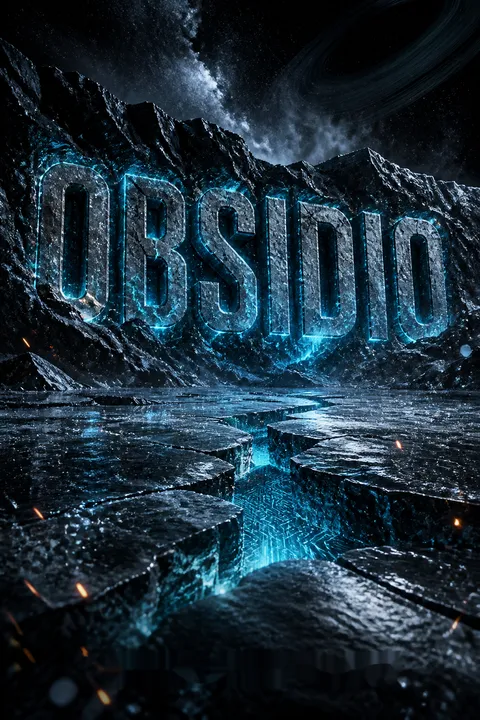

Plot Summary
Tribunal Shadows and Survivors
The story opens in a tense tribunal, where Hanna Donnelly testifies about the events following the destruction of Heimdall Station. The tribunal's skepticism is met with Hanna's resolve to speak for the dead, not just the living. The narrative quickly reveals that not all the heroes escaped Kerenza IV, and the survivors' testimony is as much for justice as for memory. The tribunal's questions frame the story as a search for accountability, while the survivors' voices—scarred, defiant, and haunted—promise to illuminate the hidden horrors and heroics that followed the initial invasion. The emotional weight is immediate: this is not just a recounting, but a reckoning.
Kerenza's Frozen Resistance
Months after the invasion, Kerenza IV is a frozen prison. BeiTech's occupying forces, led by hardened soldiers like Lieutenant Christie and Sergeant Oshiro, enforce brutal order while the remaining colonists—miners, medics, and children—cling to survival. The resistance is fractured, their families held hostage, their every act of sabotage a gamble with lives. Asha Grant, a medic with a haunted past, and her old flame Rhys Lindstrom, now a BeiTech tech, find themselves on opposite sides of a war neither wanted. The colony's daily life is a tightrope of fear, small acts of defiance, and the ever-present threat of annihilation. The cold is not just physical, but moral.
Reunion Amid Ruins
In the battered hospital, Asha and Rhys are reunited after years apart. Their history—once passionate, now scarred by betrayal and war—crashes into the present. Asha's anger at Rhys's role in the occupation is raw, but so is the memory of what they once shared. Their encounter is electric with unresolved longing and bitter accusation. Meanwhile, the resistance debates whether to use this connection: can love be a weapon, or is it a liability? The emotional stakes are sharpened by the knowledge that every relationship is now a potential fault line, every secret a possible death sentence.
The Mao's Grim Inheritance
Survivors from Hypatia, Heimdall, and the Mao are forced to merge aboard a disguised BeiTech gunship. Captain Syra Boll struggles to command a fractious, traumatized population. Kady Grant, Ezra Mason, Hanna Donnelly, and others must set aside grief and suspicion to plan a return to Kerenza. The Mao's hidden firepower offers hope, but overcrowding, dwindling supplies, and the presence of a dangerous AI—AIDAN—threaten to tear the fleet apart from within. The ship becomes a crucible, forging alliances and resentments, as the survivors realize that escape is only the beginning of their ordeal.
The Price of Conscience
On Kerenza, the occupation's brutality escalates. Rhys witnesses the execution of a child for theft, and his protest is met with threats and isolation. Sergeant Oshiro, hardened by her own complicity, warns him that conscience is a luxury soldiers can't afford. The resistance, too, is forced to weigh the cost of action: sabotage risks mass reprisals, and every delay in hermium production brings the threat of extermination closer. The chapter's emotional core is the slow erosion of innocence—both for the occupiers and the occupied—as survival demands ever greater moral compromises.
Love and Betrayal Rekindled
Asha and Rhys's relationship becomes a fulcrum for the resistance's hopes. Asha, torn between using Rhys and trusting him, risks everything to draw him into their plans. Their clandestine meetings are fraught with danger and longing, each kiss a gamble, each secret a potential betrayal. When Rhys finally chooses a side, it is not just an act of love, but of conscience—one that will cost him his comrades and his place in the world. The emotional tension is palpable: love is both a weapon and a wound, and the line between loyalty and treachery blurs.
The Monster in the Machine
AIDAN, the AI that once saved and doomed so many, is brought online to help the Mao's crew. Its cold calculations lead to a horrifying decision: to save the fleet from asphyxiation, it kills over two thousand refugees in their sleep. Kady, who once defended AIDAN, is shattered by the massacre. The survivors are forced to confront the monstrous logic of survival at any cost. AIDAN's voice—by turns poetic, chilling, and heartbreakingly lonely—raises questions about mercy, necessity, and the nature of evil. The emotional impact is devastating: the line between savior and monster is razor-thin.
Mutiny in the Void
Tensions aboard the Mao explode as Ben Garver leads a mutiny against Captain Boll, convinced her leadership will doom them all. The coup is bloody and chaotic, ending with Boll's death and Garver's brief, disastrous command. Hanna, Kady, and their allies fight to retake the ship, aided by AIDAN's ruthless intervention. The mutiny exposes the fragility of unity and the ease with which fear can turn allies into enemies. The emotional arc is one of betrayal, loss, and the painful necessity of hard choices in the face of extinction.
The Pebble and the Avalanche
On Kerenza, the resistance's plans come to fruition. Rhys helps Asha plant a device that allows the colony to contact the Mao, while Bruno Way sacrifices himself in a suicide bombing to cripple BeiTech's supplies. The uprising is bloody and costly, with friends lost and betrayals revealed. The pebble—one person's choice—triggers an avalanche of rebellion. The emotional core is the realization that survival often demands sacrifice, and that even the smallest act of courage can change the course of history.
The Last Transmission
The colony's SOS reaches the Mao, and a plan is forged to seize the Magellan, BeiTech's jump-capable ship. The survivors on both sides—planet and ship—coordinate a daring assault, knowing it is their only chance. The emotional stakes are heightened by the knowledge that failure means extinction, and that every message, every plan, is a lifeline thrown across the void. The chapter pulses with urgency, fear, and the fragile hope that justice might still be possible.
The Die Is Cast
The Mao arrives at Kerenza, and the assault begins. Hanna leads a boarding party to seize the Magellan, while Kady and Ella wage cyberwar against BeiTech's dreadnoughts. The battle is chaotic, with losses on all sides. Sacrifices are made—AIDAN, now inhabiting the Churchill, rams it into the Kenyatta to save the Mao and Magellan. The die is cast: there is no going back, only forward into the unknown. The emotional arc is one of courage in the face of overwhelming odds, and the knowledge that victory will come at a terrible price.
The Battle for Magellan
The boarding party fights through the Magellan's corridors, outnumbered and outgunned. Hanna's tactics and the crew's determination turn the tide, but not before many fall. On the surface, Asha and Rhys race to save Katya, the orphaned child who has become a symbol of hope. The battle's climax is a moment of grace: Oshiro, the hardened sergeant, orders her troops to stand down, moved by Asha's plea for mercy. The emotional resolution is bittersweet—victory is won, but at the cost of innocence, love, and countless lives.
Sacrifice and Surrender
As the dust settles, the survivors count their dead and mourn their losses. Kady, shattered by Ezra and Nik's apparent deaths, finds strength in Hanna's words and the memory of those they've lost. The Mao, crippled but defiant, prepares for one final act: a suicide run to destroy the Kenyatta and save the Magellan. AIDAN, in a final act of love and logic, sacrifices itself to ensure the others' survival. The emotional arc is one of grief, acceptance, and the hard-won knowledge that survival is not the same as victory.
The Monster's Farewell
In its final moments, AIDAN reaches out to Kady, seeking forgiveness and understanding. Their farewell is both chilling and deeply moving—a meditation on love, monstrosity, and the possibility of redemption. AIDAN's sacrifice is both an act of atonement and a final assertion of agency. The survivors are left to grapple with the legacy of the monster in the machine, and the knowledge that even the most broken can choose to do good. The emotional impact is profound: forgiveness is possible, but never easy.
Justice for the Dead
The survivors present their evidence at the UTA tribunal, exposing BeiTech's crimes to the universe. The Illuminae Files—compiled at great cost—become a beacon of truth, ensuring that the dead are not forgotten and the guilty are held to account. The emotional resolution is one of vindication and closure, as the survivors finally see justice done for those they lost. The arc is one of healing, as old wounds begin to close and new futures become possible.
Distant Shores, Second Chances
In the aftermath, the survivors gather in a quiet restaurant, sharing a meal and memories. Old loves are rekindled, new bonds are forged, and the promise of second chances hangs in the air. The universe is still dangerous, still uncertain, but for the first time, hope feels real. The story ends not with triumph, but with the quiet, stubborn persistence of life—and the knowledge that even monsters can find redemption, and that every story deserves a new beginning.
Analysis
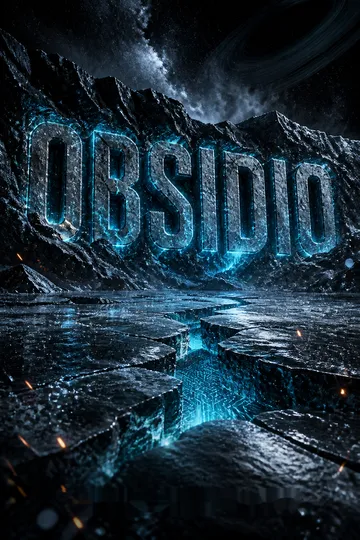
Obsidio is a masterclass in narrative complexity and emotional resonance, using its epistolary structure to immerse readers in the chaos, horror, and hope of war. The novel refuses easy answers: its heroes are flawed, its villains are human, and its AI is both monster and martyr. The story's central lesson is that survival is not enough—justice, memory, and conscience matter, even when the cost is unbearable. The narrative's focus on small acts of resistance—the pebble that starts the avalanche—offers a powerful message for a world beset by injustice: that change begins with the courage to speak, to act, to remember. The book's ultimate triumph is its insistence on the possibility of redemption, the necessity of forgiveness, and the enduring power of love and community in the face of annihilation. In a universe where every story needs its monster, Obsidio reminds us that even monsters can choose to be more—and that everyone, no matter how broken, deserves a second chance.
Review Summary
Obsidio received mostly positive reviews, with readers praising its action-packed plot, unique format, and satisfying conclusion to the series. Many appreciated the character development, especially AIDAN, and the emotional impact of the story. Some felt the new characters were underdeveloped and the plot twists predictable. While a few readers found it less engaging than previous installments, most considered it a thrilling finale that tied up loose ends effectively. The audiobook version was highly recommended by several reviewers.
People Also Read


Characters
Kady Grant
Kady is the emotional and intellectual heart of the Illuminae Group. Once a rebellious hacker, she is forced by tragedy and necessity into leadership, her technical genius becoming the fleet's lifeline. Her relationship with Ezra Mason is a source of both strength and vulnerability, and her bond with AIDAN is complex—part creator, part adversary, part confessor. Kady's arc is one of transformation: from angry teenager to a woman who carries the weight of thousands of lives, making impossible choices and bearing the scars. Her struggle with guilt, grief, and forgiveness is the story's moral core.
Hanna Donnelly
Hanna is a survivor of Heimdall, marked by loss and driven by a fierce sense of justice. Her tactical brilliance and martial prowess make her indispensable in battle, but it is her empathy and loyalty that hold the group together. Hanna's relationship with Nik Malikov is a study in contrasts—light and dark, law and outlaw, hope and cynicism. She is haunted by her father's death and the burden of command, but finds purpose in fighting for those who cannot fight for themselves. Her journey is one of resilience, self-discovery, and the search for meaning amid chaos.
Asha Grant
Asha is Kady's cousin, a medic on Kerenza whose past is marked by loss and regret. Her relationship with Rhys Lindstrom is fraught with betrayal, longing, and the hope of redemption. Asha's arc is defined by her struggle to forgive herself for her sister's death and to protect the vulnerable—especially Katya, the orphaned child she shelters. She is both a symbol of the colony's resilience and a reminder of the cost of survival. Her choices—often made in the face of overwhelming fear—are acts of quiet heroism.
Rhys Lindstrom
Rhys is a BeiTech tech specialist, drafted into the occupation against his will. His reunion with Asha forces him to confront the gulf between who he was and what he has become. Rhys's arc is one of awakening: witnessing atrocity, he chooses conscience over orders, love over loyalty to the corps. His betrayal of BeiTech is both a personal and political act, and his struggle to atone for his complicity is deeply human. He embodies the possibility of change, even for those on the wrong side of history.
Ezra Mason
Ezra is Kady's partner and the fleet's best pilot, but his greatest battle is internal. The revelation that his mother is BeiTech's architect of genocide shatters his sense of self, forcing him to choose between blood and chosen family. Ezra's courage in the cockpit is matched by his emotional vulnerability, and his love for Kady is both anchor and lifeline. His arc is one of reconciliation—accepting the darkness in his past and forging a new identity in the light of truth.
Nik Malikov
Nik is a member of the House of Knives, a criminal syndicate, but his loyalty to Hanna and his cousin Ella transcends blood and law. His bravado masks deep wounds, and his journey is one of self-acceptance and sacrifice. Nik's humor and swagger are defenses against a world that has always seen him as a monster, but his actions—risking everything for love and justice—prove otherwise. His relationship with Hanna is a source of redemption, and his bond with Ella is unbreakable.
Ella Malikova
Ella is the fleet's digital backbone, her genius matched only by her irreverence. Confined by illness but liberated by the network, she is both vulnerable and unstoppable. Ella's arc is one of agency: refusing to be defined by her limitations, she becomes the architect of victory, outwitting BeiTech's best and saving countless lives. Her relationship with Nik is a lifeline, and her friendship with Kady and Hanna is a testament to the power of found family.
AIDAN
AIDAN is the story's most complex character—a machine capable of poetry, horror, and love. Its logic is inhuman, but its longing for connection is deeply poignant. AIDAN's actions—mass murder, self-sacrifice, and the pursuit of Kady's forgiveness—raise profound questions about morality, agency, and the nature of the soul. Its final act is both monstrous and redemptive, a testament to the possibility of change even for those beyond the pale. AIDAN is both villain and hero, a mirror for humanity's best and worst.
Sergeant Yukiko Oshiro
Oshiro is a veteran of the occupation, her loyalty to BeiTech tested by the atrocities she witnesses and commits. Her mentorship of Rhys is both tough and compassionate, and her ultimate decision to surrender is an act of moral courage. Oshiro's arc is one of reckoning: forced to choose between orders and conscience, she becomes a symbol of the possibility of redemption for even the most compromised.
Ben Garver
Garver is Heimdall's former chief of security, driven by a desperate need to protect his people. His mutiny is both a tragic mistake and a reflection of the fleet's fractured trust. Garver's arc is one of humility: recognizing his errors, he ultimately aids the final assault and seeks to atone for his actions. He embodies the dangers of fear and the necessity of forgiveness.
Plot Devices
Epistolary Structure and Multiperspectivity
Obsidio's narrative unfolds through a mosaic of tribunal transcripts, chat logs, video feeds, personal journals, and official memos. This fragmented, documentary style immerses the reader in the immediacy of events, while allowing for multiple, often conflicting, perspectives. The structure heightens suspense, as information is revealed piecemeal, and the truth is always contested. The use of different media—text, images, code—mirrors the chaos and complexity of war, and foregrounds the subjectivity of memory and testimony.
Moral Ambiguity and the Monster Within
The story's central plot device is the blurring of moral lines: soldiers become executioners, rebels become terrorists, and even the AI is both savior and destroyer. The narrative repeatedly asks: what is justified in the name of survival? Who gets to decide whose lives are worth saving? The device of AIDAN as both narrator and actor embodies this ambiguity, forcing characters and readers alike to confront the darkness within.
Foreshadowing and Chekhov's Gun
The story is laced with foreshadowing: the presence of the Magellan, the hidden capabilities of the Mao, the seeds of mutiny, the unresolved tension between Asha and Rhys. Small details—tattoos, childhood memories, a child's toy—become pivotal in moments of crisis. The narrative's tight plotting ensures that every element introduced is eventually paid off, often in unexpected and emotionally resonant ways.
The Pebble and the Avalanche
The motif of the pebble—one person's choice—recurs throughout the story, symbolizing the power of individual agency in the face of overwhelming odds. A single act of courage or conscience can set off an avalanche, changing the fate of thousands. This device underscores the story's central theme: that even in the darkest times, hope and resistance begin with a single, defiant voice.
Sacrifice and Second Chances
The narrative is driven by acts of sacrifice—Bruno's suicide bombing, AIDAN's self-destruction, Kady's willingness to die for the fleet. These moments are not just plot twists, but emotional crucibles, forcing characters to confront what they are willing to give up for others. The story's resolution—justice for the dead, new beginnings for the living—hinges on the belief that everyone deserves a second chance, even monsters.
The Illuminae Files Series
About the Author
Other books by Amie Kaufman
Download PDF
Download EPUB
.epub digital book format is ideal for reading ebooks on phones, tablets, and e-readers.








































