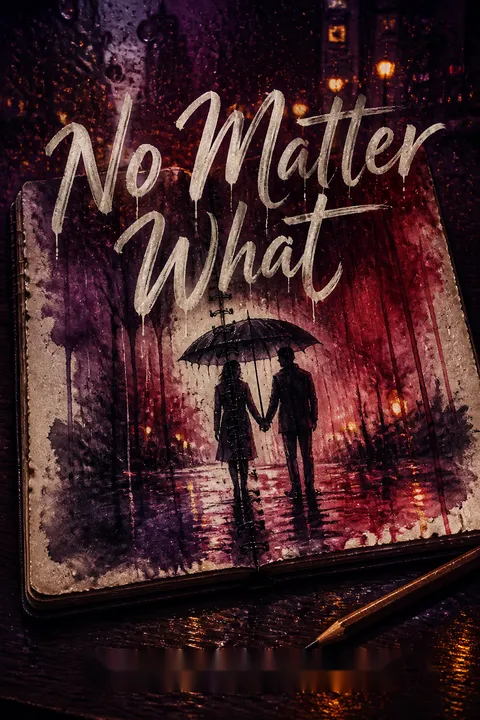

Plot Summary
Shattered Tomato Beginnings
Roz's world collapses when she finds her husband Vin's unsigned lease pinned to the kitchen counter with a can of diced tomatoes. Instead of confronting him, she cooks, channeling her pain into sauce. The act is both defiance and comfort, a ritual that grounds her as her marriage dissolves in silence. Vin's quiet exit, leaving Roz alone with her simmering grief, sets the tone for a story about love, loss, and the desperate search for meaning in the mundane. The kitchen becomes a battleground and sanctuary, the sauce a symbol of both endings and the stubborn hope that something nourishing can still be made from ruin.
Accidental Art Class Escape
Fleeing the apartment and her pain, Roz stumbles into a figure drawing class while seeking shelter from a downpour outside Vin's future building. Mistaken for a participant, she's swept into a circle of strangers, handed a pencil, and told to draw. The experience is awkward, humbling, and unexpectedly soothing. For the first time since her marriage began to unravel, Roz feels a flicker of curiosity about herself outside of her roles as wife and caretaker. The art class becomes a metaphorical doorway—one she's not yet ready to step through, but whose light she can't ignore.
The Aftermath of Silence
Roz and Vin's marriage is haunted by a traumatic accident that left both physically and emotionally scarred. Their communication has withered to silence and avoidance, with Roz caring for Vin and his brother Raffi in the aftermath, losing herself in the process. The accident's anniversary looms, reopening wounds. Vin's plan to meet another survivor for closure only deepens Roz's sense of abandonment. Their home, once a haven, is now a mausoleum of unspoken pain, each room echoing with what's been lost and what neither can say aloud.
Drawing Toward Connection
Roz returns to the art class, this time intentionally, seeking something she can't name. The diverse group of students and the gentle, insightful instructor Daniel offer a sense of belonging she's been missing. Through awkward sketches and Daniel's encouragement, Roz begins to see drawing not as a test of talent but as a way to process and understand her own experience. The act of drawing—imperfect, honest, and vulnerable—becomes a metaphor for the attempts she and Vin must make to reconnect, to risk failure in pursuit of something real.
Tangled in Old Routines
Roz's best friend Raffi, who is also Vin's brother, provides comic relief and emotional ballast. Their friendship is a lifeline, but also a crutch—one that has, perhaps, enabled Roz and Vin to avoid facing their marital problems head-on. Shared meals, inside jokes, and the rituals of care mask deeper fractures. The trio's dynamic, forged in crisis, is both a source of strength and a barrier to growth. As Raffi moves out, the silence between Roz and Vin becomes deafening, forcing them to confront what remains when the distractions are gone.
Panic, Pasta, and PTSD
Everyday mishaps—a broken glass, a fever, a spilled sauce—become flashpoints for panic and grief, revealing the lingering effects of trauma. Both Roz and Vin exhibit symptoms of PTSD, their bodies and minds still trapped in the moment of the accident. Attempts to care for each other are fraught with miscommunication and fear. The kitchen, once a place of comfort, becomes a minefield. Yet, in these moments of vulnerability, there are glimpses of the love and tenderness that once defined their relationship, hinting at the possibility of healing.
Best Friends and Broken Patterns
Raffi's presence in Roz and Vin's life is both blessing and burden. His recovery from the accident required Roz's total devotion, leaving little room for her own needs or for her marriage. As he regains independence, Roz is forced to reckon with the ways caretaking has shaped her identity and her relationship with Vin. The trio's codependency is laid bare, and Roz must decide whether to continue sacrificing herself for others or to reclaim her own desires. The process is messy, painful, and necessary.
Learning to See Again
In the art class, Roz learns that drawing is less about accuracy and more about honesty—about seeing and being seen. Daniel's mantra, "Draw, Antonio, draw," becomes a call to action, urging Roz to risk imperfection in pursuit of truth. The diverse students each bring their own perspective, reminding Roz that everyone is constructing meaning from their own vantage point. Through drawing, Roz begins to process her trauma, her marriage, and her longing for connection. The page becomes a safe space to explore what she can't yet say aloud.
The Language of Attempts
Roz and Vin's attempts to talk are halting, fraught with misunderstanding and old wounds. Symbols—wedding rings, stick figures, framed photos—stand in for words they can't find. Yet, each awkward conversation, each failed attempt, is a step toward honesty. Daniel's lesson that "awkward drawings are wonderful" resonates: it's better to try and fail than to remain silent. As Roz pushes Vin for clarity, and Vin struggles to articulate his feelings, they begin to bridge the gap between them, learning that love is built on a thousand imperfect efforts.
Infinity Off the Page
Roz's drawings of Vin—his boots, his body, his presence—spill off the edges of the page, refusing to be contained. Daniel observes that her art is "expansive, not over," capturing the sense that some stories can't be neatly concluded. The accident, the marriage, the family: all are ongoing, unresolved, infinite in their complexity. Through art, Roz finds a way to honor both the pain and the beauty of her experience, to hold space for what can't be fixed or forgotten. The act of drawing becomes an act of hope.
The Lease and the Truth
The unsigned lease, long a symbol of abandonment, is finally revealed for what it is: not a declaration of intent to leave, but a misguided attempt by Vin to give Roz space and agency. Their failure to communicate nearly destroys them, but the truth—once spoken—opens the door to reconciliation. Both must confront their fears: of being left, of not being enough, of loving and losing again. In choosing to stay, they commit not to a return to the past, but to a new, more honest partnership.
Naked Vulnerability
Vin offers to model nude for Roz's drawings, a gesture of trust and vulnerability that echoes their emotional journey. The act is awkward, intimate, and transformative. Through the process, they rediscover each other's bodies and boundaries, learning to see and be seen anew. The experience is not just about art, but about rebuilding physical and emotional intimacy after trauma. Each pose, each line, is an act of faith in the possibility of connection, a testament to the courage required to love after loss.
Rediscovering Each Other
With the truth about the lease revealed and old wounds aired, Roz and Vin begin the slow work of rediscovering each other. They confront the ways trauma, caretaking, and silence have shaped their marriage, and commit to new patterns of honesty and care. Family gatherings, shared meals, and small acts of kindness become the building blocks of a renewed partnership. The process is imperfect, marked by setbacks and misunderstandings, but grounded in a deep, abiding love that refuses to give up.
Family, Food, and Forgiveness
As Roz and Vin reconnect, their home is transformed from a site of pain to one of healing. Cooking, once a coping mechanism, becomes a shared pleasure again. Family and friends gather, old routines are reimagined, and forgiveness—of self and other—becomes possible. The scars of the past remain, but they are integrated into a new narrative, one that honors both the suffering and the survival. The kitchen, the table, and the bed become sacred spaces for renewal.
The Art of Staying
Roz and Vin learn that staying—truly staying—is an active choice, not a passive default. It requires presence, vulnerability, and the willingness to face discomfort together. Through therapy, storytelling, and art, they develop new tools for coping with triggers and setbacks. The process is ongoing, with no guarantees of happily ever after, but each day becomes an opportunity to choose each other again. The art of staying is, ultimately, the art of living with uncertainty and loving anyway.
Safe and Sound
Roz's drawings become a way to create safety for herself and those she loves. She learns that art can hold what words cannot, that imperfect attempts are enough. The act of drawing—of seeing, of trying, of failing and trying again—mirrors the work of marriage and healing. Safe and sound is not a destination, but a practice: a daily commitment to care, to presence, to hope. Through art, Roz finds a way to honor both the fragility and the resilience of love.
The End Is the Beginning
Vin's foray into storytelling at a local bar becomes a parallel to Roz's art: both are attempts to make sense of the past, to find meaning in pain, to connect with others. Their stories—of trauma, survival, and devotion—become part of a larger tapestry, one that includes family, friends, and strangers. The end of one chapter is always the beginning of another; love, like art, is an infinite loop, always unfinished, always reaching beyond the edges of the page.
Drawing Through the Darkness
In the aftermath of trauma, Roz and Vin accept that some wounds never fully heal, some questions never find answers. But through art, storytelling, and the daily work of love, they learn to live with uncertainty, to adapt, to find beauty in the broken places. Their marriage is not restored to its former glory, but transformed into something new—messy, honest, and alive. The story ends not with closure, but with the courage to keep drawing, to keep loving, to keep living, no matter what.
Analysis
No Matter What is a luminous, deeply compassionate exploration of marriage, trauma, and the messy, ongoing work of loving another person through life's inevitable wounds. Cara Bastone's novel transcends the conventions of romance by refusing easy resolutions or tidy happy endings; instead, it offers a portrait of two people who choose each other, again and again, in the face of pain, misunderstanding, and change. The story's central insight—that healing is not about erasing scars but about integrating them into a new, more honest narrative—resonates powerfully in a world where so many are grappling with loss and uncertainty. Through the intertwined motifs of art and food, Bastone celebrates the beauty of imperfection, the courage of vulnerability, and the redemptive power of attempts—however awkward or incomplete. The novel's fragmented, dual narrative structure mirrors the nonlinear process of recovery, inviting readers to embrace ambiguity and to find meaning not in closure, but in the willingness to keep drawing, keep loving, and keep living, no matter what.
Review Summary
No Matter What receives mostly positive reviews, averaging 4.08 stars. Readers praise its raw, authentic portrayal of a marriage in crisis following a traumatic accident, with many highlighting the emotional depth and realistic depiction of healing. The figure drawing subplot and tender character moments are frequently celebrated. However, a recurring criticism is the heavy reliance on miscommunication as a plot driver, which frustrated many readers. Some also found the first half slow and overly long, while others felt the second half redeemed the overall experience.
People Also Read





Characters
Roz
Roz is the emotional heart of the story—a woman whose identity has been shaped by caretaking, cooking, and the quiet labor of love. The trauma of the accident and the slow unraveling of her marriage force her to confront the ways she's lost herself in service to others. Through art, she begins to reclaim her own desires and voice, learning that vulnerability is not weakness but strength. Roz's journey is one of self-discovery, as she learns to balance care for others with care for herself, and to risk imperfection in pursuit of connection.
Vin
Vin is Roz's husband, a man defined by his reliability and his difficulty expressing emotion. The accident leaves him physically and emotionally scarred, deepening his tendency to withdraw. His love for Roz is unwavering, but often unspoken, leading to painful misunderstandings. Through therapy and storytelling, Vin learns to articulate his feelings, to risk vulnerability, and to stay present in the face of pain. His journey is one of learning that strength lies not in stoicism, but in the willingness to be seen and to try, even when words fail.
Raffi
Raffi, Vin's younger brother and Roz's best friend, is both a source of levity and a mirror for the couple's struggles. His recovery from the accident and his own search for love and identity force Roz and Vin to confront their patterns of caretaking and avoidance. Raffi's openness and emotional intelligence contrast with Vin's reserve, highlighting the different ways people cope with trauma. His journey is one of learning to stand on his own, to accept love in all its forms, and to forgive himself for not being "fixed."
Daniel
Daniel, the art instructor, provides a safe space for Roz to explore her creativity and vulnerability. His teaching philosophy—emphasizing honesty, attempts, and the value of awkwardness—mirrors the emotional work Roz and Vin must do in their marriage. Daniel's presence is calming and encouraging, offering wisdom without judgment. He represents the possibility of growth through practice, the importance of community, and the transformative power of art.
Esther
Esther, a fellow art student and registrar, embodies resilience and the wisdom of experience. Her no-nonsense approach to life and art provides both comic relief and grounding for Roz. As a grandmother raising her grandson, Esther models the strength that comes from embracing imperfection and adapting to change. Her friendship with Roz is a reminder that healing often comes from unexpected places and that community is essential to survival.
Lauro
Lauro, a fellow art student and occasional flirt, serves as both foil and friend to Roz. His outward confidence masks deep insecurities and a longing for genuine connection, particularly with Em. Lauro's journey from peacocking to vulnerability mirrors the story's central theme: that true intimacy requires honesty, risk, and the willingness to be seen as you are, not as you wish to appear.
Em
Em is a gifted artist whose presence in the class challenges and inspires Roz. Her commitment to sincerity in art and life sets a high bar for those around her, particularly Lauro. Em's willingness to confront discomfort and demand authenticity pushes others to do the same. She represents the courage required to live—and love—without artifice.
Cherise
Cherise, Roz's supervisor at Harvest NYC, provides stability and encouragement. Her practical wisdom and emotional intelligence help Roz navigate both professional and personal challenges. Cherise's belief in Roz's potential—especially her cookbook idea—serves as a catalyst for Roz's growth and self-acceptance.
Deb
Deb, the nutrition educator, is a source of tough love and practical advice. Her directness and refusal to sugarcoat reality push Roz to confront uncomfortable truths about trauma, marriage, and self-care. Deb's presence is a reminder that healing requires both compassion and accountability.
St. Michel
St. Michel, the custom framer, is a minor but pivotal character whose wisdom and unconventional perspective help Roz and Vin see their situation in a new light. His insistence that "divorce is fine" and later, that "marriage is fine," challenges the couple to define their own path. St. Michel's artistry and joie de vivre embody the story's celebration of creativity, resilience, and the beauty of imperfection.
Plot Devices
Dual Narrative and Fragmented Structure
The novel alternates between Roz's first-person narrative and Vin's storytelling at an open mic, creating a layered, fragmented structure that mirrors the characters' emotional states. This device allows readers to experience both the immediacy of Roz's internal struggles and the gradual unfolding of Vin's perspective. The use of art class scenes, therapy sessions, and storytelling performances provides multiple entry points into the characters' psyches, emphasizing the nonlinear, iterative nature of healing and communication.
Symbolism of Art and Food
Drawing and cooking are recurring motifs, symbolizing the ways Roz and Vin attempt to make sense of their world and care for each other. Art becomes a means of processing trauma, expressing vulnerability, and reaching for connection. Food represents both comfort and the limitations of caretaking—nourishing but not sufficient to heal deeper wounds. The act of creating—whether a meal or a drawing—mirrors the work of rebuilding a marriage: messy, imperfect, and ultimately redemptive.
The Unsigned Lease
The lease, left unsigned and misunderstood, serves as a central plot device, embodying the couple's failure to communicate and the dangers of assumption. Its eventual revelation as a gesture of agency rather than abandonment catalyzes the story's turning point, forcing Roz and Vin to confront their fears and choose each other anew.
Art as Process, Not Product
Daniel's teaching philosophy—that drawing is about attempts, not outcomes—serves as both narrative structure and thematic core. The story privileges process over product, emphasizing that healing, love, and art are ongoing, unfinished, and valuable precisely because they are imperfect. This device is reinforced through repeated scenes of drawing, failed conversations, and the gradual accumulation of small, honest efforts.
Foreshadowing and Circularity
The novel's structure is circular, with early scenes and motifs—such as the kitchen, the art class, and the act of drawing—reappearing in new contexts, transformed by experience. Foreshadowing is used to build emotional resonance, as early misunderstandings and silences are later revisited and reinterpreted. The story's conclusion, with Roz and Vin recommitting to each other and to the ongoing work of love, echoes its beginning, suggesting that every ending is also a new beginning.
About the Author
Other books by Cara Bastone

Download PDF
Download EPUB
.epub digital book format is ideal for reading ebooks on phones, tablets, and e-readers.








































