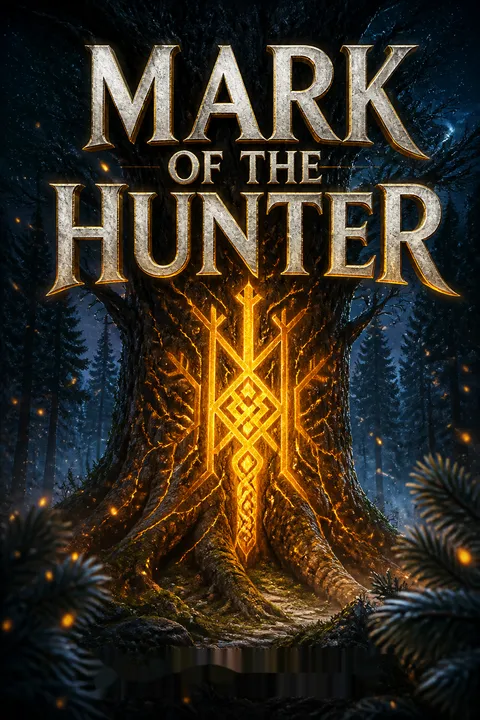

Plot Summary
Sisters of Vengeance
In the aftermath of a failed battle, Alari and Vasa, powerful sisters and goddesses, stand among the ruins of a retreating army. Alari, scarred and vengeful, refuses to abandon her bloodline, the Vettels, despite their failures. Vasa, more pragmatic, suggests seeking new champions, but Alari's pride and fury are unyielding. Their conversation sets the stage for the coming conflict, as they invoke ancient grudges and the promise of divine intervention. The sisters' rivalry and ambition ripple through the mortal world, foreshadowing the chaos and bloodshed to come, and establishing the mythic stakes that will haunt every character's journey.
Longing in the Forest
Alys, haunted by longing for Reinar, wakes in the freezing forest, her heart aching for her missing children. She travels with Stina and Eddeth, her companions, all desperate to reunite with family. Their journey is fraught with uncertainty, as Alys's dreams offer no guidance—only reminders of what she's lost. Meanwhile, Reinar, lord of a battered Ottby, is paralyzed by indecision, torn between duty and the pain of his own losses. The cold, the hunger, and the ever-present threat of pursuit press in on the group, as the bonds of friendship and the ache of separation drive them forward into the unknown.
Broken Fortresses, Broken Hearts
The fortress of Ottby is a place of mourning and tension. Reinar and his brother Sigurd grieve for Tulia, lost to violence and treachery. The king, Ake, demands the extermination of the Vettel bloodline, forcing Reinar to confront the brutal realities of power. Meanwhile, Hakon Vettel, wounded and feverish, is on the run, his followers fractured and desperate. The lines between friend and foe blur, as old alliances crumble and new ones are forged in the crucible of loss. The characters' personal grief mirrors the shattered walls around them, and the question of who can be trusted becomes ever more urgent.
Hunted by Shadows
Alys and her companions sense they are being followed, the forest alive with unseen threats. Their fears are realized when they are captured by scouts from the retreating Slussfall army, led by Hakon's men. Forced to tend to the wounded, Alys must hide her identity as a dreamer, knowing discovery could mean death. The camp is a place of suffering and suspicion, where every kindness is tinged with menace. The supernatural seems to press in from all sides, as the gods' attention turns to the mortals below, and the boundaries between the living and the dead grow thin.
The Mark and the Dream
Hakon's wound festers, and the camp is beset by omens: drumming in the night, the howls of unseen beasts, and the terror of the vatyr—supernatural hunters sent by the gods to punish oathbreakers. Alys, forced to use her powers, glimpses a shadowy god who warns her not to interfere. The attack leaves many dead and the survivors shaken, convinced they are cursed. The mark on Hakon's chest, a sign of divine judgement, becomes a symbol of doom. The characters are forced to confront the reality that their destinies are not their own, but playthings of capricious gods.
Prisoners and Plots
As the survivors limp toward Slussfall, Alys, Eddeth, and Stina are prisoners, their fate tied to Hakon's recovery. In Slussfall, Jonas and Vik plot to rescue Magnus and Lotta, who are themselves pawns in the schemes of Ulrick and Bergit. The fortress is a powder keg, with old grudges and new ambitions simmering beneath the surface. Betrayals multiply, as Ollo Narp and his cronies weigh their loyalties, and the women of the story—Karolina, Falla, and others—begin to see that their survival may depend on taking matters into their own hands.
The Hunter's Judgement
The journey to Slussfall is interrupted by the Wild Hunt: The Hunter and his spectral hounds sweep through the camp, slaughtering oathbreakers and marking Hakon for death. The survivors are left traumatized, their numbers thinned, and their faith in the gods shaken. The event cements the sense that the old order is ending, and that the gods themselves are choosing sides. Hakon, increasingly unstable, clings to Alys as his only hope, while his followers begin to question whether their loyalty will lead them to glory or destruction.
Bloodlines and Betrayals
In Slussfall, the tension erupts into riot and chaos as Jonas and Magnus are imprisoned, and Lotta is swept up in Ulrick's desperate plans. The truth of Alys's parentage—her connection to the Vettels and the gods—begins to surface, threatening to upend everything she believes about herself. Old betrayals come home to roost, as Ollo and Haegel must choose between self-preservation and redemption. The riot is both a literal and metaphorical breaking point, as the fragile peace of the fortress shatters, and the stage is set for the final reckoning.
The Riot at Slussfall
The riot in Slussfall is a maelstrom of violence and confusion. Jonas and Magnus narrowly escape execution, aided by unlikely allies. Lotta, caught between Ulrick and Bergit, is forced to leave her family behind, setting her on a path northward. The riot exposes the rot at the heart of the fortress, as old scores are settled and new wounds opened. The survivors are scattered, their fates uncertain, as the gods watch with cold amusement. The riot is both a climax and a catalyst, propelling the characters toward their ultimate destinies.
The Siege Begins
Reinar, Sigurd, and their allies launch a daring assault on Slussfall, using secret tunnels and the help of Alys and Eddeth's magic to breach the gates. The battle is brutal and chaotic, with shifting alliances and moments of heroism and horror. Hakon, increasingly unhinged, clings to the belief that the gods will save him, even as his followers fall around him. The women of the story—Alys, Eddeth, Falla, and Karolina—play crucial roles, using cunning and courage to tip the balance. The siege is a crucible, forging new leaders and exposing the true cost of power.
The End of the Vettels
The final confrontation between Reinar and Hakon is both personal and mythic. Marked by the gods, Hakon is abandoned by his followers and slain by Reinar, his death witnessed by all. The mark on his chest is revealed as a sign of Thenor's will, and the surviving Vettels are hunted to extinction. The victory is bittersweet, as the cost in blood and innocence is tallied. The gods' intervention is both a blessing and a curse, leaving the survivors to wonder what new order will arise from the ashes of the old.
Secrets in the Blood
In the aftermath of the battle, Alys learns the truth of her parentage: she is the daughter of Jesper Vettel and Mirella, making her both a Vettel and a dreamer of rare power. This revelation forces Reinar to confront the meaning of justice and mercy, as he is ordered to kill every last Vettel—including Alys and her children. The cycle of vengeance and survival is laid bare, and the characters must choose between repeating the sins of the past or forging a new path. The gods' games are not yet over, and the price of survival is higher than anyone imagined.
The Price of Survival
With Slussfall taken, the survivors tend to the wounded and bury the dead. Old enemies must find a way to coexist, as the threat of further violence looms. Falla and Lief, Karolina and her son, and the remnants of the Vilanders and their allies must decide what kind of world they wish to build. Alys, reunited with Magnus but separated from Lotta, faces the prospect of another journey—this time north, into the unknown. The cost of victory is measured not just in lives lost, but in the scars left on every soul.
The Dreamer's Choice
Offered a place in Ottby and the chance to stay with Reinar, Alys instead chooses to seek her daughter, refusing to be defined by her blood or her past. The dreamer's power is both a gift and a burden, and Alys must decide how to use it in a world shaped by gods and men. The bonds of love, loyalty, and destiny are tested, as each character faces the consequences of their choices. The story ends not with triumph, but with the promise of further trials—and the hope that, this time, the cycle of violence might finally be broken.
Northward Bound
As Alys, Jonas, Vik, Magnus, and Eddeth prepare to head north in search of Lotta, the gods watch and scheme. The epilogue reveals that Mirella, Alys's mother, is alive and hiding in Orvala, her own allegiances and secrets yet to be revealed. The war between gods and mortals is far from over, and the threads of fate are still being woven. The survivors set out into the unknown, carrying with them the scars of the past and the fragile hope of a different future.
Analysis
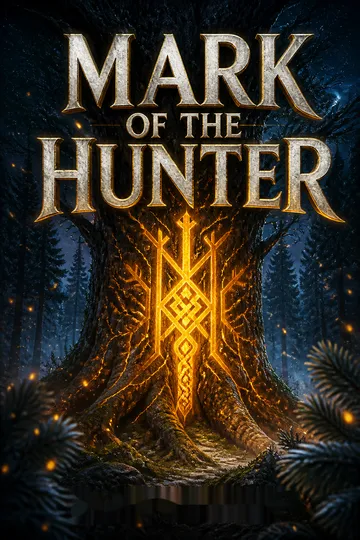
A.E. Rayne's Mark of the Hunter is a sweeping epic that blends Norse-inspired fantasy with deep psychological insight and a keen awareness of the cycles of violence that shape both individuals and societies. At its core, the novel is about the struggle for agency in a world dominated by fate, gods, and the legacies of blood. The characters are caught between the demands of survival and the pull of destiny, forced to navigate a landscape where every choice is fraught with danger and every victory comes at a cost. The story interrogates the nature of power—who wields it, who suffers under it, and who dares to challenge it. The gods are both metaphors and active agents, their interventions reflecting the capriciousness of history and the unpredictability of human nature. The novel's greatest strength lies in its refusal to offer easy answers: every act of vengeance begets new suffering, every secret revealed opens new wounds. Yet, amidst the bloodshed and betrayal, there is a persistent hope—the belief that cycles can be broken, that new paths can be forged, and that even those marked by the past can choose a different future. In a modern context, Mark of the Hunter resonates as a meditation on trauma, resilience, and the possibility of redemption, reminding us that the true mark of a hero is not victory, but the courage to change.
Review Summary
People Also Read
Characters
Alys de Sant
Alys is the emotional and spiritual heart of the story—a woman marked by trauma, loss, and rare magical gifts. As a dreamer, she is both a tool and a threat to those in power, forced to navigate a world where her visions can save or doom entire armies. Her longing for love and family is constantly at odds with the demands of fate and the manipulations of gods. Psychoanalytically, Alys embodies resilience and the struggle for agency in a world determined to use her. Her journey from victim to self-determining actor is mirrored in her relationships—with Reinar, her children, and the gods themselves. The revelation of her true parentage forces her to confront the cycle of violence and vengeance that has shaped her life, and to choose whether to perpetuate it or break free.
Reinar Vilander
Reinar is a lord haunted by loss—of his wife, his children, his home, and his sense of self. His relationship with Alys is fraught with longing and guilt, as he is torn between love and loyalty, justice and mercy. Reinar's development is defined by his struggle to reconcile the demands of leadership with his own moral compass. He is both a product and a critic of the brutal world he inhabits, forced to make impossible choices in the name of survival. His final confrontation with Hakon is as much about personal redemption as it is about political victory, and his refusal to kill Alys or her children marks a turning point in the cycle of bloodshed.
Hakon Vettel
Hakon is both villain and victim—a man marked by divine judgement, driven by ambition, and ultimately destroyed by the very gods he seeks to appease. His descent into madness is both a personal tragedy and a symbol of the old order's collapse. Hakon's relationships—with Ivan, Karolina, and Alys—are defined by manipulation, violence, and a desperate need for validation. Psychoanalytically, he represents the dangers of unchecked power and the corrosive effects of legacy and expectation. His death is both a release and a warning, as the mark on his chest becomes a symbol of the gods' capricious will.
Eddeth Nagel
Eddeth is more than she appears—a twitchy, talkative healer with a knack for survival and a surprising depth of knowledge about herbs, magic, and the gods. Her loyalty to Alys is unwavering, and her resourcefulness often saves the day. Eddeth's psychological complexity lies in her ability to mask fear with humor, and her willingness to risk everything for those she loves. She is a bridge between the mundane and the magical, embodying the power of ordinary people to shape extraordinary events.
Sigurd Vilander
Sigurd is defined by loss—of Tulia, of innocence, of certainty. His journey is one of mourning and adaptation, as he struggles to find meaning in a world that has taken everything from him. His loyalty to Reinar and his willingness to fight for a cause greater than himself are both strengths and vulnerabilities. Sigurd's relationships—with Ilene, with his brother, with the memory of Tulia—reveal the ways in which grief can both isolate and connect us.
Jonas Bergstrom
Jonas is the anchor of his family, a man haunted by the choices he's made and the secrets he's kept. His love for Alys and his grandchildren is fierce, but his inability to protect them from the world's cruelties is a source of deep pain. Jonas's psychoanalytic depth lies in his struggle to balance duty and love, truth and protection. His eventual confession of Alys's true heritage is both an act of liberation and a source of new danger.
Ivan Vettel
Ivan is Hakon's shadow—loyal to a fault, yet increasingly aware of his cousin's madness and the futility of their cause. His relationship with Alys is tinged with desire and regret, and his ultimate sacrifice to save her is both a redemption and a tragedy. Ivan's psychological arc is one of awakening, as he moves from blind loyalty to self-awareness, and finally to a fatal act of courage.
Falla Gundersen
Falla is a woman who knows how to play the game of power, using her beauty, intelligence, and cunning to secure her family's future. Her relationship with Lief is both a partnership and a battleground, as she pushes him to seize opportunities and abandon doomed loyalties. Falla's psychological complexity lies in her ability to adapt, to see the writing on the wall, and to act decisively—even ruthlessly—when survival is at stake.
Lotta de Sant
Lotta is both a victim and a symbol—a child caught in the crossfire of gods and men, her own nascent powers making her a prize and a threat. Her journey north is both a literal and metaphorical loss of innocence, as she is forced to navigate a world of betrayal, abandonment, and supernatural danger. Lotta's connection to Alys and the gods hints at a larger destiny, and her fate remains unresolved, a thread left for future stories.
Karolina Vettel
Karolina is a study in endurance—a woman married to a cursed man, forced to navigate the dangers of court and war while protecting her child. Her alliance with Falla and Alys is both a survival strategy and an act of quiet rebellion. Karolina's psychological depth lies in her ability to endure, to adapt, and to find moments of agency in a world determined to render her powerless.
Plot Devices
Divine Intervention and Curses
The narrative is shaped by the constant presence of the gods, whose interventions—curses, omens, and supernatural attacks—drive the plot and force the characters to confront their own powerlessness. The mark on Hakon's chest, the Wild Hunt, and the manipulation of dreams are all manifestations of the gods' will, blurring the line between free will and destiny. Foreshadowing is used extensively, as dreams and prophecies hint at future betrayals and reversals. The structure alternates between intimate character moments and epic, mythic events, creating a sense of both immediacy and inevitability.
Shifting Alliances and Betrayals
The story is driven by the constant realignment of loyalties, as characters are forced to choose between family, love, survival, and ambition. Betrayals—both personal and political—are a recurring motif, with old friends becoming enemies and former foes becoming allies. The use of multiple points of view allows the reader to see the same events from different perspectives, deepening the sense of moral ambiguity and psychological complexity.
Secrets, Heritage, and Identity
The revelation of Alys's true parentage is the linchpin of the narrative, forcing characters to confront the ways in which the past shapes the present. Secrets—about bloodlines, crimes, and allegiances—are both weapons and burdens, and the tension between truth and survival is a constant undercurrent. The use of dream sequences and magical visions allows for both foreshadowing and the gradual unveiling of hidden connections.
Female Agency and Subversion
While the world is dominated by male warriors and lords, it is the women—Alys, Eddeth, Falla, Karolina, and others—who ultimately shape the outcome. Through cunning, magic, and solidarity, they subvert the expectations of their society and the gods themselves. The narrative structure gives equal weight to their struggles and triumphs, challenging traditional notions of power and heroism.
The Lords of Alekka Series
About the Author

Download PDF
Download EPUB
.epub digital book format is ideal for reading ebooks on phones, tablets, and e-readers.








































