
Plot Summary
Retribution in the Rain
In the rain-soaked prologue, Gudrum Killi confronts King Ranuf Furyck over the death of his son at the hands of Jael Furyck, the king's daughter. Gudrum's pain and rage are met with cold authority, and he is forced to swallow his desire for justice. But as he turns away, Gudrum's vow for retribution is born, setting the stage for a cycle of vengeance that will ripple through Alekka. The emotional weight of loss, the bitterness of injustice, and the seeds of future conflict are sown in this moment, as Gudrum's grief transforms into a burning need to make Jael pay, no matter how long it takes.
Winter's Prisoners
Months after fleeing their enemies, Reinar Vilander and his followers are stranded in the fortress of Slussfall, beset by starvation, cold, and uncertainty. The sea is frozen, cutting them off from allies and hope. The dreamers—Alys, Eddeth, and Raf—struggle to pierce the magical winter, while Reinar's leadership is tested by dwindling supplies and the threat of Hector Berras and Gudrum. The emotional toll of exile, the claustrophobia of being besieged by both weather and enemies, and the growing desperation of the people create a tense, suffocating atmosphere. The characters' resilience and doubts are laid bare as they search for a way forward.
Dreamers and Schemes
In Stornas, King Hector Berras basks in comfort, guided by his dreamer Gysa, who has been transformed by goddess Alari's magic. Gysa's newfound power and beauty unsettle the court, while Gudrum, now Lord of Ottby, grows restless for war and vengeance. The dreamers' visions and the gods' manipulations intertwine, as alliances shift and old wounds fester. The narrative explores the intoxicating allure of power, the dangers of ambition, and the subtle, insidious influence of magic on mortal affairs. The emotional undercurrents of jealousy, desire, and mistrust simmer beneath the surface.
The King's Gambit
As Hector delays his assault on Slussfall, Gudrum grows impatient, eager to crush Reinar and claim Alekka. In Slussfall, Reinar and his council debate their next move, torn between caution and the need to act. The dreamers warn of Gysa's growing power and the threat she poses. Meanwhile, the gods in Gallabrok search for the missing God of Winter, Ulfinnur, whose absence prolongs the deadly freeze. The emotional stakes rise as leaders wrestle with responsibility, fear, and the burden of prophecy. The tension between waiting and action, between fate and free will, becomes palpable.
The Goddess's Reward
Gysa's transformation is revealed as a reward from Alari for her loyalty and service. Her new abilities make her a formidable force, but also a pawn in the gods' larger game. In Gallabrok, Sigurd Vilander, now a god, volunteers to risk himself to draw out Alari and rescue Ulfinnur, hoping to end the winter. The gods' reluctance to interfere directly in mortal affairs clashes with the desperate needs of the people. The emotional arc centers on sacrifice, the price of power, and the loneliness of those chosen by fate—whether mortal or divine.
The Siege of Slussfall
As food runs out and hope fades, Reinar's people face internal strife and external threats. The dreamers struggle to see through Gysa's magic, while Gudrum and Hector plot their next moves. The gods' plan to rescue Ulfinnur unfolds, with Sigurd offering himself as bait. The emotional landscape is fraught with fear, suspicion, and the longing for deliverance. The characters' vulnerabilities and strengths are tested as they confront the reality that survival may require impossible choices and the betrayal of old loyalties.
The Thaw and the Threat
Ulfinnur is rescued, and the thaw begins, opening the sea and the possibility of alliances. Reinar sends for help from the Islanders, but Gysa's magic intercepts the message, binding the Islanders to Gudrum instead. The armies converge on Salagat, where the fate of Alekka will be decided. The emotional tone shifts from despair to hope, then back to dread as the scale of Gudrum's power becomes clear. The characters are propelled toward confrontation, their relationships strained by secrets, jealousy, and the weight of destiny.
The Gathering Storm
As Reinar's and Gudrum's armies prepare for battle, dreamers on both sides weave spells and counterspells. Jael Furyck, haunted by her past with Gudrum, sets out to confront him. The gods watch from afar, their own conflicts echoing those of the mortals. The emotional arc is one of anticipation, anxiety, and the sharpening of old grudges. The narrative explores the cost of leadership, the pain of divided loyalties, and the courage required to face overwhelming odds.
The Cursed Blade
In the climactic battle at Gord's Field, Gudrum wields a sword cursed by Gysa and Alari, striking down Reinar and nearly claiming victory. Raf sacrifices herself to warn Reinar, and Sigurd intervenes with godly fire, forcing Gudrum's retreat. The dreamers' magic and the gods' interference blur the line between fate and agency. The emotional climax is one of loss, sacrifice, and the terror of seeing loved ones fall. The cost of power—both magical and political—is paid in blood and heartbreak.
The Fury of the Queen
Jael Furyck infiltrates Gudrum's camp, kills him in a brutal, personal confrontation, and frees the Islanders from Gysa's spell. The dreamers, led by Alys, Eddeth, and Raf, break Gysa's power at great cost. The gods' rules are bent, and the boundaries between mortal and divine are tested. The emotional resolution is one of catharsis, grief, and the bittersweet triumph of survival. Old scores are settled, but new wounds are opened, and the future remains uncertain.
The Dreamers' Circle
In the aftermath, the dreamers struggle with guilt, exhaustion, and the knowledge that their actions have changed the course of history. The gods, too, are shaken—Valera is killed by Ulfinnur, now possessed by Alari's magic, and Thenor is betrayed and slain. Sigurd and Tulia, caught between worlds, must choose their paths. The emotional arc is one of mourning, reckoning, and the search for meaning in the ruins of war.
The Battle for Alekka
With Gudrum dead and the Islanders freed, Reinar is crowned king, but the cost is staggering. The survivors mourn their dead, tend to the wounded, and grapple with the trauma of what they have endured. Jael and Eadmund return to Oss, changed by their ordeal. The dreamers, now recognized as the true power behind the throne, must decide how to use their gifts in a world forever altered by magic and ambition. The emotional tone is one of exhaustion, relief, and the fragile hope of rebuilding.
The Price of Power
Alari and Vasa seize their chance, killing Valera and Thenor, and plunging the divine world into chaos. Sigurd is left to pick up the pieces, torn between his human loyalties and his godly heritage. The mortals, unaware of the full extent of the gods' conflict, must navigate a world where the old order has been shattered. The emotional arc is one of shock, betrayal, and the dawning realization that the struggle for power is never truly over.
The Fall of Gudrum
With Gudrum and Gysa dead, Alekka is free from their tyranny, but the scars remain. Reinar, Alys, and the survivors must reckon with the choices they made and the lives they took. The dreamers, once outsiders, are now central to the kingdom's future. The emotional resolution is one of bittersweet relief, tempered by the knowledge that peace is fragile and the wounds of war run deep.
The Aftermath of Fire
The armies disband, the wounded are tended, and the dead are mourned. Old friends part ways, new alliances are forged, and the survivors look to the future with cautious hope. The gods, diminished and divided, retreat into shadow, leaving the mortals to shape their own destinies. The emotional tone is one of melancholy, gratitude, and the tentative promise of renewal.
The Fate of Kings
Reinar is crowned king, but the burdens of leadership weigh heavily. Alys chooses a new path, seeking redemption and self-worth. The dreamers, now respected and feared, must decide how to wield their power. The gods' war continues in the background, threatening to spill over once more. The emotional arc is one of acceptance, growth, and the recognition that the struggle for justice and peace is never truly finished.
The Gods in Shadow
In the epilogue, Mirella and Tarl Brava discover the Sun Torc, a magical artifact that promises to heal the Rift and claim the throne of Alekka. The seeds of future conflict are sown, as old enemies plot their return and the gods' war simmers beneath the surface. The emotional resolution is one of foreboding, as the characters realize that the end of one story is merely the beginning of another.
Analysis
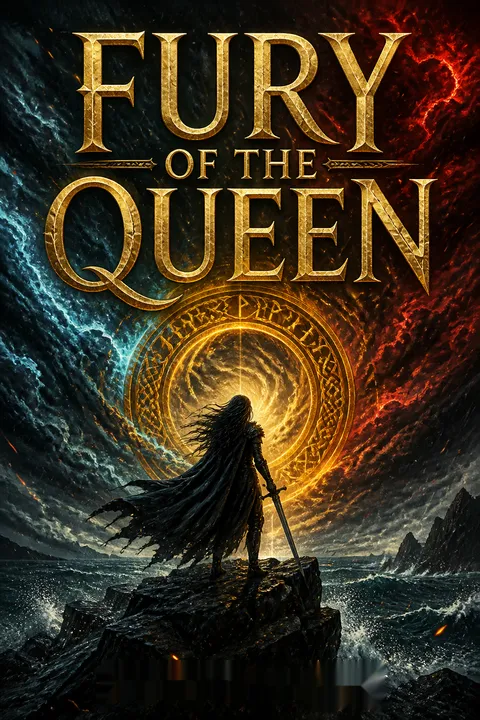
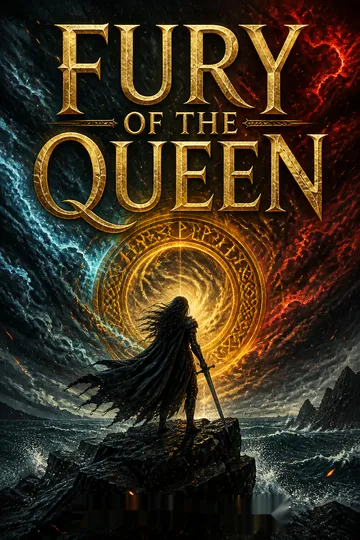
A.E. Rayne's Fury of the Queen is a sweeping epic that interrogates the nature of power, the cost of vengeance, and the possibility of redemption in a world shaped by prophecy and magic. At its heart, the novel is a meditation on cycles—of violence, trauma, and ambition—and the struggle to break free from the patterns of the past. The dreamers, once marginalized, become the true architects of fate, wielding visions as both weapons and shields. The gods, for all their power, are revealed as fallible, their rules and interventions as arbitrary as those of mortals. The emotional core of the story lies in the characters' psychological complexity: Reinar's reluctant ascent to kingship, Alys's journey from victim to agent, Gudrum's self-destructive hunger for revenge, and Jael's hard-won catharsis. The narrative's structure—alternating between intimate, character-driven moments and grand, mythic battles—mirrors the tension between fate and agency, between the personal and the political. The novel's ultimate lesson is that power, whether magical or mundane, is always double-edged: it can heal or destroy, liberate or enslave. The ending, with Mirella and Tarl Brava discovering the Sun Torc, suggests that the cycle of conflict is never truly broken, only transformed. Yet the survival of hope, love, and the possibility of change endures, offering a fragile but vital promise for the future.
Review Summary
Characters
Reinar Vilander
Reinar is the central figure of the resistance against Gudrum and Hector, chosen by prophecy and the late King Ake to be Alekka's true king. He is haunted by self-doubt, the weight of responsibility, and the fear of failing those who depend on him. His relationships—with his wife Elin, his love Alys, his brother Sigurd, and his loyal friends—are fraught with tension, jealousy, and longing. Reinar's journey is one of growth from a hesitant, guilt-ridden lord to a king forged by suffering, loss, and the hard choices of war. His arc is defined by the struggle to reconcile personal desire with the demands of leadership and fate.
Alys de Sant
Alys is a powerful dreamer whose visions and magic are crucial to the resistance. Scarred by trauma, abuse, and the loss of her family, she is driven by a need to protect her children and atone for past mistakes. Her relationship with Reinar is passionate but complicated by guilt and circumstance. Alys's arc is one of reclaiming agency, learning to trust her gifts, and ultimately choosing her own path rather than being defined by others' expectations. Her psychological depth is revealed in her struggles with self-doubt, her longing for love and belonging, and her determination to break cycles of violence and abuse.
Gudrum Killi
Gudrum is the antagonist whose quest for vengeance against Jael Furyck and the Furyck family drives much of the conflict. Scarred physically and emotionally, he is both a brutal warrior and a cunning manipulator, willing to use magic, alliances, and terror to achieve his goals. His relationship with dreamers—Raf, Gysa, Mirella—is marked by exploitation, betrayal, and a desperate need for control. Gudrum's psychological complexity lies in his inability to let go of past wounds, his hunger for validation, and his ultimate downfall at the hands of those he underestimated.
Gysa
Gysa is a dreamer transformed by Alari's magic, becoming both beautiful and terrifyingly powerful. Her motivations are shaped by trauma, vengeance, and a desire for agency in a world that has used and discarded her. Gysa's relationship with Gudrum is fraught with power struggles, resentment, and a twisted intimacy. She is both a tool of the gods and a player in her own right, her arc culminating in her death at the hands of Jael and the dreamers. Gysa embodies the dangers of unchecked ambition, the corrosive effects of trauma, and the tragic consequences of seeking power at any cost.
Jael Furyck
Jael is a legendary figure whose actions—killing Gudrum's son, surviving betrayal, and ultimately slaying Gudrum—shape the fate of Alekka. Her arc is one of vengeance, guilt, and the search for redemption. Jael's relationships—with her husband Eadmund, her family, and her enemies—are marked by loyalty, loss, and the scars of violence. She is both a symbol of hope and a reminder of the cost of war. Jael's psychological depth is revealed in her struggle to reconcile her warrior's heart with her longing for peace and belonging.
Sigurd Vilander
Sigurd, Reinar's brother, is transformed into a god but remains deeply connected to his mortal family and friends. His arc is defined by the tension between duty to the gods and loyalty to his loved ones. Sigurd's interventions—risking himself to save Ulfinnur, intervening in battle—blur the line between fate and agency. His relationship with Raf is marked by longing, regret, and the hope of reunion. Sigurd's psychological journey is one of identity, sacrifice, and the pain of being caught between two worlds.
Eddeth Nagel
Eddeth is a dreamer and healer whose quirky mannerisms mask deep wisdom and courage. She is a maternal figure to Raf and Alys, a source of comic relief, and a key player in the magical battles that shape the war. Eddeth's arc is one of self-discovery, as she learns to trust her gifts and accept her role in the fate of Alekka. Her psychological depth is revealed in her grief, her resilience, and her capacity for love and forgiveness.
Raf
Raf is a dreamer whose loyalty is tested by her history with Gudrum and her love for Sigurd. Scarred by trauma and manipulation, she struggles to find her place among the resistance. Raf's arc is one of sacrifice, as she risks her life to save Reinar and ultimately returns from death with new strength. Her psychological journey is marked by the struggle to trust, the longing for acceptance, and the courage to confront her abuser.
Stellan Vilander
Stellan is Reinar and Sigurd's father, a seasoned leader whose experience and wisdom guide the resistance. His arc is one of letting go—of control, of the past, and of his sons as they forge their own destinies. Stellan's relationships—with his family, his old friends, and his enemies—are shaped by loyalty, regret, and the pain of survival. His psychological depth is revealed in his struggle to balance love and duty, hope and realism.
Mirella Vettel
Mirella is Alys's mother, a dreamer whose alliance with Tarl Brava and mastery of forbidden magic set the stage for the next cycle of war. Her arc is one of ambition, manipulation, and the pursuit of power at any cost. Mirella's psychological complexity lies in her ability to justify cruelty, her longing for agency, and her willingness to sacrifice anything for her vision of the future.
Plot Devices
Prophecy and Dream Magic
The narrative is driven by the interplay of prophecy, dream magic, and the struggle to interpret and resist fate. Dreamers on both sides wield visions as weapons, shaping the course of events and blurring the line between destiny and free will. The gods' refusal to intervene directly, except in moments of crisis, creates tension between mortal agency and divine manipulation. Foreshadowing is woven through dreams, omens, and the recurring motif of cycles—of vengeance, power, and loss.
Duality of Power
The story explores the duality of power—political and magical, mortal and divine, masculine and feminine. Characters are constantly forced to choose between personal desire and the greater good, between vengeance and mercy, between loyalty and ambition. The gods' war mirrors the mortals' struggles, with betrayals, shifting alliances, and the ever-present threat of chaos. The narrative structure alternates between intimate character moments and sweeping battles, using multiple points of view to create a tapestry of interconnected fates.
Cycles of Vengeance and Redemption
The plot is structured around cycles—of vengeance, betrayal, and the quest for redemption. Old wounds drive new conflicts, and the sins of the past haunt the present. Yet the possibility of breaking the cycle—through sacrifice, forgiveness, and the courage to choose a different path—remains a central theme. The use of parallel storylines (mortal and divine, past and present) creates a sense of inevitability, while moments of agency and resistance offer hope.
The Lords of Alekka Series
About the Author

Download PDF
Download EPUB
.epub digital book format is ideal for reading ebooks on phones, tablets, and e-readers.








































