
Plot Summary
Gods on the Edge
Belenus, a god, surveys a fractured land: mortals, mages, and Faie war for dominance after the barrier to the in-between was shattered, unleashing wild magic. With his fellow god Arawn, Belenus resolves to cull those responsible and restore order, even if it means punishing the innocent. The gods' return signals a reckoning for those who tampered with the world's natural order, setting the stage for a struggle that will test the limits of power, love, and sacrifice. The gods' cold resolve casts a shadow over the land, and their intervention will ripple through every life, mortal and immortal alike.
Flames in the Forest
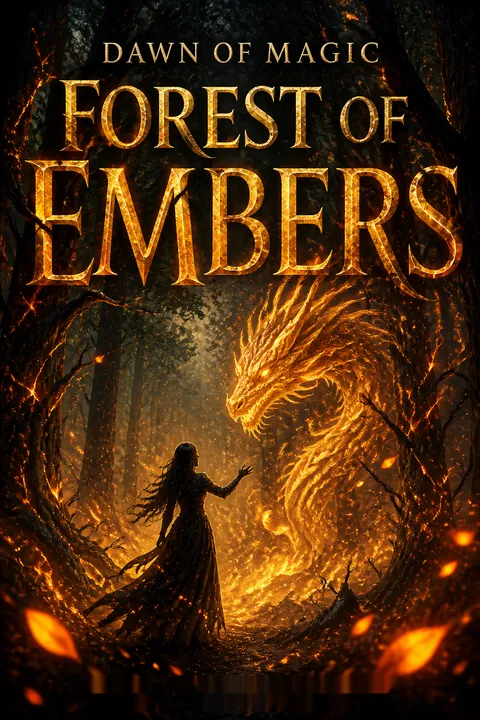
Finn, a Dair—earth magic's queen—fights fire elementals ravaging the forest, her power waning and her spirit heavy with guilt over a friend's curse. Anna, her pragmatic companion, and Naoki, her spirit-bonded dragon, help her survive the flames. The trio's bond is tested by danger and Finn's sense of responsibility for the chaos unleashed by the broken barrier. Even as they extinguish the immediate threat, Finn's mind is consumed by the greater disaster: Iseult, the man she loves, lies cursed and comatose, a victim of the world's unraveling. The fire's aftermath leaves Finn more determined, but also more haunted by the cost of her actions.
Fortress of Guilt
Within the ancient Druid fortress, Finn and Anna find only temporary safety. Anna's own past and complicated feelings for Eywen, an immortal Aos Sí warrior, surface as they discuss the growing instability of the world. The fortress, once a symbol of magical refuge, now feels like a prison of regret and helplessness. Iseult's worsening condition weighs on everyone, and the search for Niklas—the elusive Traveler who might hold answers—becomes urgent. The fortress's walls cannot keep out the consequences of broken magic, nor the emotional wounds festering within its inhabitants.
Cursed and Bound
Finn visits Iseult, wracked by guilt and love. His curse, a living death, is a punishment for the world's imbalance—a fate Finn feels responsible for. Kai, once human but now part Dark Faie, tries to comfort her, but Finn's sense of failure is overwhelming. The trio's relationships are tangled by shared history, sacrifice, and the burden of immortality. Finn's determination to save Iseult and restore balance is matched only by her fear that every action she takes might make things worse. The curse is both literal and symbolic: a chain binding all their fates together.
The Search for Niklas
Haunted by the need to break Iseult's curse, Finn seeks Niklas, the Traveler whose knowledge of the in-between may hold the key. Niklas finally appears, revealing that the gods themselves are behind the curse and the world's instability. He warns that Belenus and Arawn lead mortals against mages, seeking to restore balance by force. The gods' return is not just punishment—it is a campaign to erase excess magic, with Finn and her friends caught in the crossfire. Niklas's cryptic guidance sets Finn on a path to confront the gods directly, even as the cost grows ever higher.
Bargains with Gods
Arawn, god of curses, confronts Finn in Sormyr, offering a cruel bargain: surrender herself to Belenus and die, and Iseult's curse will be lifted. Finn, torn between self-sacrifice and the hope of a better solution, agrees to meet Belenus. The gods' power is absolute, but their rules are strange—mortals must submit willingly for the gods' justice to be enacted. Finn's willingness to risk everything for love and redemption is both her greatest strength and her most dangerous flaw. The gods' manipulations force her to confront the limits of her agency and the true price of atonement.
Sormyr's Shadowed Streets
In Sormyr, Finn, Anna, and Kai navigate a city simmering with anti-magic sentiment and haunted by their own pasts. Anna faces Pettr, the man who once betrayed and abused her, and finds the strength to confront him at last. The city's tension mirrors the internal struggles of the trio: guilt, anger, and the longing for forgiveness. As Finn prepares for her fateful meeting with Belenus, the city's shadows seem to close in, and the threat of violence—both human and divine—grows ever more imminent.
The Price of the Past
Anna's confrontation with Pettr is a crucible: she faces her abuser and reclaims her agency, refusing to be defined by her trauma. This act of courage echoes the book's larger themes—healing, self-forgiveness, and the necessity of facing the past to move forward. Anna's victory is not just personal; it is a statement that the cycle of pain can be broken, even in a world where magic and gods seem to dictate fate. Her growth inspires those around her, and her bond with Eywen deepens as she allows herself to hope for love again.
Arawn's Deadly Offer
Arawn escorts Finn to Belenus, demanding her willing sacrifice. But Finn, ever resourceful, realizes the gods' power is limited by consent and the boundaries of mortality. She gambles on her insight, refusing to submit, and instead confronts Belenus with a counter-offer: give her time to restore balance herself, or risk greater chaos. The gods' rules, ancient and binding, force Belenus to accept. Finn's defiance buys a fragile reprieve, but the cost is high—her life, her magic, and the safety of all she loves hang in the balance.
The Castle Confrontation
Inside Sormyr's castle, Finn faces Belenus. She exposes the gods' limitations and bargains for time, threatening to unleash the Faie against mortals if the mages are attacked. Belenus, surprised and constrained by the rules of his own existence, agrees to her terms. The confrontation is a battle of wills, not power—a testament to Finn's growth and the enduring strength of hope. Yet, the gods' patience is not infinite, and the threat of annihilation remains ever-present.
Dragons Descend
As Finn and her companions journey to Garenoch, dragons—drawn by the world's excess magic—begin to appear, attacking both mortals and mages. The dragons are not just beasts; they are forces of nature, attracted to magic and capable of shifting the balance themselves. The group's arrival at Garenoch coincides with a devastating dragon assault, forcing alliances between old enemies and testing the limits of courage and sacrifice. The dragons' arrival signals that the world's unraveling is accelerating, and that time is running out.
Shifting Realities
The consequences of broken magic become literal as entire villages, people, and even Finn herself are caught in reality shifts—vanishing into other realms or states of existence. Kai's family disappears, and Finn is nearly lost forever after sacrificing her magic to save Naoki, her dragon. The world's fabric is fraying, and the only hope lies in restoring balance before all is lost. The pain of loss and the terror of the unknown drive the characters to desperate measures, but also reveal the depth of their love and loyalty.
Loss and Reunion
Finn, gravely wounded and stripped of her magic, is saved by the intervention of the black dragon and the loyalty of her friends. Her return from the brink of death is a miracle, but it comes at a cost: she is now dragonkin, changed in ways she cannot yet understand. The reunion with her companions is bittersweet—there is joy, but also the knowledge that the world is still on the edge of destruction. The bonds of love, friendship, and chosen family are all that hold them together.
The Dragon's Bargain
The black dragon, recognizing Finn as kin after her sacrifice for Naoki, offers her a path to restore what has been lost. Finn's transformation is both a blessing and a curse—she has lost her old magic, but gained new potential. The dragon's cryptic guidance points toward a final confrontation with Belenus and the possibility of rescuing those lost to the shifting realities. The stakes are higher than ever, and Finn must embrace her new identity to save the world.
The Last Hope
With the help of Oighear, the Snow Queen, and the reluctant cooperation of the Faie, Finn and her friends prepare for a last attempt to restore balance. Old wounds are healed, new alliances forged, and the lessons of the past are brought to bear on the present crisis. The group's unity is their greatest weapon, and their willingness to sacrifice for one another is what sets them apart from the gods and dragons they face.
The Cost of Magic
The story's climax is a meditation on the cost of power and the necessity of letting go. Finn's journey—from guilt-ridden queen to selfless savior—mirrors the world's own struggle to heal. The restoration of balance requires not just the defeat of external threats, but the acceptance of loss, the forgiveness of self and others, and the courage to hope for a better future. The survivors are forever changed, but their scars are proof of their resilience.
The Path Forward
With the immediate crisis averted, Finn and her companions look to the future. The world is still wounded, and the threat of gods, dragons, and shifting realities remains. But there is hope: the bonds forged in adversity, the lessons learned, and the willingness to fight for love and justice offer a path forward. The story ends not with triumph, but with the promise of renewal—a testament to the enduring power of hope in the face of darkness.
Analysis
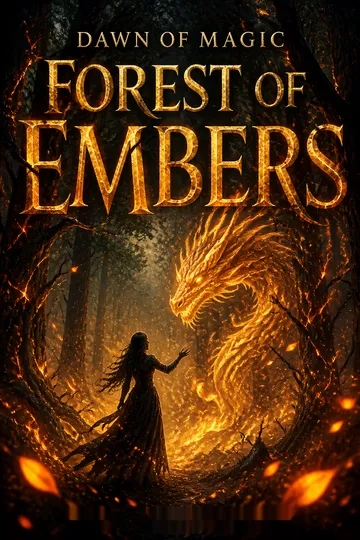
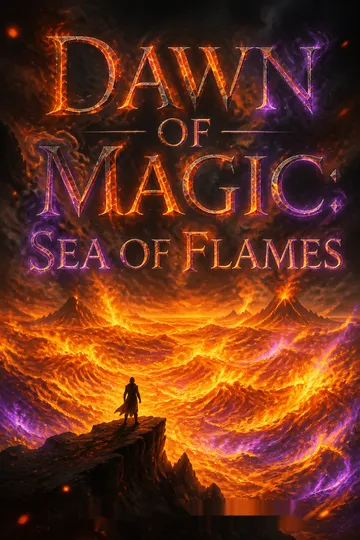
"Dawn of Magic: Forest of Embers" is a sweeping fantasy that explores the consequences of power, the burden of guilt, and the redemptive potential of love and sacrifice. At its heart, the novel is about the struggle to restore balance—in the world, in relationships, and within oneself—after a catastrophic rupture. The gods, dragons, and shifting realities are not just external threats; they are manifestations of the characters' internal conflicts and the world's collective trauma. Finn's journey from guilt-ridden queen to selfless savior is mirrored by the evolution of her companions, each forced to confront their past and choose hope over despair. The story's refusal to offer easy answers—its insistence that healing requires both loss and forgiveness—gives it emotional depth and resonance. In a modern context, the book speaks to the dangers of unchecked ambition, the necessity of facing the consequences of our actions, and the enduring power of community and empathy. Ultimately, "Dawn of Magic: Forest of Embers" is a testament to the resilience of the human (and inhuman) spirit, and a reminder that even in the darkest times, the possibility of renewal endures.
Review Summary
People Also Read
Characters
Finn
Finn is the Dair, a being of earth magic and the story's emotional core. Her journey is one of guilt, love, and relentless responsibility—she feels personally accountable for the world's unraveling after breaking the barrier to the in-between. Her relationships with Iseult (her cursed beloved), Kai (her loyal friend, part Dark Faie), and Anna (her pragmatic companion) are fraught with sacrifice and longing. Finn's psyche is marked by trauma and a desperate need to atone, leading her to risk everything for those she loves. Her transformation—losing her magic to save Naoki, becoming dragonkin—mirrors her internal evolution from self-loathing to acceptance and hope. Finn's arc is a meditation on the cost of power, the pain of guilt, and the redemptive potential of love.
Iseult
Iseult is Finn's beloved, cursed into a living death by the gods as punishment for the world's imbalance. His relationship with Finn is defined by mutual sacrifice—he is both her greatest weakness and her source of strength. Iseult's stoic exterior hides deep vulnerability; he is haunted by his family's history and the curse that binds him. His eventual rescue and reunion with Finn are hard-won, symbolizing the possibility of redemption and the healing power of love. Iseult's presence grounds Finn, reminding her (and the reader) that even in a world of gods and monsters, human connection is the ultimate magic.
Kai
Kai, once human, is now part Dark Faie due to a blood-bond with Finn. His journey is one of loyalty, self-doubt, and grief—he is both Finn's protector and a victim of her choices. The loss of his family to the reality shifts devastates him, and his struggle to forgive Finn (and himself) is a central emotional thread. Kai's transformation—embracing his new nature, confronting the Dearg Due, and ultimately choosing hope over despair—reflects the story's themes of resilience and the search for belonging. His bond with Anna and Finn is deep, forged in shared suffering and mutual sacrifice.
Anna
Anna is Finn's pragmatic, fiercely loyal friend, shaped by a traumatic past of abuse and betrayal. Her arc is one of healing and self-assertion—she confronts her abuser, reclaims her agency, and allows herself to love again in her relationship with Eywen. Anna's Traveler blood gives her unique insight into magic and reality, but it is her emotional intelligence and courage that make her indispensable. She is the story's anchor, reminding others (and herself) that survival is not enough—one must also seek meaning, connection, and forgiveness.
Naoki
Naoki, Finn's dragon, is more than a magical companion—she is a symbol of innocence, loyalty, and the possibility of new beginnings. Their spirit-bond is a lifeline for Finn, and Naoki's near-death and resurrection mark the story's emotional nadir and turning point. Naoki's presence draws dragons to the world, embodying both the dangers and wonders of unleashed magic. Her survival, thanks to Finn's ultimate sacrifice, is a testament to the power of love and the interconnectedness of all beings.
Eywen
Eywen is an Aos Sí warrior, once bound to Oighear but now devoted to Anna. His calm, ancient perspective contrasts with Anna's volatility, and his willingness to love and protect her is a source of healing for them both. Eywen's immortality is both a gift and a burden—he has seen centuries of conflict and loss, but remains hopeful. His loyalty to Finn and the group is unwavering, and his wisdom often guides them through crisis.
Oighear the White
Oighear, once a tyrant, is now a complex figure—her power over the Faie and her godly heritage make her both a threat and a necessary ally. Her relationship with Finn is fraught with rivalry and grudging respect. Oighear's willingness to help break Iseult's curse and confront the dragons is motivated by self-interest, but also by a recognition of shared fate. She embodies the ambiguity of power: capable of great harm, but also of unexpected redemption.
Niklas
Niklas is a Traveler, master of the in-between, and a catalyst for much of the story's chaos. His motives are enigmatic—he aids Finn, but always with an eye to his own survival. Niklas's knowledge of the gods and reality shifts is crucial, but his manipulations often make things worse. He represents the dangers of unchecked curiosity and the moral ambiguity of those who play with the fabric of reality.
Ealasaid
Ealasaid, Queen of Wands, is the leader of the mages and a new mother. Her strength is tested by the dragon attacks and the threat of annihilation from both gods and mortals. Ealasaid's relationship with Maarav and her child grounds her, but also makes her vulnerable. She is a symbol of hope and resilience, determined to protect her people even as the world falls apart.
Belenus and Arawn
Belenus and Arawn are the story's divine antagonists—gods returned to restore balance by any means necessary. Their motivations are cold and impersonal, viewing mortals as pawns in a cosmic game. Yet, their power is not absolute; they are bound by ancient rules and the necessity of consent. Their presence forces the characters to confront the limits of agency, the cost of power, and the meaning of justice.
Plot Devices
Broken Barrier and Wild Magic
The breaking of the barrier to the in-between is the story's inciting event, unleashing wild magic and destabilizing reality itself. This device allows for the emergence of dragons, the return of gods, and the shifting of entire villages into other realms. It externalizes the characters' internal struggles—guilt, loss, and the longing for redemption—by making the world itself unstable. The barrier's destruction is both a literal and metaphorical rupture, forcing every character to confront the consequences of their actions and the limits of their power.
Curses and Sacrifice
Curses—especially Iseult's—are central to the plot, symbolizing the cost of broken trust and the need for atonement. The only way to break these curses is through sacrifice: Finn gives up her magic and immortality to save Naoki, and is willing to die for Iseult. The gods' bargains are always double-edged, demanding willing submission and testing the characters' resolve. Sacrifice is both a plot engine and a thematic core, driving the story toward its emotional climax.
Shifting Realities
The reality shifts—villages, people, and even Finn herself vanishing into other realms—are a powerful device for illustrating the stakes. They make the threat immediate and personal, as beloved characters are lost and the world becomes increasingly surreal. The shifts also allow for moments of reunion and revelation, as Finn's journey through the in-between offers new insights and possibilities for restoration.
Spirit Bonds and Transformation
The spirit-bond between Finn and Naoki, and the blood-bonds between Finn, Kai, and Iseult, are devices that blur the boundaries between self and other, human and magical, mortal and immortal. These bonds drive the plot—enabling rescues, transformations, and the ultimate hope for restoration. They also serve as metaphors for the interconnectedness of all life and the necessity of empathy and self-sacrifice.
Foreshadowing and Prophecy
The narrative is laced with foreshadowing—prophecies, dreams, and cryptic warnings from gods, dragons, and Travelers. These elements build tension and guide the characters' choices, while also raising questions about free will and destiny. The story's structure, moving from crisis to crisis, is shaped by these glimpses of possible futures, keeping the reader in suspense and the characters on edge.
Tree of Ages Series
About the Author
Download PDF
Download EPUB
.epub digital book format is ideal for reading ebooks on phones, tablets, and e-readers.








































