
Plot Summary
Night Visitors and New Fears
Nine months after Pippa's sudden death, Alfie, her partner, is haunted by his twin daughters' nightly visits. The girls, Sylvie and Cassia, claim a man is in their room, their voices eerily flat and synchronized. Alfie, numb with grief, tries to comfort them, but the fear lingers. The house, Hart House, is heavy with loss, and the girls' presence in his bed is a painful reminder of Pippa's absence. The visits stop as suddenly as they began, but the memory of their fear and the sense of something unseen lingers. The family's grief is palpable, and the boundaries between dream and reality begin to blur, setting the stage for the arrival of something—or someone—new.
The House Inheritance
Hart House, once a place of joy, is now a mausoleum of memories. Julia, Pippa's twin, returns at Alfie's request, and the house's history—its passage from Marian, the matriarch, to Pippa and Alfie—becomes a source of tension. Marian's frequent visits and subtle claims to the house make Alfie feel like an outsider, deepening his sense of displacement after Pippa's death. Julia, herself haunted by the past, feels the weight of inheritance and loss. The house is both a sanctuary and a prison, its walls bearing witness to generations of family trauma, secrets, and unresolved grief. The sense of belonging is fragile, and the house's legacy is as much a burden as a gift.
Black Mamba Arrives
The twins introduce Black Mamba, an "imaginary friend" who is more than a simple playmate. He is a snake, a man, a presence that only the girls can see. Alfie is unsettled by the girls' insistence on Black Mamba's reality, especially as their stories grow more elaborate and synchronized. Julia, a psychotherapist, tries to reassure Alfie that imaginary friends are normal, especially for grieving children, but Alfie senses something deeper and more disturbing. The girls' bond is intense, almost telepathic, and Black Mamba becomes a focal point for their shared imagination—and perhaps their shared trauma. The line between fantasy and reality grows thinner, and the adults' attempts to rationalize the situation only heighten the sense of unease.
Family Tensions Surface
As the family navigates their grief, old wounds resurface. Julia and Alfie's relationship is strained by mutual guilt and unspoken resentments. Marian's presence is both comforting and suffocating, her religious beliefs clashing with Alfie's skepticism. The twins' insularity—always preferring each other's company—leaves Alfie feeling excluded, and Julia's refusal to counsel her own nieces adds another layer of distance. The family's attempts to move forward are hampered by their inability to communicate openly about Pippa's death, their own pain, and the strange happenings in the house. The sense of isolation grows, and the house itself seems to amplify their anxieties and divisions.
Portraits and Presences
Pippa's unfinished painting, discovered in the cellar, becomes a symbol of the family's unresolved grief and the lingering presence of the dead. The twins draw portraits of Black Mamba, their visions eerily similar and unsettling. Alfie is disturbed by the way the girls' drawings mirror each other, as if they are channeling something beyond themselves. The house is filled with images—photographs, paintings, sketches—that seem to hold the past in suspension. The boundaries between the living and the dead, the real and the imagined, are porous. The cellar, where Pippa died, is a place of both artistic creation and unspeakable loss, and the family is drawn inexorably toward its secrets.
The Unseen and Unsaid
Julia's memories of childhood rituals—her mother's attempts to foster psychic connections between her and Pippa—resurface as she observes the twins' uncanny synchronicity. The girls begin sleepwalking, reenacting patterns from the past. The adults struggle to interpret the girls' behavior: is it trauma, psychosis, or something supernatural? The house is filled with unspoken fears and half-remembered stories. Julia's professional detachment is tested as she becomes more deeply involved in the family's unraveling. The sense of something unseen, something unsaid, grows stronger, and the family's attempts to impose order and meaning only deepen the mystery.
The Cellar's Secrets
Alfie discovers a box of old documents in the cellar, revealing Hart House's dark history: a place of tragedy, madness, and occult rumors. The story of the Hart siblings, their adoption, and the murder trial that followed, echoes the family's own struggles with belonging and exclusion. The cellar, once a darkroom, is a site of both artistic and literal darkness. The discovery of a child's rattle, inscribed with strange symbols, and a torn page from an occult guide, suggest that the house's history is not just metaphorical but actively shaping the present. The past is alive in the house, and the family is caught in its web.
The Red Door
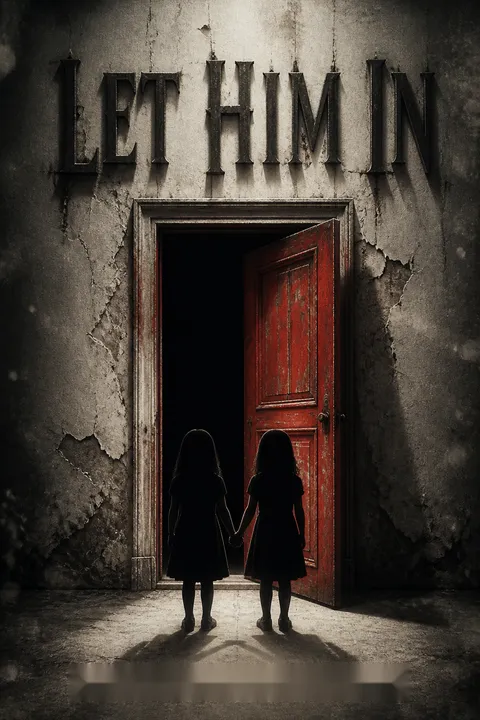
The image of a red door, first introduced as a metaphor for the boundary between life and death, becomes a recurring symbol. The twins claim that Black Mamba comes from behind the red door, a place only they can see. Julia realizes that her own attempts to comfort the girls after their grandfather's death—by inventing the image of a locked door—may have inadvertently opened a psychic threshold. The house is full of doors, both literal and figurative, and the family's attempts to keep the past at bay are constantly undermined by the permeability of these boundaries. The red door is both a warning and an invitation, a symbol of the unknown that lies just beyond the visible world.
Sibling Bonds and Rivalries
The twins' relationship is both a source of strength and a site of conflict. Their bond is so intense that it excludes everyone else, even their parents. As Black Mamba's influence grows, the girls' rivalry intensifies, culminating in physical violence and accusations. The adults are forced to confront their own roles in the girls' struggles: Alfie's perceived favoritism, Julia's unresolved feelings about her own twinship with Pippa, and Marian's manipulations. The family's attempts to separate the girls, to encourage individuality, are met with resistance. The struggle for identity—both as individuals and as part of a pair—is at the heart of the story, and the resolution of this conflict is key to the family's healing.
The Breaking Point
A series of crises—Sylvie's violent outburst, Cassia's mysterious bruises, and a visit from social services—bring the family to the brink. The adults are forced to confront the reality of the girls' suffering and their own complicity. Julia and Alfie's relationship reaches a turning point, as secrets are confessed and old wounds reopened. The family's attempts to control or banish Black Mamba fail, and the sense of helplessness is overwhelming. The house, once a place of safety, is now a site of danger and uncertainty. The breaking point is both a moment of crisis and an opportunity for transformation.
The Ritual of Letting Go
In a climactic sequence, the family, led by Marian, attempts a ritual to banish Black Mamba. The house is filled with candles, incense, and the scent of the past. The girls, at last, admit that Black Mamba is gone, and the fever breaks. Marian's death, soon after, marks the end of an era and the release of the family from her influence. The house is no longer haunted, and the family is free to move forward. The ritual is both a literal and symbolic act of letting go, an acknowledgment that the dead cannot be reached and that the living must find their own way.
The Return and the Future
Months later, Julia returns to Hart House, now her home with Alfie and the girls. The family is healing: the twins are growing, the house is filled with light, and a new child is on the way. The past is not forgotten—Pippa's art remains, and the memory of Black Mamba lingers—but it no longer dominates the present. The family has learned to live with loss, to accept the limits of love and the inevitability of change. The story ends with a sense of hope and renewal, as the family embraces the future while honoring the past.
Analysis
Let Him In is a haunting exploration of grief, family, and the porous boundaries between reality and imagination. At its core, the novel interrogates how trauma—especially the sudden loss of a loved one—can fracture identity, warp relationships, and give rise to powerful, sometimes dangerous, coping mechanisms. The twins' creation of Black Mamba is both a psychological response to loss and a commentary on the power of belief: what we imagine can become real, shaping our actions and relationships. The house itself, with its layers of history and tragedy, becomes a metaphor for the mind—full of locked doors, hidden rooms, and echoes of the past. The novel resists easy answers: is Black Mamba a demon, a ghost, or simply the product of collective grief? The ambiguity is deliberate, reflecting the uncertainty that accompanies loss and the limits of rational explanation. Ultimately, the story is about the necessity of letting go—of the dead, of guilt, of the need for control—and the possibility of renewal. The family's journey is painful and messy, but it ends with a hard-won acceptance: the past cannot be changed, but the future can be chosen. The lesson is both simple and profound: to heal, we must let the past rest, honor our losses, and embrace the imperfect, unpredictable life that remains.
People Also Read



Characters
Alfie
Alfie is a man adrift after the sudden death of his partner, Pippa. Left to raise their twin daughters alone in a house that was never truly his, he is haunted by grief, guilt, and a sense of exclusion—from the twins' intense bond, from Pippa's family, and from the house's history. His relationship with Julia is fraught with unspoken resentments and mutual need. As Black Mamba's presence grows, Alfie's grip on reality weakens, and he becomes both protector and potential threat. His journey is one of painful self-examination, confession, and, ultimately, acceptance. He is a man who longs for connection but fears he can never truly belong.
Julia
Julia is Pippa's twin, a psychotherapist who is both drawn to and repelled by her family's legacy. Her professional detachment is tested by her nieces' suffering and her own unresolved grief. Julia's relationship with Pippa was complex—marked by love, rivalry, and a sense of always being second best. Her return to Hart House is both a homecoming and a confrontation with the past. She is analytical, skeptical, and fiercely protective, but also haunted by guilt over her role in the family's traumas. Julia's journey is one of self-forgiveness, the acceptance of imperfection, and the willingness to embrace a future she never expected.
Sylvie
Sylvie is the more emotional and impulsive of the twins, often seen as Alfie's favorite. She is quick to anger, prone to guilt, and desperate for reassurance. Her experiences with Black Mamba are both a manifestation of her grief and a cry for attention. Sylvie's aggression toward Cassia and her eventual confession of guilt are central to the family's crisis and healing. She embodies the vulnerability of childhood, the need for love, and the dangers of unresolved trauma.
Cassia
Cassia is the quieter, more self-contained twin, often aligned with Pippa and later with Julia. She is the originator of Black Mamba, using the imaginary friend to bind Sylvie to her and to cope with her own feelings of abandonment. Cassia's self-harm and mysterious bruises are outward signs of her inner turmoil. Her eventual confession—that Black Mamba is not real, and that she created him—marks a turning point in the family's recovery. Cassia represents the complexity of sibling bonds, the power of imagination, and the pain of loss.
Pippa
Pippa's presence is felt throughout the novel, in her art, her daughters, and the memories of those who loved her. She was passionate, creative, and restless, her relationship with Alfie both loving and fraught. Her death is the catalyst for the family's unraveling, and her unfinished painting symbolizes the unresolved nature of her life and relationships. Pippa is both muse and mystery, her absence shaping the lives of those left behind.
Marian
Marian is Pippa and Julia's mother, a woman whose faith is both a comfort and a weapon. Her influence over the family is pervasive, her beliefs shaping the girls' understanding of death and the supernatural. Marian's attempts to control and protect often backfire, deepening the family's wounds. Her death marks the end of an era and the release of the family from her shadow.
Black Mamba
Black Mamba is the twins' creation, a shape-shifting presence that embodies their grief, fear, and desire for control. He is at once protector and threat, a vessel for the family's unspoken anxieties. As the story progresses, Black Mamba becomes a symbol of the power of belief, the dangers of unresolved trauma, and the thin line between imagination and reality. His eventual banishment is both an exorcism and an act of acceptance.
Hart House
The house is more than a backdrop; it is a living entity, shaped by generations of trauma, loss, and longing. Its history is one of tragedy and mystery, its rooms filled with echoes of the past. The house both shelters and imprisons, its boundaries porous and its secrets ever-present. It is a place where the living and the dead, the real and the imagined, coexist uneasily.
Sue
Sue is Marian's sister, a stabilizing force in the family and the church. Her own loss—the death of her son, Michael—parallels the family's grief. Sue's faith is both a comfort and a source of denial, her dementia a symbol of the erasure of memory and the persistence of the past.
Michael
Michael's death in childhood is a foundational trauma for the family, shaping their beliefs about the supernatural and the afterlife. His presence lingers in stories, rituals, and the family's collective memory. Michael is both a lost child and a symbol of the dangers of clinging to the past.
Plot Devices
The Imaginary Friend as Manifestation
The central device is the twins' creation of Black Mamba, an imaginary friend who becomes a vessel for their grief, fear, and need for control. He is a shape-shifter, taking on forms that reflect the girls' emotional states and the family's history. Black Mamba is both a psychological coping mechanism and a possible supernatural presence, blurring the line between reality and imagination. His influence grows as the family's tensions escalate, and his banishment coincides with the family's acceptance of loss and the limits of love.
The Haunted House
The house is both setting and character, its history of tragedy and occult rumor shaping the present. The discovery of old documents, the recurring scent of incense, and the presence of hidden doors and rooms all contribute to the sense of a living, haunted space. The house amplifies the family's anxieties and divisions, serving as a crucible for their transformation.
Twinship and Doubling
The motif of twinship runs throughout the novel, from Julia and Pippa to Sylvie and Cassia. The twins' intense bond is both a source of strength and a site of conflict, their mirroring behaviors reflecting deeper struggles for identity and belonging. The adults' attempts to separate or individuate the twins are met with resistance, and the resolution of their rivalry is key to the family's healing.
Ritual and Exorcism
The family's attempts to banish Black Mamba—through rituals, therapy, and confrontation—are both literal and symbolic acts of letting go. The use of candles, incense, and religious language echoes the house's occult history and the family's own rituals of mourning and remembrance. The failure and eventual success of these rituals mark the family's journey from denial to acceptance.
Foreshadowing and Recurrence
Recurring dreams, unfinished paintings, and repeated phrases ("We got you, we got you!") serve as foreshadowing and reinforce the cyclical nature of grief and trauma. The past is never truly past; it returns in new forms, demanding recognition and resolution. The family's ability to break these cycles is the measure of their healing.
Download PDF
Download EPUB
.epub digital book format is ideal for reading ebooks on phones, tablets, and e-readers.








































