
Plot Summary
The Red Door Reunion
Jamie, a young academic and secret witch, arrives at her mother Serena's isolated schoolhouse after years of distance. She's driven by a sudden, overwhelming need to reconnect before it's too late. The visit is awkward, full of unspoken history and the weight of grief for Mae, Jamie's other mother, who has died. Jamie wants to share her secret—her practice of magic—with Serena, hoping it might help her mother escape her emotional exile. The encounter is tentative, full of old patterns and new vulnerabilities, as Jamie tries to bridge the gap between them with a promise of something transformative.
Lessons in the Woods
Jamie leads Serena into the woods behind the schoolhouse, searching for a neglected, liminal place where magic can happen. She explains her ritual: it's not about power, but about knowing and expressing your deepest wants, then letting them go. Jamie performs a spell to address her own financial woes, showing Serena the process. Serena is skeptical but curious, and Jamie hopes this act will awaken her mother's dormant desires and help her reclaim a sense of agency. The lesson is as much about vulnerability and self-knowledge as it is about the supernatural.
Grief's Unfinished Business
Weeks pass before Jamie returns, only to find Serena in distress. Serena has tried her own spell, leaving a memento of Mae in the woods, but the result is a haunting: the schoolhouse is filled with the stench and memory of Mae's decline. The magic has dredged up unresolved grief rather than healing it. Jamie realizes that magic, like grief, is unpredictable and can backfire if the true desire is muddled or impossible. Together, they attempt to undo the harm, learning that magic requires clarity, humility, and a willingness to want something new.
Magic's Unintended Consequences
Jamie and Serena's relationship deepens as they navigate the fallout from Serena's failed spell. Serena's grief is raw, and Jamie is forced to articulate the limits and dangers of magic. They discuss the difference between wanting and needing, and the importance of asking for what is possible. Serena tries again, this time with Jamie's guidance, and the haunting lifts. The experience leaves both women changed—more honest, more aware of their wounds, and more cautious about the power they wield.
The Hat and the Haunting
Serena's spell with Mae's hat becomes a symbol of her inability to move on. The haunting is not just supernatural but psychological—a manifestation of guilt, loss, and the fear of forgetting. Jamie recognizes that magic cannot resurrect the dead or erase pain, but it can create space for new desires and healing. The process of cleaning the schoolhouse becomes a metaphor for the slow, painful work of mourning and letting go, as mother and daughter begin to see each other more clearly.
Lost in the Spell
Jamie and Serena, after their failed spell, become physically lost in the woods. The disorientation mirrors their emotional state—adrift between past and future, unable to find their way back to normalcy. With the help of Jamie's partner Ro, they eventually find their way out, but the experience cements the need for boundaries and supervision in their magical practice. The journey through the woods becomes a rite of passage, forcing both women to confront their fears and the limits of their control.
The Letter and the Legacy
Back in her academic life, Jamie pursues the mystery of an anonymous eighteenth-century novel, "Emily," suspecting it was written by Jane Collier. Her research is guided by the same instincts she uses in magic—seeking neglected places, following intuition, and looking for hidden connections. She discovers a letter that hints at a secret history of women's friendship, queerness, and survival. The academic and magical threads of Jamie's life begin to merge, as she realizes that the stories she studies are also stories of longing, loss, and transformation.
The Witch's Pedagogy
Jamie reflects on her role as both teacher and student—in academia, in magic, and in her family. She struggles with imposter syndrome, the precarity of her career, and the responsibility of having introduced Serena to magic. The chapter explores the ethics of teaching: how much to reveal, how much to protect, and the risks of unleashing power without guidance. Jamie's relationship with her partner Ro is strained by secrets, and she begins to see that magic, like teaching, is as much about humility and listening as it is about knowledge.
Curses and Community
Serena, emboldened by her new abilities, wants to use magic for justice—or vengeance—against those who wronged her, especially the right-wing provocateur Bushwick. Jamie warns that magic fueled by anger and blame is dangerous and likely to backfire. The debate exposes the tension between justice and harm, and the seductive allure of power. The chapter ends with mother and daughter casting a curse together, crossing a line that will have unforeseen consequences for both.
The Witch Union Forms
Serena, seeking support and accountability, begins to gather other practitioners—queer, marginalized people who have discovered magic in neglected places. Jamie is wary, fearing the formation of a cult or the misuse of collective power. But the group, more support circle than coven, becomes a lifeline for its members. They share techniques, stories, and warnings, and begin to imagine how magic might be used for healing and mutual aid rather than harm. The formation of the "witch union" marks a shift from isolation to community, and from secrecy to cautious solidarity.
Sacrifice and Reckoning
As the consequences of their earlier spells ripple outward, Jamie and Serena are forced to confront the true price of their actions. Serena, wracked by guilt and a sense of failure, begins to practice "sacrifice magic"—offering up her most cherished possessions, and even her own well-being, to protect Jamie from public scandal and harassment. The act is both desperate and loving, but it threatens to consume her. Jamie, realizing what her mother is doing, races to intervene before Serena erases herself entirely.
The Undoing of Harm
Jamie finds Serena on the verge of magical self-destruction, half-buried in earth and grief. The only way to break the cycle is through forgiveness—of Serena's failures, of Jamie's own mistakes, and of the past that cannot be changed. Jamie offers a childhood talisman as a new kind of sacrifice, not to erase pain but to honor love and memory. The spell is not about undoing harm, but about accepting imperfection and choosing to live. Serena is saved, not by magic, but by the willingness to be seen and forgiven.
Forgiveness in the Compost
Serena, humbled and emptied, starts to rebuild her life with Jamie's support. Their relationship is no longer defined by guilt or obligation, but by mutual recognition of their flaws and strengths. The witch union continues, now focused on using magic for collective good—blessing those targeted by hate, supporting each other through hardship, and maintaining boundaries. Jamie and Ro tentatively rekindle their relationship, negotiating new terms based on honesty and respect. The family, though changed, endures.
A New Spell for Living
Jamie, Serena, and their circle learn that magic is not a solution to all problems, but a practice of attention, care, and humility. They accept that power is dangerous, but also necessary for survival and healing. The story ends with a sense of hope—not for a perfect life, but for the possibility of growth, connection, and joy amid disaster. The lessons of magic are the lessons of living: want boldly, forgive deeply, and never stop seeking neglected places where new things can grow.
The Power of Wanting
Throughout the narrative, the act of wanting—naming, expressing, and letting go of desire—drives both magic and personal change. Jamie and Serena learn that to want is to risk disappointment, but also to open oneself to possibility. The story insists that self-knowledge and the courage to want are prerequisites for healing, love, and meaningful action. Magic, in this sense, is not supernatural but deeply human: the art of wanting well.
The Limits of Magic
The characters come to understand that magic, like life, has limits. It cannot bring back the dead, erase trauma, or guarantee happiness. Attempts to use magic for revenge or to control others lead to disaster. The only sustainable magic is that which is rooted in humility, community, and the willingness to accept uncertainty. The story ends with a recognition that some wounds never fully heal, but that life is still worth living.
Rebuilding Family, Rebuilding Self
Serena moves away to start over, Jamie finds peace in her scholarship and community, and Ro and Jamie redefine their relationship. The witch union continues to grow, focused on mutual aid and ethical practice. The family, once shattered by loss and misunderstanding, is remade through honesty, forgiveness, and the acceptance of imperfection. The final lesson is that family is not a fixed structure, but an ongoing act of creation.
The Gist of the Gist
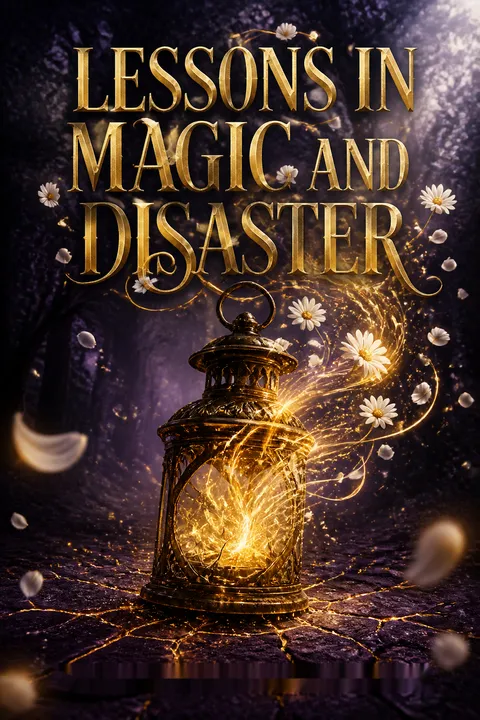
"Lessons in Magic and Disaster" is about the messy, painful, and beautiful work of living after loss. It's a story of mothers and daughters, of queer love and chosen family, of the dangers and gifts of power. Magic is both metaphor and reality—a way of naming the longing, grief, and hope that drive us to seek connection and meaning. The book insists that healing is possible, but only through vulnerability, community, and the courage to want something better.
Analysis
"Lessons in Magic and Disaster" is a novel about the messy, nonlinear process of healing after loss, and the dangers and gifts of power—personal, magical, and narrative. At its heart, the book is a meditation on the ethics of wanting: how to name, pursue, and release desire without harming oneself or others. Through the intertwined stories of Jamie, Serena, and their community, the novel explores the limits of control, the necessity of vulnerability, and the redemptive power of forgiveness. Magic, here, is both a literal practice and a metaphor for the ways we try to shape our lives and the lives of those we love. The story insists that true transformation is only possible through humility, community, and the willingness to accept imperfection. It warns against the seductions of revenge and the fantasy of erasing pain, offering instead a vision of healing rooted in honesty, accountability, and the ongoing work of connection. In a world marked by disaster—personal, political, and ecological—the novel offers no easy answers, but it does offer hope: that even amid ruin, new things can grow.
Review Summary
People Also Read
Characters
Jamie Sandthorn
Jamie is a queer, trans academic in her late twenties, haunted by grief for her late mother Mae and estrangement from her living mother Serena. She is both a scholar—obsessed with uncovering lost women's voices in literature—and a secret practitioner of magic, which she understands as the art of naming and releasing desire. Jamie's journey is one of self-discovery, as she learns the limits of her power, the dangers of secrecy, and the necessity of community. Her relationships—with Serena, with her partner Ro, and with her chosen family—are marked by longing, guilt, and the slow work of forgiveness. Jamie's arc is about moving from isolation and control to vulnerability and connection.
Serena Decker
Serena is Jamie's mother, a once-fiery journalist and housing advocate who has retreated into isolation after the death of her wife Mae and a public scandal. She is fiercely intelligent, stubborn, and prone to both righteous anger and self-recrimination. Serena's introduction to magic is both a lifeline and a danger: it gives her a sense of agency but also tempts her toward revenge and self-destruction. Her relationship with Jamie is fraught—full of love, disappointment, and the weight of unspoken grief. Serena's arc is about confronting her failures, accepting forgiveness, and learning to live again after loss.
Mae Sandthorn
Mae is Jamie's other mother, whose death haunts both Jamie and Serena. In life, Mae was the glue of the family—warm, creative, and nurturing, with a gift for community and joy. Her absence is a wound that shapes the story, driving both Jamie and Serena's actions. Mae's memory is both a source of comfort and a burden, as her loved ones struggle to honor her without being trapped by grief. She represents the possibility of love that endures beyond death, and the challenge of letting go.
Ro
Ro is Jamie's long-term partner, a nonbinary academic with a dry wit and a deep need for stability. Ro is supportive but wary of magic, and their relationship with Jamie is tested by secrets, trauma, and the fallout of magical mishaps. Ro's arc is about setting boundaries, demanding honesty, and negotiating the terms of love after betrayal. They serve as both a grounding force and a mirror for Jamie, reflecting her strengths and flaws. Ro's journey is one of self-advocacy and the courage to forgive without forgetting.
Delia
Delia is a fellow practitioner of magic, introduced through Serena's efforts to build a community. She is warm, wise, and principled, with a strong sense of boundaries and a commitment to using magic for healing rather than harm. Delia becomes a confidante and role model for Jamie, helping her navigate the ethics of power and the challenges of community. She represents the possibility of friendship and solidarity among witches, and the importance of accountability.
Paola
Paola is a younger member of the witch union, struggling with precarity and the search for belonging. She is practical, resilient, and eager to learn, but also drawn to the idea of using magic for justice or revenge. Paola's presence highlights the generational dynamics of the group, and the need for mentorship and ethical guidance. She embodies both the hope and the risk of passing on magical knowledge.
Ariella Zhang
Ariella is Jamie's thesis advisor, a seasoned scholar who offers both support and tough love. She represents the world of academia—its possibilities and its limitations—and serves as a surrogate mother figure for Jamie. Ariella's own compromises and regrets mirror Jamie's struggles, and their relationship is a source of both comfort and challenge. Ariella's arc is about recognizing the value of hidden stories and the need for change in institutions.
McAllister Bushwick
Bushwick is a right-wing activist who specializes in public shaming and harassment, targeting Serena and later Jamie. He represents the external threat of bigotry, surveillance, and the abuse of narrative power. Bushwick's actions catalyze much of the story's conflict, forcing the characters to confront the ethics of revenge, the limits of protection, and the dangers of fighting harm with harm.
Gavin
Gavin is one of Jamie's students, a privileged provocateur who delights in undermining her authority and feeding the outrage machine. He is both a minor antagonist and a symbol of the broader cultural forces that threaten marginalized people. Gavin's actions force Jamie to confront the limits of teaching, the dangers of surveillance, and the impossibility of controlling narrative.
The Witch Union
The group of witches Serena assembles—Bee, Martha, Yvette, Wardin, and others—serves as both a support network and a laboratory for ethical magic. Each member brings their own history, wounds, and desires, and together they negotiate the challenges of power, secrecy, and collective action. The union represents the possibility of solidarity among the marginalized, and the ongoing work of building trust, accountability, and shared purpose.
Plot Devices
Magic as Metaphor and Practice
The central device of the novel is magic, which operates both as a literal practice and as a metaphor for longing, grief, and agency. Magic is performed in neglected, liminal places, requiring the practitioner to name and release their deepest wants. The rules are intuitive rather than codified: magic works best when the desire is clear, possible, and untainted by anger or revenge. Attempts to use magic for harm or to control others backfire, often in unpredictable ways. The narrative uses magic to explore themes of power, vulnerability, and the ethics of intervention.
Intergenerational Trauma and Healing
The story is structured around the transmission of trauma, secrets, and healing across generations—between mothers and daughters, teachers and students, lovers and friends. The past is never fully past; grief, guilt, and longing shape the present. The process of teaching and learning magic becomes a way of confronting and transforming these inherited wounds, but also a source of new dangers. The narrative structure mirrors this, with flashbacks, letters, and embedded stories that reveal the layers of history.
Narrative as Power and Weapon
The novel foregrounds the power of narrative—who gets to tell the story, whose version is believed, and how stories can be used to harm or heal. Public shaming, academic inquiry, and personal confession are all forms of narrative magic. The threat of surveillance, misrepresentation, and erasure looms large, as characters struggle to assert their own truths against hostile or indifferent audiences. The embedded eighteenth-century novel "Emily" serves as both a parallel and a key to the main story, offering lessons in survival, desire, and the cost of sacrifice.
Forgiveness and Sacrifice
The climax of the novel hinges on the idea that true healing—magical or otherwise—requires forgiveness, both of others and of oneself. Sacrifice is reimagined not as self-destruction, but as the willingness to release guilt, anger, and the need for control. The undoing of harmful magic is achieved not by another spell, but by an act of grace: the affirmation that love endures even after failure. The narrative structure uses foreshadowing, parallelism, and callbacks to earlier moments to reinforce this lesson.
Community and Accountability
The formation of the witch union is both a plot device and a thematic statement: power, whether magical or social, is most ethical and sustainable when exercised collectively, with transparency and mutual care. The group negotiates boundaries, codes of conduct, and the risks of collective action. The story resists the fantasy of the solitary hero or the all-powerful leader, insisting instead on the messy, ongoing work of building trust and accountability.
Download PDF
Download EPUB
.epub digital book format is ideal for reading ebooks on phones, tablets, and e-readers.








































