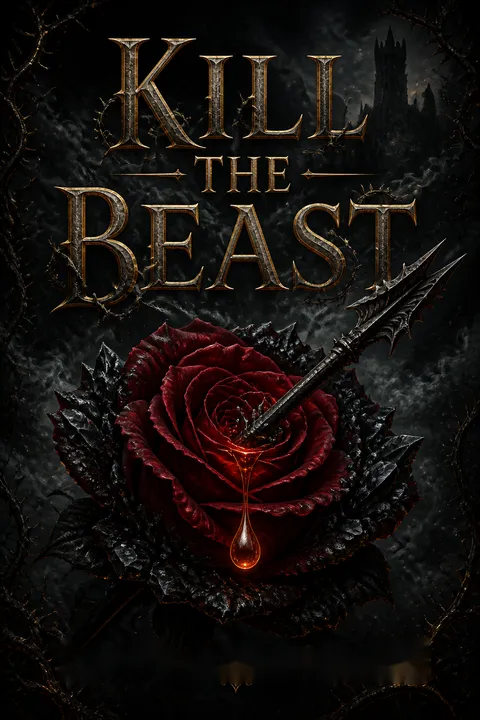

Plot Summary
Blood Brothers Bound
Gaston and the prince are inseparable since childhood, their friendship forged by shared adventure, an oath of blood, and the imaginative spark found in secret treehouses and forbidden castles. Gaston—a humble huntsman's son—and the prince, raised together in a world that blurs class boundaries, dream of endless tomorrows, while the adults around them worry about their disparate destinies. Yet, these two boys become closer than brothers, believing nothing could tear them apart. Their differences—noble and common—are mere details in the vigor of shared childhood, laughter echoing through the woods, and hope suspended in stolen books, dragon lore, and late-night stories. The joy of their bond radiates hope, yet an unspoken vulnerability surfaces: perhaps even the deepest bond can be pried open by time, fate, and tragedy.
The Dead Woods' Shadow
As the boys grow, legends and history leak into their present: the Book of Fairy Tales introduces warnings of old monsters, undead warriors, and the superstitions of the Many Kingdoms' haunted woods. Gaston dreams of heroics inspired by these stories, unaware how closely the shadows of legend will fall upon his own life. Life in the castle—eavesdropping on adult fears, whispered tragedies, and unsolvable mysteries—awakens a sense in both boys that dark stories are not just for children. The love of stories, and the secrets world of the Odd Sisters—a chorus of witches who meddle in fates unseen—set the narrative's tone, suggesting that the cost of adventure and kinship could be heartbreak and horror. Not all monsters are the ones in storybooks.
Bonds and Boundaries Broken
Gaston and the prince become co-conspirators in childhood mischief, stealing library books and trespassing into forbidden realms. They face resistance—the disapproval of Cogsworth, the grief of Gaston's lonely father, the adult world's unstated rules. Gaston longs for equality with his friend, chafing against the class divide and the pain of losing his mother tragically—a loss never spoken of directly, which festers between his father and himself. Amid the bustle of castle life, Gaston learns both his privileges and his limits; he is both family and outsider. Despite the ache of separation and social lines, Gaston finds comfort in a chosen family: Mrs. Potts becomes a loving surrogate mother, a steady and nurturing presence, quietly insisting that love and belonging are not defined by birth.
The Beast Awakens
The calm of young life shatters when tragedy strikes: the old Beast of Gévaudan, long sleep in myth, returns to terrorize the kingdom. Gaston's father, known for his courage and skill, is called to confront it, along with the king's hunters. Fear and uncertainty clutch at everyone—and especially Gaston, who yearns to prove his worth as much as he fears the monster in the woods. The divide between childhood and adulthood becomes sharp and unforgiving. Rules for safety and obedience are drawn hard, demanding loyalty and restraint, but Gaston and the prince—reckless in their courage and brotherhood—rush into the dark, breaking promises that should never be broken. Fate, secret wounds, and the weight of disobedience set a course no one can reverse.
Promise Beneath the Rose
The night Gaston's father dies at the Beast's claws is the night innocence ends. Torn by grief, guilt, and the helpless rage of loss, Gaston blames his friend, himself, and the world's cruelty. That which bound them is now a knife between them. The rose, always a symbol of love and hope in their stories, becomes a token of pain, layered with memory that will echo through the years. The dynamic between Gaston and the prince darkens—resentment, confusion, and dependency shadow every interaction, even as circumstance binds them tightly. In death's wake, Gaston's simple view of the world fractures. The fairy tales they cherished become warnings, and promises, even those sealed in blood, cannot save them from ruin.
Splintered Hearts, Silent Sins
Years pass; Gaston lives half in memory, half in hollow comfort. He stays in the castle, hunting, learning, shaping himself in shadows. The prince—unable or unwilling to apologize—clings to Gaston, desperate not to lose him, their brotherhood now alloyed with possessiveness and guilt. The adult world's hardships become evident: loss not just of parents but of innocence, stability, and past love. Interactions with Cogsworth bring reminders of the world's harsh hierarchies, while Mrs. Potts stands by as a gentle constant. Yet, the castle now feels colder, Gaston's sense of place there more artificial. Friendship persists, dulled and complicated—love and pain indistinguishable in memory's fog.
The Curse Is Cast
Years later, the prince prepares to ascend—now a man, still unable to heal the rift with Gaston. He falls for Circe, a mysterious enchantress, whose Odd Sisters resent the union. Circe's love, questioned by her family and undermined by witchly omens, unravels under outside manipulation. Betrayal comes at a cost: when the prince casts Circe aside (with Gaston and the Odd Sisters' scheming), a transformative curse is unleashed. The castle is bent by magic: time blurs, souls are warped, even memories start to fade. The prince's physical form grows monstrous, his heart becomes closed. The curse is more than transformation—it's a mirror held up to every past cruelty.
Masks in Moonlit Halls
Grand balls, royal entertainments, and new alliances fill the castle—efforts to disguise the ugly truths haunting its halls. Mrs. Potts' steady hand helps maintain the semblance of tradition and order. Yet every surface shines with the reflection of something broken: both Gaston and the prince are adrift, unable to form meaningful connections. The introduction of Princess Tulip Morningstar, intended as the prince's salvation, only heightens the tension as the curse's effects worsen. Guests notice little; behind closed doors, the castle's family and staff are turning cold and strange. The Odd Sisters, ever watchful, deepen the sense that outside efforts to arrange love cannot heal a poisoned core.
Love Twisted by Time
Gaston, trying to save his friend, organizes loveless matches, hoping mere affection will break the curse. The prince courts Tulip—simple, beautiful, innocent—but his heart is warped, and his efforts only deepen his transformation and cruelty. Gaston, wracked by guilt over Circe's fate and Tulip's heartbreak, wonders what remains of his old friend. The staff vanish, one by one, into cursed grotesque objects. The past is rewritten: what was once brotherhood now breeds rivalry, envy, and blame. The environment itself twists: halls become dark, statues leer, and the castle's true nature is revealed only to those trapped within it.
Darkening of the Prince
The prince gives in to his savagery, withdrawing, shunning all but Gaston. The boundaries of the castle blur—time, memory, and identity decay alongside the prince's body and mind. Gaston, meanwhile, clings to routine, attempting to protect what little is left. When Tulip's spirit is broken and she tries to end her life—only to survive and become more powerful—new alliances are formed and old wrongs echo through neighboring kingdoms. Yet, Gaston, traumatized and cursed, begins to lose memories of his youth, his friendship, even his purpose. The death of love and the perversion of memory completes the curse: the beast is a beast, Gaston is merely a bold huntsman, and their shared story is lost.
The Ball and Betrayal
Gaston and the prince host a final, decadent celebration—masked balls, dazzling cakes, pageantry for a world that cannot see their rot. Here, masks are literal and emotional; all are complicit in maintaining the illusion of civility while love and hope are dead. The Odd Sisters, now in their fullness as witches beyond time, observe and interfere, relishing the destruction. Love cannot be found; the prince is lost in his monstrous form, and Gaston, forgetting himself, becomes what the world thinks he should be. None can save themselves; the end of innocence is absolute.
Tulip's Shattered Dream
Tulip, the would-be savior, is broken by the prince's indifference and callousness. Loving him only intensifies her pain, and finally, betrayed and exiled, she is forced to fend for herself. She is rescued not by princes or love, but by her own resolve (and a pact with the Sea Witch). Meanwhile, Gaston, complicit and increasingly monstrous in his own right, loses even more hope. In her heartbreak and defiance, Tulip becomes the kind of powerful ally (and occasional adversary) only hinted at in the fairy tales—her story will twist through the larger world long after the castle's own drama ends.
Transformation in the Castle
Memory slowly vanishes—Gaston forgets his childhood, the prince, and the winding path that brought him to this moment. The castle's remaining residents—once staff, now animated objects—cling to ritual, yet recognize their own fading humanity. The prince, almost fully transformed, prowls the night: the world outside knows only rumors and fears. Gaston, now a hunter and "hero," only remembers hatred for a beast and buried longing for something never named. The Odd Sisters ensure that the tragedy's final curtain is drawn not by fate or villain, but by a community's willful forgetting.
Remembrance and Regret
Occasionally, echoes of the past flicker: Gaston is haunted in dreams and passing reflections by faces he cannot place, a feeling of loss unnamed and unhealed. Humiliated by his inability to win Belle's affection, haunted by the city's adoration and emptiness of it, Gaston grows more erratic, cruel, and obsessed with a love he cannot truly feel. The few who remember (like the Odd Sisters) toy with his fate for their own pleasure. Meanwhile, a bestial prince, lost even to himself, becomes a symbol of everything Gaston cannot fix. Love curdles into rage, longing into destruction.
Circe's Sisters' Surprise
The Odd Sisters, Circe's family, manipulate the fates: weaving spells, sending visions, cursing emotions, and shaping memory. Their perspective—gleeful, mocking, yet oddly wise—reveals how the various stories intertwine, bleed together, create new forms. Their manipulations heighten Gaston's obsession with Belle, reinforce the prince's self-loathing, and ensure no reunion or redemption is possible without their blessing. Even those who wish for healing are forced to play out their roles to the tragic end until the greater magic is satisfied.
Belle, Beasts, and Bloodlust
The classic Beauty and the Beast story unfurls, but everything is warped: Gaston as brash, forgotten hero; Belle as willful, peculiar outsider; the Beast as haunted, guilt-ridden wreck of a man. Gaston's attempts to claim Belle—by force, by manipulation, even by threatening her father—are all doomed by his own emptiness and the web of spells that fix his desires and banish his hope for real love. Every act that should be redemptive instead deepens tragedy, each hope for a clean ending is devoured by memory's loss and the Odd Sisters' persistent interference.
The Last Hunt Begins
Rage and enchantment combine: Gaston rallies his mob with fear and charisma, driven not by true bravery but by compulsive obsession and communal expectation. He storms the castle, not remembering he was ever brother to the beast, determined to kill and to win. Their final confrontation is marked by violence, loss, and the failure of every possible redemptive path. Fate, memory, and love are all destroyed by hatred.
Brothers in Blood
As Gaston and the Beast battle atop the ruined castle, brief flashes of memory illuminate their true bond—a moment of recognition, forgiveness, regret. But it is too late. The ancient story ends in blood, Gaston falling to his death, his last thoughts a recognition of love lost, brotherhood broken, and a wish—never voiced in life—that the Beast might find someone to truly save him. The cycle of pain and enchantment continues, leaving the final path for new generations to mend or repeat.
Analysis
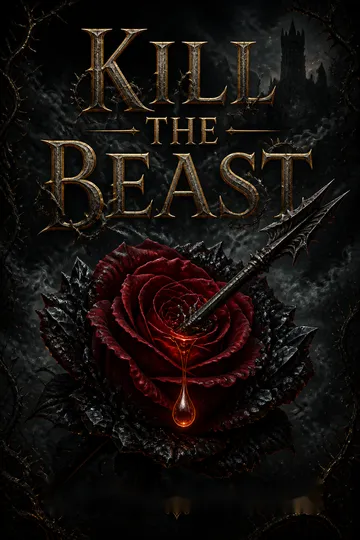
"Kill the Beast" functions as a dark palimpsest over Disney's "Beauty and the Beast," recentering the narrative on lost brotherhood, the corruption of love, and the tragic repercussions of wounds never healed. Valentino's retelling exposes the psychological machinery at the heart of classic fairy tales—how dueling desires (to belong, to redeem, to control one's fate) inevitably breed both wonder and ruin. In this rendition, love's loss is not just a romantic sorrow but the source of major historical and magical catastrophe. The story thrives not by offering easy redemption, but by forcing its characters (and by extension, its readers) to confront how quickly idealism can curdle into blame, obsession, and violence when haunted by regret and manipulated by unseen hands. The Odd Sisters' meddling dramatizes how stories can trap as well as liberate; curses become not only individual, but generational, poisoning the very act of remembering. In the end, "Kill the Beast" is a meditation on the dangers of unacknowledged pain, the seductions of narrative control, and the ambiguous hope that even the most ruinous spell might offer, not through forgetting, but through the storied process of acknowledging and transcending the wounds that made us. It is a fairy tale for our era—where monsters are made, not born, and every curse warns us to look deeper, love braver, and rewrite our stories with both courage and compassion.
Review Summary
Reviews for Kill the Beast are mixed, averaging 3.94 out of 5. Many readers enjoyed discovering Gaston's backstory and his deep brotherly bond with the prince (Kingsley), finding it emotional and surprising. However, some felt the story was inconsistent, noting that Gaston's character differs drastically from his movie portrayal. Common criticisms include over-reliance on the Odd Sisters, repetitive plot elements, typos, and too closely mirroring the original Beauty and the Beast film. Fans of the series generally appreciated it, while others felt it was among the weaker entries.
People Also Read

Characters
Gaston
Gaston is both protagonist and antihero: a boy shaped by love, longing, and a desperate thirst for belonging. His blood-brotherhood with the prince sets his early course—a rare equality bridging class and fate. Yet, his life is marked by unhealed losses: his mother's mysterious death, his father's tragic end, and the social boundaries that always remind him of his place. As tragedy unfolds, Gaston is pulled by guilt and loyalty, but a series of betrayals—his own and others'—twist him into a man of bravado and bitterness. His psychological need for approval, status, and affection is manipulated by magic and the Odd Sisters, stripping him of nuance and memory. In the end, his greatest strength—his capacity for love—is also his undoing, as loss and manipulation lead him to betray himself as thoroughly as anyone else; redemption comes too late, in a flicker of memory as he falls.
The Prince (Kingsley, The Beast)
The prince begins as Gaston's mirror and brother, enjoying freedom from convention and dreaming big dreams. But social reality and privilege (always present, if repressed) sow arrogance and entitlement, especially as he grows. His love for Gaston is as much dependence as real affection; his inability to accept responsibility, apologize, or accept limits leads to disaster—first in broken promises, then in the catastrophic rejection of Circe. The curse is both literal and symbolic: as the Beast, his monstrosity grows with each selfish decision, until he loses all sense of self and memory. Scarred by guilt, fear, and unfulfilled longing, he is a tragic figure whose failures echo through every room of his decaying castle and within Gaston's own mind.
Circe
Circe, mysterious and beautiful, is at first the prince's hope for salvation and love—her affection for him true but undermined by both her sisters and the suspicions of others. Her fate is determined by betrayal: when abandoned for political gain and manipulated by witches and men alike, she unleashes a powerful curse, not only on the prince but on all who enabled or witnessed her suffering. Psychologically, she embodies the power and danger of love betrayed, revenge, and the tragic cost of unrealized potential—her story echoes in every ruined happiness that follows.
The Odd Sisters (Lucinda, Ruby, Martha)
The Odd Sisters are both narrators and agents of chaos. From their perch within and above the fairy tale's world, they manipulate, witness, and sometimes even create misery for their own amusement or misguided sense of love (especially for Circe). They represent unaccountable ancient power—vengeful and playful, their meddling warps memory, emotion, and possibility. Psychologically, they serve as a chorus, reminding readers that stories are never objective, always re-interpreted by those with power. Their alliances and insights hold the book's meta-structure together, linking all tales of villainy, tragedy, and transformation.
Mrs. Potts
Mrs. Potts is compassion in action: a loving, steadfast surrogate mother to Gaston (and unofficially the prince), she witnesses all, offers guidance, and tries to protect the vulnerable from the brutality of the adult—and magical—world. Her psycho-spiritual resilience anchors many, but even she cannot save those most gripped by fate and curse. Her quiet strength exposes the limits of love and care in the face of overwhelming tragedy.
Gaston's Father (Grosvenor)
Grosvenor, Gaston's father, is a man marked by grief and regret: a once-social huntsman turned inward by loss, he transfers his wisdom (and wounds) to his son. His inability to talk about the past deepens Gaston's pain, while his sense of duty and reticence in sharing trauma highlight generational patterns of silence and emotional armor. His death seals Gaston's sense of failure and initiates the novel's descent into irreversible loss.
Princess Tulip Morningstar
Tulip begins as an idealized potential savior—her naive love for the prince is thoroughly exploited and destroyed by his curse-induced indifference and cruelty. Her heartbreak and suicide attempt force her into the hands of darker powers, transforming her from victim into an independent actor whose later power and alliances threaten to turn the tables on those who once used her. She represents lost innocence and the cost of others' ambitions, but she grows into an agent of change in the saga's tapestry.
Belle
Belle, independent and willful, enters the story late but acts as the catalyst for both Gaston's final obsession and the prince's only hope for redemption. She bridges the worlds of fairy tale and reality, resisting the narratives forced upon her by Gaston and the townspeople. Her integrity and refusal to accept false love or coercion jar the cursed cycle, opening a path for possible healing, even as she's threatened by the spiraling violence and obsession of others.
Lumiere
Lumiere persists beyond reason: when all others are turned to objects, he continues to act in good faith, trying to maintain dignity and hope where little exists. He is both the last witness and the last to be changed, offering moments of light (literally and figuratively) in the story's darkest corners.
LeFou
LeFou serves as an unceasing mirror to Gaston—admiring, supporting, and following even as Gaston becomes less worthy of respect or love. His loyalty is tragic and, occasionally, comedic, but his presence underscores Gaston's isolation: surrounded by fawning admiration, he is still alone.
Plot Devices
Fractured Narrative and Meta-Narration
The story's structure is deliberately fragmented: present, past, and myth slide together, as the Odd Sisters periodically break the fourth wall to explain, editorialize, and recontextualize the action. This meta-narrative commentary reminds the reader that truth, memory, and villainy are all matters of perspective, and that stories are tools of power—used to bind, to curse, and sometimes to heal. The Book of Fairy Tales is itself magical, ever-changing, and a symbol of how the stories are written and rewritten by those who hold power.
The Curse as Catalyst and Mirror
Circe's curse is both literal and metaphorical: it transforms the prince physically, warps the memories of all who knew him, writes and unwrites identity, and traps everyone in cycles of loss and emptiness. The curse externalizes inward cruelties, turning hearts into monsters, while ensuring that even heroism and love are corroded by loss, regret, and bitterness. The "degenerative" quality of the spell allows for slow, tragic realization, with each act of unkindness or self-delusion deepening the damage.
Manipulation and Memory Loss
As the curse and the Odd Sisters' machinations take hold, characters lose memory of what once made them human (and humane). This plot device enables the tragic ending by making hope impossible—without memory, reconciliation or redemption cannot occur. Love is rendered powerless when the beloved is forgotten or becomes unrecognizable.
Foreshadowing and Fairy Tale Echoes
Early references to legends, monsters, and fairy-tale structures prime the reader for an outcome that is both unique and archetypal: the boys' blood oath foreshadows their final battle; the rose's symbolism amplifies love's fragility; the ever-present motif of brother against brother (or friend against friend) is woven through warnings, dreams, and prophecies. Every event is echoed elsewhere—by magic, by the Odd Sisters, or in the Book of Fairy Tales itself.
Villains Series

About the Author
Other books by Serena Valentino
Download PDF
Download EPUB
.epub digital book format is ideal for reading ebooks on phones, tablets, and e-readers.








































