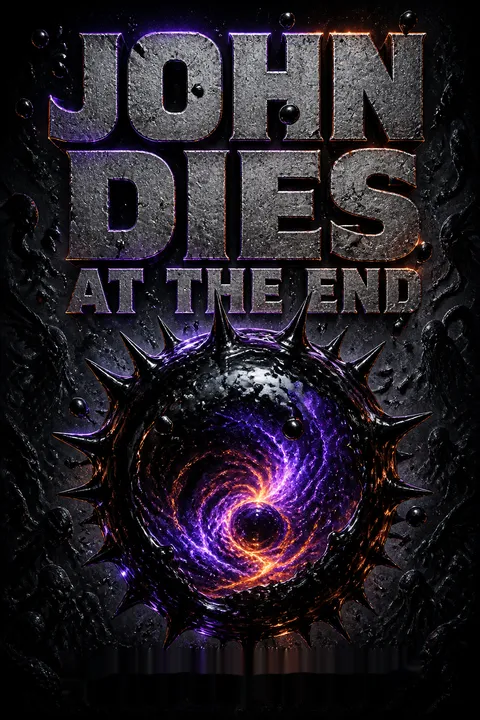

Plot Summary
The Ax Paradox
The story opens with a philosophical riddle: if you replace every part of an ax, is it still the same ax? This question haunts David Wong, our narrator, as he navigates a world where the boundaries between reality and the supernatural are constantly shifting. The ax becomes a metaphor for identity, memory, and the persistence of self in the face of trauma and transformation. David's life is already fractured, and the riddle sets the tone for a narrative where nothing is stable—neither the world nor the people in it. The sense of dread and unreality is palpable, and the reader is primed to question what is real and what is not, just as David does.
The Call at Midnight
David's uneasy peace is shattered by a bizarre, coded phone call from his friend John. The call is both a plea for help and a warning, delivered in their private language. David is drawn into a night of supernatural investigation, reluctantly pulled from his isolation by loyalty and fear. The world outside is as unstable as his inner life, filled with strange smells, ominous memories, and the ever-present threat of the unknown. The call is the catalyst that sets the story in motion, forcing David to confront the darkness that haunts both his mind and his town.
The Levitating Jamaican
At a chaotic party, David and John encounter a mysterious Jamaican man who performs impossible feats and seems to know intimate details about David's life. The man introduces them to a drug called "Soy Sauce," which promises to open doors to other worlds. The encounter is both comical and terrifying, as the boundaries between magic, madness, and manipulation blur. The Jamaican's riddles and predictions foreshadow the horrors to come, and the party becomes a microcosm of the town's hidden strangeness. The Soy Sauce is both a literal and metaphorical gateway, and its effects will ripple through every aspect of David's reality.
The Soy Sauce Effect
After John injects the Soy Sauce, he and David begin to experience reality in a fundamentally altered way. Time becomes non-linear, hallucinations bleed into the physical world, and the pair gain the ability to see the monstrous entities that lurk just out of sight. The drug is both a curse and a superpower, granting them insight at the cost of their sanity. The narrative becomes fragmented, mirroring their fractured perceptions. The Soy Sauce is a plot device that accelerates the story into chaos, making the impossible possible and the mundane terrifying.
Monsters in the Shadows
The effects of the Soy Sauce escalate as David and John are drawn into a series of increasingly bizarre and dangerous encounters. They face monsters that defy logic, including a girl who bursts into snakes and a house that tries to drown them in sewage. The line between victim and investigator blurs, as they realize that the true horror is not in haunted houses, but in haunted minds. The monsters are both literal and symbolic, manifestations of trauma, addiction, and the darkness that lurks within and without.
The Meat Man Cometh
In one of the novel's most memorable set pieces, David and John battle a monster assembled from meat, animated by supernatural forces. The fight is both absurd and horrifying, blending slapstick humor with genuine terror. The Meat Man is a symbol of the story's central theme: the grotesque and the ridiculous are inseparable. The battle is won through a combination of luck, improvisation, and the intervention of a mysterious expert, Dr. Marconi. The victory is temporary, and the sense of dread only deepens.
The Police Interrogation
After a series of deaths linked to the Soy Sauce, David and John are taken in for questioning by the police. The interrogation is surreal, as David's enhanced perception allows him to read the detectives' thoughts and see the hidden connections between events. The police are both allies and obstacles, unable to comprehend the true nature of the threat. The scene is a turning point, as David realizes that the horror is spreading and that he and John are at the center of something much larger than themselves.
The Bratwurst Prophecy
In a moment of desperation, David receives instructions from John through a bratwurst, a surreal manifestation of their psychic connection. The absurdity of the situation underscores the story's unique blend of horror and comedy. The bratwurst becomes a symbol of the unpredictable ways in which the supernatural intrudes on the mundane. The prophecy guides David to a crime scene, where he uncovers more evidence of the spreading infection and the involvement of powerful, unseen forces.
The Vegas Catastrophe
David, John, and a group of survivors are kidnapped by a possessed friend and driven to Las Vegas, where a massive supernatural event is set to occur. The journey is a descent into madness, filled with grotesque monsters, psychic battles, and the ever-present threat of possession. In Vegas, they confront the source of the infection at a seance led by Dr. Marconi. The battle is chaotic and costly, with reality itself at stake. The city becomes a battleground between the forces of light and darkness, and the outcome is uncertain.
The Shadow People
The aftermath of the Vegas incident reveals the existence of the Shadow People, entities that can erase people from history and manipulate reality itself. David and John realize that the Soy Sauce has made them targets, and that the world is far more fragile than they ever imagined. The Shadow People are both a metaphor for trauma and a literal threat, capable of rewriting the past and shaping the future. The sense of paranoia and helplessness is overwhelming, as the protagonists struggle to hold onto their identities in a world that can be rewritten at any moment.
Amy's Disappearance
The story shifts focus to Amy, a girl with a traumatic past and a mysterious connection to the supernatural events. When she goes missing, David and John are drawn into a new investigation that uncovers the town's darkest secrets. The search for Amy becomes a quest for redemption, as David confronts his own guilt and the possibility that he is not who he thinks he is. The missing girl is both a literal and symbolic figure, representing the lost innocence and the hope for salvation.
The Rooter Plant Secret
The investigation leads to the Drain Rooter plant, a seemingly ordinary factory that hides a gateway to another world. Beneath the plant, David and John discover a secret facility where monstrous experiments are conducted and the boundaries between worlds are thin. The plant is a microcosm of the story's central themes: the hidden darkness beneath the surface, the corruption of the ordinary, and the danger of unchecked power. The discovery sets the stage for the final confrontation.
The Ghost Door Opens
Using their supernatural abilities, David and John open a "Ghost Door" that leads to an alternate universe. The door is both a literal and metaphorical threshold, representing the point of no return. On the other side, they find a world ruled by Korrok, a monstrous intelligence that seeks to invade and consume their own reality. The journey through the door is a descent into the heart of darkness, where the rules of logic and morality no longer apply.
Shit Narnia
The alternate universe, dubbed "Shit Narnia," is a nightmarish reflection of their own, filled with naked, hooded figures, monstrous creatures, and a society built on suffering and control. David and John are treated as prophesied heroes, but quickly realize they are pawns in a much larger game. The world is ruled by Korrok, a godlike entity that feeds on pain and chaos. The experience is both surreal and horrifying, forcing the protagonists to confront the true nature of evil.
The World of Korrok
In the heart of Shit Narnia, David and John are brought before Korrok, a monstrous, sentient mass that claims to be the ultimate intelligence and the architect of their suffering. Korrok reveals his plan to invade their world, using the Soy Sauce and the Shadow People as his agents. The confrontation is both physical and philosophical, as David and John struggle to assert their humanity in the face of overwhelming nihilism. The battle is won through sacrifice, cunning, and the intervention of unexpected allies.
The Return and the Mark
David and John return to their own world, but nothing is the same. They discover that they have been marked by the experience, both physically and psychologically. The mark is a symbol of their connection to the supernatural, and a reminder that the battle is never truly over. The world is still haunted, and the threat of Korrok and the Shadow People remains. The sense of victory is tempered by loss, trauma, and the knowledge that the line between hero and monster is thin.
The Price of Survival
The aftermath is a time of reckoning. David is haunted by guilt over the deaths and the horrors he has witnessed. Amy, the girl they tried to save, is both lost and found, her fate a symbol of the story's ambiguity. The survivors struggle to rebuild their lives, but the scars remain. The price of survival is high, and the knowledge they have gained is both a blessing and a curse. The story ends on a note of uncertainty, as the characters realize that the fight against darkness is never truly finished.
The End is Never Over
The final chapter finds David and John trying to return to ordinary life, but the supernatural continues to intrude. The world is forever changed, and the boundaries between realities are thin. The story ends with a sense of unresolved tension, as the characters realize that the end is never truly over. The fight against darkness is ongoing, and the only certainty is that nothing will ever be the same.
Analysis
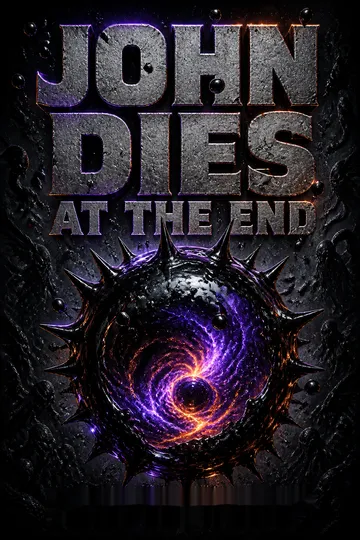
John Dies at the End is a wild, genre-bending ride that fuses horror, comedy, and existential dread into a singularly unsettling experience. At its core, the novel is about the fragility of reality and the persistence of trauma—how the past can haunt, rewrite, and even erase the present. The Soy Sauce is both a literal drug and a metaphor for the dangerous pursuit of forbidden knowledge, granting insight at the cost of sanity. The monsters, both grotesque and absurd, are manifestations of the darkness within and without, blurring the line between victim and perpetrator. The story's nonlinear structure and unreliable narration force the reader to question what is real, echoing the protagonists' own confusion and paranoia. Ultimately, the novel is a meditation on survival in a world that is fundamentally unstable, where the only constants are change, loss, and the need for connection. The ending is both hopeful and ambiguous, suggesting that the fight against darkness is never truly over, but that even in the face of cosmic horror, humor, love, and loyalty can offer a measure of redemption.
Review Summary
John Dies at the End receives polarized reviews, with an overall 3.86/5 rating. Supporters praise its bizarre humor, creative horror elements, and blend of comedy with Lovecraftian themes, comparing it favorably to works by Christopher Moore and Douglas Adams. They appreciate the juvenile, crude humor and wild imagination. Critics find it structurally messy, overly reliant on toilet humor and gore, with weak plot cohesion and offensive language. Multiple reviewers note issues with excessive grossness, disjointed narrative sections, and problematic content. The fast-paced, absurdist style divides readers sharply between enthusiastic fans and disappointed detractors.
People Also Read
Characters
David Wong (Dave)
David is the narrator and protagonist, a young man marked by trauma, self-doubt, and a deep sense of alienation. His dry wit and self-deprecating humor mask a profound vulnerability. David is both an everyman and an outsider, drawn into the supernatural by circumstance and loyalty to his friend John. The Soy Sauce amplifies his perception, but also his paranoia and guilt. Throughout the story, David struggles with questions of identity, morality, and reality itself. His journey is one of reluctant heroism, as he is forced to confront both external monsters and his own inner demons. His relationship with Amy offers a glimmer of hope, but he is forever changed by the horrors he has witnessed.
John Cheese
John is David's best friend and partner in supernatural misadventure. He is impulsive, reckless, and often infuriating, but his loyalty to David is unwavering. John's humor and bravado mask a deep-seated fear and insecurity. The Soy Sauce gives him abilities that he barely understands, and he often acts as the catalyst for the story's most chaotic events. John's relationship with David is complex, a mix of camaraderie, rivalry, and codependence. He is both a source of comic relief and a tragic figure, haunted by the knowledge that he is in over his head. John's development is marked by moments of unexpected insight and courage, as he rises to meet challenges that would break lesser men.
Amy Sullivan
Amy is a young woman with a traumatic past, marked by physical and emotional scars. Her missing hand is both a literal and symbolic wound, representing loss and resilience. Amy is drawn into the supernatural by her connection to David and John, and her disappearance becomes the catalyst for the story's second half. She is both a victim and a survivor, displaying courage and resourcefulness in the face of overwhelming odds. Amy's relationship with David is tender and complicated, offering both redemption and the possibility of a future. She is the story's emotional anchor, a reminder of what is at stake in the battle against darkness.
Korrok
Korrok is the ultimate antagonist, a godlike entity that rules the parallel world of Shit Narnia. He is both a literal monster and a metaphor for the corrupting influence of power and knowledge. Korrok claims to be the architect of the story's horrors, manipulating reality and feeding on suffering. He is both seductive and terrifying, offering the promise of order at the cost of freedom and humanity. Korrok's presence looms over the entire narrative, a reminder that the true enemy is not just monsters, but the systems that create and sustain them.
Dr. Albert Marconi
Dr. Marconi is a renowned paranormal investigator and television personality. He serves as a mentor and occasional deus ex machina, offering guidance and intervention at key moments. Marconi is both skeptical and open-minded, blending scientific rigor with a willingness to confront the unknown. His presence grounds the story, offering a counterpoint to David and John's chaos. Marconi's role is to provide context and support, but he is also a reminder that knowledge alone is not enough to defeat evil.
Detective Lawrence "Morgan Freeman" Appleton
Detective Appleton is a police officer drawn into the supernatural by his investigation of the Soy Sauce deaths. He is both a skeptic and a believer, struggling to reconcile the horrors he witnesses with his sense of duty. Appleton's fate is a cautionary tale, a reminder that the darkness can consume even the strongest. His relationship with David and John is fraught, marked by suspicion, frustration, and a shared sense of helplessness.
Robert North
North is a mysterious figure who appears at key moments, offering cryptic advice and intervention. His true nature is unclear—he may be an ally, an enemy, or something in between. North embodies the story's central ambiguity, blurring the line between human and monster, friend and foe. His actions are motivated by a logic that is both alien and familiar, and his presence is both comforting and unsettling.
The Shadow People
The Shadow People are entities that can erase individuals from history, manipulating reality to suit their purposes. They are both a metaphor for trauma and a literal threat, capable of rewriting the past and shaping the future. The Shadow People are the story's most insidious villains, operating in the margins and undermining the very fabric of reality. Their presence is a constant source of paranoia and dread.
Molly the Dog
Molly is more than just a pet—she is a recurring symbol of loyalty, resilience, and the absurdity of the supernatural. Molly's repeated deaths and resurrections mirror the story's themes of identity and transformation. She is both a source of comic relief and a reminder of the stakes, often serving as a guide or protector in moments of crisis.
Big Jim Sullivan
Big Jim is Amy's brother, a figure of strength and vulnerability. His death is a turning point in the story, marking the loss of innocence and the escalation of the supernatural threat. Jim's legacy haunts both Amy and the town, and his presence lingers as a symbol of what is at stake in the battle against darkness.
Plot Devices
Nonlinear Narrative and Unreliable Perception
The story is told through a nonlinear, often fragmented narrative that mirrors the protagonists' altered perceptions under the influence of the Soy Sauce. Flashbacks, hallucinations, and time loops blur the line between past, present, and future. The unreliable narration forces the reader to question what is real, echoing the characters' own confusion. This device heightens the sense of paranoia and dread, making the horror more immediate and personal.
The Soy Sauce
The Soy Sauce is both a literal drug and a metaphor for trauma, addiction, and forbidden knowledge. It grants the user supernatural abilities—heightened perception, psychic powers, and the ability to see monsters—but at the cost of sanity and safety. The drug is a plot device that accelerates the narrative, making the impossible possible and the mundane terrifying. It is also a symbol of the dangers of seeking knowledge and power without understanding the consequences.
Monsters as Metaphor
The story's monsters are both literal threats and symbolic representations of trauma, addiction, and the darkness within. The grotesque and the ridiculous are inseparable, creating a unique blend of horror and comedy. The monsters are manifestations of the characters' fears, guilt, and unresolved pain, making the horror both external and internal.
The Ghost Door and Parallel Worlds
The Ghost Door is a literal and metaphorical threshold, representing the point of no return. It allows the characters to cross into alternate realities, confronting the ultimate source of evil. The parallel worlds are both reflections and distortions of the protagonists' own, forcing them to confront the consequences of their actions and the fragility of reality.
The Mark and the Shadow People
The mark left on the survivors is both a physical and psychological scar, a reminder of their connection to the supernatural. The Shadow People are agents of erasure, capable of rewriting history and identity. These devices underscore the story's central themes: the persistence of trauma, the instability of reality, and the thin line between hero and monster.
John Dies at the End Series
About the Author
Other books by David Wong
Download PDF
Download EPUB
.epub digital book format is ideal for reading ebooks on phones, tablets, and e-readers.








































