
Key Takeaways
1. Befriend Your Brain's Quirks
Your brain can be your greatest ally, and your most formidable adversary.
Understand your brain. Your brain, an extraordinary lump of fat, is constantly working to protect you, yet it doesn't always get it right. It's like a well-meaning but inadvertently toxic-positive aunt, or a wonderfully caring roommate who occasionally sets the kitchen on fire. This internal ally can sometimes become an adversary, convincing you of your worthlessness or that life is impossible, especially when pushed beyond its design limits by the modern world.
Recognize its biases. The brain operates with inherent biases and shortcuts, making it prone to misinterpretations and irrational impulses. It's not infallible; it has breaking points. Instead of trying to conquer it, the goal is to understand and befriend it, learning to care for it so it can, in turn, take better care of you. This involves acknowledging its limitations and its tendency to steer your behavior in subtle, often unnoticed ways.
Control the input. You can shape your brain's whims by carefully curating what you expose it to. Your brain indiscriminately soaks up every detail, from rage-baiting content to genuine human connection. By steering your attention wisely, choosing your surroundings with care, and being selective about information, you can influence its spontaneous impulses and ensure it behaves more in line with your nobler intentions.
2. Cultivate Self-Compassion for a Stable Identity
Unlike the fragile nature of self-esteem, which wavers with success or failure, self-compassion provides a stable refuge, essential for building a strong identity in today’s world.
Beyond self-esteem. Self-esteem, often marketed as a personal shield, is actually a fickle "sociometer" constantly recalibrating based on social feedback. It fluctuates with every compliment or criticism, leaving us vulnerable to external validation. A more dependable alternative is self-compassion, a powerful psychological tool rooted in research, offering a stable refuge for a strong identity.
Embrace imperfections. Self-compassion isn't self-pity; it's acknowledging your suffering without being consumed by it, taking responsibility for actions while recognizing intrinsic worth. It fosters emotional resilience and a consistent sense of self-worth, acting as a buffer against social rejection and reducing rumination. This approach fundamentally changes how your brain reacts to failure, taming an overactive insula and promoting proactive well-being behaviors.
Practice self-kindness. To cultivate self-compassion, engage in honest introspection, observing your character with curiosity and without judgment. Learn to speak to yourself with kindness, as you would a best friend in crisis. This practice helps you recognize that harsh self-talk is often a patchwork of borrowed judgments, allowing you to let them go and nurture your unique, ever-growing identity.
3. Microdose Delight to Counter Negativity
Delight buoys us through the tougher times of life, but it also softens the lens when we look back.
Delight over happiness. Life's inevitable trials mean happiness isn't always attainable. During periods of profound struggle, when happiness feels out of reach, delight offers a crucial lifeline. It's a fleeting, scrumptious source of comfort that not only buoys you through tough times but also weaves itself into your memories, enriching your life story when you look back.
Combat negativity bias. Our brains are programmed with a negativity bias, causing us to notice, remember, and be influenced more by negative experiences. This evolutionary trait, once vital for survival, now leaves us feeling desperate. Actively seeking moments of delight acts as a shield against this bias and chronic stress, interrupting the relentless cortisol-fueled merry-go-round that can overwhelm the hippocampus.
Savor small moments. Delight is a multifaceted experience found in the mundane:
- Enjoyment: It simply feels good.
- Attention to the present: It requires mindfulness and presence.
- Reflection and gratitude: It highlights the value in everyday moments.
- Connectedness: It tethers us to ourselves, others, animals, or the world.
By savoring these small, consequence-free moments—like watching a squirrel's elaborate heist or enjoying live jazz—you can microdose delight, refilling your emotional cup and nudging your brain towards hedonic flexibility, away from hollow cravings and distractions.
4. Forge Authentic Connections, Online and Off
Loneliness can kill you, don’t forget. Looking foolish just … makes you look foolish. Temporarily. Who cares?
Loneliness is a health hazard. Loneliness is a widespread, mundane, and persistent affliction, affecting a vast majority of people and ranking alongside smoking and obesity as a major threat to longevity. Modern life, with its transient communities and increased isolation, exacerbates this. A lonely brain enters "self-preservation mode," reducing empathy, increasing threat perception, and making social connection even harder.
Build diverse social ties. There's no single cure for loneliness, as social needs are varied. We need both "quality over quantity" in relationships, meaning close intimate bonds and a broad network of acquaintances. These "weak ties"—like friendly nods to a barista or light banter with a commuter—inject a vital sense of community. Identifying your specific unmet social needs allows you to pursue connections that fill those voids.
Leverage technology wisely. The internet, while often criticized for mental health impacts, can be a powerful tool for connection when used intentionally. Active engagement in online communities that align with your interests can provide validation and belonging, especially for those struggling to find their tribe offline. Be vulnerable, "niche down" your requests for connection, and approach online interactions with optimism, remembering that your expectations can shape outcomes.
5. Honor Your Evolutionary Need for Sleep
Sleep is a state of becoming, one we return to each night to reconnect with ourselves.
Sleep is fundamental. Billions of years of evolution shaped our nervous systems for movement, and our brains repurposed these circuits for consciousness. Sleep, however, predates even our first breath, serving as the initial workshop of consciousness where neurons build pathways for thoughts and feelings. It's not passive rest, but a nightly cycle of self-renewal, processing emotions, consolidating memories, and tidying the day's mess.
Prioritize consistent rest. Accumulating sleep debt, even in small increments, extracts a heavy toll on health, leading to memory lapses, bad moods, anxiety, depression, and increased risks of dementia or psychosis. Aim for 7-9 hours of sleep consistently, treating your bedtime with the same care you'd offer a child. The brain thrives on ritual and consistency, so erratic sleep times can destabilize its delicate balance of hormones like melatonin and cortisol.
Optimize your sleep environment. Create a sleep-friendly routine and environment:
- Stimulus control: Reserve your bed strictly for sleep and intimacy to strengthen its association with rest.
- Temperature: Keep your room cool (63-66°F / 17-19°C) for optimal core temperature regulation.
- Silence: Prioritize quiet, as silence is golden for a sleeping brain.
Additionally, prime your brain before bed by focusing on positive, self-compassionate thoughts, gently nudging it towards kindness and growth, ensuring the version of you that wakes up is refreshed and balanced.
6. Reclaim Creativity for Cognitive Flexibility
Human creativity is more than just making things. It’s the language we use to translate our experiences into something tangible.
Creativity is instinctual. Unlike robots programmed for creation, humans create from an innate desire to express complex inner worlds and make sense of existence. This need for self-expression runs deep in our evolutionary history, evolving with our brains to serve both practical and existential purposes. Yet, modern society often undervalues creativity, prioritizing productivity and mastery over the intrinsic value of the act itself, leading many to suppress this fundamental human urge.
Process emotions symbolically. Creativity doesn't require artistic mastery or capitalist productivity; its value lies in the act. When language fails to articulate complex emotions or trauma, creative expression offers a symbolic mode of processing. It provides a safe space for the brain to explore confusion without the pressure of finding answers, allowing feelings to spill onto the page or into a melody, even if the result is "objectively awful."
Reshape your neural pathways. Engaging in creative tasks invites the brain to break free from rigid thought patterns and behaviors, fostering neuroplasticity. Just as London cab drivers grow their hippocampi by memorizing streets, and musicians enlarge sensory cortices with practice, creative work challenges different cognitive muscles. By introducing new contexts and problems—like composing a horror movie score instead of a typical song—you enhance cognitive flexibility, making your brain more adaptable to solve problems, manage emotions, and cope with stress.
7. Move Your Body to Grow Your Brain
Experiencing your body being able to do something it could not do before is a visceral, undeniable message to your subconscious that change in your life is possible.
Movement is foundational. Billions of years ago, the first nervous systems evolved for movement, shaping our neural architecture. Our brains are fine-tuned for activity, and exercise is not just a chore but an evolutionary birthright. Regular movement, even low-intensity activities like brisk walking, can make your hippocampus grow, enhancing memory, improving stress regulation, and potentially stimulating neurogenesis in the dentate gyrus.
Combat stress and anxiety. Chronic stress can damage hippocampal neurons, creating a vicious cycle of heightened anxiety and reduced stress regulation. Exercise acts as a buffer, protecting the hippocampus and providing a fighting chance to stay functional. Newborn neurons, like enthusiastic trainees, integrate into stress-regulating circuits, enhancing cognitive flexibility and helping to challenge negative thought patterns, offering a powerful advantage in managing mental health.
Find joy in movement. Shift your mindset from exercising out of self-loathing or for aesthetic perfection to moving for self-love, fun, and personal growth. This intrinsic motivation is more sustainable and resilient to setbacks. Aim for a "rule of thirds"—enjoying one-third of your workouts, feeling neutral about another third, and dreading only the last third. Embrace playful movement, like dancing or hopscotch, to build positive associations and send a powerful message to your subconscious that change in your life is possible.
8. Master Your Attention in the Digital Age
The internet warns us about the internet by amplifying unverified—likely false—claims about the internet.
The internet's paradox. The digital revolution, while offering unprecedented access to information, also amplifies misinformation and exploits human emotions like shame, loneliness, fear, and rage. Algorithms weaponize these vulnerabilities, leading to self-deception and a reality built on emotional validation rather than evidence. The true threat isn't access to information, but constant distraction and the spread of lies that undermine conscious free will.
Protect your attention. Your attention is a finite currency, constantly pulled in a thousand directions by digital stimuli. Media multitasking overloads your attentional filter, impairing deep thought and critical thinking. When distracted, you're more likely to accept information without scrutiny, making you susceptible to misinformation. Embrace single-tasking and take frequent screen breaks (every 30-90 minutes) to allow your brain to recharge and avoid mental fatigue from constant data processing.
Resist the "thrill of the chase." The brain's reward pathways, driven by dopamine, confuse notifications for social interactions, leading to compulsive checking. Unpredictable rewards, like those from social media apps or slot machines, create habits of continuous checking. To break this cycle, make it harder to check: use apps to limit usage, delete social media periodically, or simply put your phone out of reach. Choose your virtual battles wisely, avoiding emotionally charged content that fuels anger and reinforces cognitive biases like confirmation bias and anchoring bias.
9. Craft Your Life's Meaning Through Purposeful Action
Your life, however modest, matters.
Meaning is made, not found. Our hunger for meaning extends beyond philosophy, impacting cellular health and longevity. A strong sense of purpose (eudaemonic well-being) is linked to better immune responses and a lower risk of disease. While modern life presents challenges like choice overload and overwhelming global issues, meaning is not a treasure to be found, but a narrative we actively construct through our actions and choices.
Assert significance through altruism. Interconnectedness is essential; part of your essence exists in the minds of others. Asserting your significance is remarkably simple, often through small acts of kindness. These gestures, like offering comforting words or supporting a friend, are often underestimated by the giver but deeply appreciated by the recipient, who values the warmth over practical value. Altruism triggers an oxytocin feedback loop, reducing stress and boosting dopamine, creating a "happiness merry-go-round" that benefits your health and well-being.
Build a coherent life story. Your brain is a storyteller, constantly arranging memories into a coherent narrative of cause, effect, and time. When this narrative lacks coherence, life can feel aimless. Enhance your sense of meaning by:
- Mental time travel: Reflect on the distant past or imagine future scenarios in rich detail.
- Counterfactual thinking: Ponder "what if" scenarios to deepen appreciation for your present.
- Coherent stories: Engage with well-organized narratives in books or photos.
These practices strengthen your narrative self, allowing you to weave together experiences into a continuous, meaningful story. Embrace agency, challenge the status quo when necessary, and choose to "step over the flowers"—to treat life with tenderness, even when it hurts, leaving a positive imprint that outlives you.
Review Summary
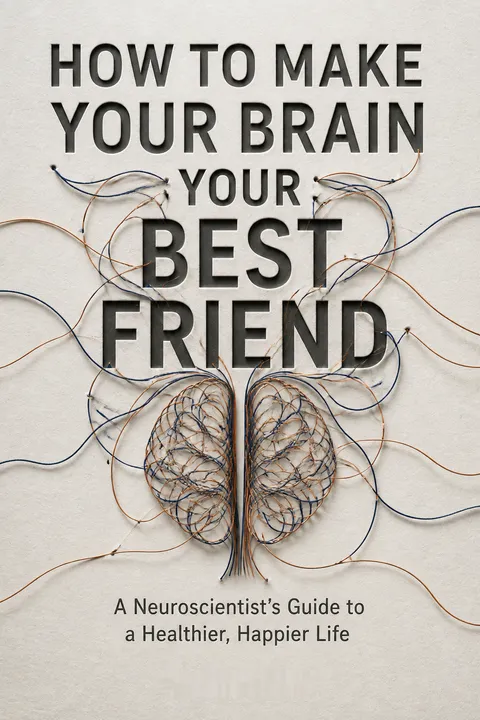
How to Make Your Brain Your Best Friend by Rachel Barr receives overwhelmingly positive reviews (4.21/5). Readers praise its accessible neuroscience explanations, warm conversational tone, and actionable advice on self-compassion, authenticity, movement, and finding delight. Many appreciate the blend of scientific rigor with personal anecdotes and humor. Common themes include valuing alignment between values and behavior, embracing boredom, and treating the brain as an ally rather than adversary. Some critics note it lacks structural/systemic analysis and could include more diverse cultural perspectives. Overall, reviewers find it transformative, comforting, and recommend it widely.
People Also Read







Download PDF
Download EPUB
.epub digital book format is ideal for reading ebooks on phones, tablets, and e-readers.








































