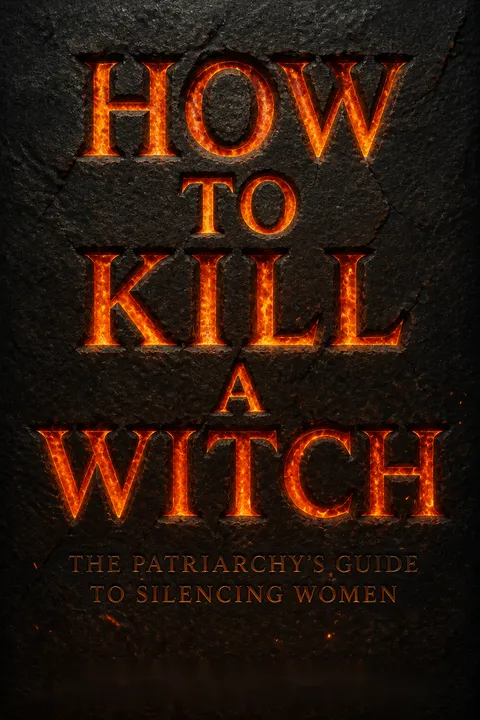

Key Takeaways
1. Mainstream Belief in Magic Fueled Early Witch Hunts.
But in order to understand the period between the sixteenth and eighteenth centuries in Scotland, we must embrace a fundamental truth of that epoch: magic was real.
Accepted reality. In early modern Scotland, belief in magic, fairies, and the Devil was not fringe but a mainstream, accepted fact. This worldview provided a framework for understanding unpredictable events and offered an illusion of control in an uncertain world.
Devil's influence. The Devil was believed to take human form, have carnal relations, and use magic to deceive, preying on the vulnerable to create witches. This belief system laid the groundwork for identifying and persecuting those deemed to be in league with Satan.
Service magicians. Initially, "service magicians" like charmers and cunning folk offered magical solutions for everyday problems, tolerated as long as their powers weren't from the Devil. However, the Reformation's spread redefined "witch" as someone whose power wholly depended on Satan, setting the stage for persecution.
2. King James VI's Paranoia Ignited Scottish Witch Trials.
Convinced that witches were indeed plaguing his reign, he swept into action.
Royal catalyst. King James VI's personal experiences, particularly his storm-plagued sea voyages to Denmark to marry Anne, convinced him that witches were actively trying to harm him. This paranoia, reinforced by Danish witch trials, led him to become a "complainer" in numerous Scottish witchcraft cases.
North Berwick. The North Berwick witch trials, sparked by a servant's "unnatural ability" to heal, became Scotland's first major witch hunt. Accusations quickly spiraled, implicating over seventy individuals in a supposed coven plotting against the king.
Propaganda tool. The pamphlet "Newes from Scotland" served as effective propaganda, detailing confessions of witches plotting against James and flattering his godliness. This document solidified public belief and justified the king's zealous pursuit of witches.
3. Torture and Fabricated Confessions Ensured Guilt.
So deeply had the Devil entered his heart that he utterly denied all that he had vouched for before and would say nothing about his confession other than this: that all he had done and said earlier was due to him being tortured.
Unreliable admissions. Confessions were paramount evidence, often extracted through brutal torture, including sleep deprivation, which was not legally recognized as torture. This led to fantastical and often copied confessions, like those of Isobel Gowdie, where details were strikingly similar across different accused individuals.
Psychological pressure. Accused individuals, often elderly and vulnerable, faced immense psychological distress, leading them to admit to anything to stop the pain. The interrogators, convinced of the Devil's work, often guided these confessions to fit preconceived narratives.
Legal facade. Despite the Privy Council outlawing torture, the lack of proper legal safeguards meant confessions obtained under duress were accepted. The legal system prioritized proving guilt over ensuring justice, leading to widespread miscarriages.
4. Gender Bias Was a Core Driver of Accusations.
The reason is easie, for as that sexe is frailer than man is, so is it easier to be intrapped in these grosse snares of the Devill, as was over well proved to be true, by the Serpents deceiving of Eva at the beginning, which makes him the homelier [more comfortable] with that sexe sensine [since then].
Patriarchal scapegoating. Despite gender-neutral laws, 85% of those accused in Scotland were women, reflecting deep-seated patriarchal biases. Women were deemed "frailer" and more susceptible to the Devil's temptations, a belief rooted in the biblical story of Eve.
Controlling women. Men in power feared women without power, leading to the creation of fantastical means to keep them subjugated. Women who were quarrelsome, different, or socially problematic were easily targeted.
Sexualized narratives. Confessions often included explicit sexual encounters with the Devil, further demonizing female sexuality. This narrative painted women as immoral and dangerous, justifying their persecution.
5. Witch Prickers Profited from Fear and Deception.
“I’m a witch pricker, and by the way, get your kit off so I can run my hands all over your body.”
"Proof" of guilt. The Devil's mark, an insensitive spot on the body, was considered compelling evidence of a pact with Satan. Witch prickers, like Matthew Hopkins and John Kincaid, used needles or "false bodkins" to find these marks, often through deception.
Financial incentive. Prickers were paid per identified witch, creating a perverse incentive to inflate numbers and ensure convictions. This system fueled the witch hunts, turning fear into a lucrative business.
Gendered inspection. The process involved stripping and examining women's bodies by men, an act of humiliation and control. Even female prickers like Christian Caddell, who disguised herself as a man, exploited this system for personal gain and safety.
6. Executions Aimed to Erase Witches from Existence.
People of the time truly thought that only by killing and then completely destroying the witch would they be protecting the community.
Preventing revenants. The primary reason for burning witches' bodies after strangulation was the widespread belief that the Devil could reanimate corpses. Complete destruction by fire was seen as the only way to prevent witches from returning to terrorize the community.
Public spectacle. Executions were public events, serving as a stark warning and a means of enforcing adherence to church and state laws. The gruesome sight and smell of burning flesh were inescapable, designed to instill fear and obedience.
Physical realities. Forensic analysis reveals the burning process was prolonged and horrific, with bodies contracting into a "pugilistic stance" and leaving substantial bone fragments. This barbarity was a deliberate act of erasure, leaving no trace of the accused.
7. Salem's Fame Belies Europe's Greater Atrocities.
But the truth is that the trials in Europe, particularly in Scotland, were larger, more widespread, and bloodier, with much higher death tolls.
Disproportionate recognition. The Salem witch trials, while infamous, involved fewer accusations and executions than those in Scotland and other European countries. Salem's unique legacy stems from its swift acknowledgment of injustice and subsequent commercialization.
Spectral evidence. Salem's trials were notable for accepting "spectral evidence"—witnesses claiming to be tormented by the accused's spirit—which was highly controversial even then. This flimsy evidence led to many wrongful convictions.
Post-trial actions. Unlike Scotland, where victims were largely forgotten, Salem's survivors and families actively campaigned for exoneration and reparations. This early recognition of injustice shaped its historical narrative and modern relevance.
8. Modern Witch Accusations Remain a Global Crisis.
Accusations of witchcraft and their attendant human rights abuses are so endemic in some parts of the world that some governments have been debating adding laws against practicing witchcraft back to their statutes.
Ongoing issue. Unbelievably, witchcraft accusations and related human rights abuses persist in countries like Nigeria, Malawi, and Papua New Guinea, leading to banishments, physical punishments, and even executions. These accusations often target older, isolated women.
"Gaps" in society. Leo Igwe of Advocacy for Alleged Witches attributes this to "gaps" in law enforcement, political will, and social welfare. Poverty and a lack of critical thinking skills exacerbate the problem, with traditional healers often mislabeled as "witch doctors" by Western influence.
Vulnerable targets. People with albinism are particularly vulnerable, targeted for their body parts in occult practices, a trade worth thousands. This highlights how difference and vulnerability continue to be exploited under the guise of supernatural beliefs.
9. Memorializing the Accused is Vital for Justice.
The names should be recognized. This is something that’s so relevant today. It’s very much important for us to learn about now.
Forgotten victims. In Scotland, the burning of bodies and poor record-keeping meant most accused witches were never properly memorialized, unlike in Salem where memorials abound. This historical oversight perpetuates their erasure.
Connecting past and present. Memorials, whether physical like Norway's Steilneset or digital like the Survey of Scottish Witchcraft, are crucial for acknowledging past injustices. They provide tangible connections to real people and their stories, fostering empathy and understanding.
Educational tools. Engaging young people with these histories helps them understand sexism and abuse of power, making personal connections to the human cost. This knowledge is vital for preventing future atrocities and promoting societal change.
10. Historical Witch Hunts Mirror Present-Day Misogyny.
The mechanisms that existed then to control and hurt women still exist.
Enduring patterns. The underlying mechanisms of control and harm against women seen in historical witch trials persist today. Women are still persecuted, marginalized, and attacked, often by fearful men in positions of power.
Erosion of rights. The "pendulum is going in the wrong direction," with women's rights being challenged globally, from reproductive rights to basic freedoms. This mirrors the historical control exerted over women's bodies and lives.
Social control. Just as witch trials were used to control populations during times of anxiety, modern rhetoric demonizes women and uses social media to bully and silence them. This highlights the continuous need for vigilance against misogyny.
11. Resisting Control Requires Being a "Quarrelsome Dame."
Do not let the patriarchy silence you.
Active resistance. To prevent a new iteration of witch trials, women must actively resist patriarchal norms and challenge misogyny. This means embracing the title of "quarrelsome dame" and refusing to be silenced or labeled "difficult."
Political engagement. Electing leaders who protect rights and promote equality, holding public bodies accountable, and joining global movements are crucial steps. Collective action strengthens numbers against those who seek to control.
Learn from history. Understanding the drivers of past witch trials—fear, blame, and embedded biases against women—is essential. By confronting this history, we can work to break the cycle of inherited hatred and build a more equitable future.
People Also Read







Download PDF
Download EPUB
.epub digital book format is ideal for reading ebooks on phones, tablets, and e-readers.








































