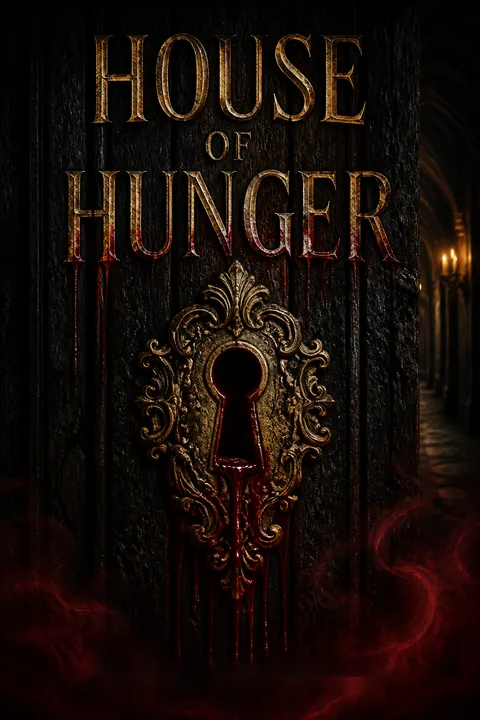

Plot Summary
Blood and Beginnings
Marion Shaw, a young woman scraping by as a maid in the industrial city of Prane, is introduced in a world defined by poverty, hunger, and the constant threat of violence. Her only family is her ailing, addicted brother Raul, and her closest companion is Agnes, a fellow survivor of the slums. Marion's days are filled with drudgery and humiliation, but she clings to a stubborn hope for something more. The city's oppressive atmosphere, the ever-present hunger, and the memory of her parents' deaths shape Marion's worldview. She dreams of escape, of a life where she is not merely surviving but living, and the seeds of her ambition are sown in the bleak soil of her daily existence.
Hunger in the Slums
Marion's relationship with Raul is fraught with resentment, guilt, and a fierce, complicated love. Raul's illness and addiction drain what little resources Marion can muster, and their home is a place of both obligation and pain. The siblings' bond is tested as Raul's demands grow more desperate, culminating in a violent confrontation that leaves Marion shaken and questioning her loyalty. The slums of Prane are depicted as a place where hope is a liability, and Marion's longing for escape becomes more urgent. The city's hunger is not just physical but spiritual, gnawing at the souls of its inhabitants and pushing Marion toward a fateful decision.
The Scarlet Invitation
Marion discovers a blood-red advertisement seeking a "bloodmaid" for the House of Hunger, a notorious northern estate. The position promises luxury and a pension, but at the cost of regular bloodletting to feed the appetites of the northern nobility. Despite the stigma and rumors of exploitation, Marion is drawn to the possibility of transformation. Her encounter with the enigmatic Taster, Thiago, is both seductive and unsettling, as he samples her blood and declares it exceptional. Marion is offered a ticket north, but the choice is fraught with fear, guilt over leaving Raul, and the knowledge that she is selling her body in a new, more insidious way.
Escape and Betrayal
Marion's decision to leave Prane is met with resistance and betrayal. Raul, sensing her impending departure, lashes out violently, destroying her ticket and physically assaulting her. In the ensuing struggle, Marion accidentally inflicts a mortal wound on her brother and flees, haunted by guilt and the knowledge that she has crossed a point of no return. Agnes, too, turns away from Marion, unable to accept her choice. Alone and desperate, Marion races to the night train, her past in flames behind her, and steps into the unknown with nothing but her pain and ambition to guide her.
The Night Train North
Marion's journey on the night train is a passage between worlds—leaving behind the filth and hunger of Prane for the opulence and danger of the North. The train itself is a liminal space, filled with strange passengers, sumptuous food, and the ever-present reminder that everything is paid for in blood. Thiago acts as both guide and tempter, introducing Marion to the rituals and expectations of bloodmaids. The journey is marked by storms, both literal and emotional, as Marion contemplates the cost of her decision and the transformation that awaits her.
Arrival at the House
The House of Hunger looms on a remote island, a sprawling, decadent estate shrouded in fog and secrets. Marion is greeted by Demelsa, the House Mother, and introduced to the other bloodmaids—each beautiful, damaged, and wary. The house is a place of contradictions: luxury and rot, pleasure and pain, camaraderie and rivalry. Marion's first encounter with Lisavet, the enigmatic and ailing Countess, is both terrifying and magnetic. The ritual of bloodletting is revealed as both a sacrament and a violation, and Marion is initiated into a world where her body is both commodity and weapon.
The First Bloodletting
Marion's first formal bloodletting is a rite of passage, marking her transition from outsider to bloodmaid. The experience is intimate, sensual, and unsettling, as Lisavet drinks from her and declares her blood unique. Marion is both repulsed and exhilarated by the power dynamics at play, and the boundaries between victim and participant begin to blur. The other bloodmaids—Cecelia, Irene, Evie, and Elize—offer guidance and warnings, hinting at the dangers that lurk beneath the house's glittering surface. Marion's sense of self is both eroded and remade in the crucible of the House of Hunger.
Bloodmaids and Bonds
Life among the bloodmaids is a delicate dance of alliance and competition. Marion forms a tentative friendship with Irene, whose kindness and vulnerability stand in contrast to Cecelia's brittle pride and the twins' mischievousness. The bloodmaids share stories, secrets, and small acts of rebellion, but the ever-present threat of Lisavet's favor—and the consequences of losing it—hangs over them all. The rituals of grooming, etiquette, and education are both a means of control and a source of identity. Marion learns that survival in the House of Hunger depends as much on wit and loyalty as on the sweetness of one's blood.
Lessons in Obedience
Marion's days are filled with lessons in history, etiquette, and the art of pleasing the nobility. Madame Boucherie, the sadistic etiquette tutor, uses pain as a tool for instruction, reinforcing the lesson that obedience is survival. Marion chafes against the rules and the constant surveillance, but she also discovers a strange sense of belonging in the rituals and routines of the house. The bloodmaids are taught to see themselves as both servants and sacrifices, their value measured in beauty, youth, and the willingness to bleed. Marion's ambition grows, even as she is forced to confront the cost of submission.
The Countess's Court
Marion is summoned to Lisavet's court, a decadent and dangerous world of parties, games, and political intrigue. The nobles are both predators and prey, their appetites unchecked and their morals fluid. Marion is drawn into a game of fox and hound, where the line between play and peril is razor-thin. Her relationship with Lisavet deepens, becoming both more intimate and more perilous. The Countess's illness and hunger are revealed as both physical and existential, and Marion is forced to navigate the shifting currents of favor, jealousy, and desire. The court is a place where love and violence are inseparable, and every pleasure is tinged with the threat of ruin.
Rivalries and Rot
As Marion rises in Lisavet's favor, Cecelia's position as First Bloodmaid crumbles. The rivalry between the bloodmaids intensifies, fueled by jealousy, fear, and the knowledge that favor is fleeting. Cecelia's decline is both physical and psychological, as she is consumed by addiction, paranoia, and the loss of identity. Marion, too, feels the strain of constant bloodletting and the pressure to please Lisavet. The house itself seems to rot from within, its beauty undermined by secrets and decay. The promise of luxury is revealed as a trap, and Marion begins to suspect that the true cost of survival is her soul.
The Fox Hunt
Lisavet organizes a fox hunt, a ritual of violence and spectacle that serves as both entertainment and initiation. Marion is forced to confront her own capacity for violence as she is ordered to choose between killing an innocent animal or a rival. The hunt is a metaphor for the predatory nature of the house, where the strong devour the weak and mercy is a liability. Marion's complicity in the violence marks a turning point, as she realizes that survival in the House of Hunger requires not just submission but participation in its cruelties. The boundaries between victim and perpetrator blur, and Marion's transformation accelerates.
Fading Favor
Marion's favor with Lisavet wanes, and she is plunged into a period of isolation and uncertainty. The arrival of new bloodmaids, the increasing demands of bloodletting, and the spread of illness among the girls create an atmosphere of paranoia and despair. Marion's friendships fray, and her sense of self is eroded by exhaustion, jealousy, and the constant threat of replacement. The house becomes a prison, and Marion is haunted by the fear that she will be discarded like so many before her. The promise of escape seems more distant than ever, and the true nature of the house's hunger is revealed as both literal and metaphorical.
Secrets Beneath the House
Marion, driven by curiosity and desperation, discovers a network of secret passages and dungeons beneath the House of Hunger. There, she finds evidence of Lisavet's true nature: the Countess is not merely a consumer of blood but a devourer of life itself, draining her bloodmaids of youth, memory, and soul. The fate of Cecelia, now a withered wretch, is a warning of what awaits all who serve the house. Marion realizes that the cycle of consumption and sacrifice is endless, and that escape is both necessary and nearly impossible. The house's beauty is revealed as a mask for its monstrous appetite.
The Wretch's Warning
Cecelia, now reduced to a shell of her former self, warns Marion of the fate that awaits all bloodmaids. The wretch's existence is a living death, a testament to the house's cruelty and Lisavet's insatiable hunger. Marion is forced to confront the reality that survival in the House of Hunger is a zero-sum game, and that escape will require both courage and betrayal. The bonds between the bloodmaids are tested as they plot rebellion, and Marion must decide whether to risk everything for freedom or accept her place as Lisavet's chosen sacrifice. The warning is clear: love in the House of Hunger is always fatal.
Madness and Mutiny
Marion and the other bloodmaids, driven to the brink by fear and desperation, plot their escape. The plan is fraught with danger, requiring alliances with enemies and the betrayal of trust. The house descends into chaos as secrets are revealed, loyalties are tested, and violence erupts. Marion's relationship with Lisavet reaches a breaking point, as love and hatred become indistinguishable. The rebellion is both a bid for freedom and an act of self-destruction, as the bloodmaids realize that the only way to survive is to become as ruthless as their captor. The cost of mutiny is high, and not all will survive.
The Final Feast
The climax of the rebellion is a bloody confrontation in the depths of the house. Marion faces Lisavet in a final, fatal struggle, each woman embodying the hunger and violence that has defined their relationship. The other bloodmaids are caught in the crossfire, forced to choose between complicity and resistance. The house itself becomes a battleground, its beauty and luxury reduced to ruins by the violence of its inhabitants. The final feast is both literal and symbolic, as the cycle of consumption and sacrifice reaches its inevitable conclusion. Marion's victory is pyrrhic, won at the cost of innocence, love, and the lives of those she sought to save.
Blood and Rebellion
In the aftermath of the final confrontation, Marion and the surviving bloodmaids flee the House of Hunger, pursued by the ghosts of their past and the knowledge that freedom is never free. The journey to the night train is a gauntlet of pain, loss, and betrayal, as the girls are forced to confront the reality of what they have become. The bonds of friendship are both strengthened and shattered by the ordeal, and Marion is left to reckon with the cost of her choices. The rebellion is both a triumph and a tragedy, as the survivors realize that the world beyond the house is no less hungry than the one they have left behind.
The Last Devouring
The House of Hunger is left in ruins, its mistress dead and its secrets exposed. Marion, now marked by both trauma and transformation, leads the surviving bloodmaids to the night train and the promise of a new life. The journey is both an escape and an exile, as the girls are forced to leave behind everything they have known. The final devouring is both literal and metaphorical, as the house consumes itself in a last act of violence. Marion's victory is bittersweet, as she realizes that survival has come at the cost of her innocence, her family, and her sense of self.
Freedom's Price
Marion and the other survivors board the night train, leaving the House of Hunger behind. The journey south is both a liberation and a reckoning, as the girls grapple with the trauma of their ordeal and the uncertainty of their future. The promise of freedom is tempered by the knowledge that the world is still hungry, and that survival will require both strength and sacrifice. Marion, now both victim and victor, carries the scars of her experience and the knowledge that the cycle of hunger and consumption is never truly broken. The story ends with a sense of hard-won hope, as the survivors look to the future, determined to claim a life that is finally their own.
Analysis
Alexis Henderson's House of Hunger is a lush, gothic meditation on power, desire, and the cost of survival in a world built on exploitation. Through the lens of Marion's journey from the slums of Prane to the decadent horrors of the House of Hunger, the novel interrogates the ways in which systems of privilege consume the bodies and souls of the vulnerable. Blood, both literal and symbolic, becomes the currency of power, love, and identity, binding the characters in cycles of sacrifice and consumption. The house itself is a living metaphor for the seductive allure and ultimate destructiveness of unchecked appetite—whether for luxury, love, or life itself. Henderson's narrative is both a feminist horror story and a social allegory, exploring the intersections of class, gender, and agency. The psychological complexity of the characters, especially the fraught relationship between Marion and Lisavet, elevates the novel beyond simple genre fiction, offering a nuanced exploration of complicity, rebellion, and the possibility of transformation. Ultimately, House of Hunger is a cautionary tale about the dangers of becoming what you must to survive—and the price of reclaiming your own story.
Review Summary
People Also Read






Characters
Marion Shaw
Marion is the protagonist, a young woman forged in the crucible of poverty and loss. Her relationship with her brother Raul is defined by guilt, love, and resentment, and her friendship with Agnes is marked by shared hardship and unspoken longing. Marion's journey from the slums of Prane to the House of Hunger is driven by a fierce ambition to escape her circumstances, but she is constantly haunted by the cost of her choices. Psychologically, Marion is both resilient and vulnerable, capable of both tenderness and violence. Her development is marked by a gradual loss of innocence and a growing capacity for ruthlessness, as she learns that survival in a world defined by hunger requires both sacrifice and complicity. Marion's relationships with the other bloodmaids, and especially with Lisavet, are complex, blending desire, rivalry, and the longing for connection. By the end, Marion is both transformed and traumatized, a survivor who has paid dearly for her freedom.
Lisavet Bathory
Lisavet is the enigmatic Countess of the House of Hunger, a figure of both allure and terror. Her illness is both literal and symbolic, a hunger that can only be sated by the blood and youth of others. Lisavet's relationship with Marion is central to the story, marked by seduction, manipulation, and a genuine, if destructive, love. Psychologically, Lisavet is both powerful and pitiable, a woman trapped by her own appetites and the legacy of her family. Her cruelty is matched by moments of vulnerability, and her need for connection is constantly undermined by her compulsion to consume. Lisavet's development is a tragic arc, as she is ultimately destroyed by the very hunger that defines her. Her relationship with the bloodmaids is both maternal and predatory, and her downfall is both a personal tragedy and a necessary act of justice.
Cecelia (The Wretch)
Cecelia is the First Bloodmaid at the start of Marion's tenure, a figure of beauty, pride, and eventual ruin. Her rivalry with Marion is fueled by jealousy and the fear of replacement, and her decline is both physical and psychological. Cecelia's transformation into the Wretch—a withered, broken shell—serves as a warning of the fate that awaits all bloodmaids who lose Lisavet's favor. Psychologically, Cecelia is both a victim and a perpetrator, complicit in the house's cruelties even as she is destroyed by them. Her relationship with Lisavet is marked by love, dependence, and betrayal, and her final act is one of both vengeance and sacrifice. Cecelia's arc is a tragic illustration of the house's capacity to consume and destroy those who serve it.
Irene
Irene is one of the bloodmaids, distinguished by her warmth, empathy, and resilience. Her friendship with Marion is a source of comfort and support, and her vulnerability is both a strength and a liability. Irene's background as a dark-skinned outsider from the southern isles adds a layer of complexity to her character, as she navigates both racial and class-based prejudice. Psychologically, Irene is marked by a deep sense of loyalty and a capacity for self-sacrifice, but she is also haunted by the knowledge that kindness is often punished in the House of Hunger. Her development is a testament to the power of solidarity and the importance of chosen family.
Evie and Elize (The Twins)
The twins are both comic relief and tragic figures, their bond a source of strength in a world defined by betrayal. Their relationship with Marion is marked by both rivalry and affection, and their loyalty to each other is unbreakable. Psychologically, the twins are both more and less than the sum of their parts, their identities intertwined and their fates linked. Their development is a study in the ways that innocence is both a shield and a vulnerability, and their survival is a testament to the power of sisterhood.
Mae
Mae is the youngest inhabitant of the House of Hunger, a child whose presence is both a reminder of innocence and a harbinger of future suffering. Her relationship with Marion and the other bloodmaids is marked by both protectiveness and fear, as the girls struggle to shield her from the house's cruelties. Psychologically, Mae is both a victim and a symbol of hope, her survival a measure of the bloodmaids' success in breaking the cycle of consumption. Her development is a poignant reminder of what is at stake in the struggle for freedom.
Thiago (The Taster)
Thiago is the Taster who recruits Marion and other girls for the House of Hunger, a figure of both charm and menace. His relationship with Marion is marked by seduction, manipulation, and betrayal, as he profits from the suffering of others. Psychologically, Thiago is both a survivor and a predator, his actions driven by self-interest and a willingness to rationalize his complicity. His development is a study in the ways that systems of exploitation are maintained by those who benefit from them, and his ultimate fate is a measure of the story's moral ambiguity.
Demelsa (House Mother)
Demelsa is the House Mother, responsible for the discipline and well-being of the bloodmaids. Her relationship with Marion is marked by both authority and a twisted form of care, as she enforces the house's rules with both kindness and cruelty. Psychologically, Demelsa is both a victim and a perpetrator, her actions shaped by the need to survive in a system that rewards obedience and punishes dissent. Her development is a reminder that complicity is often a matter of necessity, and her downfall is both a punishment and a release.
Raul
Raul is Marion's older brother, a figure of both love and resentment. His illness and addiction are both a cause and a symptom of the family's decline, and his relationship with Marion is marked by guilt, violence, and a desperate need for connection. Psychologically, Raul is both a victim and a perpetrator, his actions shaped by trauma and the impossibility of escape. His death is both a catalyst for Marion's transformation and a haunting presence throughout her journey.
Agnes
Agnes is Marion's childhood companion, a survivor of the slums whose relationship with Marion is marked by both intimacy and distance. Her refusal to follow Marion north is both an act of self-preservation and a rejection of the house's seductive promises. Psychologically, Agnes is both a mirror and a foil for Marion, embodying the possibility of survival without surrender. Her absence is a reminder of the choices Marion has made and the life she has left behind.
Plot Devices
Blood as Currency and Power
The central plot device of the novel is the use of blood as both a literal and metaphorical currency. Bloodletting is a ritual, a sacrament, and a means of control, binding the bloodmaids to the house and its mistress. The act of bleeding is both a sacrifice and a source of power, as the sweetness and quality of one's blood determine status and survival. The consumption of blood is both a means of healing and a form of predation, blurring the line between victim and perpetrator. This device is used to explore themes of exploitation, desire, and the cost of survival.
The House as Living Entity
The House of Hunger is more than a backdrop; it is a living, breathing entity that shapes the lives and fates of its inhabitants. Its beauty and luxury are both seductive and suffocating, masking the rot and violence at its core. The house's secret passages, dungeons, and rituals are used to create an atmosphere of claustrophobia and dread, reinforcing the sense that escape is both necessary and nearly impossible. The house is both a sanctuary and a trap, a place where desire and destruction are inseparable.
Cycles of Consumption and Sacrifice
The narrative is structured around cycles of favor, consumption, and replacement. Bloodmaids are brought in, elevated, consumed, and discarded, their fates mirroring those who came before. The repetition of rituals, games, and betrayals creates a sense of inevitability, as each character is drawn into the house's hunger. Foreshadowing is used to hint at the fates of the bloodmaids, and the discovery of the wretch beneath the house serves as both a warning and a prophecy. The cycle is only broken through rebellion and sacrifice, but even then, the cost is high.
Power Dynamics and Psychological Manipulation
The relationships between characters are defined by shifting power dynamics, with seduction, obedience, and rebellion as central themes. Lisavet's manipulation of the bloodmaids is both psychological and physical, using love, fear, and desire to maintain control. The rituals of grooming, etiquette, and education are tools of both empowerment and subjugation, teaching the bloodmaids to see themselves as both special and expendable. The narrative structure uses shifting perspectives and internal monologue to explore the psychological toll of life in the house, and the eventual rebellion is both a personal and collective act of resistance.
Gothic and Horror Elements
The novel employs classic gothic and horror devices—decaying mansions, secret passages, forbidden knowledge, and the blurring of pleasure and pain—to create an atmosphere of dread and suspense. Symbolism is used throughout: blood as life and death, the house as both womb and tomb, the wretch as a memento mori. The horror is both physical and existential, rooted in the fear of being consumed, forgotten, and erased. The narrative structure uses foreshadowing, repetition, and escalating violence to build tension and drive the story toward its inevitable, bloody conclusion.


Download PDF
Download EPUB
.epub digital book format is ideal for reading ebooks on phones, tablets, and e-readers.








































