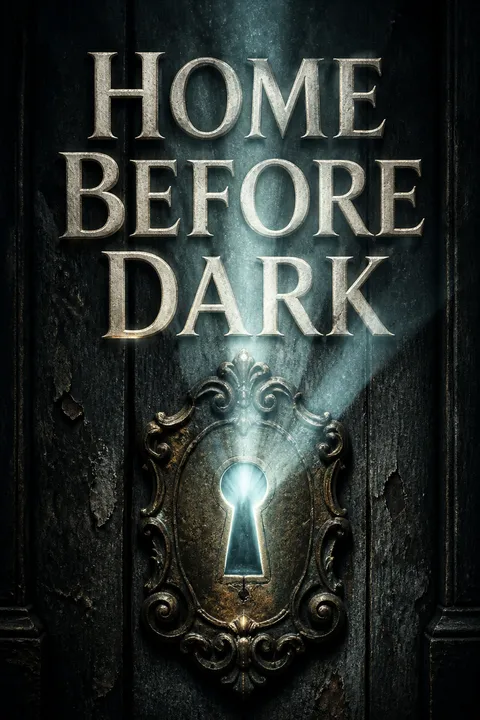

Plot Summary
Inheritance of Shadows
Maggie Holt, now an adult, inherits the infamous Baneberry Hall after her father's death—a house made famous by his bestselling "true" ghost story, House of Horrors. The book's legacy has shaped Maggie's life, casting her as the girl from the haunted house, even though she remembers nothing of their twenty days there as a child. Her father's last words—"It's not safe there. Not for you."—and her mother's insistence on never returning, only deepen the mystery. Maggie, a restorer of old homes, is determined to uncover the truth behind her family's flight and the book's enduring shadow, even as she's warned to stay away.
The House That Lies
Maggie's father's book made Baneberry Hall a national sensation, but Maggie is convinced it's all fabrication. The house's history is a tangle of tragedy, rumor, and myth, with the truth buried beneath layers of fiction. As Maggie returns to the house to renovate and sell it, she's confronted by the physical remnants of her past—her childhood clothes, toys, and the infamous armoire—left behind as if her family had fled in terror. The house is both a monument to her father's lies and a puzzle box of secrets, daring her to dig deeper.
Ghosts in the Walls
As Maggie settles into Baneberry Hall, she's plagued by inexplicable occurrences: bells ring on their own, the chandelier flickers, and the record player plays "Sixteen Going on Seventeen" at night. Encounters with the caretaker Dane, the cleaning woman Elsa Ditmer, and the local police chief Tess Alcott reveal the town's resentment toward her family and the book. Maggie's skepticism is tested as she finds Polaroids, old letters, and evidence that her father returned to the house every year on the anniversary of their flight. The line between reality and the supernatural blurs.
Unraveling the Past
Determined to separate fact from fiction, Maggie interviews townspeople, including the Ditmers and the Carvers, and scours the local archives. She learns of a string of deaths at Baneberry Hall—always young girls, always in the presence of their fathers. The story of Indigo Garson, the original owner's daughter who died young, and the tragic Carver family murder-suicide, echo through the house. Maggie's own memories remain elusive, but she's haunted by the possibility that something truly evil lingers in the walls.
The Sleepover's Secret
Maggie discovers Polaroids of herself, the Ditmer sisters, and Petra Ditmer at a sleepover she cannot remember. Hannah Ditmer, now an adult, claims the events of that night were as terrifying as the book described. Maggie's night terrors intensify, and she begins to suspect that her amnesia hides something terrible. The sleepover becomes a focal point for her investigation, as she tries to piece together what really happened and why her parents have always refused to talk about it.
Bells, Blood, and Baneberries
The house's sinister pattern emerges: each generation, a daughter dies. Maggie's own childhood injury—a scar beneath her eye—mirrors the fate of other girls. The ringing bells, the thud at 4:54 a.m., and the appearance of snakes in the kitchen all point to a cycle of violence and haunting. Maggie's daughter-self, in the book, saw "Mister Shadow" and "Miss Pennyface," figures that now seem less imaginary and more like echoes of real intruders or traumas. The house, it seems, remembers—and punishes.
Portraits and Polaroids
Maggie uncovers hidden layers in the house's portraits and Polaroids. The painting of Indigo Garson, when scraped, reveals a snake in her hands, suggesting a legacy of poison and vengeance. Polaroids show ghostly figures lurking in the background, and the camera becomes a tool to track the presence of the supernatural. The evidence points to Indigo's spirit as the true malevolence, manipulating fathers to harm their daughters in revenge for her own death.
The Truth in the Floorboards
During renovations, a canvas sack falls from the kitchen ceiling, spilling human bones—Petra Ditmer's remains. The discovery brings police scrutiny and reignites the town's suspicions. Maggie is forced to confront the possibility that her father, or someone close to her, was involved in Petra's death. The house's secrets are no longer just ghost stories; they are crimes, covered up and festering beneath the surface.
The Haunting of Memory
As the investigation intensifies, Maggie's own memories start to return in flashes—her father's fear, her mother's silence, and the presence of real people in her room at night. The armoire, once a symbol of childhood terror, is revealed to be a secret passage into her bedroom. Maggie realizes that the "ghosts" she saw as a child may have been flesh and blood intruders, and that her amnesia is a shield against unbearable truth.
The Daughter's Curse
The pattern of the house's curse becomes clear: Indigo Garson's spirit, wronged and vengeful, compels fathers to kill their daughters. Maggie, now alone in the house, feels the weight of this legacy pressing down on her. The supernatural attacks escalate—Maggie is nearly killed, and her mother returns, desperate to protect her. The house's history is not just repeating; it is culminating in Maggie's own story.
The Secret Passage
Maggie discovers the armoire in her childhood bedroom is not just a wardrobe, but a concealed door leading to a secret staircase and an exterior entrance. This passage explains the mysterious appearances and disappearances in her room, and how Petra and others could have entered unnoticed. The revelation reframes Maggie's childhood fears—not as fantasy, but as a response to real danger.
The Real Mister Shadow
Maggie learns that "Mister Shadow" was Elsa Ditmer, sneaking in to warn her, and "Miss Pennyface" was Marta Carver, grieving and lost after her own daughter's death. The supernatural is unmasked as human tragedy and obsession, but the house's evil persists. The line between haunting and trauma blurs, as Maggie realizes that the real horror is what people are driven to do by grief, guilt, and the house's dark influence.
The Final Confession
Maggie's mother gives her a letter written by her father, confessing the truth about Petra's death. The letter reveals that Maggie, as a child, was present when Petra died—an accident during a confrontation, not a murder. Her parents, desperate to protect her, hid the body and invented the ghost story to cover up the crime. The book, the haunting, and Maggie's entire life have been shaped by this terrible secret.
The House Remembers
With the truth exposed, the house's power wanes. The spirits of Indigo and Petra are laid to rest, and the living confront their guilt and grief. Maggie's mother confesses to the police, accepting responsibility for the cover-up. The Ditmers and Carvers, too, must reckon with the past. The house, stripped of its secrets, is finally ready to be left behind.
The Last Night
In a climactic struggle, Maggie, her mother, and the remaining survivors face the house's lingering malevolence. The supernatural attacks reach a fever pitch—snakes, poltergeist violence, and near-death experiences. But with courage and truth, Maggie resists the house's curse, saving herself and those she loves. The cycle is broken, but not without cost.
The Unburied Past
The truth about Petra's death and the house's history comes to light. Maggie's mother faces legal consequences, but the family begins to heal. The town, too, must confront its complicity in the myths and silences that allowed tragedy to fester. Maggie, changed by her ordeal, finds a measure of peace and forgiveness, both for herself and her parents.
The Price of Silence
Maggie reflects on the years lost to lies, guilt, and fear. The house, once a monument to horror, is renovated and prepared for sale—its story finally told, its secrets unearthed. The survivors move on, scarred but wiser, determined not to let the past define their futures. The lesson is clear: silence and denial only breed more pain.
House of Secrets
Maggie, now free of the house's curse, contemplates writing her own account—one that tells the truth, honors the dead, and breaks the cycle of secrecy. The house's story is no longer just a ghost story or a lie, but a testament to the power of facing the past. As she types the first words, Maggie claims her own narrative, determined that the house's secrets will never again be buried.
Analysis
Home Before Dark is a masterful blend of psychological thriller and gothic horror, using the haunted house trope to explore the corrosive effects of secrets, trauma, and denial. At its core, the novel is about the stories we tell ourselves to survive—the lies we inherit, the memories we repress, and the truths we fear to face. Riley Sager interrogates the nature of reality and fiction, showing how myth can both protect and destroy. The house is a metaphor for the mind: its locked rooms, hidden passages, and recurring hauntings mirror the characters' struggles with guilt and memory. The novel's ultimate lesson is that silence and secrecy are more dangerous than any ghost; only by confronting the past, however painful, can healing begin. In a world obsessed with sensational stories and viral myths, Home Before Dark is a cautionary tale about the cost of burying the truth—and the redemptive power of finally telling it.
Review Summary
Most readers loved Home Before Dark, praising its atmospheric haunted house setting, clever dual-narrative structure alternating between present-day Maggie and her father's book, and genuinely unsettling moments. Many called it Sager's best work, highlighting its Hill House vibes and page-turning suspense. Critics, however, found the ending implausible and overly derivative, arguing the resolution undermined the tension built throughout. The book holds a strong 4.04 average rating, with the majority of readers recommending it as a standout thriller of 2020.
People Also Read
Characters
Maggie Holt
Maggie is the protagonist, a woman whose life has been shaped by her father's infamous ghost story about Baneberry Hall. As a child, she was the "girl from the haunted house," but she remembers nothing of the events that made her family flee. Now an adult and a restorer of old homes, Maggie is skeptical, determined, and emotionally scarred by years of public scrutiny and family silence. Her journey is one of self-discovery, as she confronts repressed memories, family secrets, and the blurred line between supernatural horror and human trauma. Maggie's arc is a descent into the past, a confrontation with guilt, and ultimately, a reclamation of her own story.
Ewan Holt
Ewan is Maggie's father, author of House of Horrors. He is both loving and deeply flawed—a man who turns family tragedy into a bestselling book, blurring fact and fiction. Ewan's motivations are complex: he wants to protect his daughter, provide for his family, and perhaps atone for his own failures. His deathbed warning to Maggie—"It's not safe there. Not for you."—hints at guilt and fear. Ewan's posthumous confession reveals a man tormented by secrets, desperate to shield his child from the consequences of a terrible accident, and ultimately undone by the weight of silence.
Jess Holt
Jess is Maggie's mother, a woman marked by anxiety, empathy, and a fierce desire to protect her daughter. She is the voice of reason and caution, refusing to discuss the past and urging Maggie to stay away from Baneberry Hall. Jess's relationship with Ewan is strained by the book's success and the secrets they share. Her eventual confession and willingness to face legal consequences reveal a woman who, despite her flaws, is willing to sacrifice everything for her child. Jess embodies the psychological toll of denial and the redemptive power of truth.
Dane Hibbets
Dane is the grandson of the original caretaker, a contractor who helps Maggie with the renovation. Handsome, capable, and haunted by his own past (including a stint in prison), Dane is both ally and suspect. His relationship with Petra Ditmer and his presence in the house at the time of her death make him a key figure in the mystery. Dane's arc is one of suspicion, revelation, and ultimately, exoneration—he is not the killer, but a victim of the house's legacy of secrets.
Petra Ditmer
Petra is the older Ditmer sister, a bright and protective teenager who babysits Maggie and becomes entangled in the house's curse. Her disappearance and the discovery of her body in the ceiling are the central mysteries of the novel. Petra's presence lingers as both a ghostly figure and a symbol of innocence destroyed. Her fate is the result of a tragic accident, covered up by adults desperate to protect their own.
Hannah Ditmer
Hannah is Petra's younger sister, marked by loss and suspicion. As an adult, she is hardened, resentful, and determined to uncover the truth about Petra's disappearance. Hannah's annual notes to Ewan—demanding to know what happened to her sister—are a haunting refrain. Her relationship with Maggie is fraught, but ultimately, she is a victim of the same silence and denial that plagues the Holt family.
Elsa Ditmer
Elsa is the Ditmer matriarch, afflicted by Alzheimer's but still a figure of mystery and superstition. She is both a literal and figurative "Mister Shadow," sneaking into Maggie's room to warn her of danger. Elsa's actions are driven by a desire to protect, but her illness and the house's influence make her an ambiguous figure—part guardian, part ghost.
Marta Carver
Marta is the widow of Curtis Carver and mother of Katie, both victims of the house's curse. Her grief drives her to obsession—she sneaks into Baneberry Hall, watching Maggie as a surrogate for her lost daughter. Marta's confrontation with Petra leads to tragedy, and her eventual confession reveals the destructive power of unresolved grief. She is both victim and perpetrator, her actions blurring the line between love and madness.
Chief Tess Alcott
Tess is the local police chief, present at both the original investigation and the present-day discovery of Petra's body. She is pragmatic, suspicious of the supernatural, and determined to find the truth. Tess's interactions with Maggie are both adversarial and supportive, reflecting the town's ambivalence toward the Holt family. She represents the law, but also the limits of rational explanation in the face of trauma.
William and Indigo Garson
William Garson is the original owner, a stern patriarch whose daughter Indigo's tragic death sets the pattern for the house's violence. Indigo, wronged and vengeful, becomes the house's true ghost—her spirit manipulating fathers to kill their daughters in a cycle of retribution. Their portraits, letters, and hidden histories are the keys to understanding the house's evil. They are both symbols and agents of the past's power over the present.
Plot Devices
Dual Narrative Structure
The novel alternates between Maggie's present-day investigation and excerpts from her father's book, House of Horrors. This dual structure creates a dialogue between past and present, fact and fiction, memory and myth. The reader is forced to question the reliability of both narrators, as each chapter peels back another layer of the mystery. The structure mirrors Maggie's psychological journey, as she moves from skepticism to belief, from denial to acceptance.
Unreliable Narration and Memory
Maggie's amnesia about her childhood at Baneberry Hall, combined with her father's self-serving narrative, creates a fog of uncertainty. The truth is hidden not just by lies, but by trauma and repression. The novel uses false memories, night terrors, and recovered recollections to blur the line between supernatural and psychological horror. The reader, like Maggie, must sift through competing versions of events to find the reality beneath.
Haunted House as Psychological Metaphor
Baneberry Hall is more than a setting—it is a character, a repository of pain and violence. Its architecture (secret passages, hidden rooms, portraits with secrets) mirrors the characters' inner lives. The house's "haunting" is both literal and symbolic, representing the way the past refuses to stay buried. The recurring motifs of bells, music, and snakes reinforce the sense of cyclical, inescapable doom.
Foreshadowing and Red Herrings
The novel is rich in foreshadowing—recurring times (4:54 a.m.), motifs (snakes, bells, Polaroids), and warnings ("It's not safe there"). Red herrings abound: the supernatural is both a mask for human crime and a real force. The reader is led to suspect various characters (Ewan, Dane, even Maggie herself) before the final revelation. The use of physical evidence (letters, photographs, hidden doors) grounds the mystery in tangible clues.
Confession and Revelation
The climax hinges on confessions—Ewan's letter, Marta's confrontation, Elsa's intervention. These moments of revelation are both plot twists and emotional reckonings, forcing characters to face the consequences of their actions. The final chapters resolve the supernatural and psychological threads, offering both closure and ambiguity.
About the Author


Download PDF
Download EPUB
.epub digital book format is ideal for reading ebooks on phones, tablets, and e-readers.








































