
Plot Summary
Waking in the River
Annie claws her way out of a freezing river, her memory fractured and her body waterlogged. She's disoriented, missing time, and the last thing she recalls is a night out at a club, waiting for her ex-boyfriend's band to play. Now, she's alone in the woods, shivering in a soaked dress, with no phone or sense of how she got there. As she stumbles through the abandoned town of Resurrection Peak, she encounters strange, unsettling children and a girl named Fern who offers her shelter. Annie's fear is palpable, but beneath it is a growing sense of purpose: she must figure out what happened to her, and why she feels so wrong in her own skin.
Ghosts of Chapel House
Fern leads Annie to Chapel House, a decaying mansion atop the mountain, where a group of misfit teens have made a home. There's Sam, the enigmatic leader; the mischievous twins Hunt and Howl; Virgil, the sly vigneron; and Dearborn, the gentle giant. Annie is both comforted and unsettled by their hospitality, sensing secrets beneath their camaraderie. The house is full of oddities—ball gowns, strange artwork, and a sense of timelessness. Annie's body feels unstable, as if she might dissolve at any moment, and she's haunted by flashes of memory: blood, headlights, running through trees. The others seem to know more than they say, and Annie's suspicion grows.
The Living and the Dead
As Annie tries to piece together her night, she's plagued by visions—a burning girl, cryptic warnings, and the sense that she's not entirely alive. The Chapel House crew reveal that the mansion is full of ghosts, and Annie wonders if she's one of them. She's drawn into their strange routines, sharing meals and stories, but the line between the living and the dead is thin. Annie's attempts to contact the outside world are futile, and she realizes she's cut off from her old life. The others hint at their own tragic ends, and Annie's fear of fading away is matched only by her growing anger at whoever left her for dead.
Fragments and Friendships
Despite her confusion, Annie finds comfort in the company of Fern, Sam, and the others. They share their stories, revealing wounds and dreams, and Annie feels a sense of belonging she never had in her own home. Yet, her memories remain fragmented—she recalls a fight with her best friend Maura, her toxic relationship with her ex Gun, and flashes of violence. The group's acceptance is a balm, but Annie's need for answers intensifies. She's determined to confront Gun and uncover the truth, even as supernatural forces—hellhounds, burning ghosts—close in around her.
Blood on Her Jacket
Annie discovers her missing jacket, soaked in blood that isn't hers. The shock jolts her, and Sam encourages her to face what happened. Memories of her fight with Maura and her fraught history with Gun resurface, and Annie realizes she must confront her ex to find out what he did to her. The blood is a tangible reminder of violence, and Annie's resolve hardens. She's no longer content to be a passive victim—she wants vengeance, and she wants the truth, no matter how painful.
Haunted by Memory
Annie's search for answers takes her back to her hometown, where she's met with suspicion and hostility. Her family is fractured, her mother cruel and dismissive, and her brother Owen distant. At school, Annie is accused of faking her own disappearance, and her reputation is in tatters. She's haunted by the possibility that Maura is missing, too, and the evidence points to something terrible. Annie's sense of self is slipping, her body and mind unmoored, but her anger keeps her anchored. She's determined to find Maura and make her enemies pay.
Accused and Alone
The authorities, including her surrogate father Grady Harker, treat Annie as a delinquent and a liar. She's accused of staging a crime scene and manipulating those around her. Her mother is unsympathetic, and even her brother seems to blame her. Annie's isolation is profound, but she clings to the few clues she has—Maura's missing ring, the blood in the kitchen, the sense that something monstrous happened. The world feels hostile, and Annie's only allies are the ghosts of Chapel House, who understand her pain and rage.
Family Ties Fray
Annie's return home is fraught with conflict. Her mother threatens to take away her car and her freedom, blaming Annie for every misfortune. The house is a symbol of neglect and decay, mirroring Annie's own sense of abandonment. She finds Maura's ring hidden in the kitchen, a sign that her friend was there after all. The discovery deepens the mystery and Annie's guilt—did something happen to Maura because of her? Annie's relationship with her family is irreparably damaged, and she resolves to leave, seeking answers and justice on her own terms.
The Search for Truth
With the help of Sam and the Chapel House crew, Annie investigates her own murder. She confronts Gun and his friends, enduring their cruelty and denial. The confrontation turns violent, and supernatural hellhounds are unleashed, targeting Annie and her ghostly allies. Annie's powers grow—she can see memories, manipulate reality, and resist the hellhounds' bite. The search leads her to suspect a deeper evil, possibly connected to other unsolved murders in the area. Annie's hunger for vengeance is matched by her need to find Maura, dead or alive.
Confronting the Ex
Annie lures Gun into a confrontation, using her supernatural abilities to force a confession. He admits to drugging her, hoping to make her forget his betrayal, but insists he didn't kill her. Instead, he left her vulnerable, and someone else took advantage. Annie realizes Gun is a coward, not a killer, and her rage shifts to the true perpetrator. The encounter is cathartic but unsatisfying—Annie wants more than answers; she wants retribution. The hellhounds close in, and Annie's sense of time and reality fractures further.
The Hellhounds' Hunt
The hellhounds, spectral beasts that hunt the vengeful dead, pursue Annie relentlessly. She learns that if they catch her, she'll be erased forever. The Chapel House crew reveals the rules of their existence—tied to the mountain, corporeal but not truly alive, sustained by unfinished business. Annie's powers are both a gift and a curse, and she must use them to survive. The hellhounds are a constant reminder that her time is limited, and that vengeance is the only thing keeping her from oblivion.
The Vengeful Unveiled
Guided by the burning girl, Annie finds her own body in the river, tied to a tree and left to rot. The shock of seeing herself dead is overwhelming, but it unlocks the final pieces of her memory. She remembers being hunted, stabbed, and drowned. The realization is both horrifying and empowering—she knows she was murdered, and she knows she cannot rest until her killer is brought to justice. The Chapel House crew holds a funeral for Annie, welcoming her fully into their ranks as a vengeful spirit.
The Body in the Water
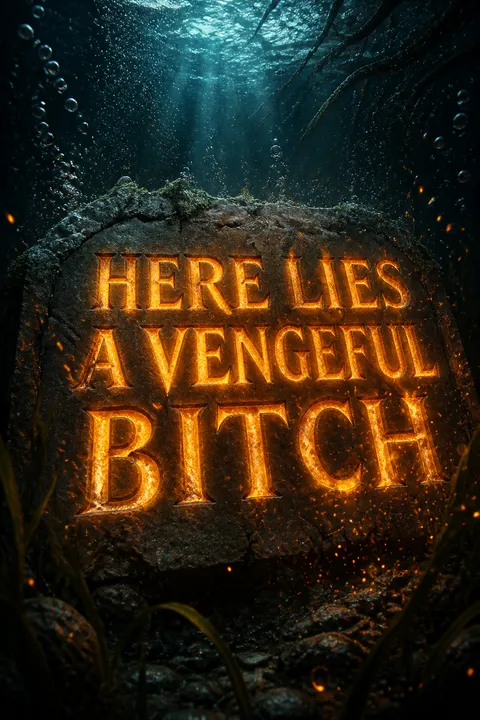
The misfits of Chapel House hold a darkly celebratory funeral for Annie, burying her body and marking her grave with a defiant epitaph. The ritual is both closure and initiation—Annie is now one of them, bound by rage and unfinished business. She learns the rules of their existence: as long as her body remains on the mountain, she can persist, but if it's moved, she'll fade. The funeral is a moment of solidarity and sorrow, but also a declaration of war against those who wronged her.
The Funeral and the Pact
With her funeral complete, Annie and her ghostly friends make a pact to seek justice for all the girls who were wronged and forgotten. They share stories of other victims—girls like Katie Brideswell, whose murder was never solved. Annie realizes her death is part of a pattern, and that the evil haunting Resurrection Peak is older and deeper than she imagined. The group's bond is strengthened by their shared pain and anger, and Annie's resolve to avenge herself and Maura is unbreakable.
The Unsolved and the Unforgiven
Annie investigates the unsolved murder of Katie Brideswell, discovering connections to her own death and to the town's dark history. She learns that the true evil is not just individual men, but a culture that enables and excuses violence against girls. The burning girl warns Annie about the "king of lies," and suspicion falls on Sam, whose past is shrouded in rumor and accusation. Annie's trust is shaken, but her determination to uncover the truth is unwavering.
The Devil in the Attic
Annie confronts Sam about his past, spurred by the burning girl's cryptic warnings and a poster accusing him of murder. Sam denies being a killer, but Annie's faith is tested. The Chapel House crew is divided, and Annie is forced to question who she can trust. The burning girl's presence grows more insistent, urging Annie to "come and see" the truth. The line between friend and foe blurs, and Annie's quest for vengeance becomes more urgent and dangerous.
The Burning Girl's Warning
The burning girl leads Annie to the truth: her killer is not Sam, but Grady Harker, her surrogate father and Maura's dad. Grady's history of violence and control is exposed, and Annie realizes he killed both her and Maura to maintain his power. The revelation is devastating, but it gives Annie the focus she needs. She gathers evidence, confronts the authorities, and prepares for a final reckoning. The burning girl's warnings were a guide, not a threat, and Annie's rage is now fully directed at Grady.
The Sheriff's Secret
Annie confronts Grady, who confesses to killing her and Maura out of a twisted sense of control and entitlement. He tries to justify his actions, blaming Annie for corrupting Maura and refusing to be "good." Annie's supernatural powers surge, and she drowns Grady in a flood of vengeful water, mirroring her own death. The act is both justice and catharsis, but it comes at a cost—Annie and Sam must race the sunrise to return to Resurrection Peak, or risk being lost forever.
Maura's Fate
On Halloween, when the dead can walk among the living, Annie is reunited with Maura's ghost at Chapel House. They share memories, regrets, and forgiveness, finding solace in each other's company. Maura reveals how she tried to warn Annie and gather evidence against her father, but was killed before she could act. Their bond is unbreakable, even in death, and they promise to find each other again. As dawn approaches, Maura fades, leaving Annie with a sense of peace and purpose.
Vengeance at Dawn
With Grady dead and her vengeance fulfilled, Annie finds herself changed but not at rest. She is now fully a part of Chapel House, bound to Resurrection Peak and the other vengeful spirits. The world is still hostile, and the cycle of violence is not broken, but Annie's story is one of defiance and survival. She and her friends will continue to haunt the mountain, seeking justice for the forgotten and the wronged. Annie's rage is her power, and her story is far from over.
Analysis
Here Lies a Vengeful Bitch is a fierce, unflinching exploration of rage, trauma, and the quest for justice in a world that punishes girls for surviving. Codie Crowley's novel uses the supernatural as both metaphor and mechanism, allowing Annie Lane to reclaim her agency and power even in death. The story interrogates the ways society enables violence against women, the complicity of bystanders, and the insidiousness of those who hide behind respectability. Through nonlinear narrative, vivid symbolism, and a cast of unforgettable characters, the book challenges the notion that girls must be "good" to deserve justice. Instead, it celebrates anger, defiance, and the bonds of found family as sources of survival and transformation. The lesson is clear: vengeance is not just about retribution, but about refusing to be erased. Annie's journey is both a ghost story and a manifesto, urging readers to honor their own pain, demand accountability, and never let the world forget the names and stories of the wronged.
Review Summary
People Also Read


Characters
Annie Lane
Annie is the protagonist, a seventeen-year-old girl whose life is marked by trauma, rage, and resilience. She awakens after her own murder, disoriented and haunted, but quickly becomes determined to uncover the truth and seek vengeance. Annie's relationships are fraught—her mother is neglectful, her best friend Maura is missing, and her ex-boyfriend Gun is toxic. Psychologically, Annie is a survivor, using anger as armor against a world that has always tried to diminish her. Her journey is one of self-discovery, as she learns to harness her supernatural powers and confront the evil that killed her. Annie's development is from victim to avenger, her pain transformed into purpose.
Sam (Byron Ackerson)
Sam is the mysterious, charismatic anchor of Chapel House, a ghost with a 1950s greaser vibe and a past shrouded in rumor. Accused of murdering five girls decades ago, Sam is both protector and potential threat. His relationship with Annie is complex—he's drawn to her rage and resilience, and their bond deepens into romance. Psychologically, Sam is burdened by guilt and the weight of others' perceptions, but he is fiercely loyal to his found family. His development is shaped by his willingness to help Annie, even as he fears losing her to the truth or the hellhounds. Ultimately, Sam is revealed to be innocent of the crimes attributed to him, a victim of the town's hysteria.
Fern
Fern is the first to help Annie, offering warmth and understanding. She is creative, nurturing, and wise beyond her years, having died violently in the same town decades earlier. Fern's relationship with Annie is sisterly, and she serves as a bridge between the living and the dead. Psychologically, Fern is marked by trauma but refuses to let it define her—she channels her pain into art and caretaking. Her development is steady, providing stability for the group and helping Annie accept her new reality. Fern's own death is a reminder of the cycle of violence against girls, and her support is crucial to Annie's transformation.
Hunt and Howl
Hunt and Howl are spectral twins who speak in riddles and rhymes, embodying the chaos and unpredictability of the afterlife. They are both comic relief and harbingers of truth, often delivering cryptic warnings or insights. Their relationship to Annie is playful but protective, and they serve as a chorus, reflecting the story's themes of vengeance and justice. Psychologically, the twins are childlike but wise, having seen many come and go from Chapel House. Their development is subtle, but their loyalty to the group is unwavering.
Virgil
Virgil is the group's alchemist, brewing strange drinks and offering sharp, often biting commentary. He is both a source of comfort and a provocateur, challenging Annie and the others to confront uncomfortable truths. Virgil's relationship with Annie is antagonistic but ultimately supportive—he respects her anger and her quest for vengeance. Psychologically, Virgil is a survivor, using humor and cynicism to mask his own pain. His development is in his willingness to help Annie, even as he mocks her journey.
Dearborn ("Dear")
Dearborn is the group's muscle, physically imposing but emotionally sensitive. He is shy, awkward, and deeply kind, offering support to Annie and the others. Dear's relationship with Annie is brotherly, and he is often the voice of reason in the group. Psychologically, Dear is marked by a need for acceptance and belonging, having been rejected in life. His development is in his growing confidence and his willingness to stand up for his friends.
Maura Harker
Maura is Annie's closest friend, a brilliant and driven girl with a passion for justice. Her relationship with Annie is deep and complicated, marked by love, jealousy, and shared trauma. Maura's investigation into past murders puts her in danger, and her death at the hands of her father is the story's emotional core. Psychologically, Maura is courageous and resourceful, but also burdened by the weight of her family's secrets. Her development is posthumous—her ghost helps Annie find closure and purpose.
Grady Harker
Grady is Maura's father and Annie's surrogate parent, a respected figure in the community who hides a dark, violent nature. His relationship with Annie is paternal but controlling, and his true nature is revealed as the story's central villain. Psychologically, Grady is a narcissist, obsessed with power and order, willing to kill to maintain control. His development is a descent into monstrousness, culminating in his death at Annie's hands.
Gun (Morgan Donovan)
Gun is Annie's ex-boyfriend, a manipulative and self-absorbed musician. His relationship with Annie is fraught with betrayal and abuse, and he is complicit in her downfall, though not her actual killer. Psychologically, Gun is weak, using charm and bravado to mask his insecurity. His development is a slow unraveling, as Annie confronts him and forces him to face his actions.
The Burning Girl (Katie Brideswell)
The burning girl is the ghost of a past victim, guiding Annie toward the truth and warning her of the dangers ahead. Her relationship to Annie is that of a mentor and a warning—she represents the fate that awaits those who are forgotten. Psychologically, the burning girl is rage incarnate, her pain and anger fueling Annie's quest for justice. Her development is in her ability to help Annie break the cycle of violence.
Plot Devices
Nonlinear Narrative and Fragmented Memory
The novel's structure mirrors Annie's psychological state—her memories are fragmented, and the narrative jumps between past and present, dream and reality. This device creates suspense and immerses the reader in Annie's confusion and trauma. Flashbacks, visions, and supernatural encounters gradually reveal the truth, allowing the reader to piece together the mystery alongside Annie. The nonlinear approach heightens emotional impact and underscores the theme of memory as both weapon and wound.
Supernatural Rules and Boundaries
The vengeful dead of Chapel House are bound to Resurrection Peak, corporeal but unable to leave except on Halloween. Their powers—teleportation, possession, manipulation of reality—are tied to their rage and unfinished business. The hellhounds serve as enforcers, threatening to erase those who stray too far. These rules create tension and urgency, as Annie must solve her murder and avenge herself before she fades or is claimed by the hounds. The supernatural framework is both metaphor and mechanism, reflecting the constraints placed on girls in life and death.
Foreshadowing and Symbolism
The burning girl, blood on Annie's jacket, Maura's missing ring, and the hellhounds all serve as symbols and foreshadowing devices. The burning girl's warnings point to the true killer, while the blood and ring are clues to Maura's fate. The hellhounds symbolize the ever-present threat of erasure and the consequences of unfinished business. These devices create a sense of inevitability and reinforce the story's themes of vengeance, justice, and the cost of survival.
Found Family and the Power of Rage
The Chapel House crew is a found family, united by trauma and the need for justice. Their bond is forged in pain but sustained by mutual support and shared purpose. Annie's rage is not a flaw but a source of power, enabling her to resist erasure and fight for herself and others. The story subverts the trope of the "good girl" by celebrating anger as a force for change, and the found family as a refuge from a hostile world.








































