
Plot Summary
Treehouse Oaths and Beginnings
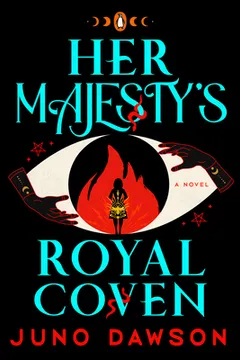
On the eve of the summer solstice, five young girls—Niamh, Ciara, Leonie, Helena, and Elle—forge an unbreakable bond in a treehouse, practicing the sacred oath of their ancient coven before their real initiation. Nervous anticipation mixes with tradition as they prepare for the ritual atop Pendle Hill, pricking their thumbs for blood, drinking from a chalice, and receiving their first mark as official witches. Beneath the surface of their playful disputes and childhood games runs an anxiety about their mysterious inheritance, a sense of dwindling numbers, and the weight of history on their shoulders. In this foundational moment, they become more than children: they become a sisterhood bound by promises to protect each other and the magic that defines them.
Modern Witches, Old Wounds
Adulthood finds the women scattered into different roles within Her Majesty's Royal Coven (HMRC)—a semi-secret, state-sanctioned order of witches sworn to protect the United Kingdom from supernatural threats. Niamh, still grieving the loss of her beloved Conrad, is capable yet haunted; Helena rules the HMRC with ambition and perfectionism, her judgments shadowed by the loss of her husband Stef. The aftermath of a recent civil war in witch society lingers—many are scarred, relationships are strained, and new threats keep trust scarce. None have entirely recovered, and every act is colored by past trauma and present responsibility. The burdens of leadership, love, and loss are palpable as these women navigate extraordinary powers in a world that remains both magical and mundane.
A Prophecy of Ruin
The oracles at HMRC reel from a new, terrifying prophecy: the rise of a Sullied Child who will call forth Leviathan, a demon king, and bring about devastation on an unimaginable scale. Their visions—bodies in burned ruins, rivers of blood in Manchester, and a monstrous silhouette—are so potent that they send every oracle into a panicked chant. This vision grips Helena with obsessive fear; she summons Niamh back from civilian life, seeking her rare talents to help avert, or at least understand, this dire portent. The prophecy is both concrete and slippery—potentially literal or metaphorical—sparking urgent debate in a coven already strained by internal divisions and anxieties about the future.
The Sullied Child Found
A boy in Scotland, code-named Theo but called "John Smith," is found responsible for the supernatural destruction of his school. Shipped to the grim, magic-dampening Grierlings prison, the child is locked in a cage more suited for creatures than humans, his power barely contained by charms and sedatives. He is an adept—a rare individual manifesting more than one magical discipline, and even rarer for being apparently male. Niamh is brought in to make psychic contact, finding the boy terrified, mute, and traumatized, not a monster but a lost child brutalized by the system. He is the target of both hope and fear, a living echo of the oracular doom, and HMRC faces an agonizing dilemma: how to handle raw magical potential in a world obsessed with containment.
Dangerous Power, Dangerous Fears
Niamh bonds with Theo, glimpsing authentic pain behind his silent rebellion. Despite reassurances, the leadership—especially Helena—leans toward extreme preemptive measures, considering the literal killing of a child if it prevents Leviathan's rise. This marks a chilling escalation in the coven's ethical crisis, layering the personal with the political. Tensions rise as friends confront uncomfortable truths about themselves and each other: the legacies of the civil war, intersections of power and misogyny, and the slow, corrosive action of fear on the fabric of sisterhood. The question becomes not just whether prophecy can be stopped but what will be sacrificed in the name of safety.
Secrets, Shame, and Sisterhood
Within the Pearson family, Elle struggles to reveal her witch identity to her daughter Holly, who is herself beginning to manifest magical abilities—heralded by telepathy and an uncanny knack for seeing through sorcery. Elle's confession is awkward, funny, and raw; Holly finds magic exhilarating, altering the mother-daughter dynamic forever. Across characters, secrets fester: hidden marriages, unspoken desires, lies to mundane partners, and self-enforced isolation. The need for honesty, especially between mothers and daughters but also among sisters in the coven, is a throughline, rendering the personal inseparable from the magical and the political.
Theo's Arrival and Awakening
Niamh brings Theo from Grierlings to her rural cottage, providing a tentative refuge and gentle mentorship. For the first time, Theo—still silent—experiences compassion and belonging, albeit laced with strange psychic bleed between guardian and child. Nightmares convulse the house, evidence of Theo's overwhelming, uncontrolled power. Healing slowly, Theo at last communicates her name, and through a series of lessons, both child and teacher begin to understand her unique gifts. The shared vulnerability helps Niamh, too, face her own voids; each provides the other a measure of hope that healing is possible, if only the outside world will allow it.
Witchcraft, Identity, and History
Lessons in witchcraft are shown as lessons in history: Gaia as goddess, the legacy of female power, the ever-present threat of demons, and the ways patriarchy—mundane and magical—has sought to crush, divide, and co-opt witches for centuries. The girls are taught that magic is resistance, but also stewardship; every spell and tradition is a story in the struggle for survival on ground shifting beneath their feet. Gender identity emerges insistently: "warlocks" and "witches" are more than chromosomes, and what power means, who can wield it, and who is included or excluded in the circle are questions that haunt the present and shape the future.
Testing Limits, Facing Scars
Together, Niamh, Leonie, Elle, and Annie supervise trials for the young practitioners atop Malham Cove. Theo's raw, undisciplined abilities threaten to spiral out of control, accidentally summoning flocks of aggressive birds. The demonstration is both awe-inspiring and terrifying, reawakening memories of violence and the war's legacy. The gathering is also a mirror: each character recognizes the old and new wounds engraved on themselves and each other. The exercise, meant to foster mastery and inclusion, instead highlights how difference—of trauma, of gender, of origin—becomes the seed for potential division and misunderstanding in the coven.
The Past Haunts the Present
Flashbacks to the war that split witch society reveal the personal cost of ideological conflict: betrayals, deaths, and the almost irreparable rift between Niamh and her twin sister Ciara, now imprisoned in a magical coma for her crimes. Helena's own ambitions and sacrifices are laid bare—her need to lead, her willingness to be hated for the greater good, her inability to fully grieve or forgive. Old wounds define present relationships, and the lines between protecting the sisterhood and enforcing conformity are increasingly blurred. The echoes of the past refuse to silence themselves, driving characters to make decisions out of fear, loyalty, and desperation.
Trans Truths Emerge
A crucial secret surfaces: Theo, always misgendered and mishandled, is a transgender girl. This revelation lands with deep resonance among the coven's leaders—particularly Niamh and Elle—illuminating the pain of exclusion but also the promise of true affirmation. Valentina, a trans witch in Leonie's Diaspora coven, shows that trans women can possess as much power, magic, and womanhood as anyone. Yet, Helena—and the institutional HMRC—react with entrenched conservatism, viewing Theo as a threat to the coven's foundational identity. The question of gatekeeping—who is allowed to be a witch, who writes the rules—becomes the story's ethical crux.
Fractures in the Coven
Revelations splinter trust among the old friends: a heated argument between Niamh and Helena crystallizes the deep philosophical and emotional divides in the coven. Helena refuses to recognize Theo's gender or her right to take the oath, while Niamh becomes her champion. Their friendship shatters under the weight of secrets, betrayals, and incompatible visions for what "sisterhood" should mean. Elsewhere, relationships shake—Elle's husband's infidelity is uncovered (though not confronted), and radical inclusivity in Leonie's coven is challenged by memories of racism and exclusion. The fractures are both personal and political, threatening not only the protagonists' bonds, but the future of organized witchcraft in the UK.
Lines Drawn and Broken
Helena, increasingly desperate, forms a loyal squad within HMRC and plots the removal—even murder—of Theo to prevent the prophecy. Radicalized by fear and by the intoxicating promise of demonic empowerment, she bargains with forbidden powers, pulling at threads of old magic and violence to arm herself against her old friends. Leonie, Chinara, Sandhya (now defecting from HMRC), and others rally in Theo's defense, breaking into the magically quarantined town of Hebden Bridge. The old coven, once united, is now split across lines of gender, race, and resistance to intolerance—some fighting for survival, some for supremacy, all facing the cost of certainty.
The Hunt of Hebden Bridge
A night of chaos and violence erupts: Niamh and Theo flee as Helena and her team descend on the village, fogging mundanes into sleep, cutting power, and tearing open roads with elemental magic. The chase is relentless; cars flip, lightning strikes, friends risk themselves for each other. Allies arrive just in time: Leonie and Chinara break through magical defenses, while Elle and her daughter Holly, newly empowered, fight alongside them. Sacrifices are made—damage to bodies, hearts, and the fragile peace. Few illusions remain about the meaning of power when wielded in fear.
Transformation in Firelight
Cornered and magically overpowered, Theo is nearly killed by Helena, who is possessed and twisted by the demon Belial. In a moment of collaborative sacrifice—Niamh pouring out all her energy—Theo undergoes a psychic and physical transformation, emerging fully as Theodora, voice and body in alignment for the first time. Theodora's power is radiant, not destructive, and she rejects the prophecy of becoming the world's end. She, and by extension the hope for an inclusive future in magic, survives not by violence but by claiming her right to exist, breaking the old cycle.
The Witch's Reckoning
Niamh saves Theodora from certain death via a beehive—turning the logic of power on its head, defeating Helena not through violence but nature's smallness and empathy. The demon is expelled; Helena is critically wounded and—after her crimes are revealed, including the murder of Annie—tried and executed by her own coven in the ancient Pipes. The survivors mourn both Helena and the bloody cost of conflict, understanding only too late the poison of fear and rigidity. Sisterhood is deeply wounded but endures—just.
Aftermath and Cost
In the messy aftermath, the survivors comfort each other, tend wounds, and reckon with their choices. Elle's marriage faces the specter of secrets; Niamh and Luke admit their love, and Theodora at last steps into the possibility of an authentic, magical life. Some, like Snow—Helena's daughter—are embittered and driven by a new hatred, foreshadowing future conflict and the ceaseless nature of fear and exclusion. Meanwhile, Dabney Hale, a powerful warlock, mysteriously escapes prison—his intentions unknown. The war, it appears, is not truly over.
New Oaths, Old Shadows
The solstice returns: Theo, Holly, and Snow take their oaths as new witches, each carrying unique histories and potential. Niamh is asked to lead, but is wary. The gathering is both a celebration and a reckoning, as the question of inclusion—who a witch truly is—remains painfully unresolved. In the shadows, Snow vows revenge, her fury at her mother's execution distorting her power and promising future conflict. Elsewhere, Ciara—the lost twin—secretly returns in a supernatural body-swap, closing the door on a cycle of violence but hinting at new permutations of old threats. The story of witches, it seems, is never complete.
Analysis
Radical inclusion, the danger of certainty, and the magic of changeHer Majesty's Royal Coven reimagines the fantasy genre for a world urgently wrestling with questions of identity, gender, power, and community. On the surface, it's a tale of witches battling a prophesied apocalypse; beneath, it's a fiercely modern meditation on the cost—and necessity—of change. The novel's heart lies in its interrogation of who gets to call themselves a witch, a woman, or a sister: the tendency of institutions (even revolutionary ones) to gatekeep, exclude, and repeat the very oppressions they once resisted. Dawson offers no easy answers: tradition is nourishing but also suffocating; prophecy is revealing but unreliable; love is redemptive but not always enough. The story champions the radical act of listening—to oneself, to the marginalized, to the truths that refuse to fit neat categories. In a world where certainty breeds cruelty and inclusion is depicted as both messy and vital, the book's lesson is clear: real magic lies not in sameness or control, but in the courage to remake old stories for the sake of everyone's survival, even if it means burning the coven to save the witches.
People Also Read
Characters
Niamh Kelly
Niamh is the emotional and ethical center of the story—a powerful adept who can sense and absorb others' feelings, heal, and communicate telepathically. Fiercely loyal but haunted by her failings, especially towards her twin sister Ciara, Niamh is defined by guilt, humility, and an irrepressible desire to protect. Her relationship to her friends is sisterly though complicated by adult resentments, grief over lost love, and the moral ambiguity of power. Her willingness to change, openness to Theodora's trans identity, and instinctive compassion position her as a beacon of hope for a more inclusive, humane future—but she bears lasting scars and deep uncertainties.
Helena Vance
Helena, once the humble ringleader in the treehouse, has grown into the uncompromising High Priestess of HMRC. Traumatized by war and her husband's death, driven by legacy and keenly aware of her own power, Helena is both a formidable protector and a rigid authoritarian. Her refusal to let go of tradition and her pathologically righteous certainty push her to commit atrocities in the name of the coven's survival. Ultimately, her tragic flaw is her belief that ends justify means; this, coupled with demonic possession, leads her to betray everything she once held sacred—including her sisters and herself.
Leonie Jackman
Leonie, once the only Black girl in the circle, grows into the charismatic leader of Diaspora, a coven for witches and warlocks of color and all those othered by established power. Proud, defiant, and plugged into intersectional issues, Leonie constantly questions authority and the very definitions of witchcraft and community. Her trauma around exclusion shapes her radical inclusivity and her fight for underrepresented voices. Her ability as a sentient makes her superb at navigating psychic and social boundaries; she is both a truth-teller and a catalyst, willing to challenge even long-held bonds when the cause requires it.
Elle Pearson
Elle is both nurturing and self-effacing, desperate for the ordinary comforts of suburban motherhood even as she hides enormous truths. As a skilled healer but reluctant participant in magical politics, Elle's greatest battles are domestic: honesty with her daughter Holly, dealing with a cheating spouse, and making peace with her own magical heritage. Her healing gift is matched by her desire to see and nurture the best in everyone—sometimes to the point of self-betrayal. The cost of keeping secrets, and the strength required to reveal them, are central to her journey.
Theo (Theodora) Wells
Theo begins as the most vulnerable and feared character: a traumatized, mute orphan whose uncontrolled magical power marks her as the Sullied Child of prophecy. As her story unfolds, it becomes clear she is not a threat because of her power, but because of who she is—a transgender girl whose existence challenges the oldest, most exclusionary rules of witchcraft. The process of finding her voice, her name, and her power is both the emotional and narrative heart: she is living truth that power and belonging cannot be hoarded by the few or the "pure." Ultimately, Theodora becomes the hope for a new kind of coven.
Ciara Kelly
Niamh's identical twin, Ciara is both victim and villain: once beloved, eventually radicalized by hate and jealousy, serving as a sentient's worst-case scenario. Her betrayal in the civil war, subsequent magical coma, and haunting presence speak to the psychological toll of exclusion (from both family and coven) and the price of violence as solution. Her re-emergence at the end foreshadows new danger and the cyclical nature of trauma and blame.
Holly Pearson
Elle's teenage daughter, Holly's coming-of-age story parallels Theo's: manifesting powers during adolescence and negotiating the complicated intersections of family secrets, identity, and loyalty. Her journey from ignorance to mastery, enthusiasm to fear, is emblematic of the new generation, capable of both extraordinary feats and ordinary mistakes, her innocence endangered by the adult world's chaos.
Chinara Okafor
Leonie's partner and an elemental of immense power, Chinara exemplifies both the possibility and complexity of chosen family. Her survival through migration, trauma, and prejudice gives her strength; her moral clarity regarding oppression provides a crucial voice of accountability throughout, especially as the violence escalates. In action, she grounds and supports Leonie and the movement toward true inclusivity.
Sandhya Kaur
A minor witch in HMRC, Sandhya's shift from institutional loyalty to personal conscience is both brave and thematic. Her choice to aid Theo's defenders, even at the cost of her own safety, signals the necessity—and cost—of resistance from within.
Valentina
Valentina is a powerful, outspoken trans woman witch in Diaspora whose very existence undercuts Helena's exclusionary ideology. Her presence is both validation and empowerment for Theo, and a living argument for the complexity and strength of trans identity in magical tradition.
Plot Devices
Childhood Oaths and Oral Traditions
The story is anchored by the recitation of a sacred oath and the repetition of foundational stories—about Gaia, about Anne Boleyn, about who may or may not be a witch. These oral traditions are both empowering and exclusionary, providing meaning but also enforcing boundaries. Over time, as secrets disrupt the neat lines drawn in childhood, the oath becomes a site of conflict: literal swearing-in ceremonies serve as crucibles for new interpretations and battles over legacy.
Prophecy as Double-Edged Sword
The narrative's engine is a prophecy—omniscient but ambiguous, as often misinterpreted or manipulated as it is clarifying. Prophecy becomes a psychological device for the projection of personal and collective fear. The cult of the oracle—bald, cloistered, sometimes haunted—is both evidence of the coven's wisdom and its greatest vulnerability, as manipulated portents drive the story's central conflict.
Foreshadowing Through Dreams and Visions
Throughout, characters receive warnings and revelations through vivid dreams and psychic transmissions, creating suspense and layering the realism of everyday experience with the fantastical. These psychic echoes serve as both personal and collective premonitions: the fear of repeated traumas, the possibility of repeating historic violence, and the conflict between free will and destiny.
Magical Realism Embedded in Domestic Life
The juxtaposition of magic with daily life—laundry, love, family dinners, career disappointment—grounds the narrative, making the magical stakes inseparable from very human emotions and choices. Witches worry about children's safety, jealous partners, and household chores, even as they duel with demons or reshape reality.
Gender as Liminal, Contested Space
The core plot device is the framing of magic as female inheritance—a tradition challenged and ultimately redefined through Theo's journey. The magic/mundane binary, already thin and rigorously enforced, fractures under the pressure of lived experience. Identity—trans, queer, cross-racial—is revealed to be essential, not tangential, to the story's magic.
Cycles of Betrayal and Forgiveness
The story's arc is cyclical: old wars inform new ones, betrayals are relived, and the possibility of forgiveness is always shadowed by the risk of further harm. The child protagonists' oath becomes a question: will they remain a sisterhood, or collapse into hate? The narrative structure echoes this uncertainty, ending with both closure and ominous opening for continued conflict.


Download PDF
Download EPUB
.epub digital book format is ideal for reading ebooks on phones, tablets, and e-readers.








































