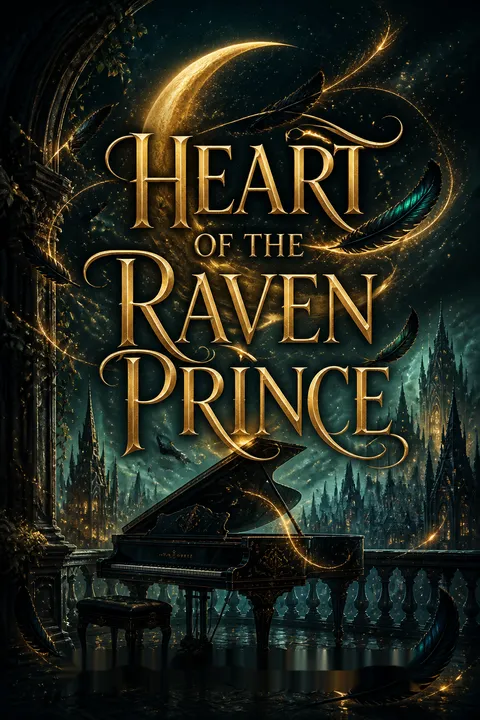

Plot Summary
Rooftop Dreams and Bargains
Ember Montgomery, half-fae and half-human, finds solace atop her city's rooftops, dreaming of escape from her cruel stepfamily and the binding bargain she made with her stepmother. Her only hope is a train ticket to the music capital, Lumenas, and the promise of a new life as a musician. But the magic of her bargain keeps her trapped, forced to obey every command until her nineteenth birthday. The city's music and the memory of her mother, a sylph, are her only comforts. Ember's yearning for freedom is palpable, but so is the weight of her guilt—she believes her magic killed her father. The chapter sets the tone for a story of longing, loss, and the desperate hope for a place to belong.
The Weight of Obedience
Ember's life is a cycle of servitude, pain, and humiliation. Her stepmother, Mrs. Coleman, and stepsisters, Imogen and Clara, treat her as a maid, exploiting the magical bargain that enforces her obedience. The family's fortunes have dwindled, and their hopes now rest on social climbing and securing wealthy marriages. Ember's inheritance, held at the palace until her nineteenth birthday, is a source of tension and greed. The family's latest scheme involves attending a royal ball, hoping to catch the eye of Prince Franco, the infamous Raven Prince. Ember, forbidden from participating, is sent on errands, her dreams of music and freedom ever distant. The chapter highlights the psychological toll of magical coercion and the toxic dynamics of her household.
The Prince's Reluctant Duty
Prince Franco, heir to the unseelie throne of the Lunar Court, is burdened by expectations. Tasked with hosting the human social season, he resents the performative nature of courtship and the pressure to marry for political gain. Franco's reputation as a rake and his discomfort with human customs mask a deeper vulnerability—he is a psy vampire, sensitive to the emotions of those around him, and haunted by the fear of losing his wild, unseelie identity. His relationship with his sister, Queen Nyxia, and her mate Lorelei, reveals his longing for genuine connection and his struggle to reconcile duty with desire. The chapter explores themes of identity, legacy, and the cost of leadership.
A Chance Encounter
A fateful encounter in a back alley sets the stage for misunderstanding and mutual disdain. Ember, waiting outside Madame Flora's shop, is mistaken by Franco for another social climber seeking his attention. His arrogance and her defiance spark a heated exchange, each misjudging the other's motives. The encounter leaves Ember furious and Franco dismissive, yet both are unsettled by the intensity of their interaction. This pivotal moment plants the seeds of attraction and animosity, foreshadowing the tangled relationship to come. The emotional impact lingers, fueling Ember's resolve and Franco's curiosity.
Invitations and Schemes
A letter from Gemma Bellefleur, mate to the Winter King, arrives with enchanted invitations to the royal ball—on the condition that Ember attends and wears the provided gown. Mrs. Coleman's scheme to use Ember as a ticket to the palace is exposed, and the magical stipulations ensure Ember's presence is required for her family's entry. The stepfamily's cruelty intensifies, forcing Ember to comply through the pain of the bargain. The chapter is a turning point, as Ember's participation in the ball becomes both a punishment and an opportunity, and the stakes of her obedience are raised to new heights.
The Ball's Unveiling
The night of the ball arrives, and Ember, dressed in Gemma's elegant but understated gown, is swept into a world of glamours, music, and masked intrigue. Her stepfamily's glamours are ostentatious, but Ember's quiet beauty draws its own kind of attention. Prince Franco, in his true form and flamboyant attire, presides over the festivities with a mix of boredom and bravado. The ball is a spectacle of fae and human culture, but beneath the surface, tensions simmer—between classes, between the wild and the civilized, and within the hearts of the protagonists. The emotional arc is one of anticipation, vulnerability, and the first stirrings of hope.
Masks, Music, and Mistaken Identity
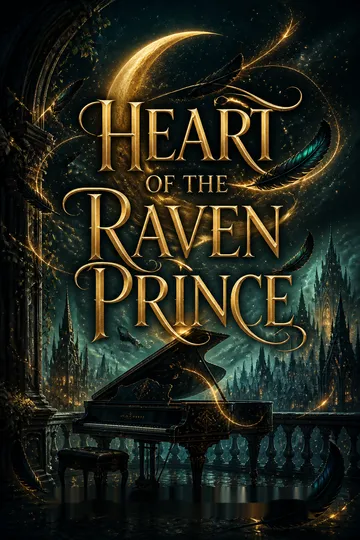
Seeking refuge from the ball, Ember finds a piano and pours her emotions into music, her song a blend of longing and rage. Unbeknownst to her, Franco, disguised as a fat raven, is drawn to her performance, captivated by the raw power of her magic. Their ensuing conversation is playful, flirtatious, and anonymous—each unaware of the other's true identity. The encounter is a moment of genuine connection, free from the burdens of status and expectation. The emotional resonance is profound, as both characters glimpse the possibility of being seen and accepted for who they truly are.
The Fat Raven's Secret
Franco, exhilarated by his encounter with the mystery pianist, becomes obsessed with discovering her true identity. The ball's glamours and masks have allowed both him and Ember to step outside their prescribed roles, and the memory of their conversation lingers. Meanwhile, Ember returns to her stepfamily, her spirit buoyed by the rare experience of being noticed and appreciated. The chapter explores the allure of anonymity, the hunger for authenticity, and the magnetic pull between two souls who sense a kindred spirit beneath the surface.
A Bargain for Freedom
After a harrowing confrontation with her stepfamily and the threat of a forced marriage to Brother Marus, Ember seizes a chance to escape. She strikes a bargain with Princess Maisie, a selkie fleeing her own unwanted fate, to impersonate her in exchange for sanctuary at the palace. Donning a powerful glamour, Ember becomes the princess impostor, hiding in plain sight while her stepfamily and Marus search for her. The emotional arc is one of fear, hope, and the intoxicating taste of agency. The stakes are higher than ever, as Ember's freedom now depends on her ability to deceive not only her enemies but the entire court.
The Princess Impostor
As "Princess Maisie," Ember is thrust into the heart of palace life, attended by her own stepsisters, now her maids. The irony is not lost on her, nor is the constant threat of exposure. Prince Franco, tasked with courting the princess, is immediately suspicious of her odd behavior and gaps in knowledge. Their interactions are fraught with tension, humor, and a growing sense of mutual recognition. The emotional stakes are heightened by the ever-present danger of discovery and the slow, reluctant blossoming of trust and attraction.
The Prince's Growing Fascination
Franco's initial wariness gives way to fascination as he glimpses the real person behind the princess's mask. Their walks, conversations, and shared moments reveal vulnerabilities and desires neither has dared to express before. Ember, for her part, is drawn to Franco's wit, honesty, and the pain he hides beneath his rakish exterior. The emotional arc is one of tentative intimacy, as both characters begin to lower their defenses and risk their hearts. The threat of Marus and the stepfamily's schemes loom ever larger, casting a shadow over their fragile happiness.
The Opera and Unraveling Truths
A night at the opera brings Ember and Franco's relationship into the public eye, even as secrets threaten to unravel everything. Brother Marus presses his claim, and Ember's stepfamily grows more desperate. Franco, increasingly aware that the woman he's falling for is not who she claims to be, is torn between duty and desire. The emotional tension is palpable, as the cost of deception becomes clear and the possibility of exposure grows imminent. The chapter is a crucible of longing, fear, and the aching need for truth.
The Threat of Marus
Marus, emboldened by his alliance with Mrs. Coleman and the queen's political calculations, moves to claim Ember as his bride. The magical bargain's pain becomes unbearable, and Ember is trapped between obedience and self-preservation. Franco, meanwhile, is caught in a web of promises and political maneuvering, his own life at risk if he breaks his word. The emotional arc is one of desperation, betrayal, and the suffocating weight of power wielded without mercy.
Escape and Bargain's Edge
Ember's attempt to flee Marus's clutches is thwarted by the lingering power of her bargain, which punishes even the thought of disobedience. Her physical and emotional agony is matched by Franco's, as he battles the consequences of his own broken promise. The chapter is a study in the limits of agency under magical coercion, the cost of survival, and the resilience required to endure. The emotional impact is raw, as both protagonists are pushed to their breaking points.
The Lake and the Kiss
In a rare moment of respite, Franco and Ember share a swim in the moonlit lake, shedding their masks and revealing their true selves—if not their true identities. The intimacy of the moment culminates in a passionate kiss, a union of longing and fear, hope and regret. The emotional resonance is profound, as both characters glimpse the possibility of love, even as the world conspires to keep them apart. The chapter is a turning point, marking the transition from pretense to genuine connection.
The Dance of Revelation
At the Full Moon Frolic, Franco and Ember open the ball with a dance that is both a celebration and a revelation. The unseelie music, the swirling magic, and the eyes of the court bear witness to their chemistry and courage. The dance is a metaphor for their journey—improvised, passionate, and defiant of convention. As the night unfolds, secrets come to light, bargains are broken, and the cost of freedom is laid bare. The emotional arc is one of catharsis, as Ember's magic and Franco's vulnerability are finally seen and accepted.
The Storm Within
The truth of Mrs. Coleman's crimes is revealed in a harrowing confrontation, as Ember's stepmother confesses to poisoning her father and blaming Ember's magic. The trauma and rage this unleashes in Ember trigger her first full transformation into her unseelie form, unleashing a storm of magic that nearly destroys everything in its path. Franco's intervention, his acceptance, and his love are the only things that can bring her back. The chapter is a crucible of pain, forgiveness, and the reclamation of agency.
The Shattering of Chains
With the truth exposed, Mrs. Coleman faces justice, Marus is stripped of power, and Ember's stepsisters are given a chance at redemption. Franco and Ember, now free from their respective bargains and burdens, must decide what kind of future they want to build—together and for their court. The emotional arc is one of healing, as the wounds of the past are acknowledged and the possibility of happiness is embraced. The chapter is a testament to the power of love, forgiveness, and the courage to choose one's own destiny.
The Price of Survival
Ember and Franco confront the consequences of their choices, the scars left by trauma, and the responsibilities of leadership. Ember's inheritance becomes a symbol of both loss and hope, as she chooses to use it for the good of others rather than as a means of escape. Franco, now ready to claim the throne, commits to ruling with empathy, honesty, and a willingness to challenge tradition. The emotional resonance is one of bittersweet triumph, as the protagonists accept that survival comes at a cost, but that cost can be transformed into something beautiful.
The Truth of the Heart
In the aftermath of chaos, Franco and Ember finally confess their love, not just to each other but to the world. Their engagement is a public affirmation of everything they have fought for—the right to be seen, to be loved, and to lead on their own terms. The chapter is a celebration of vulnerability, the power of truth, and the joy of finding one's place. The emotional arc is one of fulfillment, as the protagonists step into the light, together.
Justice and New Beginnings
Mrs. Coleman is tried and exiled, Imogen is sent to a workhouse, and Clara is given a chance at a new life. Ember's inheritance is used to fund orphanages and aid the poor, a testament to her growth and compassion. Franco and Ember, now mates and soon to be king and queen, commit to building a court that values unity, empathy, and the wild beauty of the unseelie. The emotional resonance is one of hope, as the wounds of the past are transformed into the seeds of a better future.
A Year of Healing
A year later, Ember opens the New Moon Masquerade with a song that tells her story—a story of pain, survival, and love. Her magic, once a source of shame and fear, is now a gift she shares with her people. Franco, now king, rules with her at his side, their partnership a model of honesty and courage. The court is changed, the people are changed, and Ember herself is changed. The emotional arc is one of healing, as the past is honored and the future embraced.
The Song of the Queen
In the final moments, Franco proposes marriage, and Ember accepts, ready to face whatever comes next as queen. Their love, hard-won and fiercely defended, is the foundation of a new era for the Lunar Court. The story ends with the promise of flight—together, as equals, as lovers, as rulers. The emotional resonance is one of triumph, as the girl who once dreamed on rooftops becomes the queen who soars.
Analysis
Heart of the Raven Prince is a lush, emotionally resonant retelling of Cinderella, reimagined through the lens of fae bargains, trauma, and the quest for self-acceptance. At its core, the novel is about the struggle to reclaim agency in a world that seeks to define, confine, and exploit. Ember's journey from obedient servant to powerful queen is both a fantasy of liberation and a meditation on the real costs of survival—guilt, shame, and the scars left by abuse. Franco's arc, meanwhile, interrogates the burdens of leadership, the dangers of reputation, and the courage required to be authentic in the face of expectation. The novel's use of magical bargains externalizes the psychological dynamics of coercion, while the motifs of music and disguise explore the paradoxes of vulnerability and performance. Ultimately, the story argues that true freedom is not the absence of bonds, but the ability to choose them—and that love, at its best, is both wild and safe, a duet of equals who see and accept each other's darkness and light. The lessons are clear: healing is possible, justice is necessary, and the courage to be seen is the first step toward transformation.
Review Summary
Heart of the Raven Prince is a beloved Cinderella retelling set in a fae world. Readers praise the chemistry and banter between Ember and Franco, the well-executed tropes, and the engaging plot. Many found it a fast-paced, enjoyable read with a satisfying ending. The book is commended for its complex characters, magical world-building, and perfect balance of romance and fantasy. While some critics found it predictable or lacking depth, the majority of readers highly recommend it for fans of fairytale retellings and fantasy romance.
People Also Read
Characters
Ember Montgomery
Ember is the heart of the story—a young woman marked by loss, guilt, and longing. Her mother's death and her father's murder (for which she is wrongly blamed) leave her vulnerable to the manipulations of her stepfamily. The magical bargain that enforces her obedience is both a literal and psychological prison, shaping her into a survivor who dreams of freedom but fears her own power. Ember's journey is one of self-acceptance, as she learns to embrace her fae heritage, her magic, and her right to happiness. Her relationship with Franco is transformative, teaching her that love can be both wild and safe, and that she is worthy of both. Her arc is one of healing, agency, and the courage to be seen.
Prince Franco
Franco is a prince at war with himself—torn between duty and desire, reputation and reality. His sensitivity to the emotions of others makes him both empathetic and guarded, masking his vulnerability with wit and bravado. The pressure to marry for political gain and the trauma of past rejections have left him wary of intimacy, yet hungry for genuine connection. His relationship with Ember challenges him to confront his fears, embrace his unseelie nature, and lead with honesty. Franco's arc is one of self-discovery, as he learns that true strength lies in vulnerability and that love is worth the risk of pain.
Mrs. Coleman
Mrs. Coleman is a master of schemes, using her stepdaughter's magical obedience to further her own ambitions. Her cruelty is rooted in bitterness, envy, and a sense of entitlement, but also in her own history of loss and disappointment. Her willingness to poison, manipulate, and betray is both a survival strategy and a pathology. She is a cautionary figure, illustrating the corrosive power of resentment and the dangers of unchecked ambition. Her arc ends in justice, but not before she leaves lasting scars on those around her.
Imogen Coleman
Imogen is Mrs. Coleman's favored daughter, mirroring her mother's ambition and cruelty. Her rivalry with Ember is fueled by jealousy and a desperate need for validation. Imogen's schemes are often transparent, but her willingness to betray and manipulate makes her a genuine threat. Her arc is one of comeuppance, as her machinations ultimately lead to her downfall and exile.
Clara Coleman
Clara is less malicious than her mother and sister, often swept along by their schemes rather than instigating them. Her moments of vulnerability and regret hint at the possibility of change, and her eventual plea for help is met with compassion rather than vengeance. Clara's arc is one of growth, as she is given a chance to forge her own path and escape the cycle of abuse.
Brother Marus
Marus is a member of Saint Lazaro's Church, representing the dangers of religious zealotry and the abuse of authority. His pursuit of Ember is less about love than about control and salvation, seeking to "purify" her fae nature through marriage. Marus's alliance with Mrs. Coleman and his manipulation of the queen's promises make him a formidable antagonist. His arc ends in disgrace, stripped of power and exposed as a fraud.
Queen Nyxia
Nyxia is both Franco's mentor and his greatest challenge, embodying the tension between the wild unseelie past and the demands of a changing world. Her love for her mate, Lorelei, and her desire to retire are at odds with her need for control and her fear of losing her legacy. Nyxia's arc is one of letting go, as she learns to trust Franco and embrace the future he represents.
Princess Maisie
Maisie's flight from an unwanted marriage and her bargain with Ember set the main plot in motion. Her own struggles with identity, agency, and danger mirror Ember's, and her story is a reminder that the quest for freedom is universal. Maisie's fate remains unresolved, a thread to be picked up in future tales.
Gemma Bellefleur
Gemma is a figure of kindness and generosity, offering Ember the invitation that changes her fate. Her own journey from outsider to queen is a source of inspiration, and her friendship with Ember is a model of support and solidarity. Gemma's presence is a reminder that found family can be as powerful as blood.
Augie
Augie is Franco's loyal ambassador and confidant, providing both practical support and much-needed levity. His own romantic subplot with Seri, the moth pixie, is a counterpoint to the main romance, illustrating the joys and challenges of love across boundaries. Augie's arc is one of growth, as he learns to balance duty and desire.
Plot Devices
Magical Bargains and Obedience
The story's central plot device is the magical bargain—a contract that enforces obedience through pain and, for the fae, the threat of death. This device externalizes the dynamics of abuse and control, making Ember's struggle both fantastical and deeply relatable. The bargain's expiration is a moment of catharsis, symbolizing the possibility of breaking free from trauma and reclaiming agency.
Glamours and Masks
Glamours, masks, and mistaken identities drive much of the plot, allowing characters to step outside their prescribed roles and glimpse new possibilities. The motif of disguise is both a shield and a prison, enabling connection while also perpetuating deception. The unmasking of true selves is a recurring theme, culminating in the public revelation of Ember and Franco's love.
Music and Magic
Music is both Ember's passion and her power, a source of solace and a tool of transformation. Her magic, channeled through song, is a metaphor for the dangers and gifts of creativity, emotion, and vulnerability. The piano, the dance, and the final performance are all moments of revelation, where the boundaries between self and other, pain and joy, are dissolved.
Dual Perspectives and Narrative Structure
The story alternates between Ember and Franco's perspectives, allowing readers to experience the misunderstandings, longings, and revelations from both sides. This structure heightens dramatic irony, as each character is often unaware of the other's true feelings and motives. The dual narrative also deepens the emotional arc, making the eventual union all the more satisfying.
Foreshadowing and Symbolism
The motifs of wind, flight, and transformation are woven throughout the narrative, foreshadowing Ember's eventual mastery of her magic and her journey from servitude to sovereignty. The rooftop, the lake, the dance, and the final flight are all symbolic moments, marking stages in her evolution. The broken shoe, the locket, and the enchanted necklace are tangible symbols of loss, memory, and hope.
Entangled with Fae Series
About the Author
Download PDF
Download EPUB
.epub digital book format is ideal for reading ebooks on phones, tablets, and e-readers.








































