
Plot Summary
Snowfall and Social Masks
Gemma Bellefleur, newly arrived in the fae-ruled Winter Court, watches snow fall from her parlor window, feeling isolated and stifled by the rigid expectations of her new human town. She yearns for the freedom and warmth of her childhood, resenting the social masks she must wear to survive. Her only solace is in books, which offer escape from the judgmental eyes of neighbors and the pain of a past scandal. Gemma's internal monologue reveals her wit, frustration, and longing for independence, setting the stage for her resistance to the roles society demands of her.
Bookshop Encounters and Gossip
Venturing out for new reading material, Gemma braves the snow and the prying eyes of Vernon's residents. She endures Mrs. Aston's matchmaking and gossip about wolves and fae, then meets Gavin Aston, whose condescension and self-importance irritate her. At the bookshop, Gemma finds comfort in Mr. Cordell's company and the promise of new stories. Her interactions with Imogen, her so-called friend and social jailer, highlight the suffocating expectations placed on women. The chapter ends with Gemma's resolve to maintain her independence, even as whispers of her past threaten to resurface.
Scandal's Shadow
Imogen's veiled threats and reminders of Gemma's scandal in Bretton—an affair with a viscount—trigger Gemma's anxiety and shame. The town's rigid morality and Imogen's manipulations reinforce Gemma's outsider status. Despite her efforts to appear unflappable, Gemma's internal wounds are raw. She finds brief comfort in her sister Nina's presence, but the family's focus on marriage and reputation leaves Gemma feeling unsupported. A letter arrives, offering her a glimmer of hope: an interview for a job that could grant her the independence she craves.
Family Tensions and Hope
Gemma's excitement over the job interview is tempered by her father's controlling nature and the family's fixation on social standing. Her father's coldness and Nina's concern highlight the lack of true support in her life. Despite warnings about wolves and fae, Gemma is determined to attend the interview alone, seeing it as her first real chance at freedom. Her walk through the snowy woods is fraught with fear and memories, but also a sense of peace and determination. The chapter ends with Gemma's encounter with wolves, blurring the line between fae legend and reality.
The Job Interview
Gemma's supposed job interview at a remote manor is a ruse. She is ambushed by a pack of fae wolves, led by a three-legged white wolf who reveals himself as the Unseelie King. The wolves' attempts to trick Gemma into a fae bargain fail, and she is taken captive. The king's plan is to use her as bait in a convoluted scheme to break his curse, relying on human gratitude and sacrifice. Gemma's wit and resilience keep her alive, but she realizes she is a pawn in a dangerous game.
Wolves in the Woods
Imprisoned in the manor, Gemma befriends Micah, a fae child, and learns about the curse afflicting the king and his pack. The curse strips them of their memories, magic, and immortality, and will soon claim their lives unless broken by a willing human sacrifice. The king's bitterness and self-loathing are revealed, as is his prejudice against humans. Gemma's empathy and intelligence allow her to negotiate with her captors, and she begins to see the vulnerability beneath the king's gruff exterior.
Captive in the Manor
Gemma's resourcefulness leads her to propose a bargain: she will help the king break his curse by orchestrating a romance with Imogen, whom she deems shallow enough to make the required sacrifice. In exchange, Gemma demands employment, room, board, and a substantial reward. The king reluctantly agrees, and Gemma takes charge of the manor, transforming it from a den of despair into a place of hope. As she organizes the household and prepares for Imogen's arrival, Gemma and the king's relationship shifts from adversarial to collaborative.
The Wolf King's Bargain
Gemma's leadership revitalizes the manor and its cursed inhabitants. She hires staff, renovates rooms, and enlists fae allies like Foxglove and Amelie. The king, now called Elliot Rochester, undergoes a physical and social transformation under Gemma's guidance. Their banter and growing mutual respect hint at deeper feelings, but both are wary of vulnerability. As they prepare for Imogen's courtship, Gemma teaches Elliot the art of human manners and flirtation, while struggling with her own conflicted emotions.
Bargain Struck
Imogen is lured to the manor under the pretense of matchmaking, and Elliot's awkward attempts at courtship are offset by Gemma's coaching. The household's camaraderie grows, and Gemma finds unexpected joy in her work and the found family she is building. However, the curse's deadline looms, and the pressure to succeed intensifies. Gemma's feelings for Elliot deepen, but she remains focused on her goal: freedom, not love. The stage is set for a grand ball, where Imogen's attachment to Elliot will be tested.
The Manor's Transformation
The ball is a dazzling success, with Elliot's transformation complete and Imogen thoroughly smitten. Gemma and Elliot share a dance that reveals their true feelings, but the moment is fleeting. Imogen demands marriage as the price for breaking the curse, and Elliot's inability to sacrifice his wolf form or memories leads to a painful confrontation with Gemma. Misunderstandings and pride drive them apart, and Gemma returns to her family, resigned to a life of loneliness and exile.
Lessons in Love and Deception
Back in Vernon, Gemma is pressured into an unwanted engagement with Gavin Aston, but she refuses to compromise her integrity or settle for a loveless marriage. A final confrontation with her father reveals the depth of their estrangement, and Gemma chooses to leave home rather than submit. A generous gift from Elliot—money and a coach—gives her the means to start anew. As she prepares to leave, news reaches her that the curse remains unbroken and Elliot is facing death.
The Dinner Party
Gemma rushes to the manor, where the curse's effects are devastating the household. Elliot, unable to sacrifice his memories of Gemma, is resigned to his fate. In a moment of clarity and love, Gemma chooses to break the curse herself, sacrificing her greatest treasure—her memories of Elliot and their love. The magical process is interrupted by the revelation that only the willingness to sacrifice was required, not the actual loss. The curse is broken, and Elliot's memories and magic are restored.
The Curse Revealed
With the curse broken, Elliot and Gemma are reunited, their love stronger for the trials they endured. The household is freed, and the found family they built together flourishes. Gemma's journey from isolation and shame to self-acceptance and love is complete. She chooses to stay in the Winter Court, embracing both her independence and her place in a new, unconventional family. The story ends with a celebration of love, resilience, and the power of chosen bonds.
The Ball and Betrayal
The grand ball at the manor is both a triumph and a turning point. Gemma and Elliot's dance is electric, but the pressure of the curse and Imogen's demands lead to a painful rift. Miscommunication and pride drive Gemma and Elliot apart, and both are left to confront their deepest fears and desires. The ball's aftermath forces Gemma to reckon with her past, her family, and her own capacity for love and forgiveness.
Love and Sacrifice
Separated and heartbroken, Gemma and Elliot each face the consequences of their choices. Gemma refuses to settle for a life without love or integrity, while Elliot grapples with the true cost of his freedom. Their parallel journeys of self-discovery and growth culminate in a final act of sacrifice and redemption. The willingness to risk everything for love becomes the key to breaking the curse and forging a new future.
Breaking the Curse
Gemma's selfless act—her willingness to sacrifice her memories and love—fulfills the curse's requirements. The magical revelation that only intent, not loss, was needed brings relief and joy. Elliot's memories, magic, and wolf form are restored, and the household is freed from suffering. The couple's reunion is tender and triumphant, as they embrace the lessons learned and the love that endures.
Found Family, New Beginnings
One year later, Gemma and Elliot preside over a vibrant, unconventional household of fae, wolves, and found family. The scars of the past have healed, and both have embraced their true selves and each other. Gemma's independence and Elliot's vulnerability coexist in a partnership built on trust, respect, and joy. The story closes with a celebration of love's power to transform, heal, and create new beginnings, even in the face of old wounds and ancient curses.
Analysis
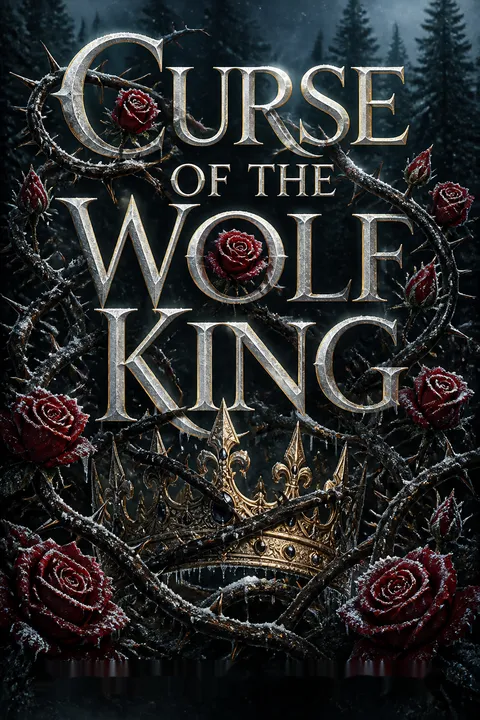
Curse of the Wolf King is a lush, emotionally resonant retelling of Beauty and the Beast, reimagined through the lens of fae politics, social scandal, and the quest for self-acceptance. At its heart, the novel interrogates the costs of shame, the dangers of rigid social roles, and the redemptive power of chosen family and love. Gemma's journey is a modern feminist arc: she refuses to be defined by her past or by others' expectations, insisting on autonomy even when it means risking loneliness. Elliot's arc is a meditation on vulnerability, disability, and the courage to change. The curse, with its demand for willing sacrifice, becomes a metaphor for the risks inherent in intimacy and the necessity of consent. The story's resolution—that only the willingness to sacrifice is required—subverts the trope of self-annihilation for love, suggesting that true transformation comes from intent, not martyrdom. The novel's found family, queer-coded fae, and critique of respectability politics make it especially resonant for contemporary readers seeking stories of healing, hope, and the messy, beautiful work of building a life on one's own terms.
Review Summary
Curse of the Wolf King receives mostly positive reviews, praised for its unique Beauty and the Beast retelling with a fae twist. Readers enjoy the charming characters, witty dialogue, and slow-burn romance between Gemma and Elliot. Many appreciate the book's light tone and cozy atmosphere. Some criticize the one-sided POV and underdeveloped secondary characters. Overall, it's considered an enjoyable, quick read for fans of fantasy romance, though a few readers found it lacking depth or originality.
People Also Read

Characters
Gemma Bellefleur
Gemma is a young woman marked by scandal, intelligence, and a longing for freedom. Her past affair and the resulting shame have made her wary of love and determined to control her own fate. She is resourceful, sharp-tongued, and compassionate, using her wit to navigate a world that seeks to confine her. Gemma's journey is one of self-acceptance, as she learns to trust, love, and forgive—both herself and others. Her relationship with Elliot is transformative, challenging her to risk vulnerability and embrace the possibility of happiness. Through her, the story explores themes of autonomy, resilience, and the healing power of chosen family.
Elliot Rochester / Flauvis, the Wolf King
Elliot is the Unseelie King of Winter, cursed to lose his magic, memories, and wolf form unless a human willingly sacrifices their greatest treasure. He is gruff, self-loathing, and prejudiced against humans, but beneath his exterior lies deep pain and a longing for connection. His disability (a missing leg) and forced humanity make him feel weak and unworthy. Through Gemma's influence, Elliot learns empathy, humility, and the value of love over pride. His arc is one of redemption and self-discovery, as he chooses vulnerability and partnership over isolation and bitterness. His love for Gemma becomes his salvation, breaking the curse and transforming him into a true king.
Imogen Coleman
Imogen is Gemma's "friend" and social antagonist, obsessed with status, marriage, and reputation. She is manipulative, competitive, and often cruel, using gossip and social power to control those around her. Her desperation for a royal match makes her susceptible to Gemma's schemes, but her vulnerability is revealed in her fear of losing beauty and security. Imogen represents the dangers of internalized misogyny and the emptiness of living for others' approval. Her arc is one of disappointment and self-realization, as she is ultimately outmaneuvered and left to confront her own values.
Nina Bellefleur
Nina is Gemma's younger sister, embodying kindness, optimism, and familial love. She is a source of comfort and encouragement, urging Gemma to believe in herself and not give up on happiness. Nina's engagement and eventual marriage contrast with Gemma's struggles, but her unwavering support is a lifeline. She represents the possibility of healing and the importance of chosen family.
Gavin Aston
Gavin is a product of his environment—privileged, self-important, and blind to Gemma's true nature. His attempts at courtship are clumsy and condescending, highlighting the limitations of traditional masculinity. Gavin's inability to see Gemma for who she is makes him both comic relief and a cautionary example of settling for less than one deserves.
Blackbeard
Blackbeard is one of the king's most steadfast followers, a fae wolf who remains with Elliot out of loyalty and lack of better options. He is practical, protective, and adapts to Gemma's leadership, becoming a bridge between the fae and human worlds. His presence adds depth to the found family dynamic and illustrates the costs and rewards of loyalty.
Gray / Ellen
Gray, later called Ellen, is an older fae wolf who stayed with the king due to age and injury. She is sharp-tongued, resilient, and fiercely protective of the children. Her perspective on the curse and willingness to face death rather than lose her identity highlight the story's themes of dignity and self-worth.
Micah
Micah is a young fae wolf, abandoned by his mother and struggling with the loss of memories. His bond with Gemma is tender and healing, representing the vulnerability of those caught in the crossfire of adult conflicts. Micah's journey is one of trust, resilience, and the search for family.
Bertha
Bertha is a fae bear who provides food and comfort to the cursed household. She is warm, practical, and quietly subversive, acting as a bridge between the fae and human worlds. Her presence is a reminder of the importance of care, community, and small acts of kindness.
Foxglove and Amelie
Foxglove, the flamboyant interior designer, and Amelie, the skilled seamstress, are fae who assist in the manor's transformation. Their artistry, humor, and acceptance of Gemma's unconventional leadership add color and levity to the story. They represent the possibility of friendship and collaboration across differences.
Plot Devices
The Curse and the Bargain
The central plot device is the curse placed on the Wolf King and his household, which can only be broken by a human's willing sacrifice of their greatest treasure. This device creates urgency, moral dilemmas, and opportunities for character growth. The curse's terms—willingness, not actual loss—subvert expectations and highlight the importance of intent over action. The bargain between Gemma and the king, with its detailed terms and mutual distrust, structures the narrative and allows for the exploration of power dynamics, consent, and the transformative potential of partnership. The curse also serves as a metaphor for trauma, shame, and the struggle to reclaim agency.
Dual Transformation and Found Family
The story employs a dual transformation arc: Gemma's journey from shame and isolation to self-acceptance and love, and Elliot's journey from pride and prejudice to vulnerability and redemption. Their relationship is the crucible in which both are changed, and the found family they build in the manor is a microcosm of healing and acceptance. The use of a "fake courtship" plot, with Imogen as the unwitting target, allows for both comedic and poignant moments, while the gradual renovation of the manor mirrors the internal restoration of its inhabitants.
Foreshadowing and Symbolism
The falling rose petals serve as a visual countdown to the curse's climax, foreshadowing the urgency and stakes. Snow and cold symbolize both isolation and the possibility of renewal, while books represent escape, empathy, and the power of stories to change lives. The motif of masks and personas recurs throughout, highlighting the tension between authenticity and survival in a judgmental world.
Narrative Structure
The narrative balances external threats (the curse, social scandal, family pressure) with internal conflicts (shame, fear of vulnerability, the cost of love). The structure moves from isolation to community, from deception to truth, and from resignation to hope. Key set pieces—the job interview, the captivity, the ball, the final sacrifice—are used to escalate stakes and force characters to confront their deepest fears and desires.
Entangled with Fae Series
About the Author
Download PDF
Download EPUB
.epub digital book format is ideal for reading ebooks on phones, tablets, and e-readers.








































